Voyager 1 is now farther than anything man has sent into space
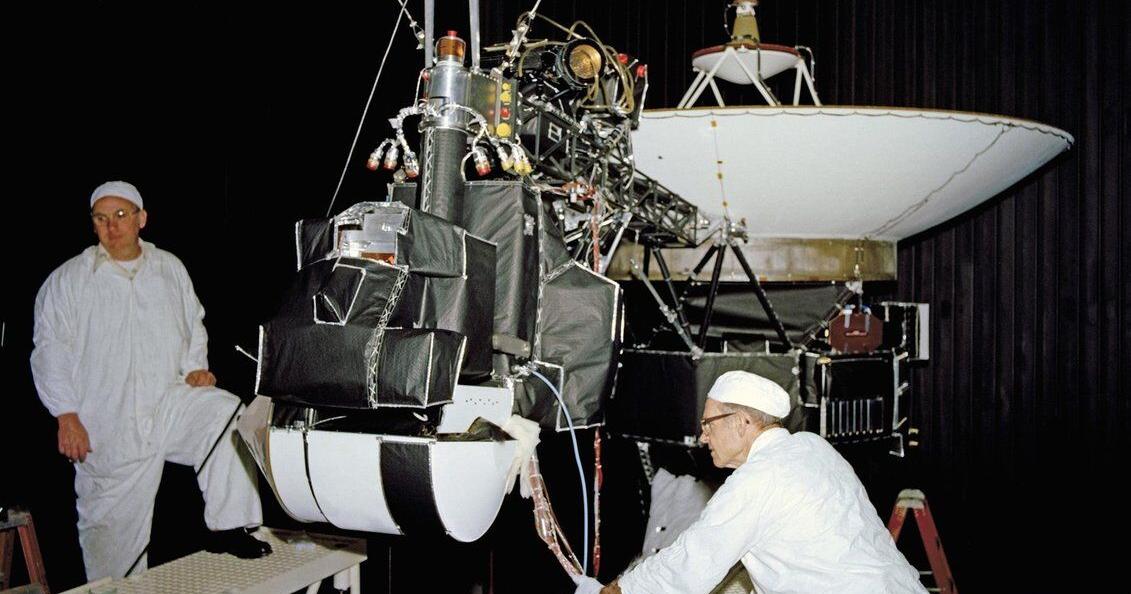
NASA's Voyager 1 has traveled farther than anything else that humans have launched into space.
asserted
humans → send → space
On Wednesday, it's set to reach a new milestone: reaching a distance that is one-light day away from Earth.
asserted
that → set → Earth
NASA is celebrating the occasion with the "Shine Bright for Voyager's Light-Day."
asserted
NASA → celebrate → Day
Calling it a symbolic celebration, NASA is asking the public on Tuesday night to send Voyager's call sign V-G-R into the sky in morse code.
asserted
NASA → call → code
Use a flashlight, phone light or anything that can blink a sequence.
asserted
that → use → sequence
If you want to take part:
V - Three quick flashes, one long flash
G - Two long flashes, one quick flash
R - One quick flash, one long flash, one quick flash
What exactly is a light-day?
asserted
day → want → part
A light-day is the distance light travels in 24 hours, or more than 16 billion miles.
asserted
light → travel → hours
This NASA spacecraft has traveled for nearly 50 years, launching Sept. 5, 1977.
asserted
spacecraft → travel → years
Over the course of its mission, Voyager 1 has conducted flybys of Jupiter and Saturn.
asserted
Voyager → conduct → Jupiter
In 1979, it discovered a faint ring system on Jupiter.
asserted
it → discover → Jupiter
In 1980, the spacecraft took detailed photos of Saturn's rings and moons.
asserted
spacecraft → take → rings
While on its journey, on Feb. 17, 1998, Voyager 1 overtook the U.S. space probe, Pioneer 10, becoming the most distant human-made object in existence.
asserted
Voyager → overtake → existence
It and its twin, Voyager 2, are the only spacecraft to have operated outside of the heliosphere, which acts like a protective shield of the solar system.
asserted
which → operate → system
Voyager 1 reached the interstellar boundary in 2012.
asserted
Voyager → reach → 2012
Its interstellar mission continues to chart and measure the magnetic fields, particles and plasma waves outside the sun's heliosphere and the atmosphere of other stars.
asserted
mission → continue → stars
Earlier this year, NASA elected to shut off Voyager 1's Low-energy Charged Particles experiment, or LECP, which has helped scientists map the structure of space, in order to save power.
asserted
scientists → elect → power
Scientists said this could keep the probe alive longer..
uncertain
this → say → probe
Voyager 1 has two science instruments still running: one that measures magnetic fields and another that listens for plasma waves.
asserted
that → have → waves
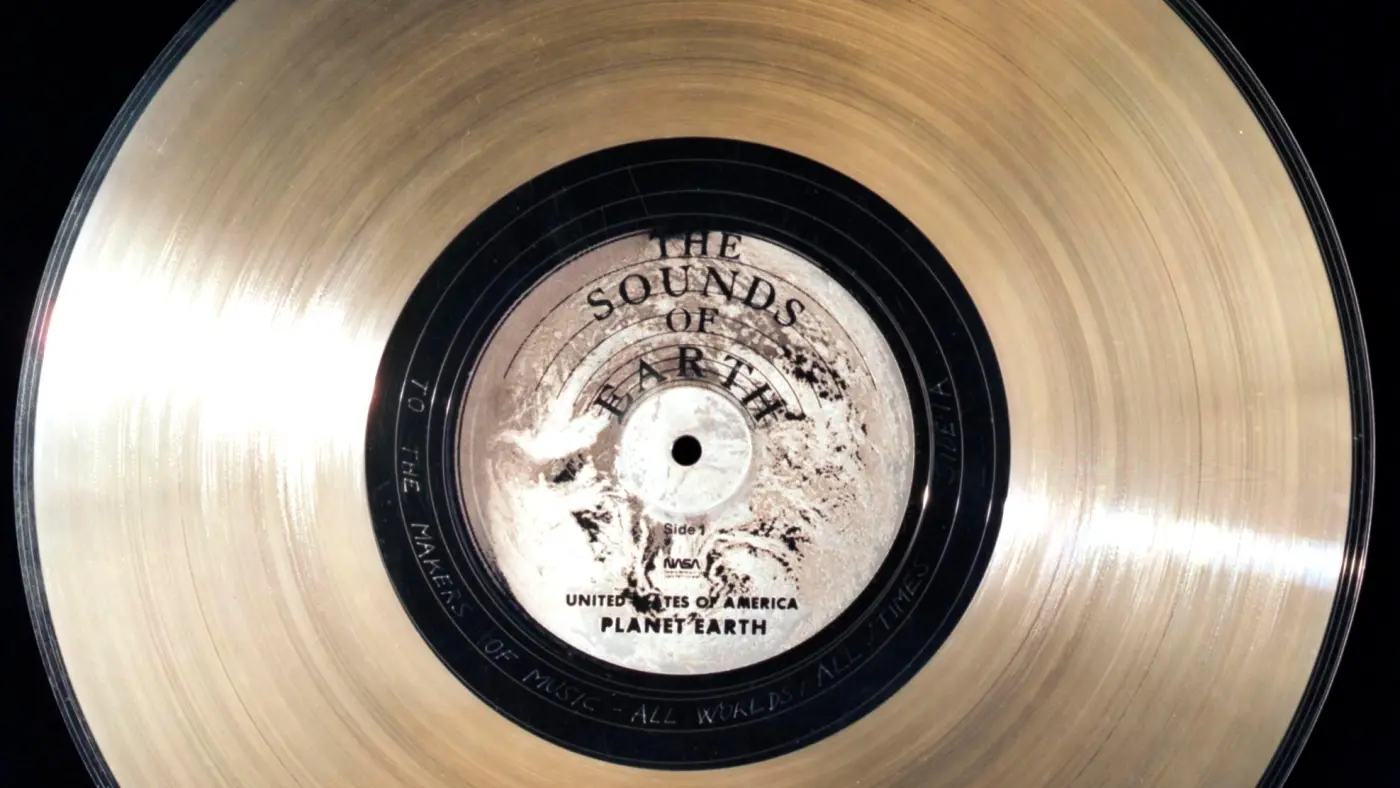
In addition, the Voyager spacecraft is carrying the Golden Record – an interstellar "time capsule" to communicate Earth's story to extraterrestrials.
asserted
spacecraft → carry → extraterrestrials
The gold-plated record contains 115 images, natural sounds such as surf, wind and animals, and spoken greetings in 35 different languages.
asserted
record → plat → languages
Included are instructions, in symbols, on how to play the record and the origin of the probe.
asserted
instructions → include → probe
Voyager 1 is estimated to reach "light-day status" at 5:16 a.m. ET on Wednesday, after 49 years, two months and 11 days of travel.
asserted
Voyager → estimate → travel
 The Aporia