Claims extracted
17
sentences that state something as happening or true
Uncertain
29%
5 of 17 hedged
("reportedly", "may", "according to")
Leaning
Leans strongly right
of the writing, not the subject · beta estimate
Publisher signals
94/100
Reason's corrections and
hedging, across everything collected from it. Not a measure of accuracy.
Outlets on this story
3
Technology
Same framing elsewhere
1
articles that frame the event the way this one does
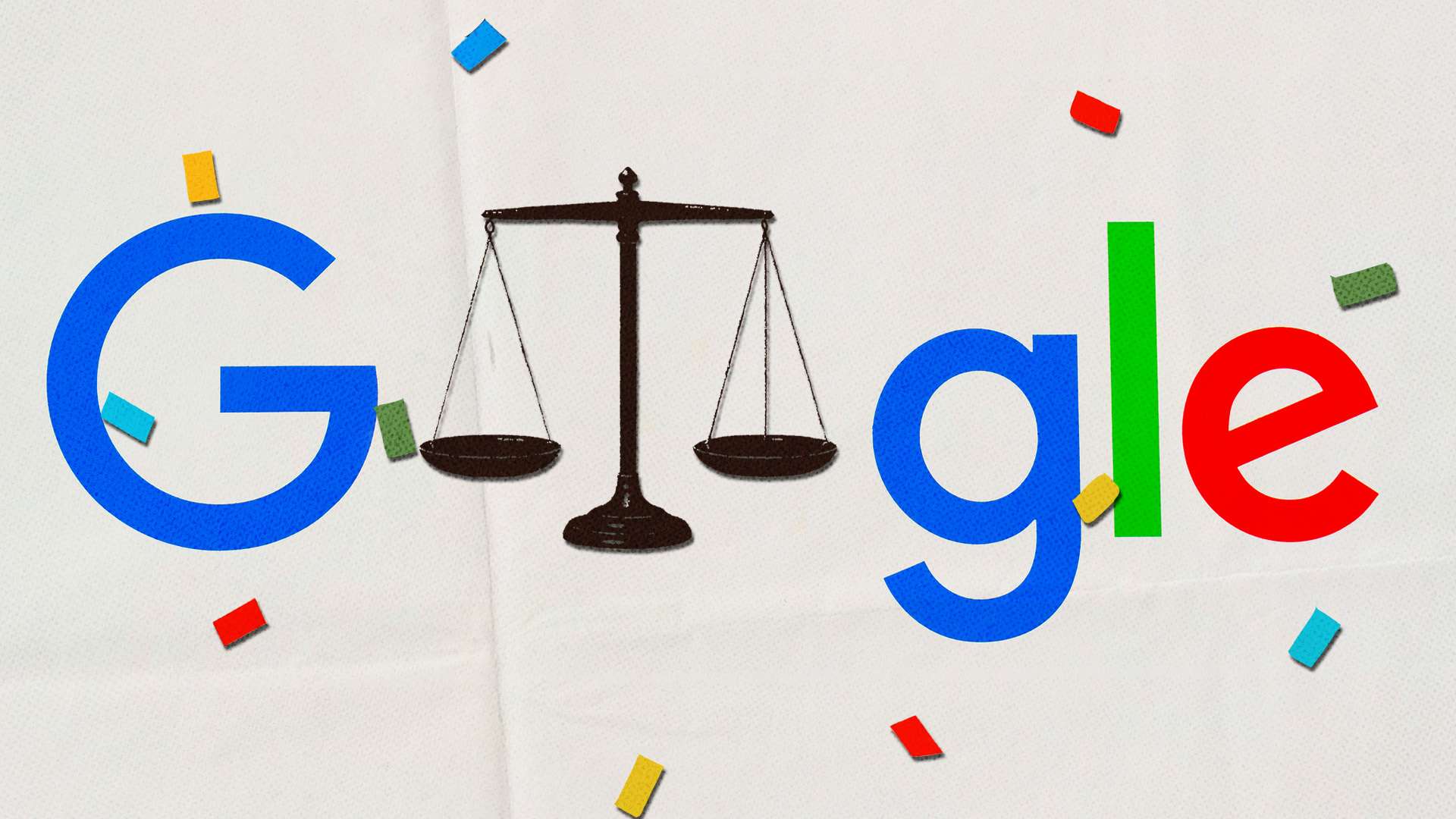
After ruling in 2025 that Google was guilty of "willfully acquiring and maintaining monopoly power" in the digital ad market, Judge Leonie Brinkema of the Eastern District of Virginia on Wednesday rejected a Justice Department proposal that would have forced Google to sell off parts of its advertising business as punishment.
asserted
that → rule → punishment
Brinkema's opinion is sealed for 14 days, so it's unclear why she chose to reject the Justice Department's proposal.
uncertain
she → seal → proposal
However, The Wall Street Journal reports that Brinkema had previously "questioned the practicality of a breakup," and "expressed uneasiness with not knowing who would buy Google's ad exchange and operate it in the future."
asserted
who → report → future
Brinkema instead suggested the court could order Google to stop the anticompetitive conduct it deemed illegal, per the Journal.
uncertain
it → suggest → Journal
Brinkema's apprehension about forcing a sale makes sense.
asserted
apprehension → force → sense
Google's substantial market share in the ad industry results from offering the best product.
asserted
share → result → product
With no guarantee that the company that takes over Google's ad tech would be a better steward, it's hard to see how divestiture serves users or businesses—the two groups ostensibly harmed by Google's so-called monopoly.
asserted
divestiture → take → monopoly
An involuntary sale to a company less equipped to invest and innovate in its tech stack could lead to higher costs for businesses and reduce the quality of service provided.
uncertain
sale → invest → service
A sale of its ad tech business would also mean the loss of nearly $42 billion a year in revenue for Google's parent company, Alphabet Inc., according to Max Gulker, senior policy analyst at Reason Foundation, the nonprofit that publishes this magazine.
uncertain
that → mean → magazine
Last September, the company avoided the enforcement of a similar Justice Department proposal that would have forced it to sell its Chrome web browser and Android mobile operating system.
asserted
that → avoid → browser
The federal judge in that case also rejected a proposal to ban Google from entering agreements to be the default search engine in consumer products.
asserted
judge → reject → products
Google is not the only company the Trump administration has in its crosshairs.
asserted
administration → have → crosshairs
In January, the Federal Trade Commission (FTC) announced it would continue to pursue its antitrust case against Meta, even after a federal judge rejected the agency's claims that the company's purchase of Instagram and WhatsApp made it a social media monopoly.
uncertain
it → announce → Instagram
The FTC is also pursuing an antitrust case against Amazon, while the Justice Department has a pending case against Apple.
asserted
Department → pursue → Apple
Neither has gone to trial yet.
asserted
Neither → go → trial
While it avoids the most punitive measures proposed by the Justice Department, Brinkema's order is a small consolation for Google.
asserted
order → avoid → Google
The company must still comply with "most" of the "behavioral remedies" it and the agency proposed, including data sharing with publishers and giving competitors equal access to its ad tech.
asserted
it → comply → tech
 The Aporia