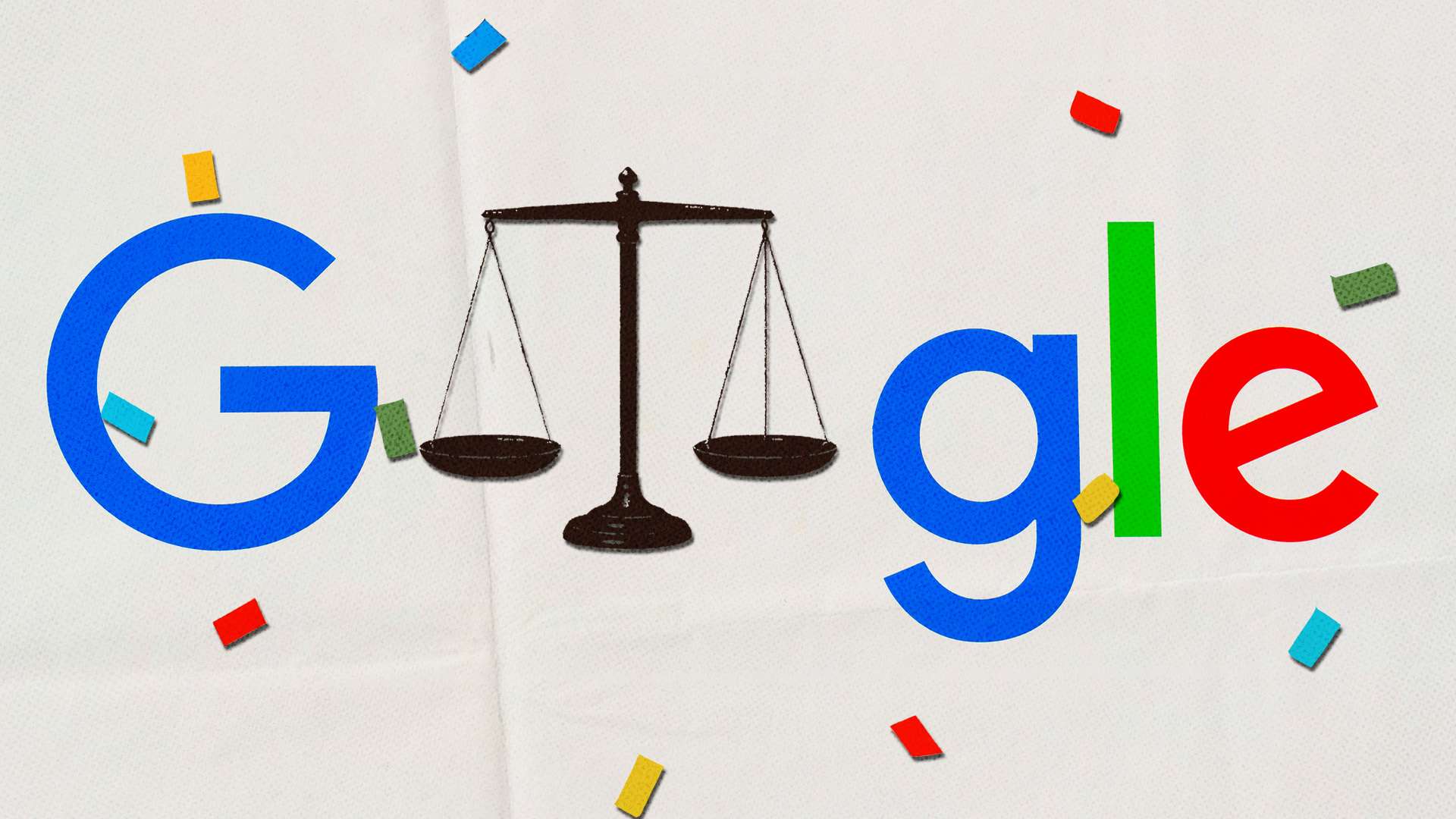
Antitrust advocates are criticizing the decision not to break up Google after it was found guilty of violating antitrust law with its advertising business, arguing that breaking up one company can create or reinforce monopolistic power elsewhere. The article cites a 2012 case where the Department of Justice sued Apple and book publishers for collusion, but ultimately allowed Amazon to dominate the market, leading to higher consumer prices and fewer bookstores. If Google were broken up, other companies like Apple could gain even more power, particularly in the smartphone market. The author suggests that investing in university research and supporting new startups through tax incentives and grants is a better way to promote competition in the tech industry.
Written by the local model on 2026-09-04,
using this article's own text rather than the other coverage of the
same event (that is the story summary below).
Story summary
Judge Leonie Brinkema of the Eastern District of Virginia has rejected a proposal from the Justice Department to break up Google's advertising business as punishment for allegedly having a monopoly in the digital ad market. This decision comes after Brinkema ruled in 2025 that Google was guilty of "willfully acquiring and maintaining monopoly power" in the ad market. The proposed breakup would have forced Google to sell off parts of its advertising business, but Brinkema has expressed concerns about who would buy it and operate it effectively. Instead, she suggested that the court could order Google to stop the anticompetitive conduct deemed illegal.
Google's large market share in the ad industry is due to offering the best product, not just because of its size. The Justice Department's proposal may have inadvertently strengthened other monopolies, as Reed Albergotti argues in an article for Semafor, citing the example of Amazon dominating book publishers after a lawsuit against Apple and major book publishers.
Written for “Google Antitrust Dispute” on 2026-09-05,
grounded in this article and the 1 other(s) covering the same event.
Why this leaning score
The article's own words the score was based on. Each is quoted
verbatim and was checked against the article text before being
stored, so you can find it in the original.
Leaning score +0.85 for article 3986 (high confidence, 2 verified quotes) · logged 2026-09-04
Antitrust advocates on the left and the right are upset that, yet again, a big tech giant has avoided being broken up after an antitrust lawsuit.
asserted
giant → avoid → lawsuit
This time, it’s Google — again — that gets to stay together despite being found guilty of flouting antitrust law with its advertising business.
asserted
that → ’ → business
But here’s the problem with the “break up big tech” argument: If you break up one tech giant, you create or reinforce monopolistic power somewhere else.
asserted
you → ’ → power
The antitrust balloon-squeezing phenomenon is well documented.
asserted
phenomenon → squeeze → ?
In 2012, the Department of Justice sued Apple and major book publishers for collusion.
asserted
Department → sue → collusion
At the time, Amazon was undercutting book publishers by buying their e-books and then selling them at a loss.
asserted
Amazon → undercut → loss
Apple wanted to compete against Amazon with its own e-book product, so it got publishers together to agree on pricing.
asserted
publishers → want → pricing
Publishers settled, and Apple went to court and lost.
asserted
Apple → settle → court
So Amazon got to completely dominate book publishers, who now have less money to publish books.
asserted
who → get → books
Consumer prices rose anyway, because without competition, Amazon could charge more in the long run.
uncertain
Amazon → rise → run
Bookstores were shuttered.
asserted
Bookstores → shutter → ?
If you broke up Google, you’d supercharge other monopolies.
asserted
you → break → monopolies
For instance, if you spun off Android, which Google offers for free, low-cost smartphones would become more expensive.
asserted
smartphones → spin → free
Apple, already too powerful, would dominate even more.
asserted
Apple → dominate → ?
In many cases, it’s become too complex to even assess whether it’s good for consumers or for innovation to force Google to spin off Chrome, search, cloud, or its advertising business.
asserted
innovation → become → Chrome
And antitrust law can only operate with tunnel vision on individual cases.
asserted
law → operate → cases
A judge can’t just break up all of big tech, clearing the way for a new competitive landscape to blossom.
asserted
landscape → break → way
The best solution to fostering competition in the industry is to prioritize disruptive new technology by pumping money into university research, which creates the raw material for new technology startups.
asserted
which → foster → startups
Breaking up a company might be satisfying in the short term.
uncertain
Breaking → break → term
But forcing the tech industry to face a constantly changing landscape is better for everyone in the long run.
asserted
forcing → force → run