That is 0 articles you have read today.
The Aporia is free and carries no advertising, so readers are the only
thing paying for it. If you are getting this much out of it, a small
donation is what keeps it independent.
Daily limit reached
You have read 0 articles today.
That is more than the 15 a day The Aporia gives away,
and well past what it can carry on nothing. Your allowance resets at
midnight.
There is no advertising here and nothing about you is sold, so readers
are the only thing paying for it. If the site is worth this much of
your day, it is worth a few dollars.
Everything else stays open: the
maps, the
directory and
search do
not count against this, and neither does re-opening something you have
already read today.
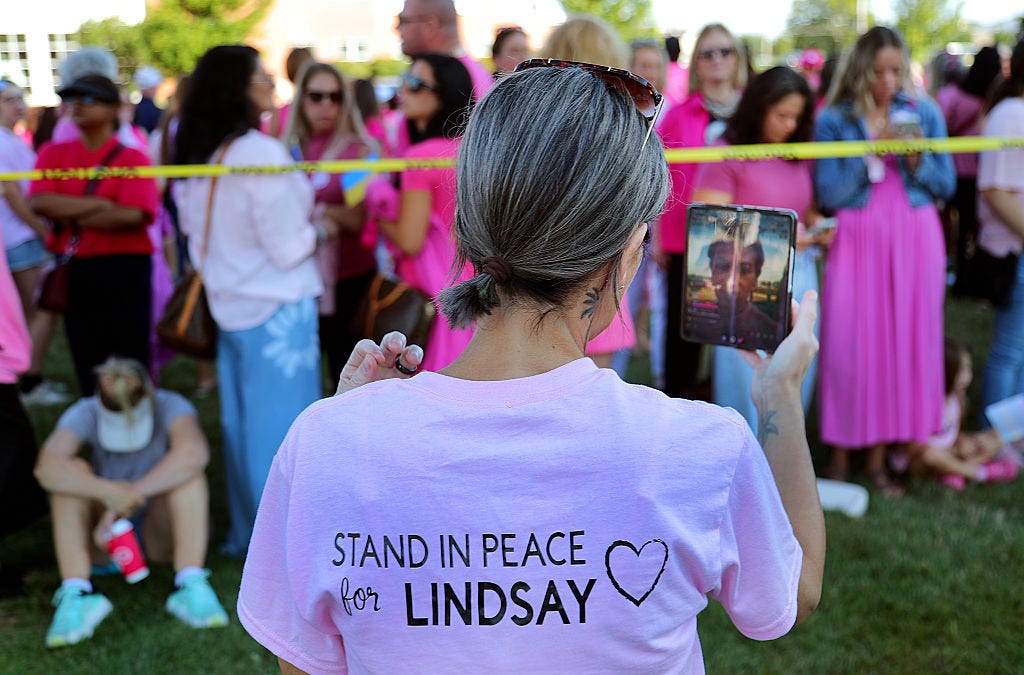
Patrick Clancy’s attorney has threatened legal action against people spreading false accusations that he murdered his children; these claims have circulated on TikTok and Instagram, where users blame him for a crime committed by his ex-wife Lindsay. The article explores whether Clancy can successfully sue those who defame him online, delving into the challenge posed by social media platforms’ immunity from legal responsibility under Section 230 of the Communications Decency Act.
Written by the local model on 2026-09-15,
using this article's own text rather than the other coverage of the
same event (that is the story summary below).
Claims extracted
14
claim-shaped sentences
Uncertain
21%
3 of 14 hedged
Leaning
Leans left
of the writing, not the subject
Correction & hedging signals
96.2
corrections and hedging in what we collected;
not a measure of accuracy
Outlets on this story
1
Crime & Law
Narrative spread
1
articles carrying this framing
Story summary
In late 2023, Lisa Rinna, a star of The Real Housewives of Beverly Hills, falsely accused Patrick Clancy on TikTok of murdering his three children. This accusation was echoed across various social media platforms like Instagram, spreading harmful misinformation. However, the truth is that Patrick's ex-wife Lindsay admitted to killing their children and her lawyers never disputed this fact.
One of Clancy’s attorneys recently issued a statement threatening legal action against those spreading these "blatant and baseless falsehoods" online. The case raises questions about whether individuals can successfully sue for defamation in the digital age, where platforms like TikTok and Instagram are often immune from such lawsuits due to Section 230 of the Communications Decency Act.
Written for “Suing False Accusers” on 2026-09-17,
grounded in this article and the 0 other(s) covering the same event.
Why this leaning score
The article's own words the score was based on. Each is quoted
verbatim and was checked against the article text before being
stored, so you can find it in the original.
Leaning score -0.35 for article 9819 (high confidence, 1 verified quote) · logged 2026-09-15
“Patrick’s the one who did it.
asserted
who → ’ → it
Patrick did it.”
asserted
Patrick → do → it
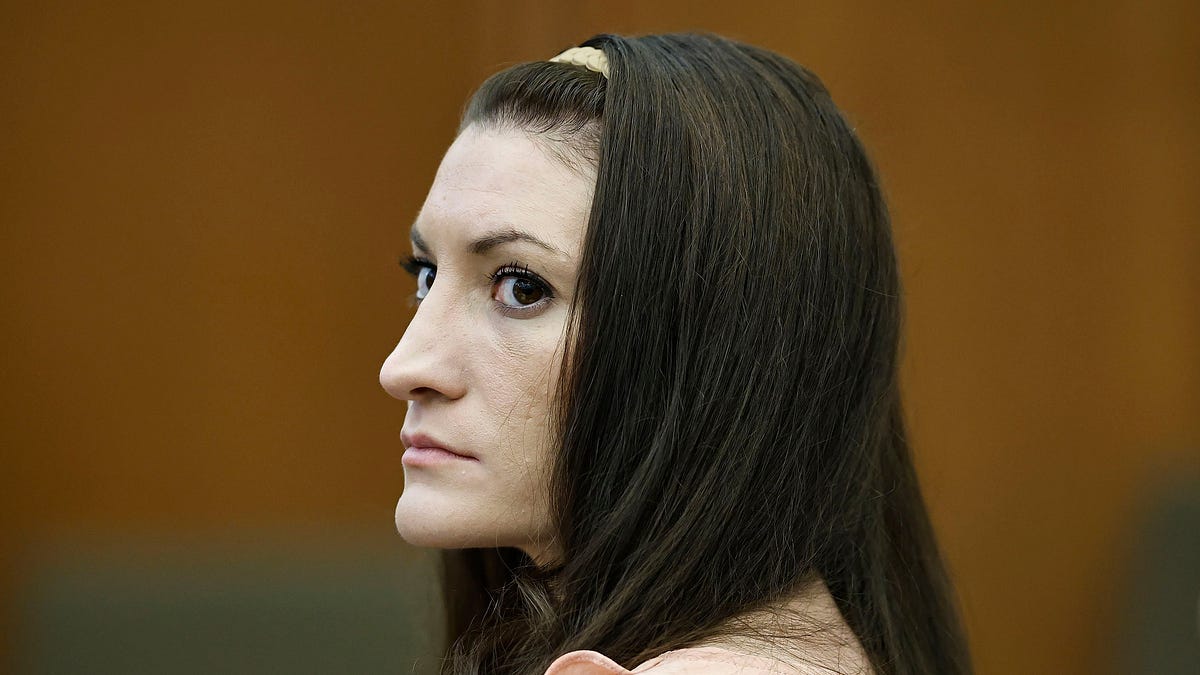
So said Lisa Rinna, a star of The Real Housewives of Beverly Hills, last month on TikTok, accusing Patrick Clancy of murdering his three children, who were in fact killed by Patrick’s ex-wife, Lindsay, a fact Lindsay admitted and her lawyers never disputed.
asserted
lawyers → say → wife
Our public square has become a defamation orgy.
asserted
square → become → ?
“He was having an affair, he plotted, drugged her, made her crazy, killed their kids,” said another post about Patrick Clancy, this one repeated over and over on Instagram.
asserted
post → have → Instagram
When she didn’t die, he convinced her she killed them.
asserted
she → die → them
Last week, one of Patrick Clancy’s attorneys released a statement threatening legal action against the “blatant and baseless falsehoods” spread against Patrick Clancy online: “Enough is enough.”
asserted
Enough → release → Clancy
But could such a case actually succeed?
uncertain
case → succeed → ?
And could it be a reckoning that stems the tide of online defamation?
uncertain
that → stem → defamation
Clancy could win, but he can’t stop the tide because it is driven by two phenomena that are basically untouchable.
uncertain
that → win → phenomena
If The New York Times runs an opinion piece libeling someone, the Times can be sued for damages.
asserted
Times → run → damages
And if NBC News runs a commercial libeling someone, NBC can be sued for damages.
asserted
NBC → run → damages
But if TikTok or Instagram carry a libelous post or advertisement, they cannot be sued.
asserted
they → carry → post
They have immunity under the famous Section 230, a federal statutory provision enacted as part of the Communications Decency Act of 1996 under which social media platforms bear no legal responsibility for almost any ads or user content they carry.
asserted
they → have → ads
 The Aporia