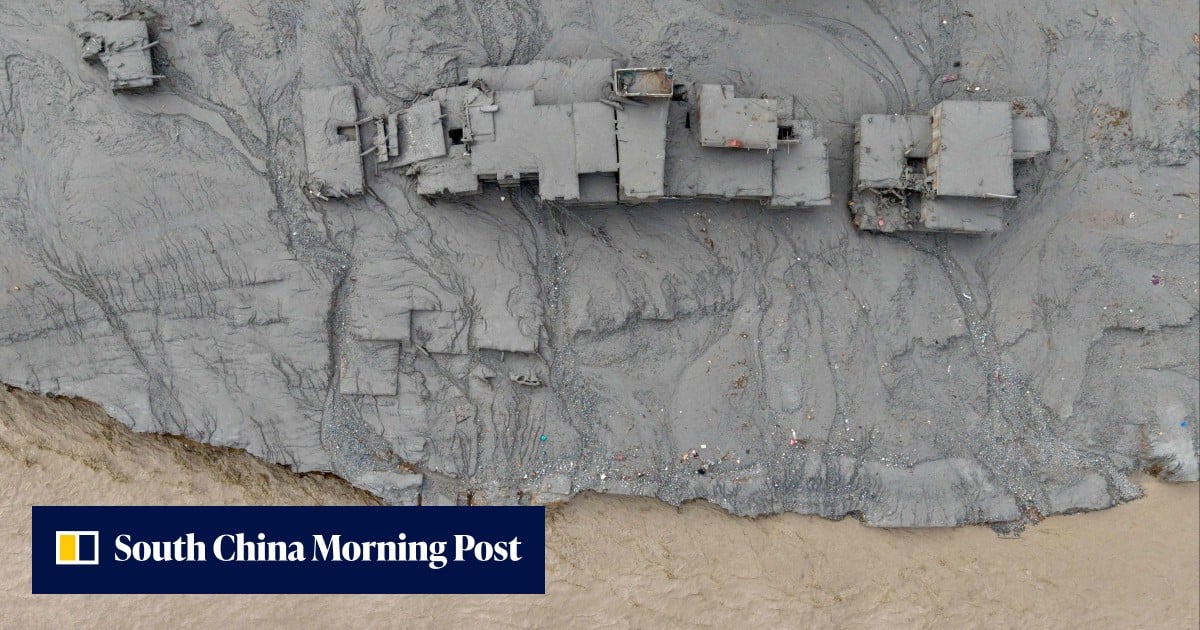
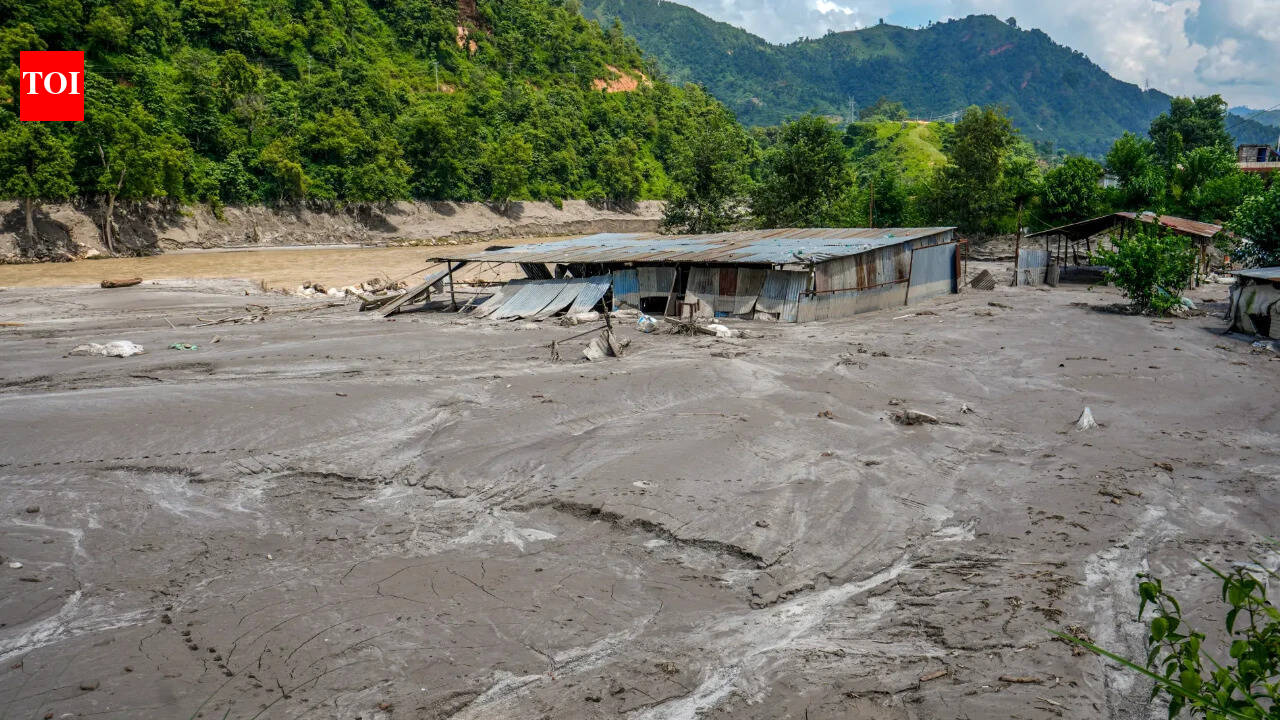
Could the China-Nepal disaster spur a safety rethink for a flagship rail project?

Read the original at South China Morning Post ↗
Cite

Liang, X. (2026, August 28). Could the China-Nepal disaster spur a safety rethink for a flagship rail project? South China Morning Post. https://www.scmp.com/news/china/politics/article/3365587/could-china-nepal-disaster-spur-safety-rethink-flagship-rail-project?utm_source=rss_feed

Dated when The Aporia collected the article, usually within hours of publication. Check the original for its exact date and byline.

South China Morning Post · collected 2026-08-28 · by Xinlu Liang

Quick Summary

A social media post from a group of researchers tracking a multibillion-dollar trans-Himalayan rail project suggests that the recent China-Nepal disaster, which occurred in an area prone to glacial lake floods, highlights the need for joint hazard management on infrastructure projects. The project aims to connect Tibet with Kathmandu, and is still in its early stages despite being proposed in 2016 due to factors like bad weather and geopolitical friction. A third of China's trade with Nepal passes through the Gyirong port, which is the region's main foreign trade gateway. Researchers from both sides of the border are advocating for a rethink on safety measures for the project.
Written locally by qwen2.5:14b on 2026-08-28, using this article's own text rather than the other coverage of the same event (that is the story summary below).

AI analysis runs on qwen2.5:14b, locally

Story summary

Nepal faced devastating flash floods on August 26, triggered by a glacial collapse in the Himalayas, resulting in over 900 deaths and nearly 5,000 missing people across Nepal and Tibet. Rescue teams from multiple countries, including China, are searching for hundreds of workers believed to be trapped in hydropower tunnels. The disaster has prompted international relief efforts; Australia dispatched a specialized team including 10 personnel from Fire and Rescue NSW as part of an $11 million humanitarian support package. Meanwhile, social media erupted with racist comments towards missing Australians, highlighting tensions within affected communities.
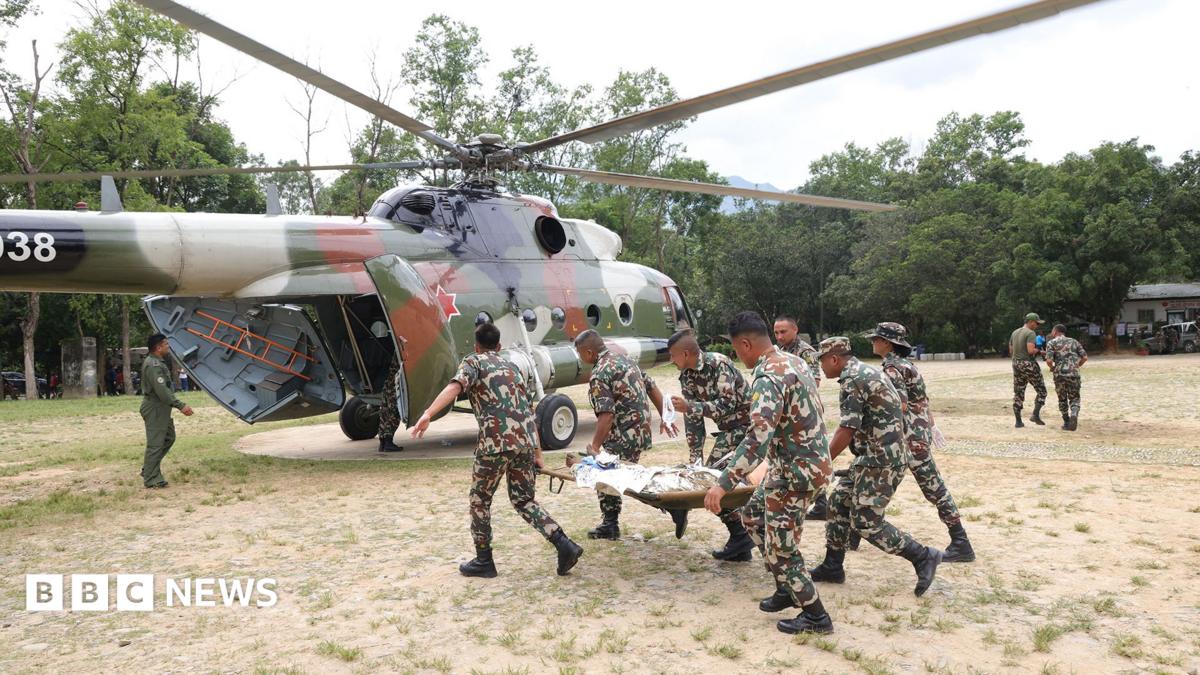
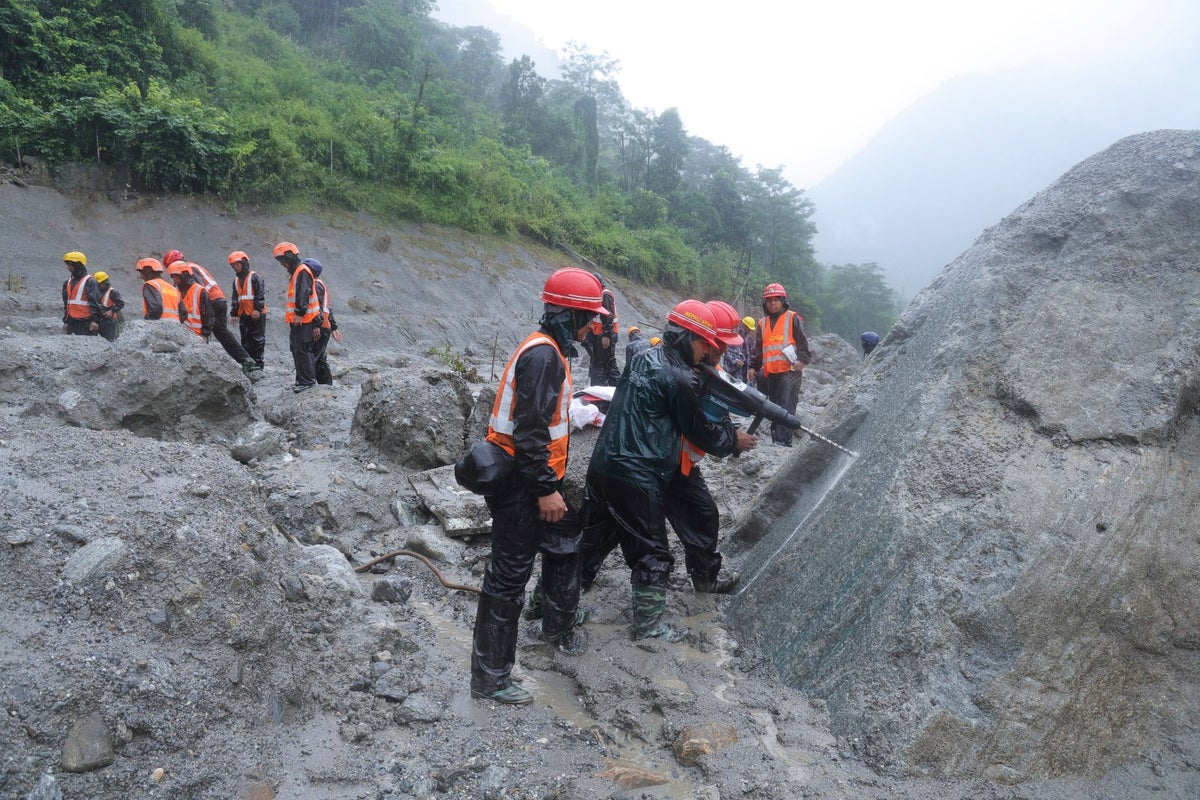
Written for “Nepal Flood Rescue Efforts” on 2026-10-16, grounded in this article and the 62 other(s) covering the same event.

Story

📰 Nepal Flood Rescue Efforts
World · 63 article(s) covering the same event. Compare every outlet's account →

Compared with similar articles

This article reads leans left and hedges 17% of its claims. Each row says how that neighbour differs.
BBC News
⚖️ leaning not scored 🔴 20% hedged 9 of 44 📰 publisher trust 69
“Both articles report on a recent flood disaster that occurred on the Nepal-Tibet border, with Article A providing details on the cause and impact of the landslide and flash floods, while Article B discusses potential implications for a nearby rail project.”
Al Jazeera
⚖️ leaning not scored 🔴 11% hedged 5 of 44 📰 publisher trust 60
“Both articles describe the same disaster occurring across Nepal and China's Tibet, mentioning flash glacial-lake outburst floods, missing people, and a death toll of over 270.”
Al Jazeera
⚖️ leaning not scored 🔴 14% hedged 3 of 21 📰 publisher trust 60
“Both articles describe the same flash flood disaster at the Nepal-China border, with similar details about the 'barrier lake' and rescue efforts.”
Dawn
⚖️ leaning not scored 🔴 11% hedged 4 of 38 📰 publisher trust 71
“Both articles describe a flash flood that occurred in Nepal two days before the publication date, resulting in a large number of casualties, and mention a glacier collapse on Wednesday morning.”
The Hindu
⚖️ leaning not scored 🔴 17% hedged 2 of 12 📰 publisher trust 60
“Both articles mention a glacier collapse in Nepal leading to flash floods on August 28, 2026, and mention Gyirong county in Tibet as being affected.”
The Hindu
⚖️ leaning not scored 🔴 18% hedged 4 of 22 📰 publisher trust 60
“Both articles report on a devastating flash flood that occurred along the Nepal-China border on August 26, 2026.”
The Hindu
⚖️ leaning not scored 🔴 0% hedged 0 of 5 📰 publisher trust 60
“Article A describes a recent mudslide incident with specific time and details, while Article B mentions a 'China-Nepal disaster' without specifying what it is referring to”
Times of India
⚖️ leaning not scored 🔴 10% hedged 4 of 40 📰 publisher trust 59
“Article A discusses a warning issued months before the floods, while Article B refers to the disaster itself and its potential impact on a rail project”
The Independent
⚖️ leaning not scored 🔴 17% hedged 6 of 35 📰 publisher trust 59
“Article A mentions a 'China-Nepal disaster' but doesn't specify the cause or impact on hydropower projects, while Article B specifically describes floods affecting hydropower stations and mentions high death toll”
How this article was measured signals, leaning charts, publisher record, byline, topics and claims

Signals How these are calculated →

Claims extracted
6
sentences that state something as happening or true
Uncertain
17%
1 of 6 hedged ("reportedly", "may", "according to")
Leaning
Leans left
of the writing, not the subject · beta estimate
Publisher signals
64/100
South China Morning Post's corrections and hedging, across everything collected from it. Not a measure of accuracy.
Outlets on this story
63
World
Same framing elsewhere
1
articles that frame the event the way this one does
Analyzed 2026-08-28 · how these are computed

How this is being covered How these are calculated →

Article leaning vs. publisher reliability
Source leaning vs. consistency

Publisher

South China Morning Post · 2432 article(s) · 6 correction(s) detected
Running correction rate · 6 correction(s)

Who wrote this

Xinlu Liang
2 article(s) here · 1 carrying a prediction
🔮 Could the China-Nepal disaster spur a safety rethink for a flagship rail project?
Also by Xinlu Liang
Nothing else under this byline is closely related to this article, so these are simply their most recent.

Topics

China Gyirong Kathmandu Tibet trans-Himalayan

Subjects

China GPE · 2× Gyirong GPE · 2× Kathmandu GPE · 2× Tibet GPE · 2× Chinese NORP · 1× Nepali NORP · 1× the “China-Nepal Railway and South Asia Exchange” ORG · 1× trans-Himalayan NORP · 1×

Narrative

They underlined that need in a social media post on Thursday on the “China-Nepal Railway and South Asia Exchange”, a social media account that has brought Chinese and Nepali researchers together to track the railway project since 2022.
framing: assertive · carried by 1 article(s) · first seen 2026-08-28
🔮 Could the China-Nepal disaster spur a safety rethink for a flagship rail project?
2026-08-28 · South China Morning Post
Could the China-Nepal disaster spur a safety rethink for a flagship rail project? · assertive framing

Claims (6 extracted, 1 hedged)

Could the China-Nepal disaster spur a safety rethink for a flagship rail project? uncertain
disaster → spur → project
Gyirong in Tibet is the start of a planned train line to Kathmandu and in an area prone to dangerous glacial lake floods The port is the region’s main foreign trade gateway, which handles a third of China’s trade with its neighbour. asserted
which → plan → neighbour
Gyirong is also one end of a multibillion-dollar trans-Himalayan project connecting Tibet with Kathmandu. asserted
Gyirong → connect → Kathmandu
The project was proposed in 2016 but bad weather, poor local infrastructure and geopolitical friction have resulted in little progress. asserted
weather → propose → progress
Researchers on both sides of the border say the location of the disaster highlights the need for a joint approach to hazard management, particularly on such infrastructure. asserted
location → say → infrastructure
They underlined that need in a social media post on Thursday on the “China-Nepal Railway and South Asia Exchange”, a social media account that has brought Chinese and Nepali researchers together to track the railway project since 2022. asserted
that → underline → 2022
💬Give feedback
🕘History 🎫Support