World News Today: International News Headlines - The Hindu | The Hindu
· collected 2026-08-28 · by Ananth Krishnan
China's Foreign Ministry has suggested that the collapse of a high-altitude glacier in Nepal may have triggered flash floods along the border. According to preliminary assessments by Chinese and Nepalese experts, the disaster resulted in at least three deaths and over 550 people missing. Chinese authorities have evacuated 555 tourists from Gyirong county in Tibet, with efforts led by Premier Li Qiang and President Xi Jinping's emergency meeting on August 28. The statement after the meeting warned of challenges to rescue operations due to the region's harsh environment and potential geological hazards.
Written by the local model on 2026-08-28,
using this article's own text rather than the other coverage of the
same event (that is the story summary below).
Story summary
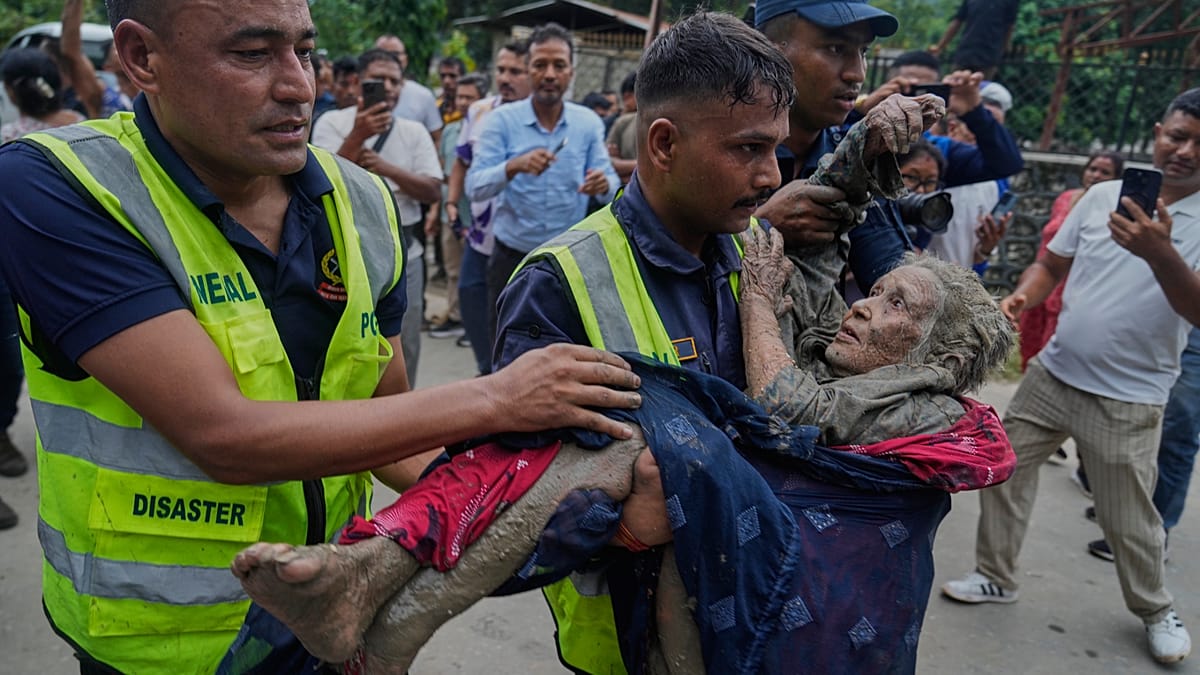
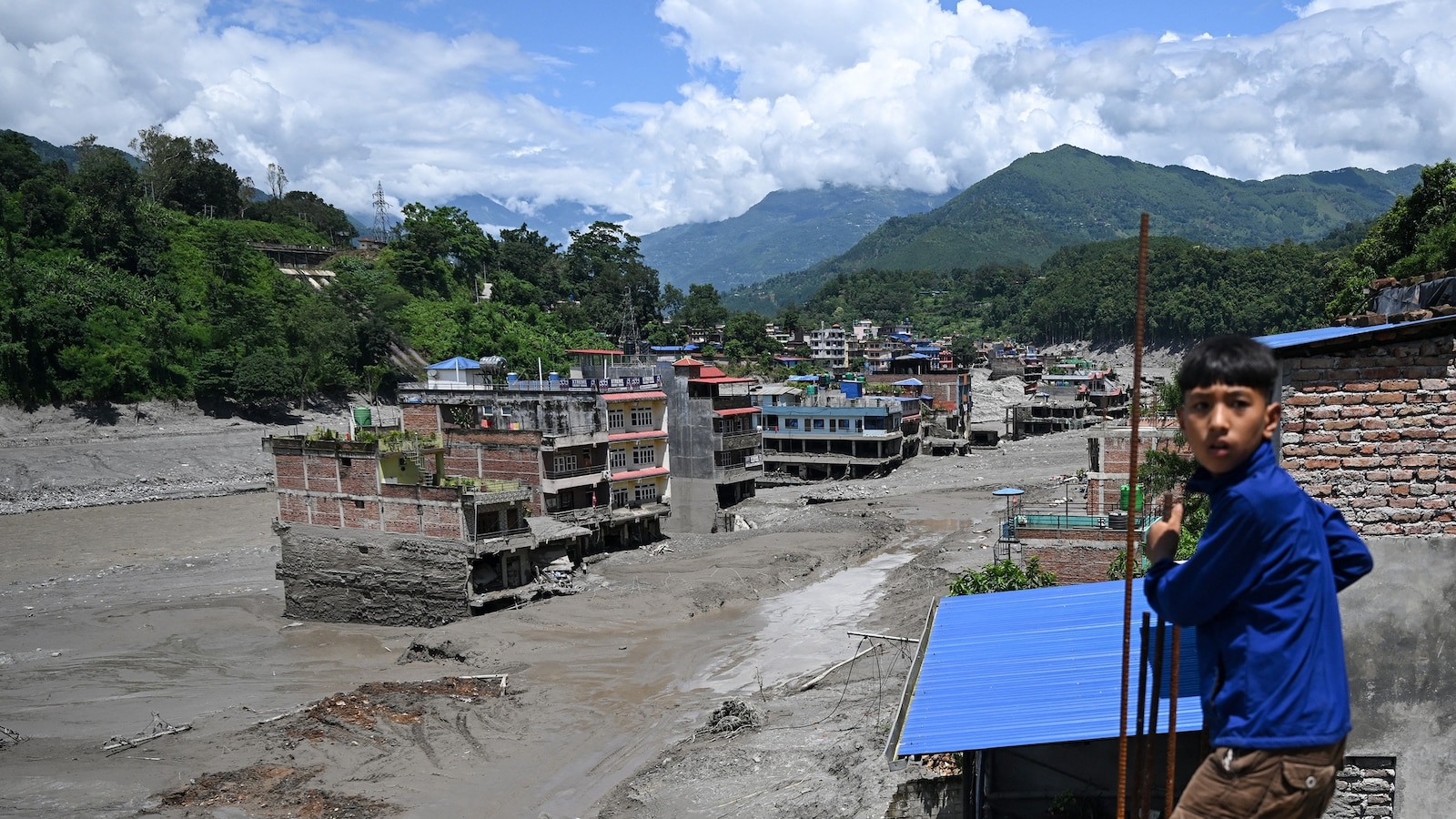
A catastrophic flash flood occurred on August 26, 2026, on the Nepal-Tibet border, causing widespread destruction and loss of life. The disaster was triggered by a collapsed glacier, which sent massive amounts of water and debris downstream, resulting in the deaths of at least 273 people and leaving over 1,300 missing. The floodwaters swept through several communities, including Syapru Besi and Timure in the mountainous district of Rasuwa, with many villages and infrastructure destroyed. Rescue teams were deployed to search for survivors, but their efforts were hindered by the remote location and challenging terrain.
The disaster also affected Tibet, where a mudslide hit the land border crossing at Gyirong Port, causing major casualties and disruptions to transportation and communication networks. Chinese President Xi Jinping ordered "all-out" efforts to search for those missing and to strengthen monitoring and early warning systems to prevent similar disasters in the future.
The Nepal Tourism Board reported that 25 Canadians were among those missing, and officials warned of a high risk of secondary collapses or landslides as rain continued in the affected area. The disaster has highlighted the issue of rapidly melting Himalayan ice and the need for better preparedness and emergency response measures in the region.
Written for “Nepal Tibet Flood Disaster” on 2026-08-31,
grounded in this article and the 57 other(s) covering the same event.
Why this leaning score
This article does not take a side on a contested political
question, so it has no leaning score. That is an
answer rather than a gap: a match report or a rescue can be warmly
or critically written without being left or right, and scoring it
anyway is how approval of a subject gets recorded as a political
position.
No political leaning scored for article 3122 · logged 2026-08-28
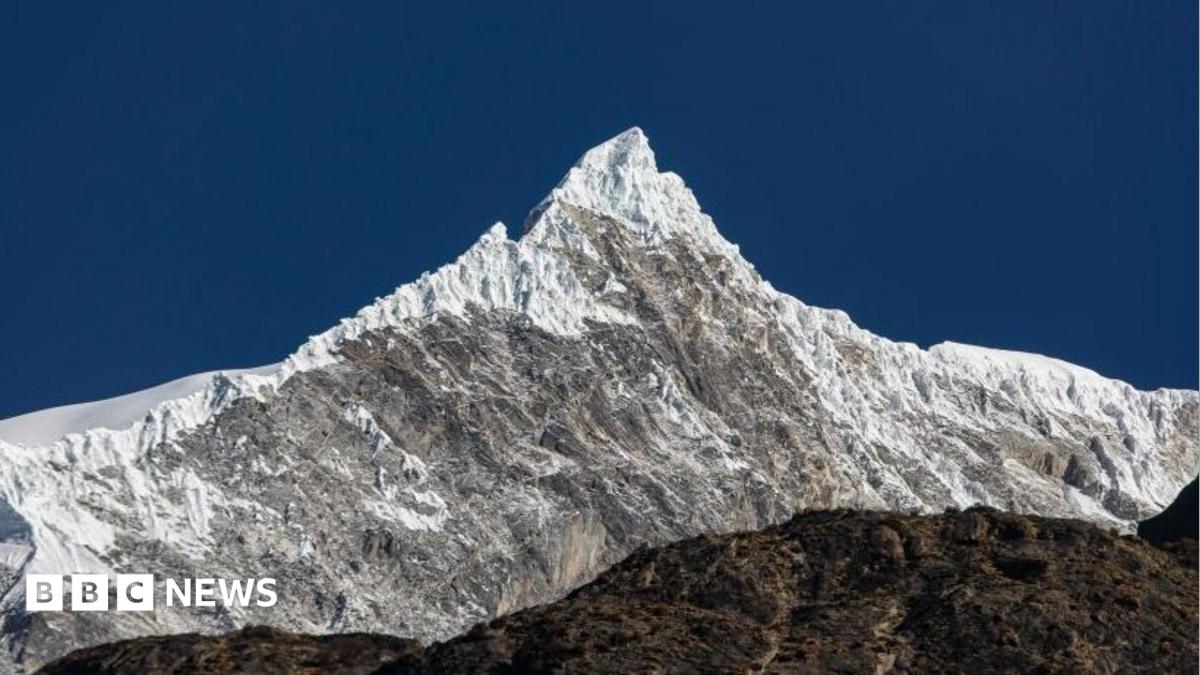
A preliminary assessment suggested the collapse of a high-altitude glacier in Nepal was behind the mudslides and floods along the Nepal-China border, China’s Foreign Ministry said on Friday (August 28, 2026).
uncertain
Ministry → suggest → Friday
“We noted that experts and official institutions of China and Nepal have made preliminary assessments on the cause of the disaster,” spokesperson Lin Jian said.
asserted
Jian → note → disaster
“According to their analysis, the disaster may have been triggered by the collapse of a high altitude glacier in Nepal.”
uncertain
disaster → accord → Nepal
Chinese authorities said 555 tourists had been evacuated from Gyirong county in Tibet.
asserted
tourists → say → Tibet
As of Friday (August 28), Chinese authorities had confirmed three deaths but added that more than 550 people were still missing.
asserted
people → confirm → deaths
On whether there were tourists from India among those evacuated and among the missing, Mr. Lin said China was in touch with the Indian Embassy in Beijing and details of nationalities were being verified.
asserted
details → be → nationalities
“We have already notified the embassies of relevant countries and we will maintain communication with them,” he said.
asserted
he → notify → them
Chinese President Xi Jinping on Friday (August 28) chaired a rare emergency meeting of the Communist Party’s leadership “to deliberate and make arrangements on rescue and relief efforts”.
asserted
Jinping → chair → efforts
A statement following the meeting, which began with a moment of silence, warned of the complications involved in rescue efforts, saying that operations were being carried out swiftly.
asserted
operations → follow → efforts
China’s Premier and second-ranked leader Li Qiang arrived in Gyirong on Thursday (August 27) to oversee rescue efforts and meet with those displaced.
asserted
Premier → rank → those
“The disaster occurred in a severely cold plateau region with steep valleys, variable weather, many surrounding glaciers and glacial lakes, as well as potential geological hazards, which poses significant challenges to emergency rescue operations,” the statement said, adding that “every effort should be made to search for and rescue all missing Chinese and foreign nationals”.
asserted
effort → occur → nationals
The statement said China will provide emergency aid to Nepal and carry out “international rescue cooperation”.
asserted
China → say → cooperation