Months before the devastating floods struck Nepal and Tibet, two landmark reports by the International Centre for Integrated Mountain Development (ICIMOD) had warned that rapidly melting glaciers across the Hindu Kush Himalaya(HKH) were escalating the risks of catastrophic floods and other cryosphere-related disasters.
asserted
glaciers → strike → floods
Released in March 2026, the reports found that glacier ice loss across the region had doubled since 2000, with the smallest and most vulnerable glaciers shrinking rapidly and intensifying hazards such as glacial lake outburst floods.
asserted
glaciers → release → floods
It also revealed that glaciers have lost up to 27 metres of ice thickness since 1975
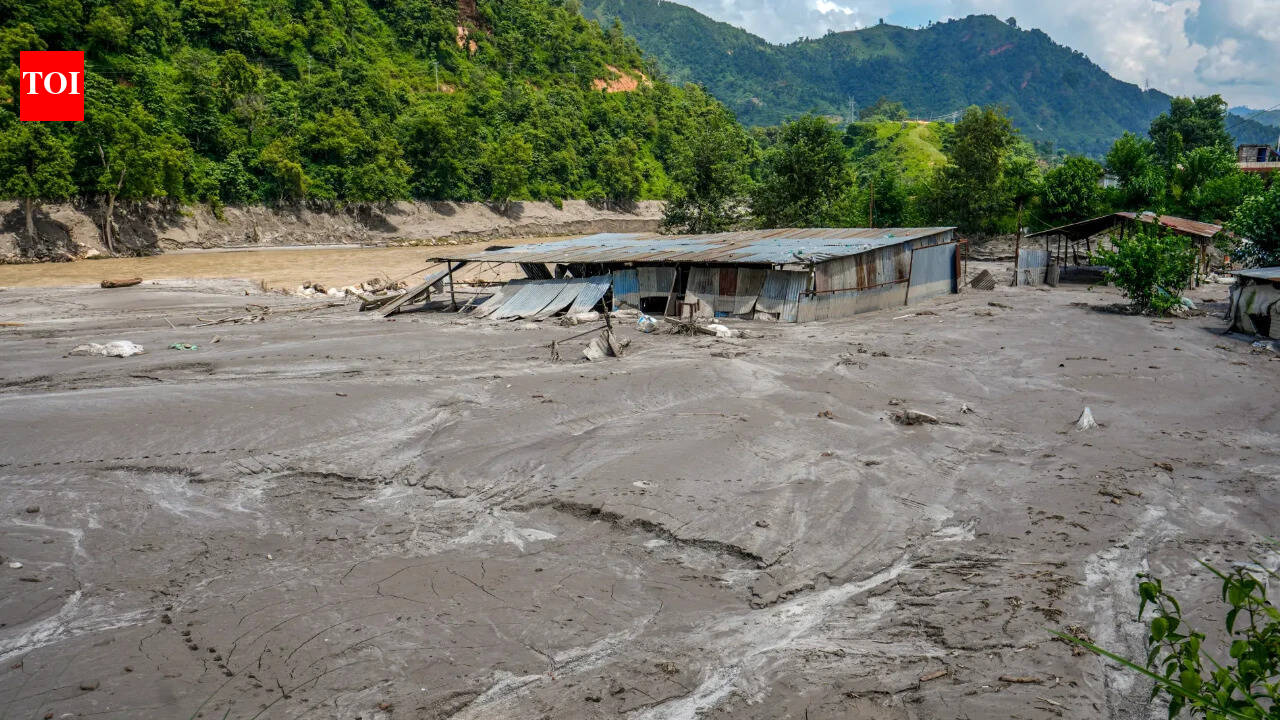
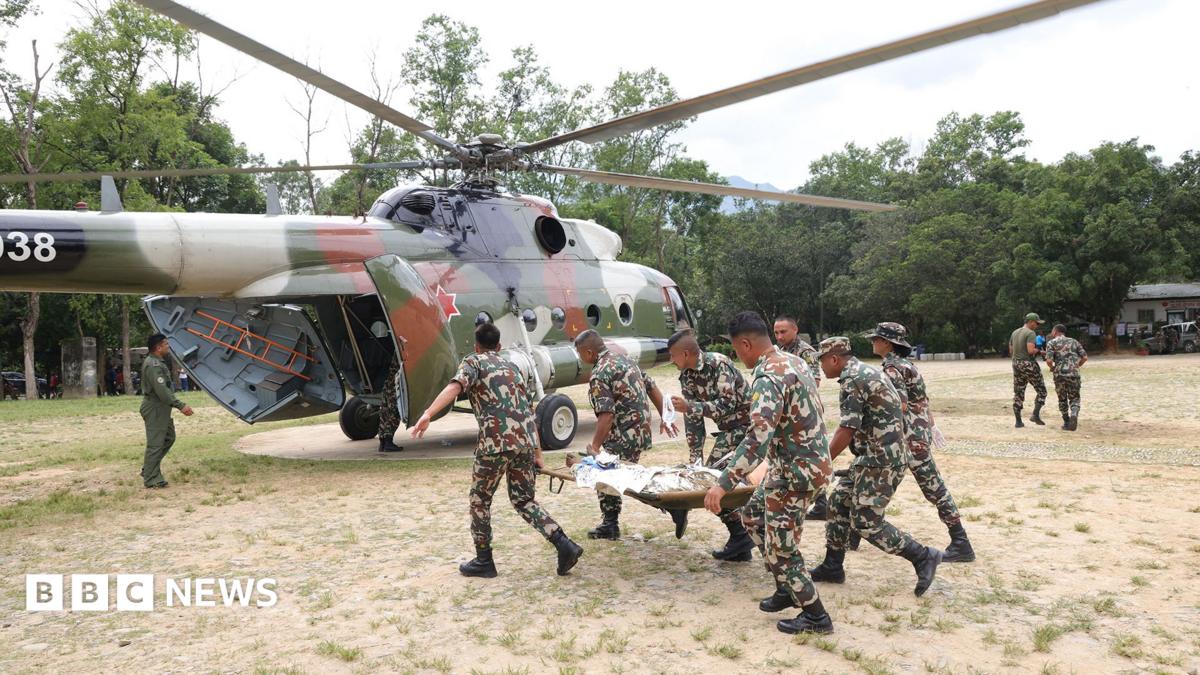
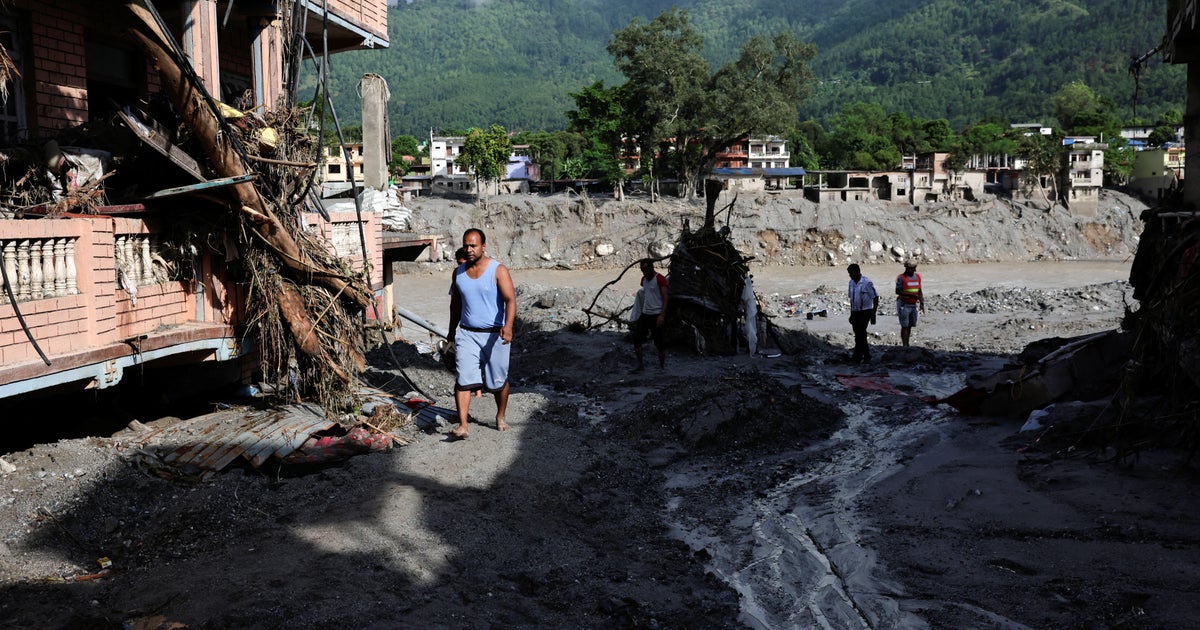
The warnings have come into sharp focus after a catastrophic flash flood triggered by a glacier collapse struck the Nepal-China border region this week, killing hundreds and leaving nearly 1,000 people missing.
asserted
flood → reveal → people
Researchers are investigating whether an ice-rock avalanche from a high-altitude location triggered the disaster.
asserted
avalanche → investigate → disaster
ICIMOD cryosphere specialist Mohd Farooq Azam told news agency PTI that the incident involved the detachment of bedrock from beneath a glacier, with ice and rock cascading down into the valley.
asserted
ice → tell → valley
So, as per current understanding, there is a detachment of the bedrock, which means that the bedrock from below the glacier is detached from its position and came down to the valley that created this disaster,” Azam said.
asserted
Azam → be → disaster
HKH glaciers lost 12% of their area in three decades
asserted
glaciers → lose → decades
The two ICIMOD reports, Changing Dynamics of Glaciers in the Hindu Kush Himalaya Region from 1990 to 2020 and HKH Glacier Outlook 2026: Insights from 50 Years of Himalayan Glacier Monitoring, provide a detailed assessment of glacier change across the region.
asserted
reports → change → region
According to the reports, HKH glaciers lost around 12% of their total area and 9% of their estimated ice reserves between 1990 and 2020.
uncertain
glaciers → accord → 1990
The Hindu Kush Himalaya contains the largest volume of ice outside the polar regions, with more than 63,700 glaciers covering nearly 55,782 square kilometres.
asserted
Himalaya → contain → kilometres
Also read:
Himalayan glaciers shrinking at alarming pace, ice loss doubled in 21st century, says ICIMODThese glaciers feed at least ten major Asian river systems and support food, water, energy and livelihoods for billions of people downstream.
asserted
glaciers → read → people
ICIMOD said around 78% of the glacier area, located between 4,500 and 6,000 metres above sea level, is highly exposed to elevation-dependent warming.
asserted
% → say → warming
“This isn’t a distant problem; it’s a crisis unfolding in real-time, with new disasters every summer and monsoon,” Pema Gyamtsho, director General of ICIMOD, said.
asserted
Gyamtsho → ’ → ICIMOD
“The fact that ice loss rates have doubled this century should shock us all into action,” he added.
asserted
he → double → action
Smaller glaciers face faster losses and rising hazards
The ICIMOD analysis found that the region's smallest glaciers are shrinking more rapidly than others.
asserted
glaciers → face → others
“Between 1990 and 2020, HKH glaciers lost about 12% of their total area, but the losses are most acute for the region’s smallest glaciers—those below 0.5 km²—which are shrinking more rapidly than others,” Sudan Bikash Maharjan, remote sensing analyst at ICIMOD and lead author of the glacier dynamics report, said.
asserted
Maharjan → lose → report
He warned that the trend poses immediate risks of localised water shortages for high mountain communities and intensifies hazards such as glacial lake outburst floods.
asserted
trend → warn → floods
Three-fourths of the region's glaciers fall within this vulnerable size category, according to ICIMOD.
uncertain
fourths → fall → ICIMOD
Flood-hit valley faces risk of secondary flash flood
The immediate situation in Nepal has also highlighted another danger associated with debris and temporary lakes formed after major mountain disasters.
asserted
situation → hit → disasters
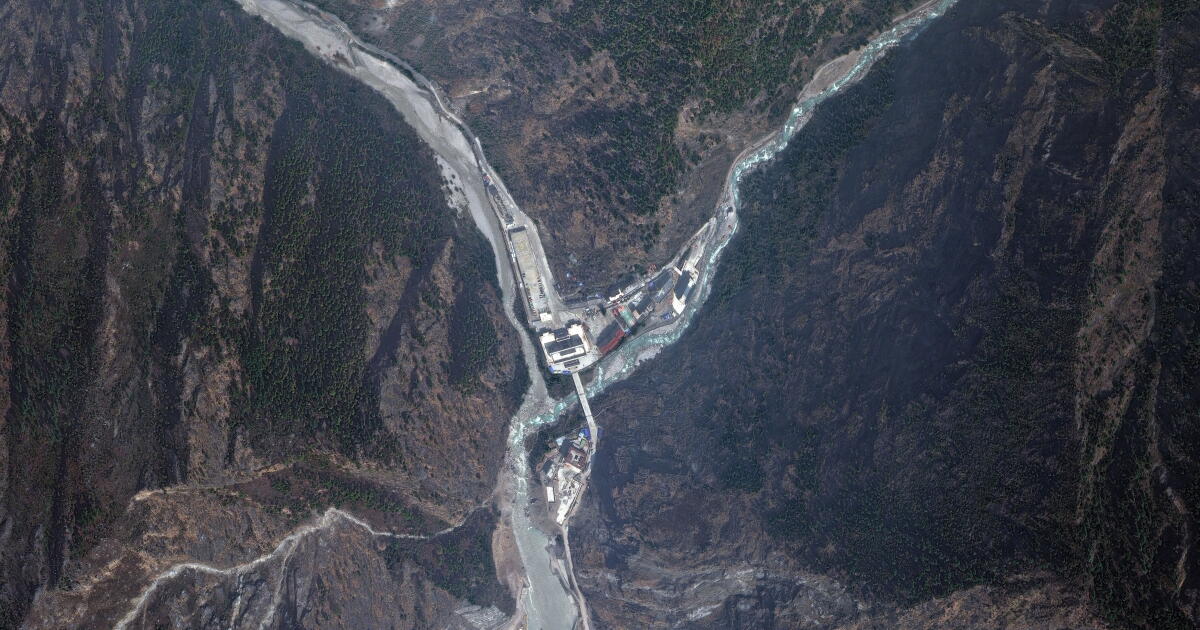
Azam told PTI that debris from the ice-rock avalanche has accumulated at a river confluence, creating a temporary dam.
asserted
debris → tell → dam
Water is continuing to collect behind it, raising concerns about a possible secondary flash flood.
asserted
Water → continue → flood
“This dam is collecting water, and it is expected that over the next three days, there will be more water collected in this temporary pond or lake,” he said.
asserted
he → collect → pond
He added that the lake could also breach gradually without causing a flash flood.
uncertain
lake → add → flood
The lake formed after the landslide began overflowing on Friday, prompting panic in areas already devastated by the floods.
asserted
landslide → form → floods
Its reservoir had held more than 2.5 million cubic metres of water, up from an estimated 1.5 million to 2 million cubic metres a day earlier, before overflowing into the Bhotekoshi River.
asserted
reservoir → hold → River
Also read:
Second flood 'imminent'?
asserted
flood → read → ?
Nepal halts rescue ops as China border lake begins
asserted
lake → halt → ops
overflowingNepal temporarily halted rescue operations, while Chinese rescue personnel and vehicles were moved to safer locations due to concerns over the dammed lake.
asserted
personnel → halt → lake
‘Critical decade’ for Himalayan cryosphere
The HKH Glacier Outlook 2026 synthesised data from 38 monitored glaciers and found that widespread glacier wastage had doubled after 2000.
asserted
wastage → synthesise → 2000
However, ICIMOD also highlighted significant gaps in monitoring.
asserted
ICIMOD → highlight → monitoring
Of the 38 glaciers, only seven meet the global benchmark monitoring standards set by the World Glacier Monitoring Service.
asserted
seven → meet → Service
Major glacierised regions, including the Karakoram, Sikkim, Zanskar and Bhutan, remain largely unmonitored.
“
asserted
regions → include → Karakoram
We are trying to navigate a rapidly changing future with an incomplete map,” Azam said in the ICIMOD report.
asserted
Azam → try → report
“Without expanding our monitoring networks and standardising methodologies, accelerated changes in water flows and cryosphere risks could remain undetected until the impacts are severe.”
uncertain
impacts → expand → flows
The reports identified the eastern Hengduan Shan mountains as the area with the highest percentage of glacier loss, with some areas losing up to 33% of their glacier area in three decades.
asserted
areas → identify → decades
The largest absolute losses, however, were concentrated in the Indus, Ganges and Brahmaputra basins, which contain more than 74% of the region's glaciers.
asserted
which → concentrate → glaciers
Why regional cooperation matters
The Nepal-Tibet disaster has also underlined the cross-border nature of mountain hazards.
asserted
disaster → matter → hazards
Azam said that floods and glacial disasters occurring upstream do not recognise national boundaries.
asserted
floods → say → boundaries
“In this particular case, we see that the disaster happened in the Nepal Himalaya and downstream, it immediately entered into the Tibetan boundary, where it hit the infrastructure there and then again it came down towards Nepal,” he said.
asserted
he → see → Nepal
“This is why we need to have a regional cooperation and data sharing policy to better understand these disasters and perhaps to be ready for such disasters in advance,” Azam added.
asserted
Azam → need → advance
 The Aporia