That is 0 articles you have read today.
The Aporia is free and carries no advertising, so readers are the only
thing paying for it. If you are getting this much out of it, a small
donation is what keeps it independent.
Daily limit reached
You have read 0 articles today.
That is more than the 15 a day The Aporia gives away,
and well past what it can carry on nothing. Your allowance resets at
midnight.
There is no advertising here and nothing about you is sold, so readers
are the only thing paying for it. If the site is worth this much of
your day, it is worth a few dollars.
Everything else stays open: the
maps, the
directory and
search do
not count against this, and neither does re-opening something you have
already read today.
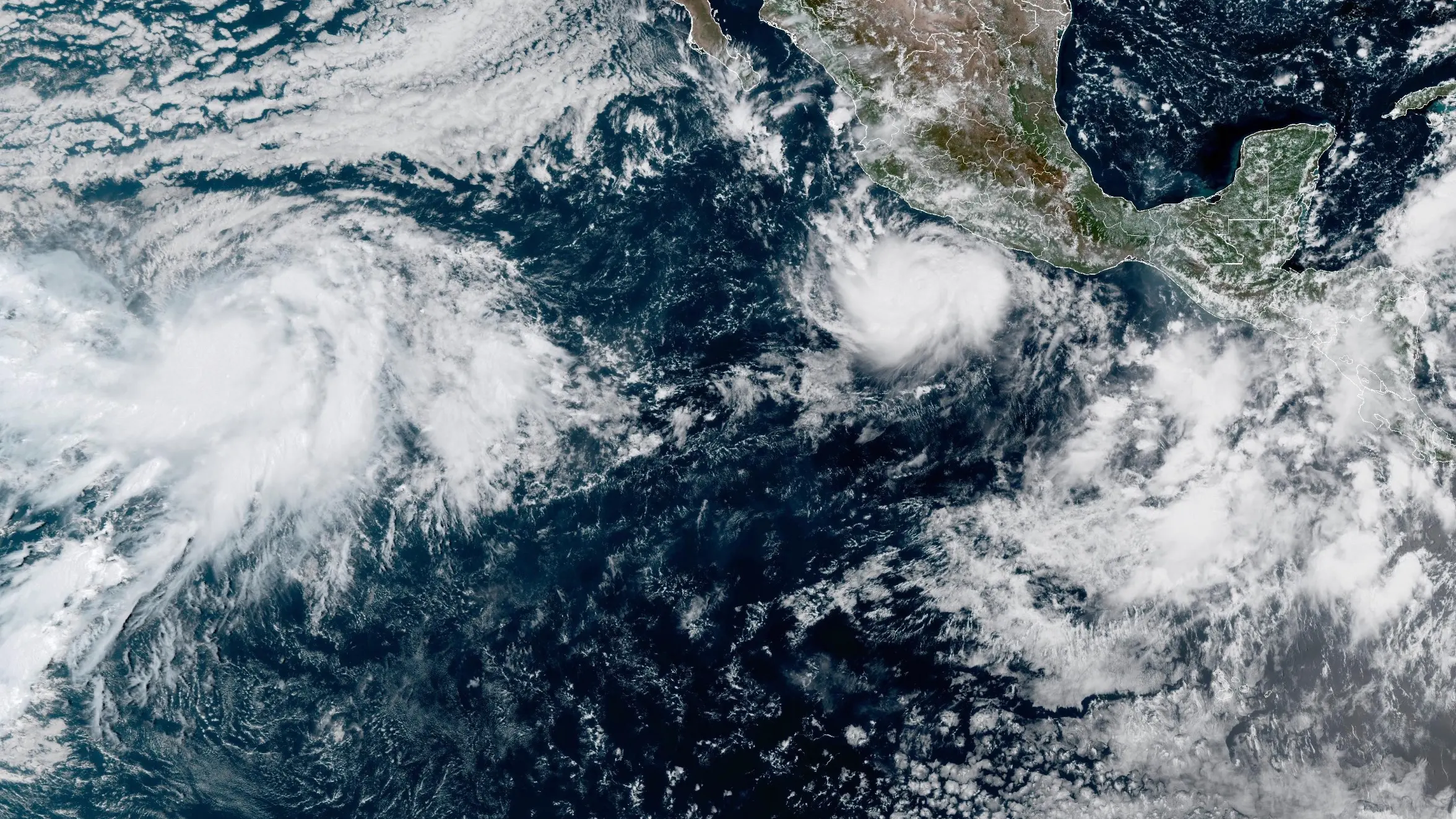
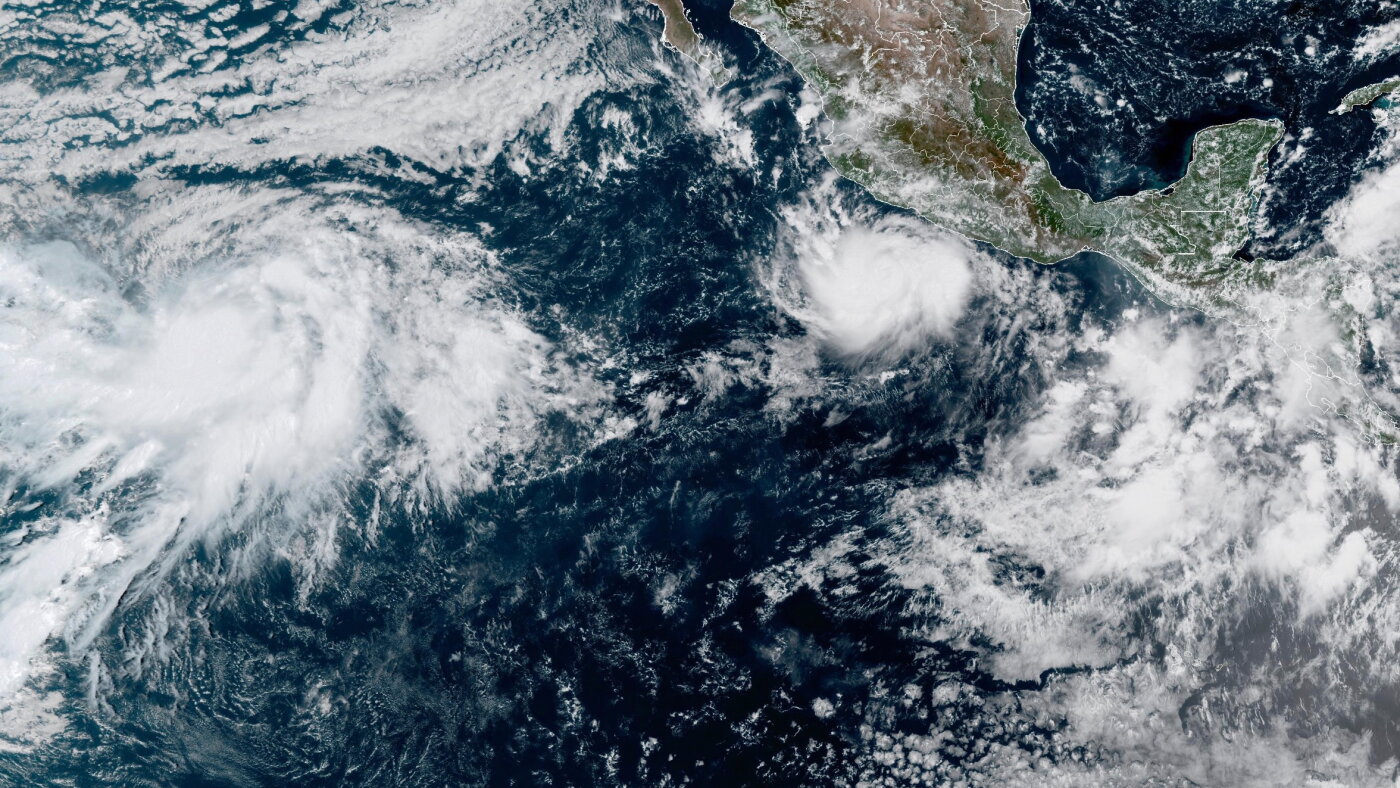
Hurricane Polo intensified into a Category 5 storm in the Pacific, posing “life-threatening” flooding and mudslide risks along parts of Mexico’s western coast through Thursday. While it is unlikely to make landfall in the U.S., meteorologists predict potential heavy rains and localized flooding across the Southwestern United States by mid-next week. AccuWeather's Alexander Duffus warns that although Hurricane Polo will weaken as it moves toward Baja California, areas like Southern Arizona and Utah face higher risks due to recent wet weather conditions.
Written locally by qwen2.5:14b on 2026-09-23,
using this article's own text rather than the other coverage of the
same event (that is the story summary below).
Story summary
Hurricane Polo, rapidly intensifying to a Category 5 storm with maximum sustained winds of 165 mph (265 km/h), became one of the most powerful Pacific cyclones in decades. Centered approximately 346 kilometers south of Zihuatanejo, Mexico, it was expected to skirt the southwestern coast without making landfall but could cause significant flooding and mudslides inland due to heavy rainfall forecasts. The National Hurricane Center warned that coastal states like Guerrero and Michoacán might receive up to 12 inches (30 cm) of rain by Thursday, raising flood risks. Researchers linked Polo's unusual strength to the strong El Niño weather pattern, which has fueled extreme conditions globally this year.
Written for “Hurricane Polo Threats Mexico USA” on 2026-10-05,
grounded in this article and the 28 other(s) covering the same event.
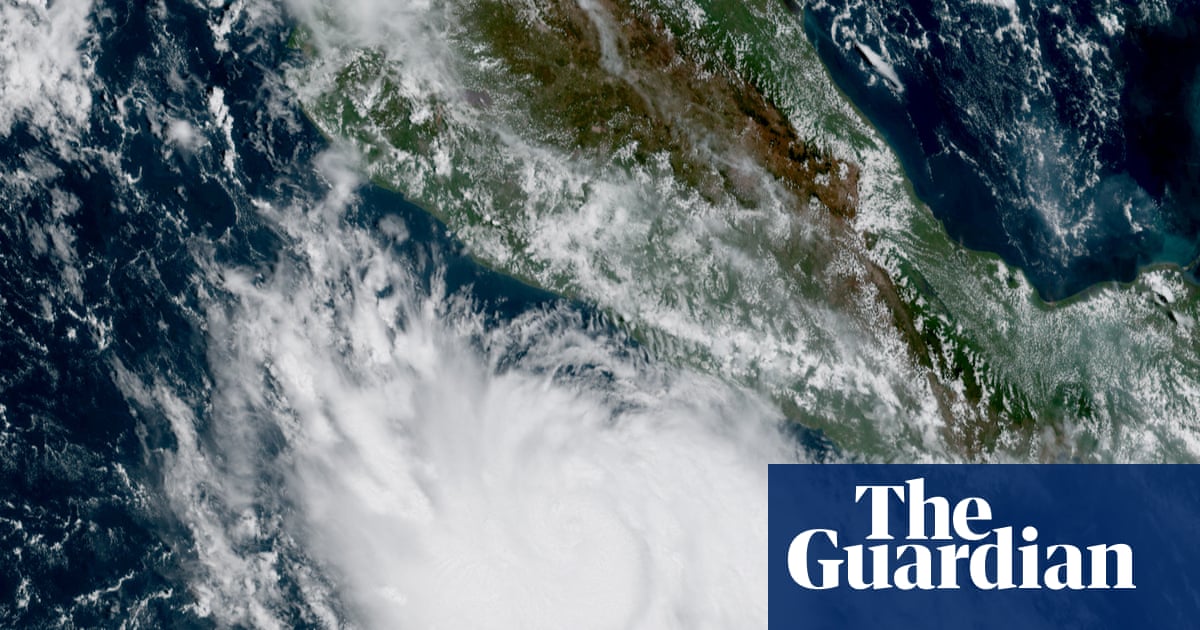
Hurricane Polo has grown into a Category 5 storm in the Pacific, and it could bring downpours to the Southwestern United States by next week.
uncertain
it → grow → week
The “extremely dangerous” storm is expected to move slowly off Mexico's coast over the next couple of days, the National Hurricane Center said in a Tuesday notice.
asserted
Center → expect → notice
Hurricane Polo, with maximum sustained winds of 165 mph, is not expected to make landfall.
asserted
Polo → expect → landfall
But the storm is forecast to bring several inches of rain across parts of Mexico's western coast through Thursday, which could cause “life-threatening” flooding and mudslides, the National Hurricane Center warned.
uncertain
Center → forecast → flooding
While the storm will weaken as it moves closer to the U.S., there’s a possibility of more showers across the Southwest.
asserted
it → weaken → Southwest
“Although we don't expect there to be any direct impacts across the U.S. at this time, there is a possibility of a surge of moisture coming up with this storm as it weakens, and basically that surge of moisture, if it occurs, can be over the Southwest,” AccuWeather Meteorologist Alexander Duffus told The Independent.
asserted
Duffus → expect → Independent
In the next few days, Polo will head northwestward towards the Baja of California.
asserted
Polo → head → California
“As it heads towards the Baja of California, it's going to continue to lose wind intensity as it approaches more wind shear in cooler waters,” Duffus said.
asserted
Duffus → head → waters
By the middle of next week, Americans in the Southwest could see an increase in showers, “and that could lead to downpours and the risk of localized flooding,” Duffus explained.
uncertain
Duffus → see → flooding
Duffus also warned of a potential increase in swells and a chance of rip currents while the storm is off the coast of Southwest California, “but most likely, this is going to fall apart west of the Baja and not be a huge impact in the U.S.”
asserted
this → warn → U.S.
He said that Southern Arizona and Utah have the “biggest risk” of being hit with rain.
asserted
Arizona → say → rain
South-central Arizona was hit with flash floods last week.
asserted
Arizona → hit → floods
Multiple people got their cars stuck in the floodwaters and had to be rescued, including two who were airlifted by the Maricopa County Sheriff’s Office, according to the National Weather Service office in Phoenix.
uncertain
who → get → Phoenix
Utah has already been hit with wet weather from an unrelated storm this week, with showers over the southwest Monday spreading northward by Tuesday afternoon, the National Weather Service office in Salt Lake City predicted.
asserted
office → hit → City
 The Aporia