That is 0 articles you have read today.
The Aporia is free and carries no advertising, so readers are the only
thing paying for it. If you are getting this much out of it, a small
donation is what keeps it independent.
Daily limit reached
You have read 0 articles today.
That is more than the 15 a day The Aporia gives away,
and well past what it can carry on nothing. Your allowance resets at
midnight.
There is no advertising here and nothing about you is sold, so readers
are the only thing paying for it. If the site is worth this much of
your day, it is worth a few dollars.
Everything else stays open: the
maps, the
directory and
search do
not count against this, and neither does re-opening something you have
already read today.
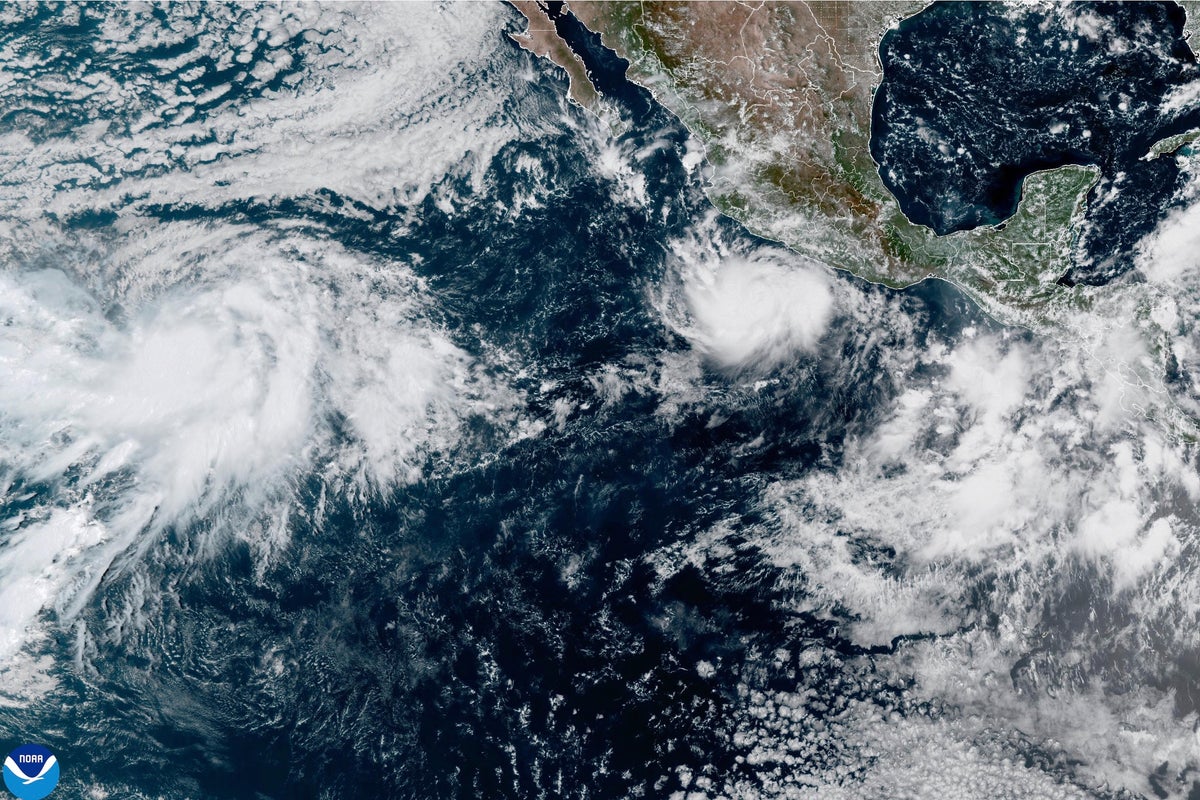
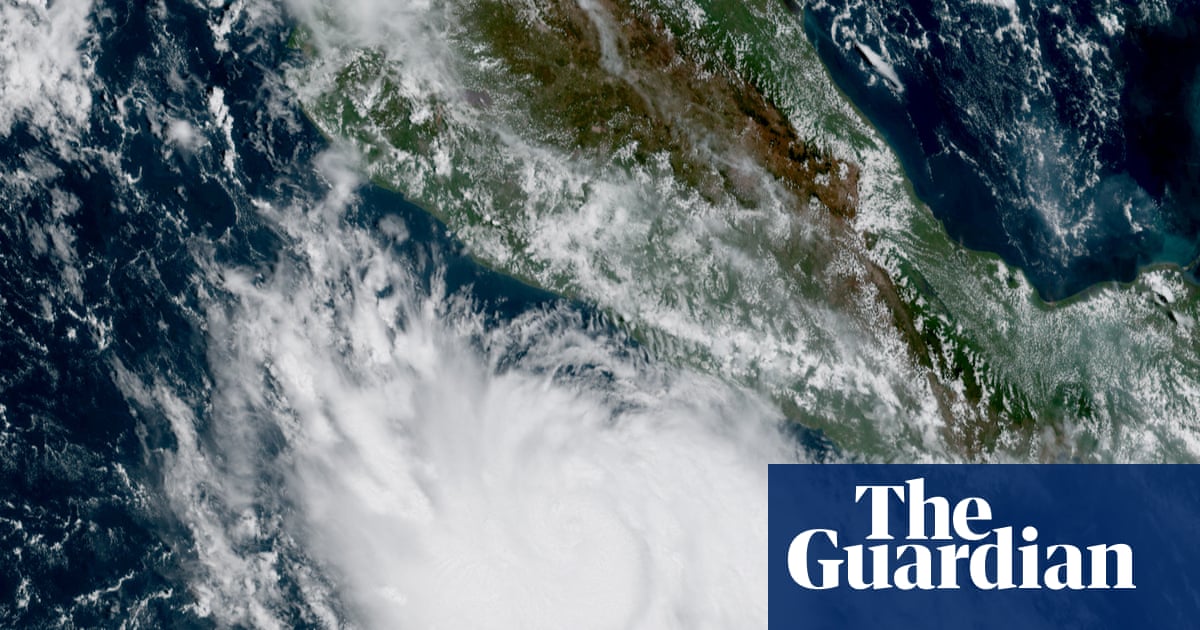
Tropical Storm Polo is forecasted to rapidly intensify into a major hurricane in the Pacific Ocean by late Tuesday or Wednesday, potentially affecting parts of Mexico's Guerrero and Michoacán states with heavy rainfall between 10 to 20 centimeters, possibly up to 30 centimeters in isolated areas. As of Monday, Polo had maximum sustained winds of 105 kph and was located about 410 kilometers south-southeast of Manzanillo, Mexico. Meanwhile, Tropical Storm Odalys west of Mexico is expected to become a hurricane by midweek, while Tropical Storm Fay in the Atlantic Ocean is weakening near the Azores. This year's El Niño conditions are noted for delaying hurricane formation in the Atlantic, with no hurricanes having formed yet setting a record for the latest start to a hurricane season without one forming.
Written locally by qwen2.5:14b on 2026-09-21,
using this article's own text rather than the other coverage of the
same event (that is the story summary below).
Story summary
Hurricane Polo, rapidly intensifying to a Category 5 storm with maximum sustained winds of 165 mph (265 km/h), became one of the most powerful Pacific cyclones in decades. Centered approximately 346 kilometers south of Zihuatanejo, Mexico, it was expected to skirt the southwestern coast without making landfall but could cause significant flooding and mudslides inland due to heavy rainfall forecasts. The National Hurricane Center warned that coastal states like Guerrero and Michoacán might receive up to 12 inches (30 cm) of rain by Thursday, raising flood risks. Researchers linked Polo's unusual strength to the strong El Niño weather pattern, which has fueled extreme conditions globally this year.
Written for “Hurricane Polo Threats Mexico USA” on 2026-10-05,
grounded in this article and the 28 other(s) covering the same event.
Tropical Storm Polo will rapidly intensify in the Pacific Ocean and become a major hurricane later this week, forecasters said Monday.
asserted
forecasters → intensify → Ocean
Polo could bring heavy rain, rough surf and tropical-storm-force wind to parts of Mexico late Tuesday into early Wednesday, according to an advisory from the Miami-based National Hurricane Center.
uncertain
Polo → bring → Center
Meteorologists predicted Monday that Polo would drop 10 to 20 centimeters of rain, with isolated totals near 30 centimeters, across coastal portions of the Mexican states of Guerrero and Michoacán through Thursday.
asserted
Polo → predict → Thursday
Still a tropical storm as of Monday, Polo had maximum sustained winds of 105 kph.
asserted
Polo → have → kph
It was centered about 410 kilometers south-southeast of Manzanillo, Mexico, and 322 kilometers southwest of Zihuatanejo.
asserted
It → center → Zihuatanejo
The system was moving east at eight kph.
asserted
system → move → kph
Farther west in the Pacific Ocean, Tropical Storm Odalys was far from land but expected to become a hurricane by midweek.
asserted
Odalys → expect → midweek
Odalys had maximum sustained winds Monday of 72 kph.
asserted
Odalys → have → kph
It was located just over 2,253 kilometers west-southwest of the southern tip of Mexico’s Baja California peninsula.
asserted
It → locate → peninsula
It was moving northwest at 19 kph.
asserted
It → move → kph
Get daily National news
In the Atlantic Ocean, Tropical Storm Fay was weakening.
asserted
Fay → get → Ocean
No Atlantic hurricanes have formed yet this year, and this year has set a record for the longest a season has begun without a hurricane.
asserted
season → form → hurricane
The effects of this year’s El Nino crush storms before they get going.
asserted
they → go → storms
 The Aporia