That is 0 articles you have read today.
The Aporia is free and carries no advertising, so readers are the only
thing paying for it. If you are getting this much out of it, a small
donation is what keeps it independent.
Daily limit reached
You have read 0 articles today.
That is more than the 15 a day The Aporia gives away,
and well past what it can carry on nothing. Your allowance resets at
midnight.
There is no advertising here and nothing about you is sold, so readers
are the only thing paying for it. If the site is worth this much of
your day, it is worth a few dollars.
Everything else stays open: the
maps, the
directory and
search do
not count against this, and neither does re-opening something you have
already read today.
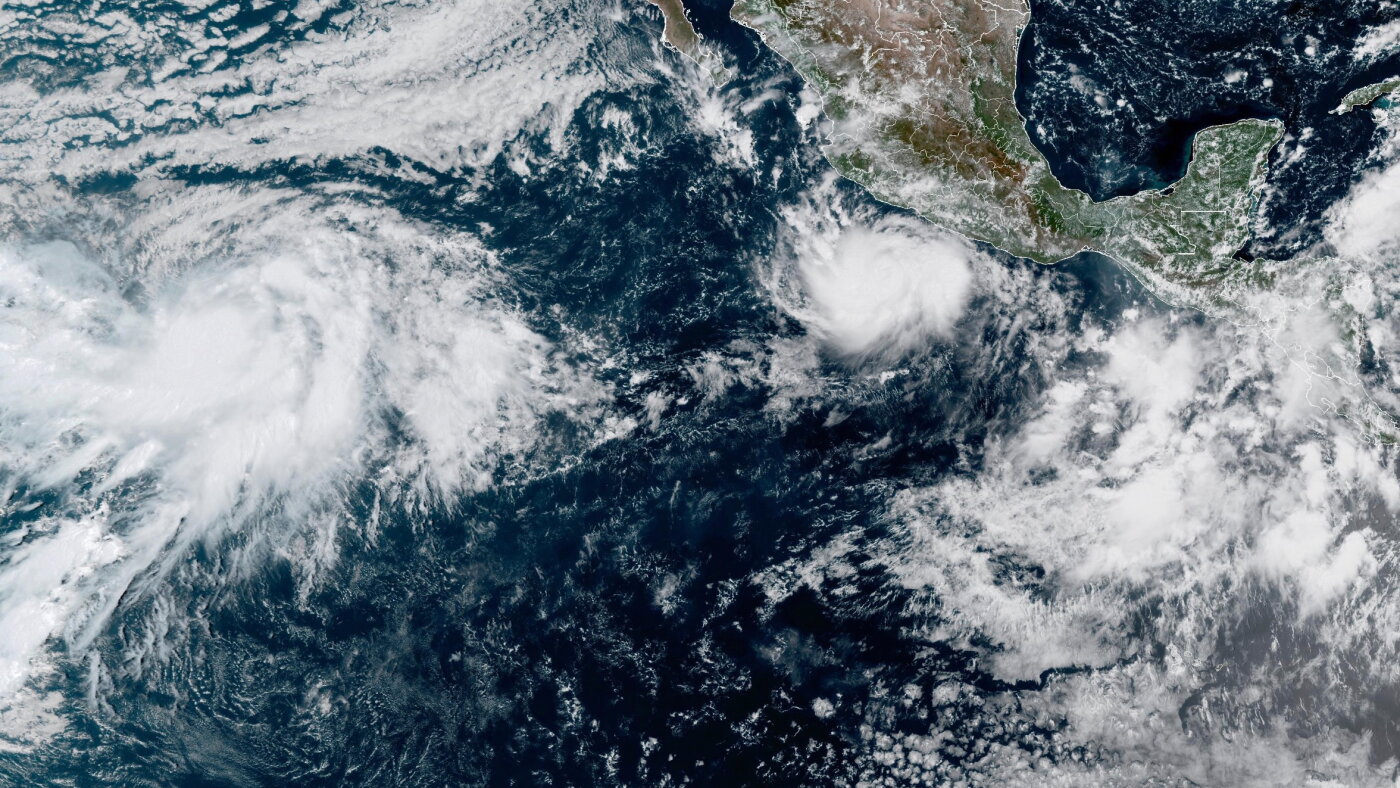
Hurricane Polo has intensified into a Category 5 storm with winds reaching up to 180 mph, making it one of the strongest hurricanes on record in the eastern Pacific. It poses significant threats to Mexico’s southwestern coast, including severe flooding and mudslides due to expected heavy rainfall. Atmospheric scientist Matthew Cappucci describes Polo as having heated the air enough to lift half a trillion pounds of air out, creating extreme conditions. The hurricane is forecasted to remain dangerous for several days, potentially causing further intensification as it continues to feed on warm ocean waters.
Written locally by qwen2.5:14b on 2026-09-23,
using this article's own text rather than the other coverage of the
same event (that is the story summary below).
Story summary
Hurricane Polo, rapidly intensifying to a Category 5 storm with maximum sustained winds of 165 mph (265 km/h), became one of the most powerful Pacific cyclones in decades. Centered approximately 346 kilometers south of Zihuatanejo, Mexico, it was expected to skirt the southwestern coast without making landfall but could cause significant flooding and mudslides inland due to heavy rainfall forecasts. The National Hurricane Center warned that coastal states like Guerrero and Michoacán might receive up to 12 inches (30 cm) of rain by Thursday, raising flood risks. Researchers linked Polo's unusual strength to the strong El Niño weather pattern, which has fueled extreme conditions globally this year.
Written for “Hurricane Polo Threats Mexico USA” on 2026-10-05,
grounded in this article and the 28 other(s) covering the same event.
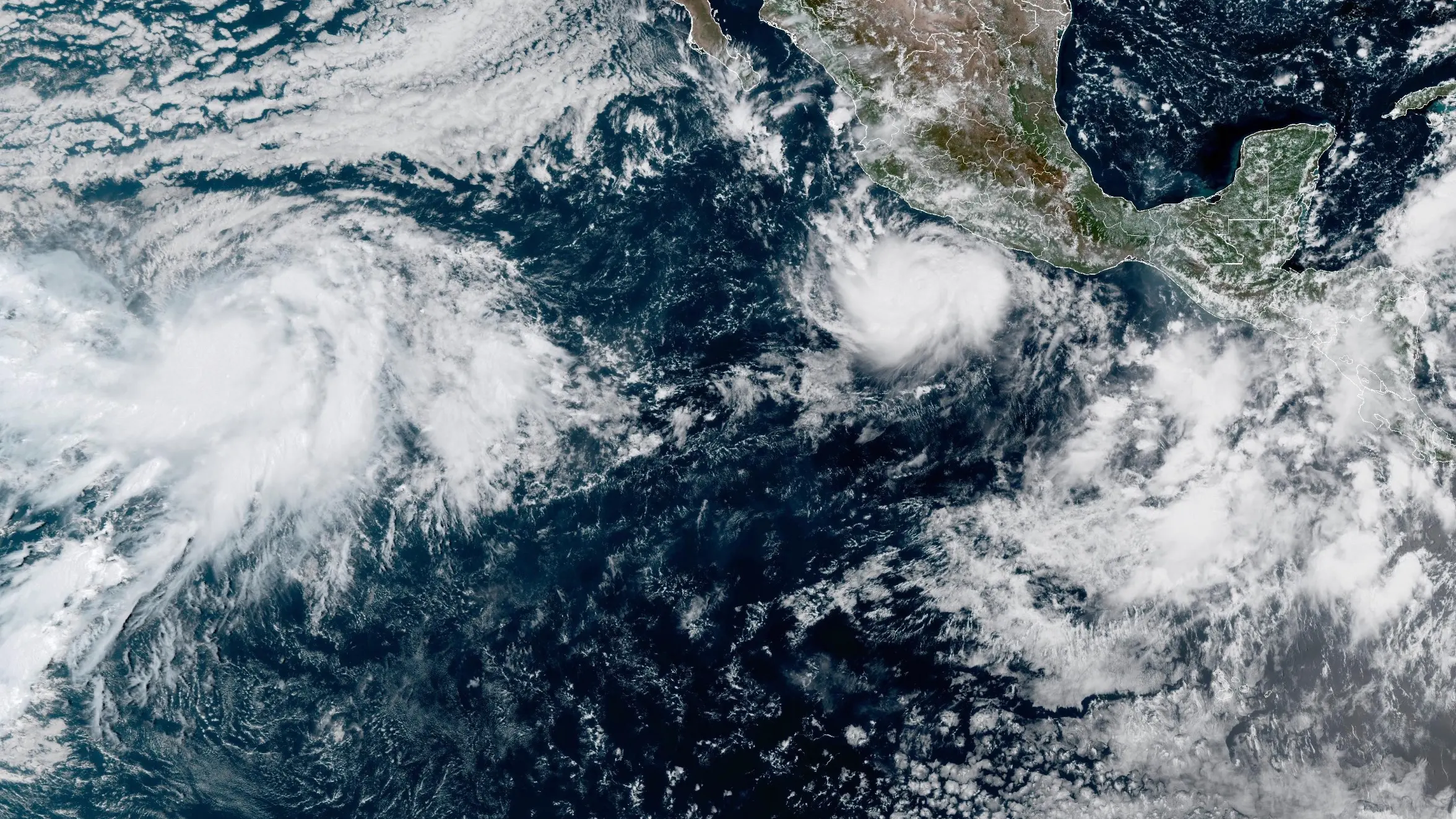
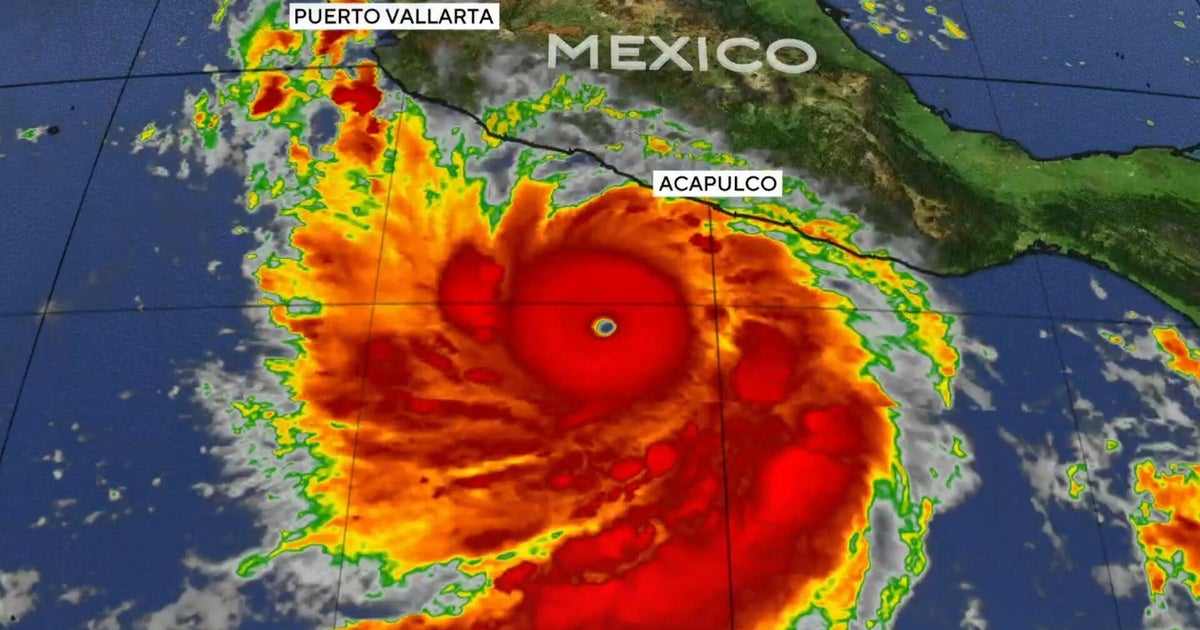
Hurricane Polo has exploded into a monstrous Category 5 storm with 180-mph winds, becoming the second-strongest hurricane ever recorded in the eastern Pacific as it threatens Mexico’s southwestern coast with life-threatening floods and mudslides.
asserted
it → explode → floods
The National Hurricane Center said Polo was still strengthening after rapidly intensifying on Tuesday.
asserted
Polo → say → Tuesday
The storm is expected to remain “extremely dangerous” for the next several days as it tracks northwestward over an ocean environment loaded with extremely warm water, abundant moisture and low wind shear.
asserted
it → expect → water
“Therefore even more strengthening is possible,” the hurricane center warned, raising the prospect of an even more powerful storm as Polo continues feeding on the overheated Pacific.
asserted
Polo → warn → Pacific
Atmospheric scientist Matthew Cappucci offered a jaw-dropping description of the hurricane’s explosive development when he wrote, “INCREDIBLE developments with Superhurricane Polo, which likely now has winds in the 175+ mph range.
asserted
which → offer → range
It has heated the air enough to lift HALF A TRILLION pounds of air out the middle, driving an incredible vacuum effect that’s resulting in obscene winds.”
asserted
that → heat → winds
Mexico is facing the most immediate threat, with Polo expected to drench southwestern coastal areas through Thursday even though the hurricane itself is forecast to remain offshore.
asserted
hurricane → face → Thursday
Forecasters have warned that the rainfall could produce life-threatening flooding and mudslides, particularly in steep terrain, while tropical storm warnings have been issued for portions of southwestern Mexico.
Southern California is expected to escape the worst of Polo, although the massive storm could still stir up trouble along a coastline that has already endured repeated pounding from Pacific weather.
Polo could pull tropical moisture toward the region depending on conditions in the upper atmosphere, according to Bryan Lewis, a National Weather Service meteorologist in Oxnard.
uncertain
Polo → warn → Oxnard
However, Lewis put the chance of rain in Los Angeles County at only 5% on Tuesday afternoon.
asserted
Lewis → put → afternoon
The more immediate concern is what happens when large southern swells meet elevated tides, with Lewis warning that high surf and high tides could coincide Tuesday and create the potential for coastal flooding.
uncertain
surf → happen → flooding
The National Weather Service in Los Angeles already forecasted elevated surf and strong rip currents at beaches this weekend and into next week as multiple southerly swells move toward the coast.
asserted
swells → forecast → coast
“After almost an entire summer of southern swell after southern swell, there could be some issues for those vulnerable coastlines,” Lewis told The Los Angeles Times.
uncertain
Lewis → tell → Times
That warning comes after Laguna Beach, Dana Point and Carlsbad declared local emergencies this year amid coastal erosion and sand loss linked to powerful Pacific storms and high surf.
asserted
Beach → come → storms
Polo is the 16th named storm of the eastern Pacific season and the third Category 5 hurricane following Genevieve and Lowell, tying 2026 with 1994, 2002 and 2018 for the most Category 5 storms ever recorded in a single eastern Pacific season.
asserted
Polo → name → season
California is also preparing for the winter weather ahead, with Gov. Gavin Newsom having declared a statewide emergency as El Nino is predicted to be the strongest in at least a generation and concerns grow over high surf and high-impact storms.
asserted
concerns → prepare → surf
 The Aporia