The Aporia
The Aporia
The Aporia

Llewelyn, A. (2026, August 27). Government expects Meta’s new protections for teenagers in US to apply in UK. Evening Standard. https://www.standard.co.uk/news/politics/pat-mcfadden-meta-uk-government-government-instagram-b1294806.html
Llewelyn, Abbie. “Government expects Meta’s new protections for teenagers in US to apply in UK.” Evening Standard, 27 Aug. 2026, https://www.standard.co.uk/news/politics/pat-mcfadden-meta-uk-government-government-instagram-b1294806.html.
Llewelyn, Abbie. “Government expects Meta’s new protections for teenagers in US to apply in UK.” Evening Standard, August 27, 2026. https://www.standard.co.uk/news/politics/pat-mcfadden-meta-uk-government-government-instagram-b1294806.html.
Dated when The Aporia collected the article, usually within hours of publication. Check the original for its exact date and byline.
Meta, the parent company of Facebook and Instagram, has agreed to pay up to $18 billion as part of a settlement with 47 US states over allegations that its social media platforms have contributed to teen addiction. The deal, which still needs court approval, would be the largest legal action against the tech giant and marks a significant shift in Meta's approach to child safety on its platforms.
As part of the agreement, Meta has promised to make changes to its apps, including imposing two-hour time limits for teens, stopping notifications during school hours, removing "like" counts and cosmetic filters, and limiting teen usage between midnight and 6 a.m. The company will also expand parental controls aimed at harmful content.
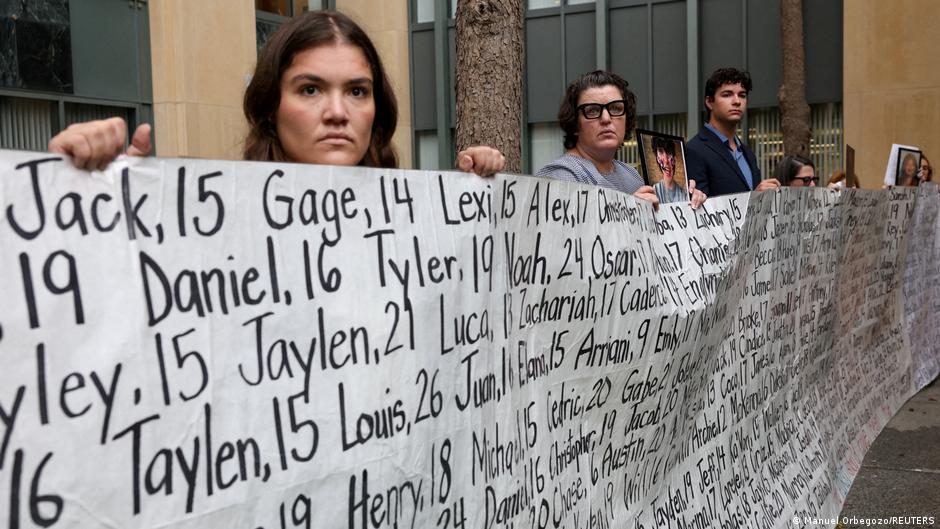
The settlement comes as part of a growing trend in which governments are taking action to address concerns about social media's impact on children's mental health. California Attorney General Rob Bonta has praised the agreement, saying it "will put an end to these dangerous practices and deliver meaningful relief that will protect children from online harm."
In related news, Brazil has implemented strict regulations on social media companies to protect children's data and prevent the sale of their information without parental consent. This regulatory solution is being cited as a potential model for other countries, including the US.
The settlement with Meta is seen as a significant step forward in addressing concerns about teen addiction and child safety online. However, critics argue that more needs to be done to hold social media companies accountable for their role in promoting addictive features and collecting data on children without parental consent.