That is 0 articles you have read today.
The Aporia is free and carries no advertising, so readers are the only
thing paying for it. If you are getting this much out of it, a small
donation is what keeps it independent.
Daily limit reached
You have read 0 articles today.
That is more than the 15 a day The Aporia gives away,
and well past what it can carry on nothing. Your allowance resets at
midnight.
There is no advertising here and nothing about you is sold, so readers
are the only thing paying for it. If the site is worth this much of
your day, it is worth a few dollars.
Everything else stays open: the
maps, the
directory and
search do
not count against this, and neither does re-opening something you have
already read today.
Politicians and business leaders are reacting to Prime Minister Mark Carney's introduction of the Building Canada Strong Act, which aims to streamline project approvals and update labor laws. Statements highlight both support for economic growth and job creation, such as those by Trade Minister Dominic LeBlanc and Transport Minister Steven MacKinnon, and concerns about potential deregulation and worker rights, as expressed by Bloc Québécois Leader Yves-François Blanchet and Green Party Leader Elizabeth May.
Written locally by qwen2.5:14b on 2026-09-22,
using this article's own text rather than the other coverage of the
same event (that is the story summary below).
Story summary
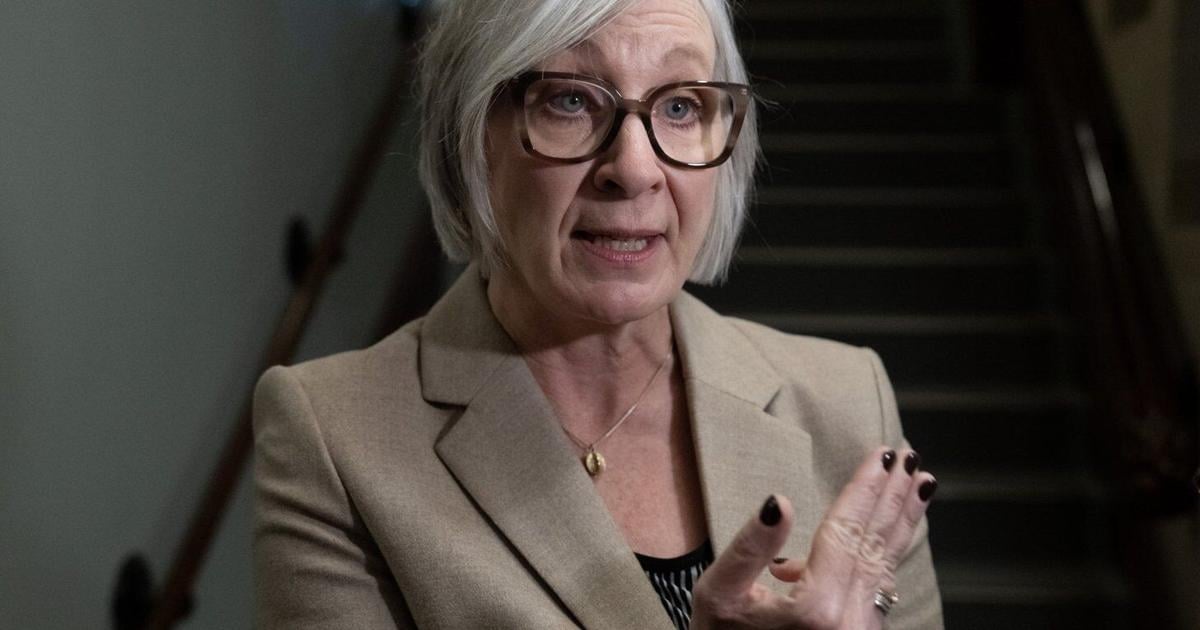
Patty Hajdu, Canada’s Jobs Minister, stated that the federal government will not interfere with workers’ right to strike despite considering legal changes to improve labour relations. The minister emphasized that upcoming legislation aims to reduce the number of times the government has to intervene in strikes under Section 107 of the Canada Labour Code. This section allows Ottawa to refer disputes to the Canada Industrial Relations Board, a measure employers and unions have differing views on. While most employers advocate for greater federal power to intervene during labour disruptions that could harm national interests, unions argue against any measures that might compromise their right to strike. Hajdu added that government intervention is a last resort and encouraged parties to resolve issues themselves at the negotiating table. The proposed amendments include introducing a special mediator role who will document arguments in acrimonious negotiations and publish reports identifying sticking points.
Written for “Canada Labour Law Changes” on 2026-10-05,
grounded in this article and the 23 other(s) covering the same event.
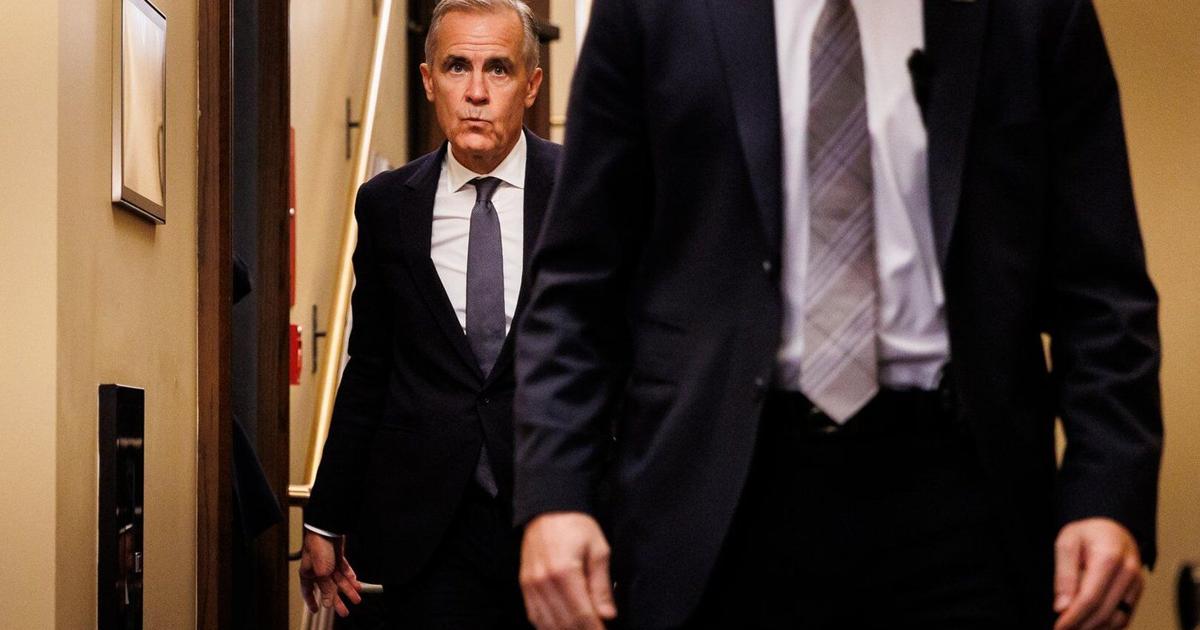
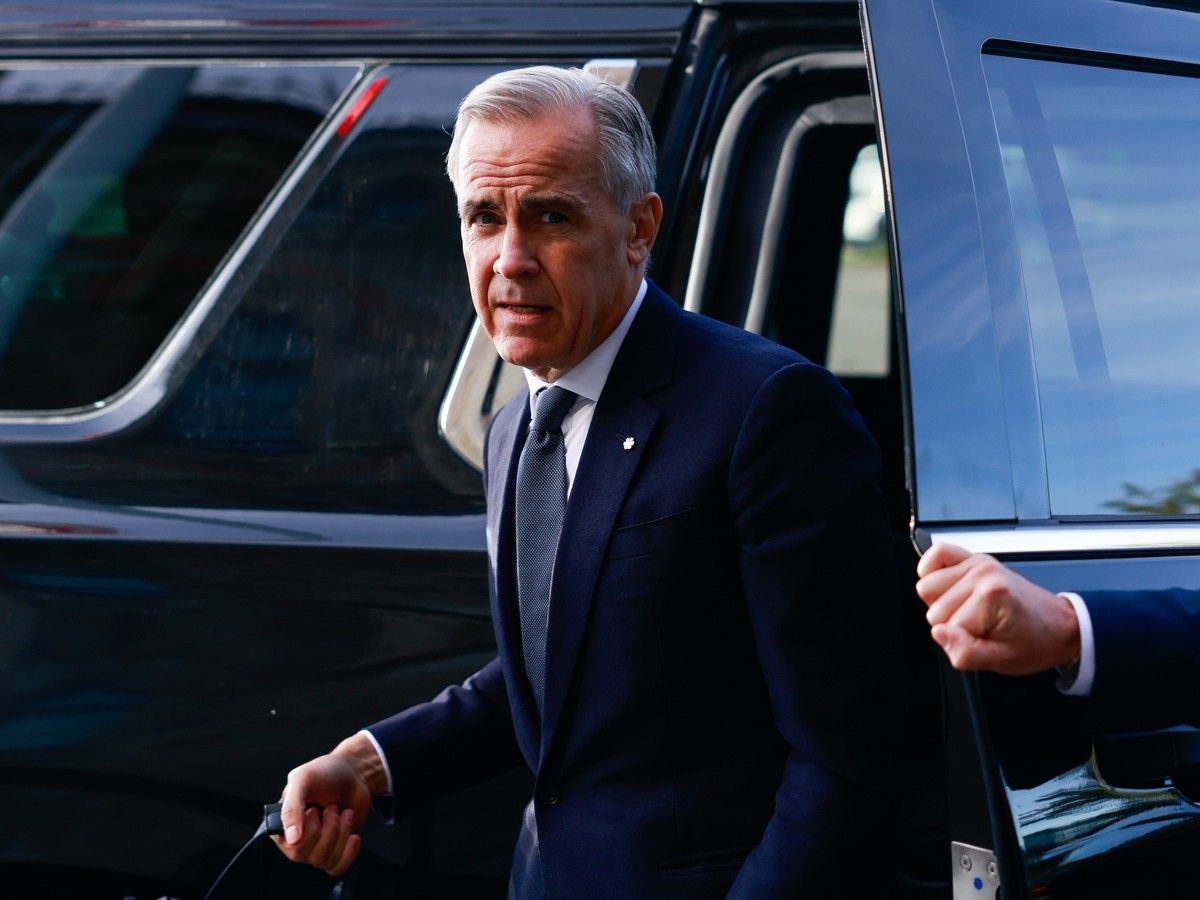
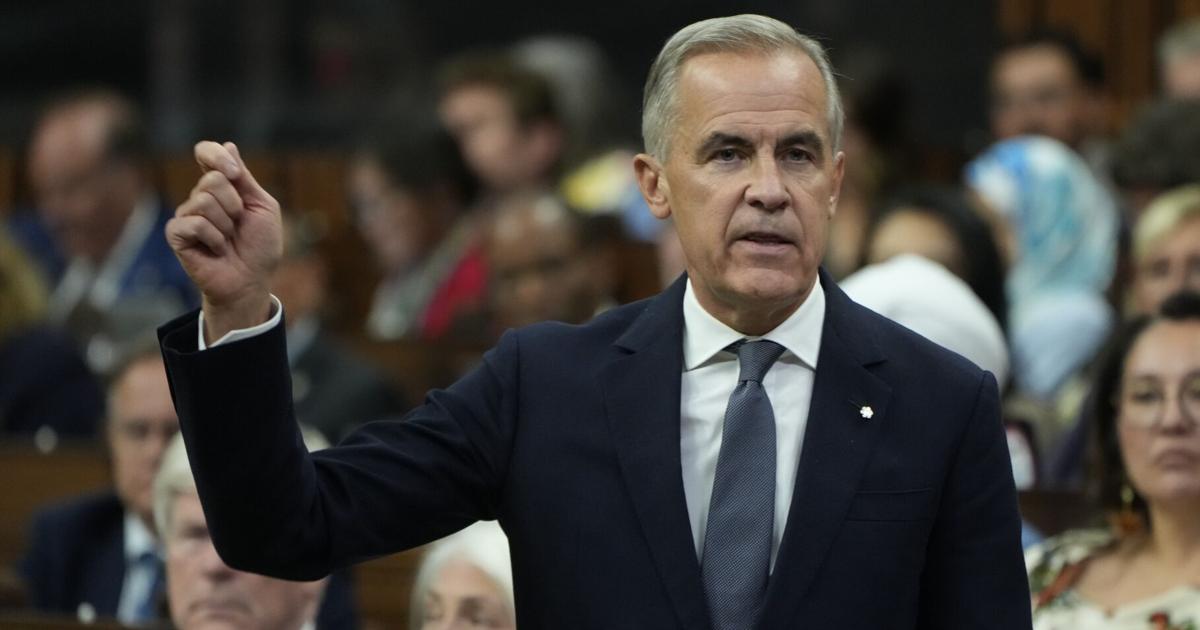
OTTAWA - Prime Minister Mark Carney’s government tabled a bill Monday to fast-track approvals for major projects and update the Canada Labour Code.
asserted
government → table → Code
Here’s what politicians and others are saying about the new legislation:
—
“A stronger Canada means more projects getting built, more good Canadian jobs, stronger supply chains and more opportunities to trade with the world.
asserted
Canada → ’ → world
With the Building Canada Strong Act, we are making that happen.
asserted
that → make → Act
Let’s get Canada building.
asserted
Canada → let → ?
— Canada-U.S. Trade Minister Dominic LeBlanc
—
“This legislation will give our country the tools we need to build more, better and more efficiently.
asserted
we → give → tools
We know the challenge before us.
asserted
We → know → us
We cannot control decisions made by other countries, but we can control how we are prepared here at home.
asserted
we → control → home
To do that, we need the right infrastructure.”
asserted
we → do → infrastructure
— Transport Minister Steven MacKinnon
—
“A stronger Canada for all requires major projects and infrastructure investments, a strong Labour Code that fosters and protects healthy workplaces and employer-union relationships is the foundation of Build Canada Strong.
asserted
that → require → Canada
Our goals are simple: it’s to strengthen the framework, support the responsibility to negotiate in good faith that the parties themselves have, and to protect workers’ rights, including their constitutional right to strike.”
asserted
parties → ’ → right
— Jobs and Families Minister Patty Hajdu
—
“The business community has repeatedly backed proposals for additional dispute-resolution tools, including special mediation, alongside a continued ability for government to act when bargaining has failed and the wider economy is at risk.
asserted
economy → back → risk
Those proposals reflect concerns raised across our network about the relationship between labour stability, business confidence, and economic opportunity.”
asserted
proposals → reflect → stability
— Pascal Chan, vice president of strategic policy and supply chains for the Canadian Chamber of Commerce
—
“I fear that it is one more token placed on the table in order to attract huge foreign businesses in Canada, telling them that there will be no more environmental regulations, much less work regulations, and that things will be easy.
asserted
things → fear → them
We even promise to you that within one year the table is clear.
asserted
table → promise → year
— Bloc Québécois Leader Yves-François Blanchet
—
“New Democrats know that to truly build Canada strong, we need a healthy and respected working class.
asserted
we → know → class
It’s workers who build this country and keep it moving.
asserted
who → ’ → it
Why are Liberals intervening for wealthy investors instead of standing with workers who want fair and safe workplaces?”
— NDP MP Don Davies
—
“I don’t like the degree to which government is already interfering in collective bargaining.
asserted
government → intervene → bargaining
So I don’t think that demolishing our legal regime around collective bargaining to disadvantage the trade union movement is in the interests of Canada’s economy.”
asserted
demolishing → think → economy
This report by The Canadian Press was first published Sept. 21, 2026.
asserted
report → publish → Press
 The Aporia