The federal government plans to bar assisted death for people suffering from mental illness alone while allowing advance requests from those who could be robbed of their ability to consent — a change expected to create inconsistencies in how MAID is administered across the country.
uncertain
MAID → plan → country
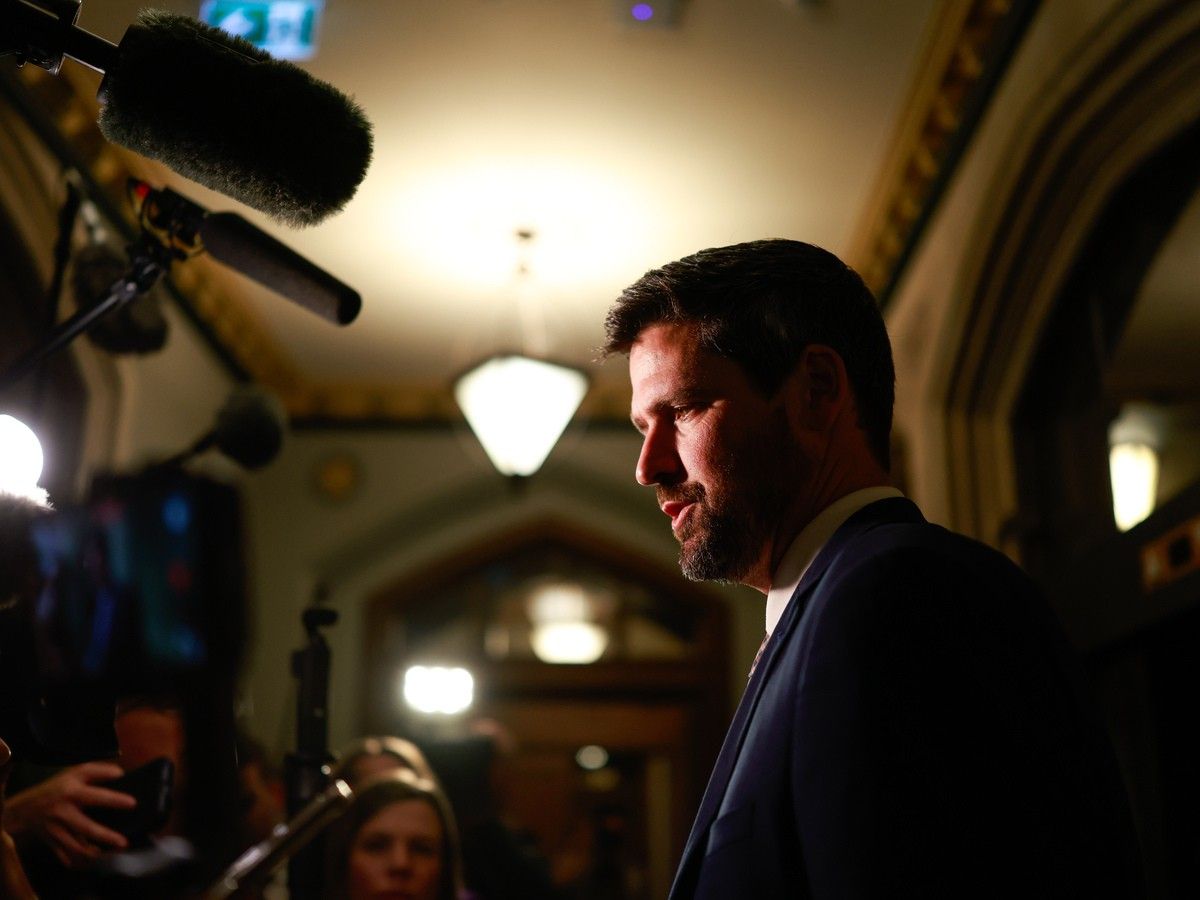
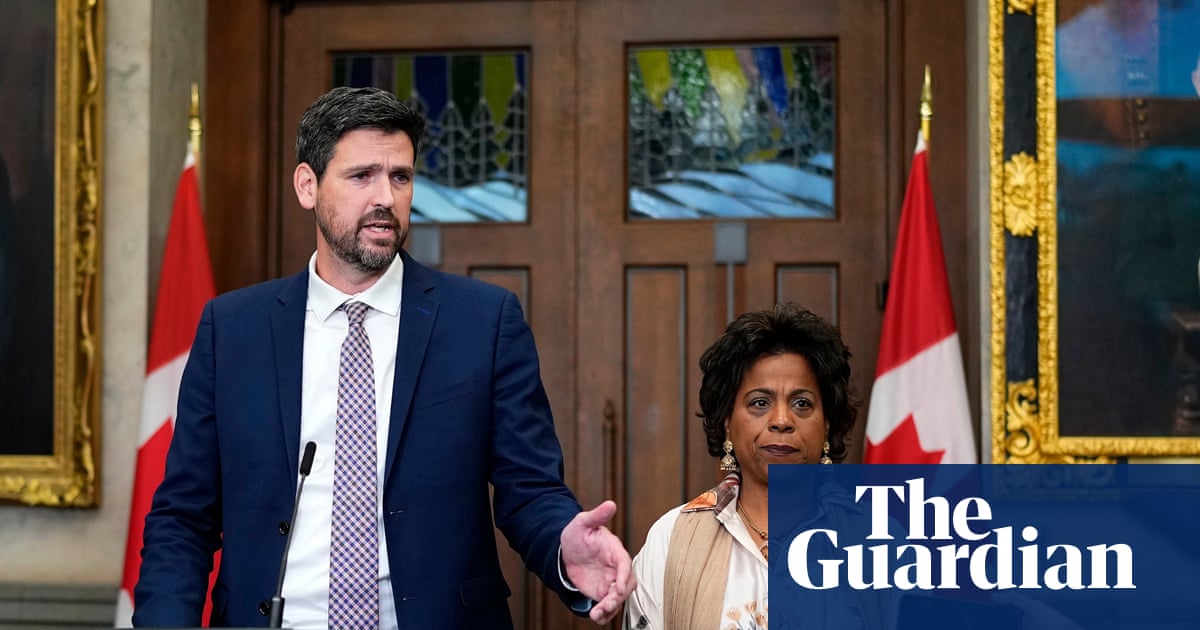
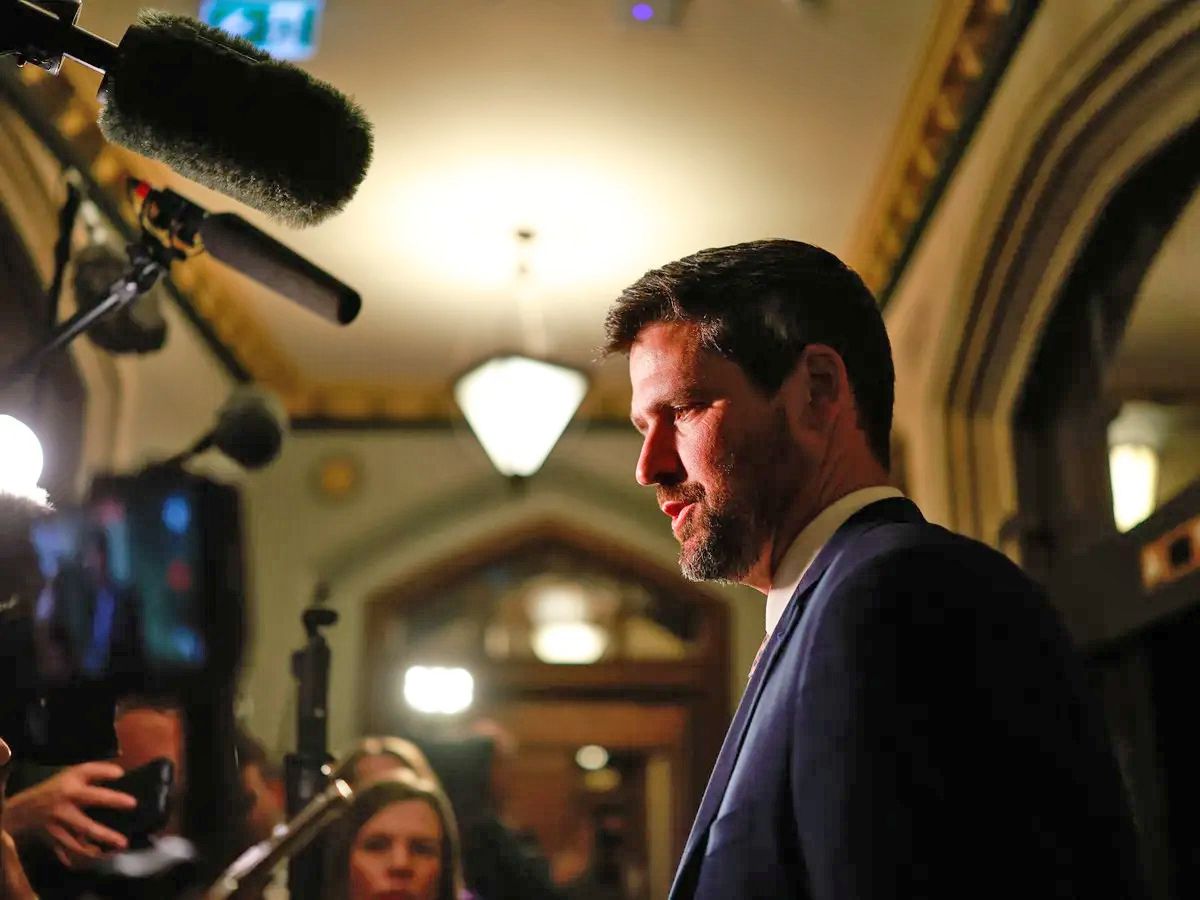
Justice Minister Sean Fraser announced Wednesday that he will table legislation this fall to amend the Criminal Code by removing a clause that would allow patients whose only underlying medical condition is mental illness to access MAID on March 17, 2027.
asserted
condition → announce → March
The bill will also include a pathway to allow those with incurable and intolerable illnesses to request assistance in dying in advance, before they lose the capacity to consent to the procedure.
asserted
they → include → procedure
“These are not easy decisions, but we believe that they are the correct ones,” said Fraser, who at one point in his announcement grew emotional as he recounted the experience of a friend diagnosed with early-onset Alzheimer’s.
asserted
he → believe → Alzheimer
But folding both changes into one bill is “baffling,” said Jocelyn Downie, an end-of-life law expert at Dalhousie University.
asserted
Downie → fold → University
“Why did they tie the two together in this way?
asserted
they → tie → way
It seems just sort of base politics, I guess, which is troubling.
asserted
which → seem → ?
I don’t think issues like this should be done that way.
asserted
issues → think → this
It’s very unclear what they plan to do,” Downie told the Star.
uncertain
Downie → ’ → Star
“You have the oddity of the deadline for mental illness putting pressure on the progress of advance requests,” she added.
asserted
she → have → requests
The committee made up of MPs and senators released a report that contained a singular recommendation about the expansion, which was set to come
asserted
which → make → expansion
The committee made up of MPs and senators released a report that contained a singular recommendation about the expansion, which was set to come
Fraser said Wednesday that while it will be up to provinces to decide whether they want to go forward with advance requests, the federal government will decriminalize the practice for physicians who choose to do so.
asserted
who → make → physicians
“We don’t have the jurisdiction to create these services in the different provinces.
asserted
We → have → provinces
We only have the jurisdiction to determine when a particular set of behaviours will be treated as criminal under Canada’s federal laws,” Fraser said.
asserted
Fraser → have → laws
Downie said that process creates “a patchwork across the country” where some patients will have easy access to advance requests and others won’t depending on the whims of their province or territory.
asserted
others → say → province
Alberta has prohibited such requests, while Quebec has permitted it for those with serious, incurable illnesses; those patients must specify in advance the symptoms they must be experiencing to trigger the process later, with medical professionals ensuring specific criteria are met before complying with the request.
asserted
criteria → prohibit → request
Fraser’s decision comes nearly four months after a parliamentary committee urged the federal government to amend the Criminal Code to “indefinitely exclude” people whose only condition is mental illness from receiving an assisted death.
asserted
condition → come → death
The recommendation was based on a lack of consensus around how to determine if a mental health condition is truly irremediable, whether MAID requests differ from suicidality, and warnings that extending the practice in this way could lead to preventable deaths.
uncertain
extending → base → deaths
The committee’s review came after the Trudeau government passed legislation in 2021 following a Quebec Superior Court ruling that found Canada’s existing MAID criteria — which limited eligibility to people whose deaths were “reasonably foreseeable” — were restrictive and unconstitutional.
asserted
deaths → come → people
Canada is not yet ready to expand eligibility for medically assisted death to people whose only condition is a mental illness, says federal
Canada is not yet ready to expand eligibility for medically assisted death to people whose only condition is a mental illness, says federal
The law expanded access to the practice, but also included a sunset clause delaying access to MAID for those with mental illnesses, in part to buy both Ottawa and the medical community time to develop appropriate safeguards.
“The pause was to allow the system to be ready, and the government has poured tens of millions of dollars into that system readiness, and is now reversing a decision that Parliament has already made without, really, new evidence or compelling arguments,” said Independent Sen. Kristopher Wells, a member of the committee.
asserted
Wells → expand → committee
Wells and several other senators disagreed with the committee’s June recommendation, writing in a dissenting opinion that they believed its study was “flawed”, lacked credibility, and biased in favour of witnesses that opposed opening up the practice to those with only mental illnesses.
asserted
that → disagree → illnesses
Wells commended Fraser on Wednesday for spending the summer hearing from witnesses himself after the committee concerns came to light, and said that while he supported the coming measures on advance requests, he was “very disappointed” in the minister’s decision on the mental health expansion.
asserted
he → commend → expansion
The senator also said it’s now incumbent on the Liberals to renew expiring federal mental health funding to provinces, with Health Minister Marjorie Michel stating Wednesday those conversations were still ongoing.
asserted
conversations → say → provinces
Committee co-chair Marcus Powlowski, a Liberal MP and physician who has openly opposed MAID expansion, told reporters Wednesday he was against advance requests.
asserted
he → oppose → requests
“What happens then when I’m 80 and I’m pleasantly demented?
asserted
I → happen → ?
I’m enjoying my life, I like watching hockey games, and then what are they going to do?
asserted
they → enjoy → what
Pull me into some back room, strap me down as I’m yelling and screaming, and inject me with drugs and kill me?” Powlowski said.
asserted
Powlowski → pull → me
Fraser’s dual announcement drew mixed reaction from advocacy groups, with Dying With Dignity Canada calling the continued exclusion of people with mental illness “discriminatory,” while Inclusion Canada welcomed that decision but opposed the move to allow advance requests.
asserted
Canada → draw → requests
Claire Elyse Brosseau, who has suffered from severe mental health conditions for decades, said “Canada is not a country that can tout equal rights or bodily autonomy.”
“Do you think they ever could do this for cancer patients?
uncertain
they → suffer → patients
They’re doing it because we’re psychiatric patients and our opinion is not to be relied upon, our own experience of 35 years of suffering,” said Brosseau, who is currently part of a Charter challenge alongside Dying With Dignity.
asserted
who → do → Dignity
The federal Conservatives also slammed the Liberals on Wednesday, the day MPs voted on a private member’s bill from a Tory MP seeking to immediately amend the Criminal Code to ensure mental disorders are not considered an irremediable medical condition.
asserted
disorders → slam → Code
Conservative MP Tamara Jansen accused Fraser of announcing a “phantom” bill that did not yet exist, while Conservative MP Andrew Lawton said the minister was “playing politics, introducing division, and actually gambling, to be frank, with people’s lives, knowing that the (mental health) implementation date is coming.”
asserted
date → accuse → lives
The vote was defeated, with Liberal MPs Kent MacDonald and Marilyn Gladu voting with the Conservatives, and Liberal MP Emmanuella Lambropoulos abstaining.
asserted
Lambropoulos → defeat → Conservatives
 The Aporia