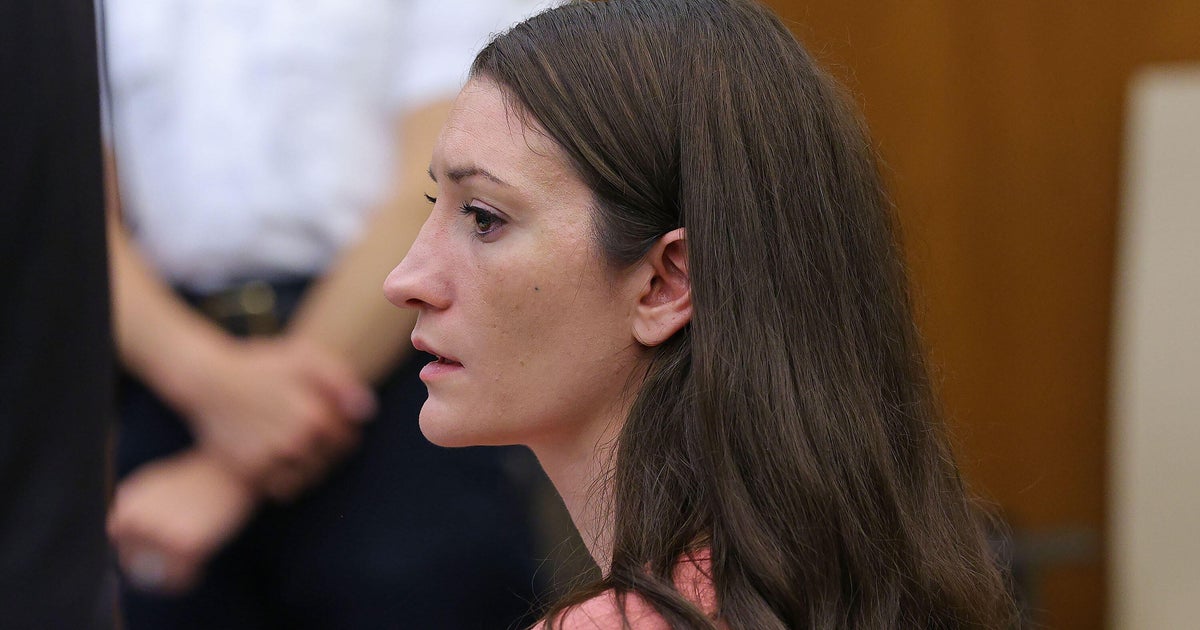
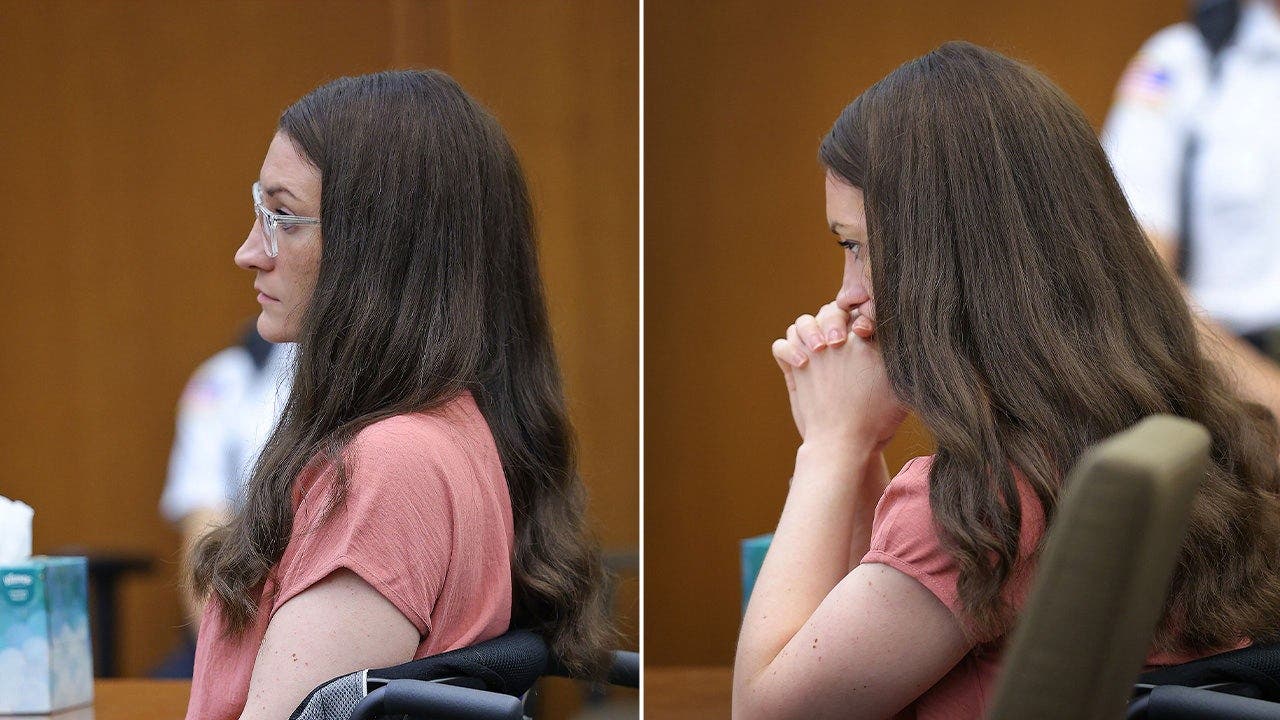
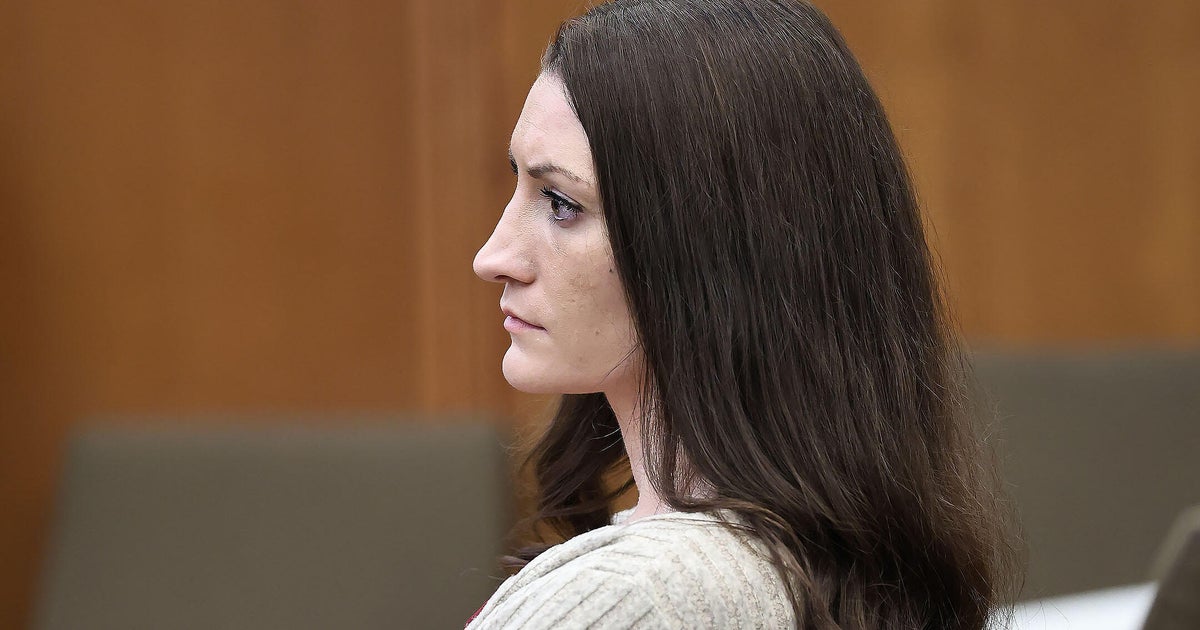
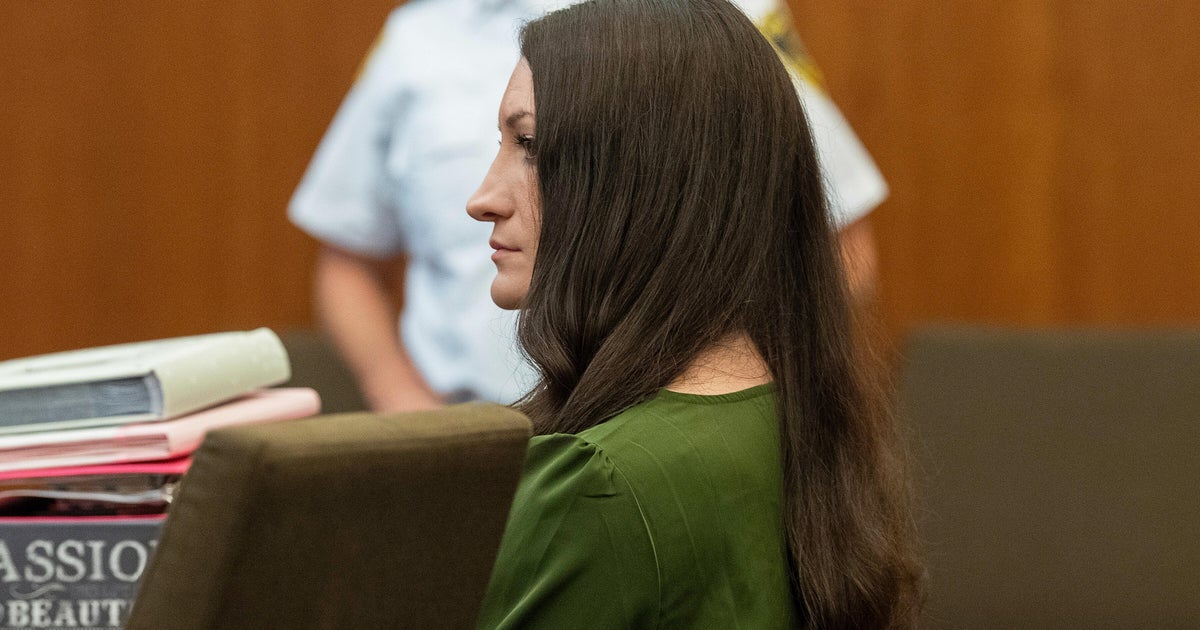
The
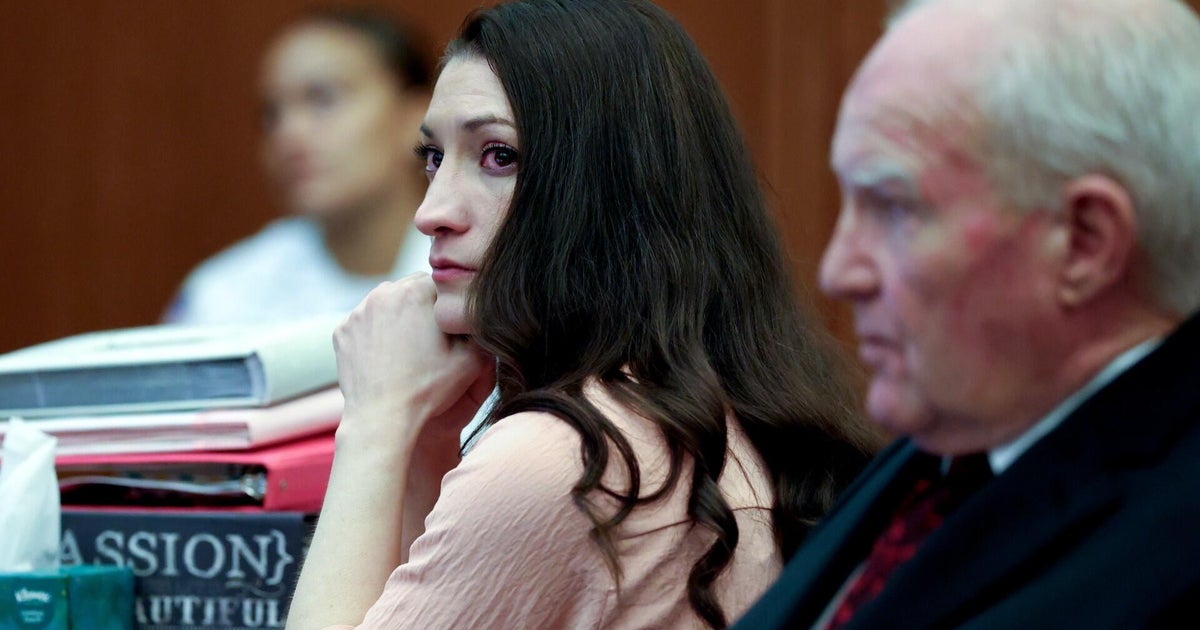
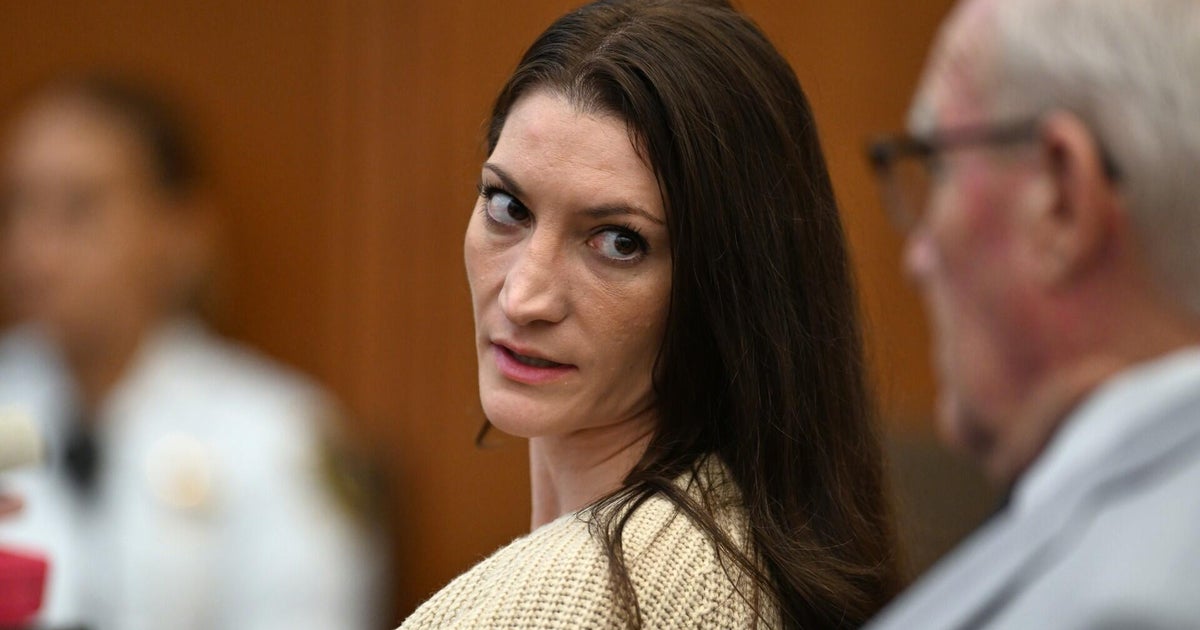
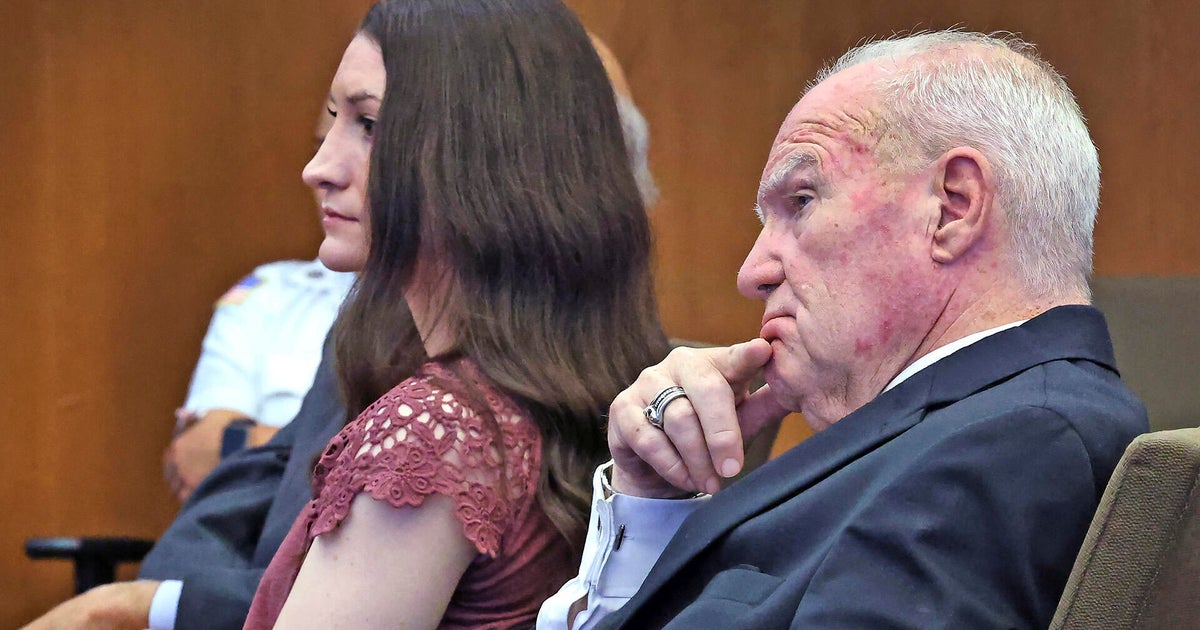
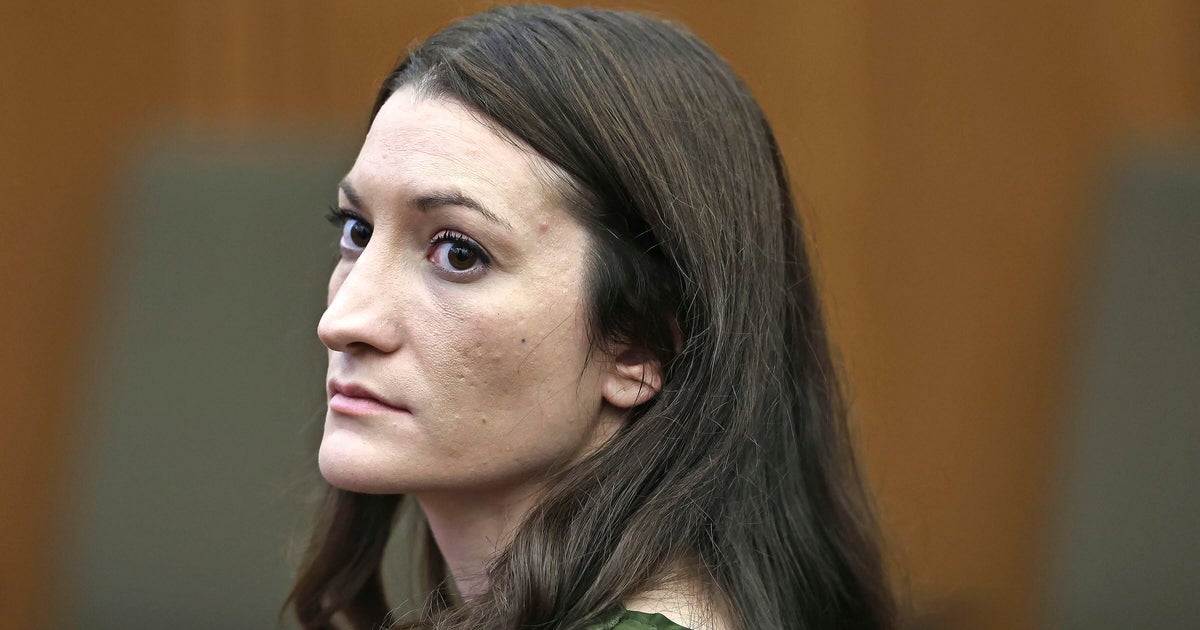
resumed in Plymouth Superior Court on Monday after a week of emotional testimony in the case of the Duxbury, Massachusetts, mother who admitted to killing her three children.
asserted
who → resume → children
The day started with doctors who treated Clancy and her children on the night of the murders taking the stand, and finished with the jury hearing excerpts from her diary.
asserted
jury → start → diary
Prosecutors allege that she made a calculated decision to strangle 5-year-old Cora, 3-year-old Dawson and 8-month-old Callan on Jan. 24, 2023.
asserted
she → allege → Jan.
The defense says she was overmedicated and committed the killings during an episode of extreme
.Lindsay Clancy's diary read in court
Prosecutor Shanan Buckingham read aloud from Lindsay Clancy's diary, which police seized with a search warrant.
asserted
police → say → warrant
Clancy wrote that she was obsessed with her infant son's sleep schedule.
asserted
she → write → schedule
"Hearing him cry for one-plus hours and not intervening just about killed me.
asserted
him → hear → me
I even said the words 'I want to die' to Pat while he was crying," Clancy wrote.
asserted
Clancy → say → Pat
Clancy also said she was "completely overwhelmed" trying to take care of her three kids.
asserted
she → say → kids
"I feel like I'm drowning every day," she wrote.
asserted
she → feel → ?
In an entry dated Nov. 18, 2022, Clancy wrote, "It's like I'm so desperate to get a mental break from taking care of everyone that my mind is trying to make something physically wrong with me."
asserted
mind → date → me
On cross-examination, defense attorney Kevin Reddington also read aloud some diary passages for the jury.
asserted
Reddington → read → jury
"I now have horrible insomnia and anxiety which is causing depression," Clancy wrote.
asserted
Clancy → have → depression
"I have no appetite, I don't know what's wrong with me.
asserted
what → have → me
I want help.
asserted
I → want → help
I want to be well."
asserted
I → want → ?
Clancy also wrote that she had "crazy brain fog" and worried about not being able to function when she returned to work, Reddington noted.
asserted
Reddington → write → work
"I feel completely disconnected with my baby.
asserted
I → feel → baby
I feel like I'm going through the motions every day," Clancy wrote.
asserted
Clancy → feel → motions
Clancy also said she felt "horribly guilty" about her marriage with her now ex-husband Patrick.
asserted
she → say → husband
"I want to connect with Pat again," she said.
asserted
she → want → Pat
"I know he needs it, I need it."
asserted
I → know → it
Lindsay Clancy wrote she was "horrified" after murders
Dr. Jhilam Biswas, a forensic psychiatrist at Brigham & Women's Hospital in Boston, described visiting her for 20 to 30 minutes on Jan. 26, 2023.
asserted
Biswas → write → Jan.
Clancy had just recently arrived at the Boston hospital after being transferred from South Shore Hospital.
asserted
Clancy → arrive → Hospital
Clancy was still intubated, partially paralyzed from jumping out of her second-story bedroom window, and Dr. Biswas gave her paper to answer questions.
asserted
Biswas → intubate → questions
She asked Clancy how her mood was that day.
asserted
mood → ask → Clancy
"She wrote, 'horrified,'" Dr. Biswas testified.
asserted
Biswas → write → ?
"She seemed very anxious."
asserted
She → seem → ?
Dr. Biswas said one of the first questions Clancy asked was whether she had an attorney.
asserted
she → say → attorney
She also wrote down "Is my body broken?" and "Are my legs straight?" and asked Dr. Biswas if she could have visitors, and where her family was.
uncertain
family → write → visitors
Psychiatrists evaluated Lindsay Clancy in hospital after murders
asserted
Psychiatrists → evaluate → murders
The 26th witness called by the prosecution was Brigham & Women's Hospital psychiatrist Dr. Sejal Shah, who first met Clancy on Jan. 29, 2023, five days after the murders.
asserted
who → call → murders
Lindsay Clancy told her she wanted to change her healthcare proxy from her ex-husband Patrick Clancy to her parents.
asserted
she → tell → parents
According to Dr. Shah, Clancy said she was initially delirious and experiencing some visual hallucinations in the hospital.
uncertain
she → accord → hospital
Dr. Shah said that could have been due to anesthesia and a lack of oxygen.
uncertain
that → say → oxygen
Dr. Shah spoke to Clancy on Feb. 21, 2023, before she was transferred out of the Brigham to a rehabilitation hospital.
asserted
she → speak → hospital
Clancy reported feeling "down" about her current situation.
asserted
Clancy → report → situation
"She said her thoughts about what she had done were not constant throughout the day, correct?" prosecutor Jennifer Sprague asked.
asserted
Sprague → say → day
"Correct," Dr. Shah replied.
asserted
Shah → reply → ?
"So she wasn't thinking about killing her children throughout the day, every day, correct?" Sprague asked.
asserted
Sprague → think → day
"Correct," Dr. Shah said.
asserted
Shah → say → ?
…and 48 more, not listed.
 The Aporia