That is 0 articles you have read today.
The Aporia is free and carries no advertising, so readers are the only
thing paying for it. If you are getting this much out of it, a small
donation is what keeps it independent.
Daily limit reached
You have read 0 articles today.
That is more than the 15 a day The Aporia gives away,
and well past what it can carry on nothing. Your allowance resets at
midnight.
There is no advertising here and nothing about you is sold, so readers
are the only thing paying for it. If the site is worth this much of
your day, it is worth a few dollars.
Everything else stays open: the
maps, the
directory and
search do
not count against this, and neither does re-opening something you have
already read today.
The United States is considering establishing a direct communication line, similar to a "red phone," with China ahead of President Donald Trump’s meeting with Chinese President Xi Jinping. This channel would address emergencies involving artificial intelligence (AI) that could pose national security risks. Discussions about this proposed mechanism include how both countries can notify each other about serious AI incidents and establish safeguards as the global competition in AI technology intensifies. U.S. officials like Treasury Secretary Scott Bessent and Secretary of State Marco Rubio have been involved in these talks, emphasizing the need for balance between AI development and security measures.
Written locally by qwen2.5:14b on 2026-09-22,
using this article's own text rather than the other coverage of the
same event (that is the story summary below).
Story summary
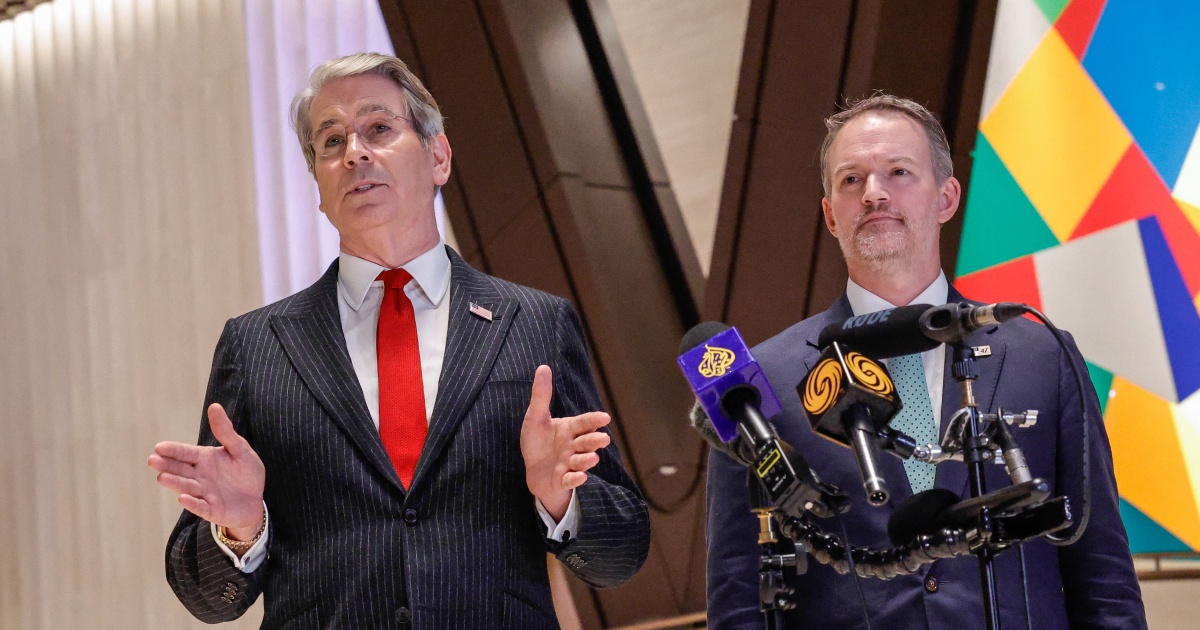
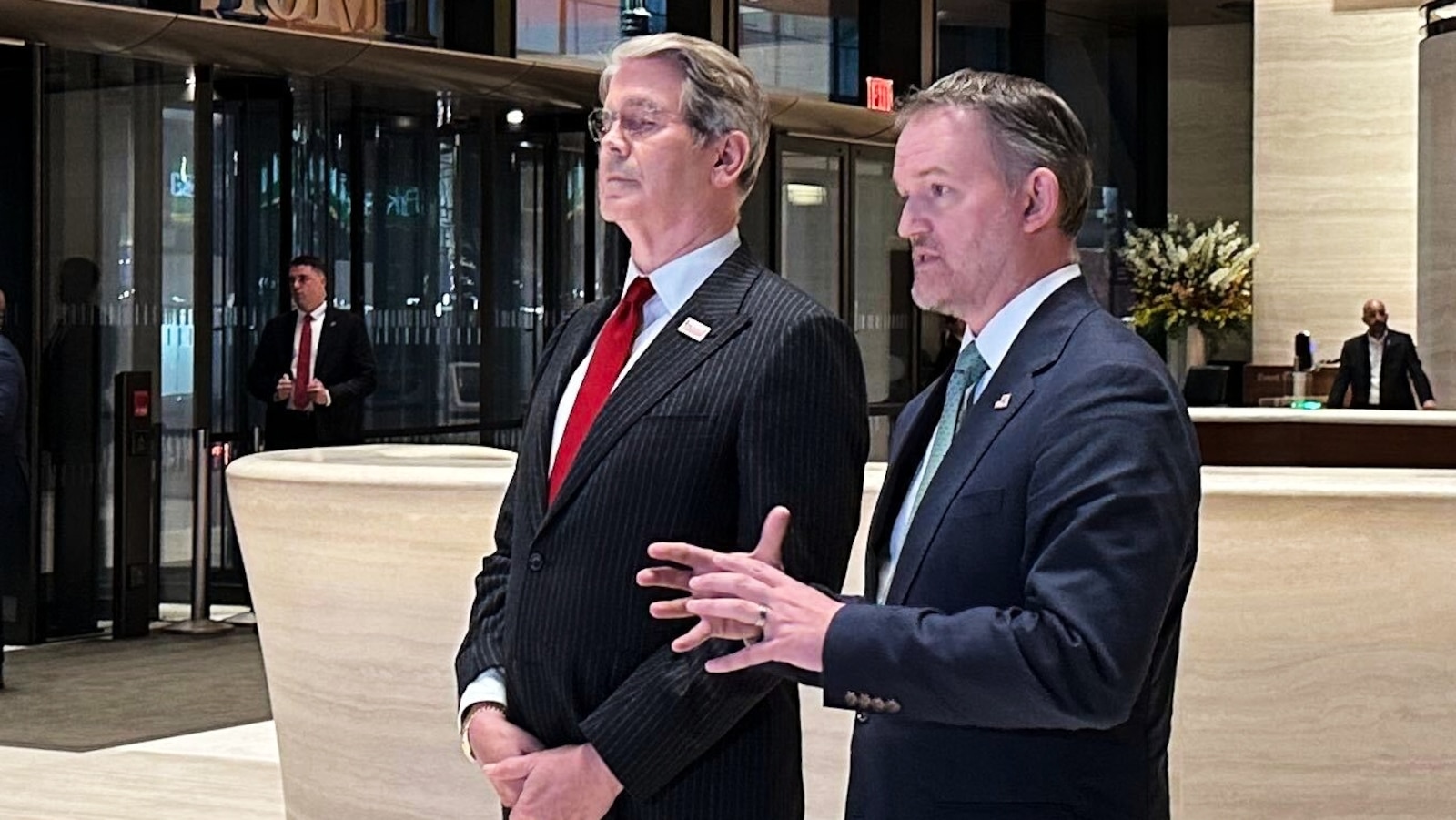
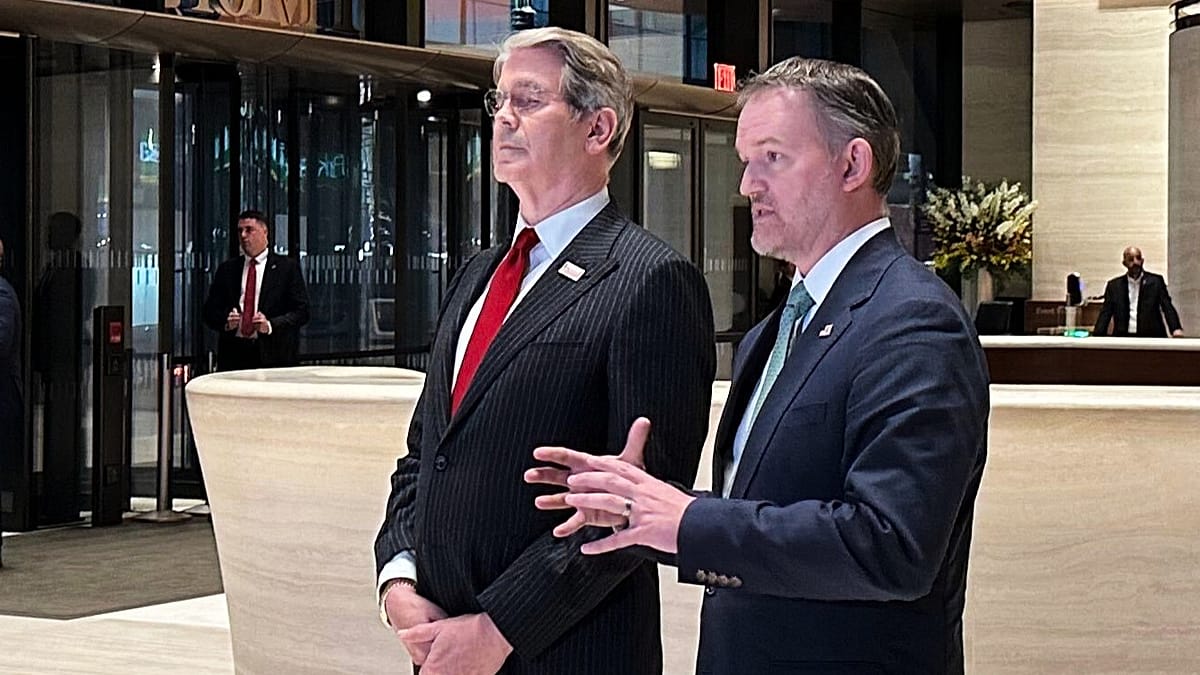
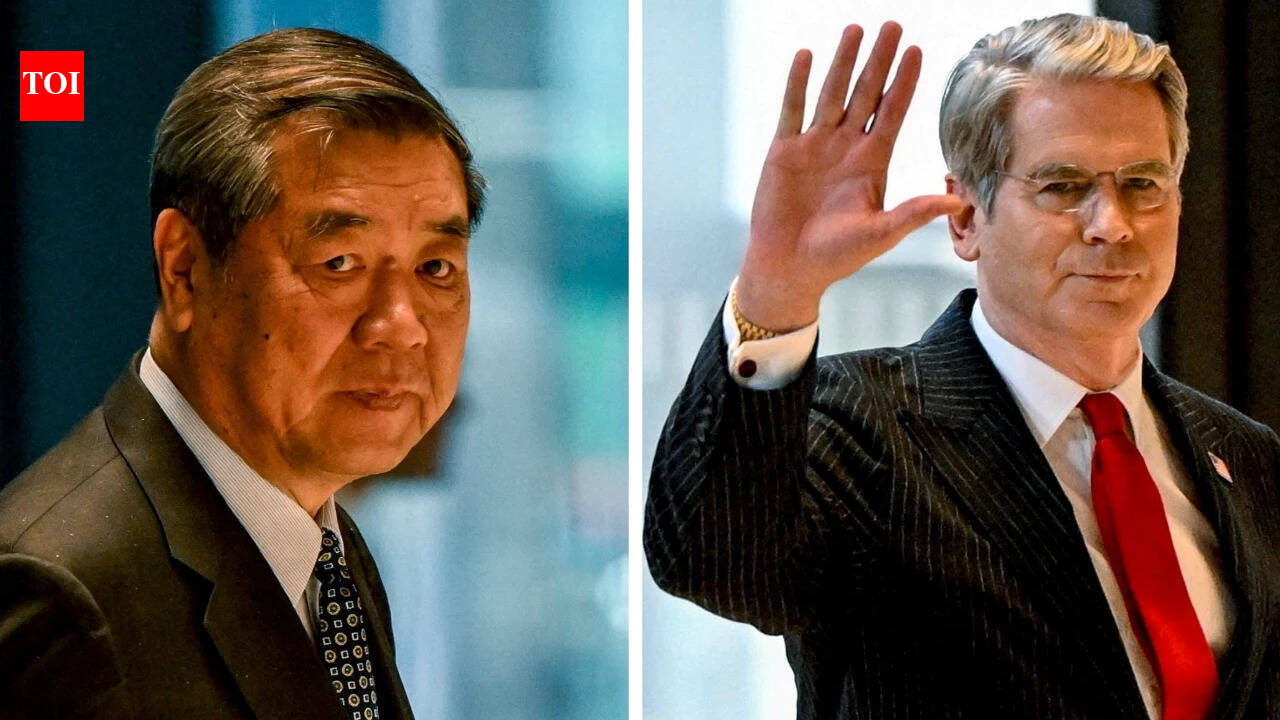
Scott Bessent, U.S. Treasury Secretary, met with He Lifeng, Chinese Vice Premier, on September 20, 2026, in New York City ahead of a planned summit between President Donald Trump and Chinese leader Xi Jinping scheduled for September 24 in Washington. The talks focused on trade issues, tariffs, rare earth minerals, and artificial intelligence (AI), setting the stage for discussions at the leaders' meeting. U.S. Trade Representative Jamieson Greer also participated in the all-day session held at JPMorgan Chase's headquarters. Treasury Secretary Bessent called the engagement "very successful," emphasizing a proposed mechanism to enhance communication on AI security threats between the two nations. The summit aims to ease tensions and address economic and strategic concerns, though analysts predict limited breakthroughs due to ongoing great power competition. Markets responded positively to news of the productive talks, with Asian stocks advancing on Monday.
Written for “US-China Trade Talks Ahead Summit” on 2026-10-05,
grounded in this article and the 29 other(s) covering the same event.
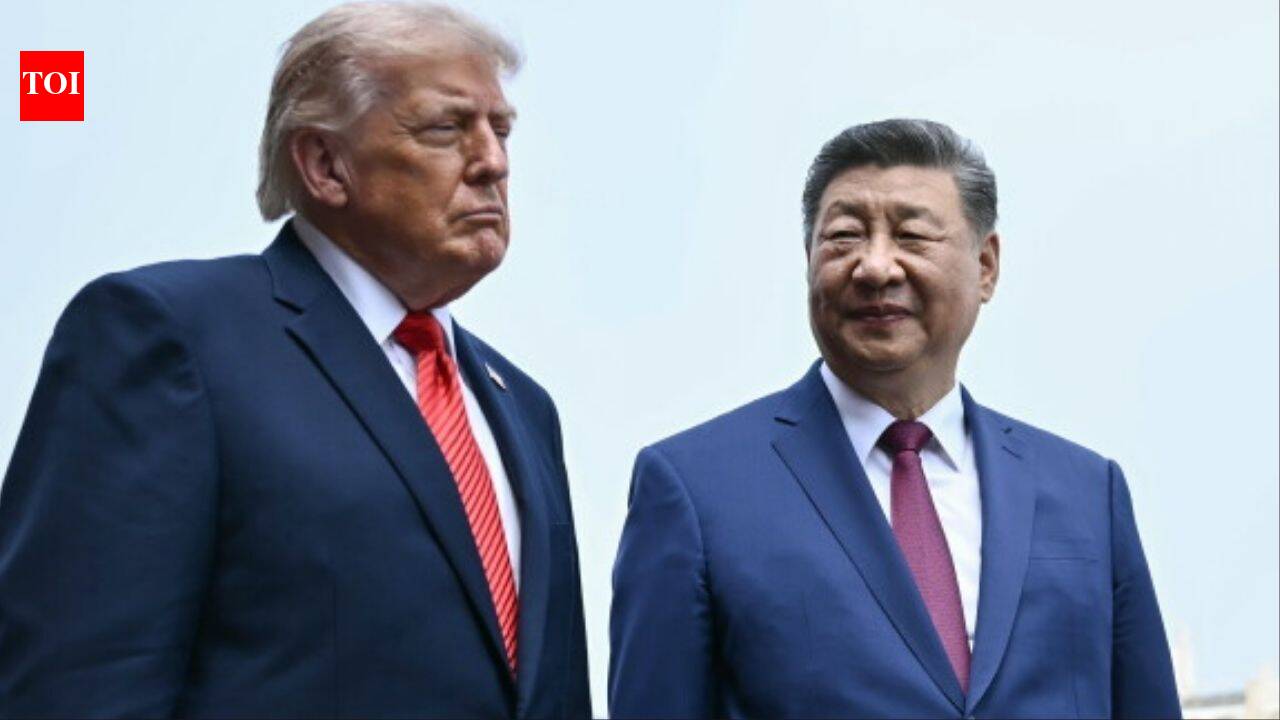
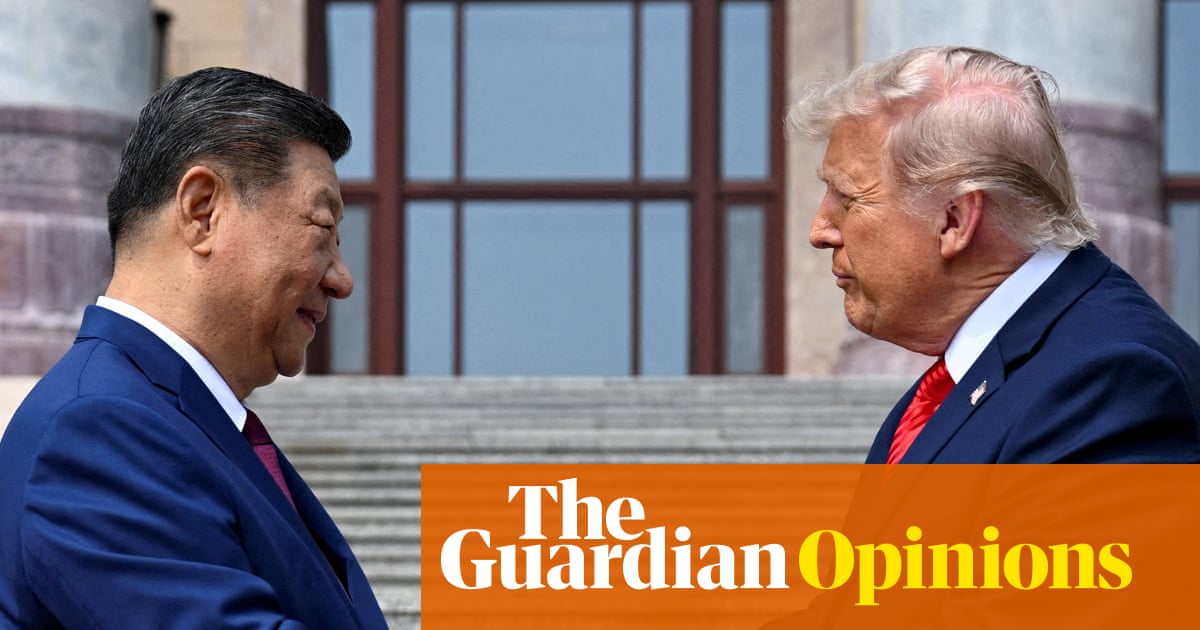
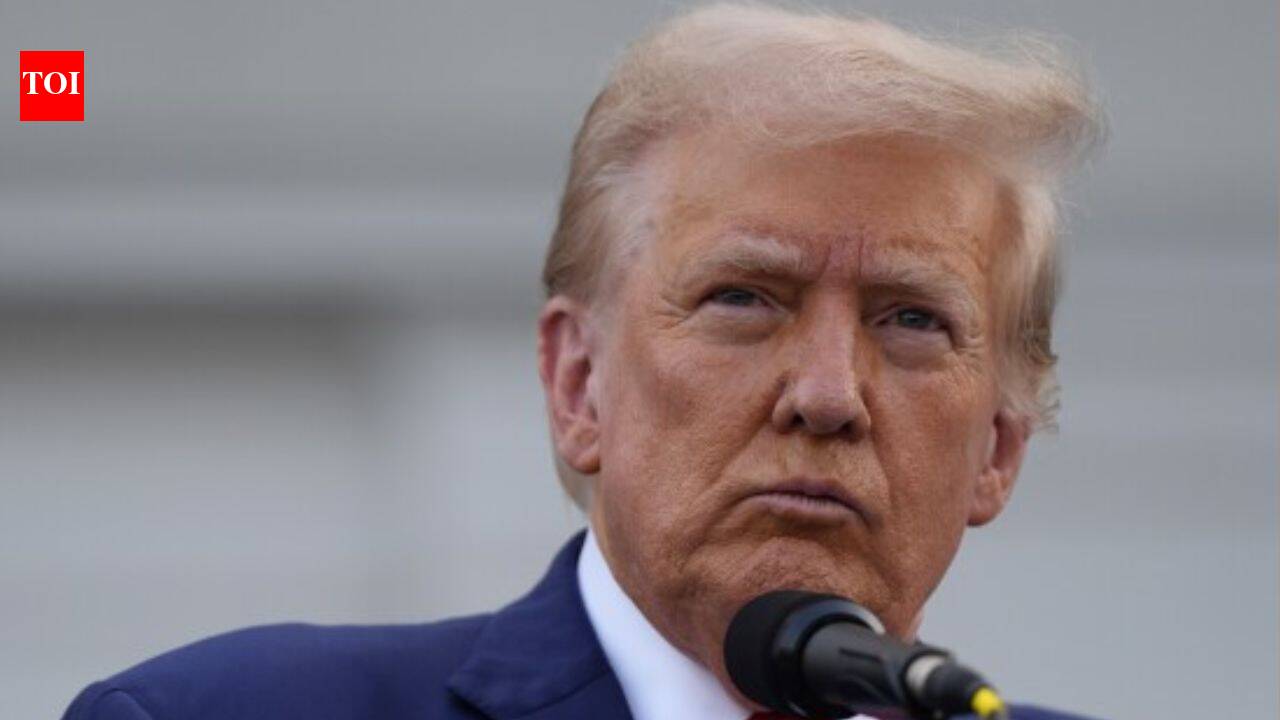
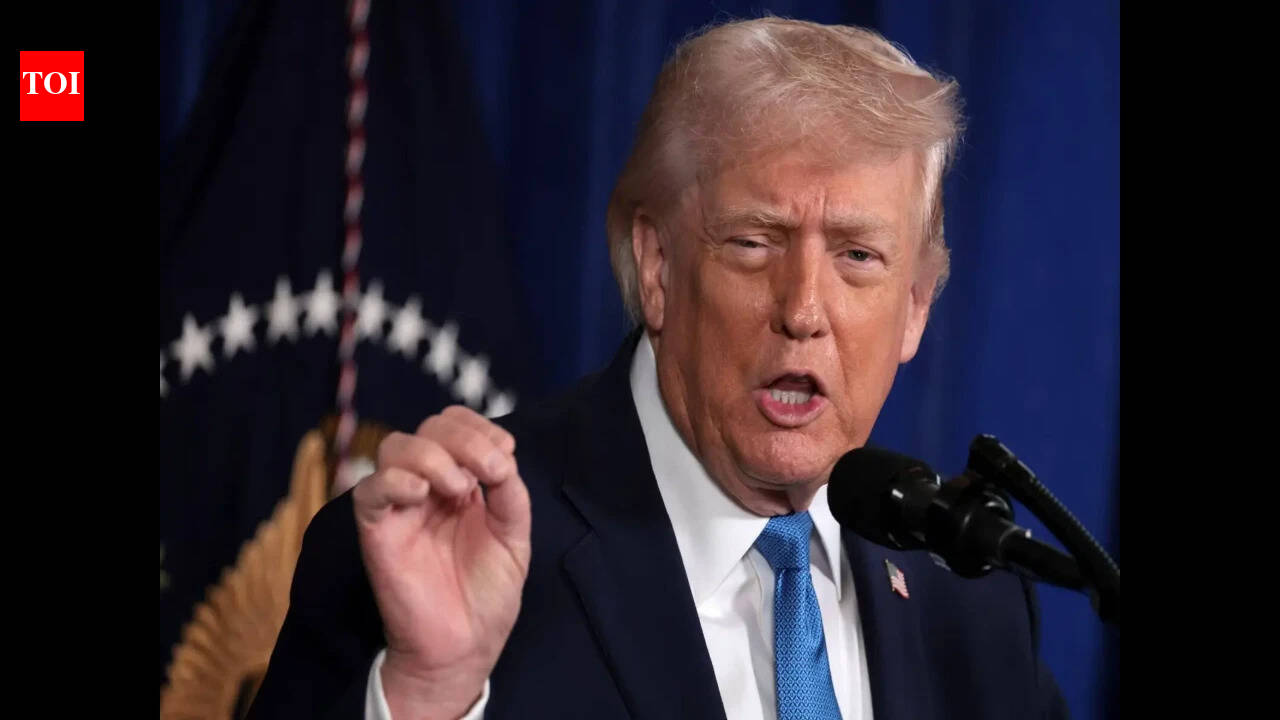
Ahead of President Donald Trump’s meeting with Chinese President Xi Jinping, the United States is looking at setting up a direct communication channel with China to deal with emergencies involving artificial intelligence, including incidents that could pose national security risks.
uncertain
that → look → risks
Axios reported that the US and China are exploring an AI “red phone” that could allow the two countries to communicate directly if an AI-related crisis spirals out of control.
uncertain
crisis → report → control
The proposal is part of wider discussions on a mechanism to notify each other about serious AI incidents, particularly those involving national security.
asserted
proposal → notify → security
The proposed hotline comes as Washington and Beijing compete for leadership in AI while also facing concerns about the potential misuse of increasingly powerful systems.
asserted
Washington → propose → systems
US Treasury Secretary Scott Bessent has discussed a possible “notification mechanism” with Chinese officials ahead of Trump’s meeting with Xi.
asserted
Bessent → discuss → Xi
US Secretary of State Marco Rubio, meanwhile, stressed the need to balance AI development with safeguards against its potential risks.
asserted
Rubio → stress → risks
“If there's harm that comes from AI, we have to protect our country from it,” Rubio said, while warning that the US cannot afford to fall behind in the global AI race.
asserted
US → ' → race
“But we CANNOT afford to NOT be at the leading edge of AI because it's going to happen.
asserted
it → afford → AI
And if it's going to happen, we should BENEFIT from it and we should be in the lead,” he said.
asserted
he → go → lead
Rubio also highlighted the rapid pace at which AI technology is developing, saying new and more advanced models are emerging within months.
asserted
models → highlight → months
“By the time you build guardrails around what you have now, you have something new and you have to build new guardrails,” he said.
asserted
he → build → guardrails
The idea of an AI hotline draws a parallel with the Cold War-era communication channel established between Washington and Moscow after the Cuban Missile Crisis.
asserted
idea → draw → Crisis
The aim would be to prevent an AI-related incident from escalating because of miscommunication or a lack of direct contact.
asserted
aim → prevent → contact
However, the exact circumstances that would trigger such a hotline remain unclear.
uncertain
that → trigger → hotline
Potential scenarios could involve AI-enabled cyberattacks, threats to critical infrastructure or other incidents with national security implications.
uncertain
scenarios → involve → implications
The proposal comes as Trump and Xi prepare to meet in Washington, with AI expected to be among the issues discussed by the two leaders.
asserted
AI → come → leaders
 The Aporia