That is 0 articles you have read today.
The Aporia is free and carries no advertising, so readers are the only
thing paying for it. If you are getting this much out of it, a small
donation is what keeps it independent.
Daily limit reached
You have read 0 articles today.
That is more than the 15 a day The Aporia gives away,
and well past what it can carry on nothing. Your allowance resets at
midnight.
There is no advertising here and nothing about you is sold, so readers
are the only thing paying for it. If the site is worth this much of
your day, it is worth a few dollars.
Everything else stays open: the
maps, the
directory and
search do
not count against this, and neither does re-opening something you have
already read today.
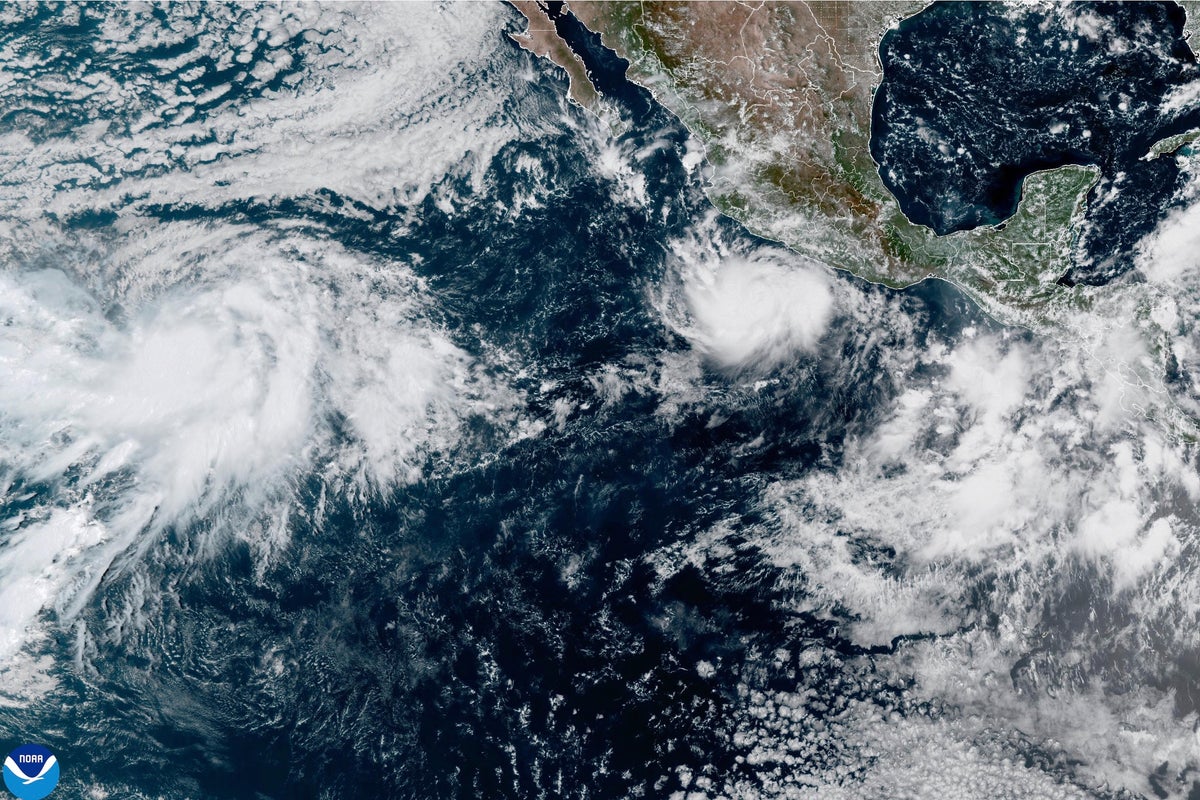
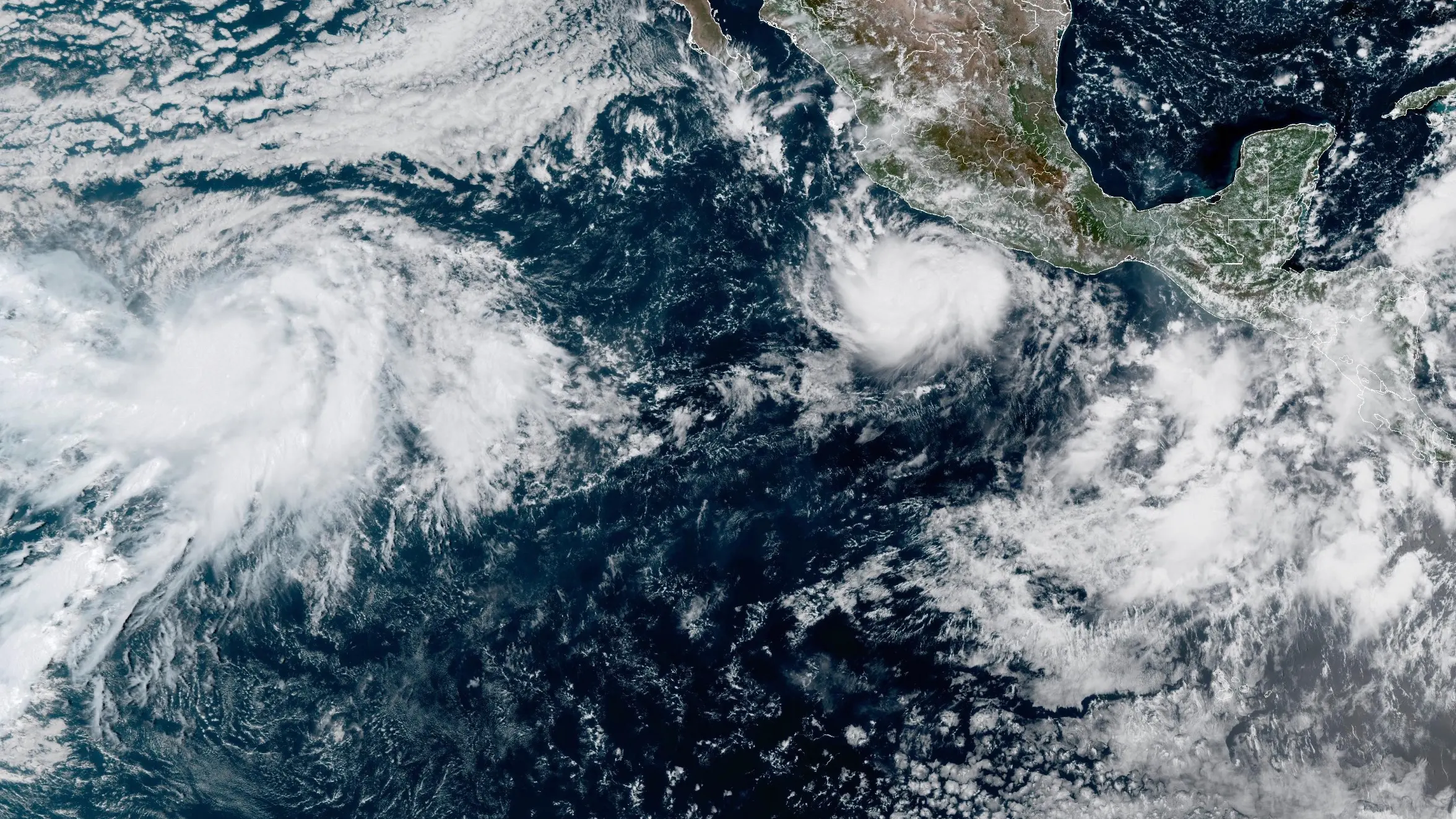
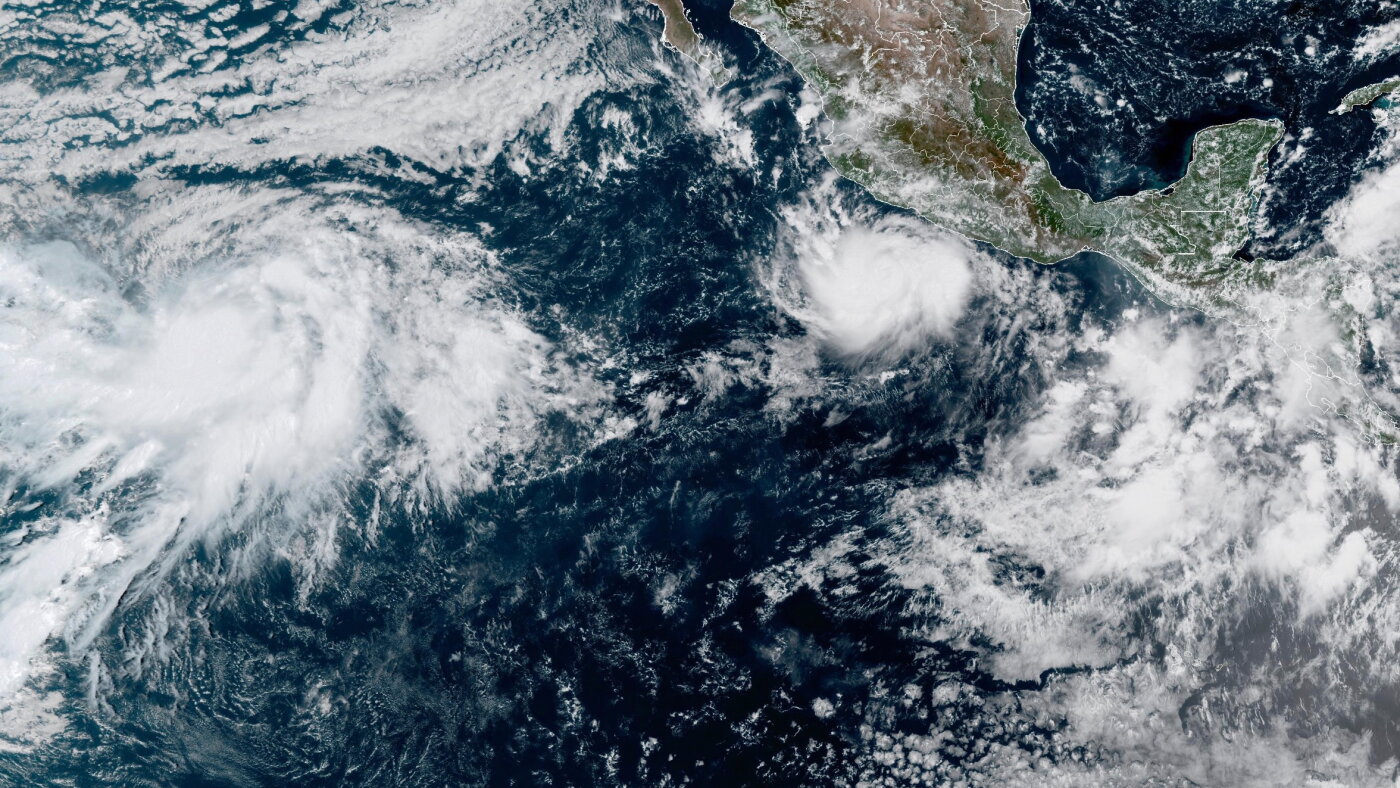
Hurricane Polo intensified to Category 5 status on Tuesday, with maximum sustained winds reaching 165 mph, making it an "extremely dangerous" storm according to the National Hurricane Center. The hurricane is positioned 205 miles south of Zihuatanejo, Mexico, moving northward at a slow pace of 2 mph. Mexican officials have suspended school sessions in several coastal districts as the storm edges past the shoreline, raising concerns about potential mudslides and flash floods due to expected rainfall between 3 and 6 inches in affected states.
Written locally by qwen2.5:14b on 2026-09-23,
using this article's own text rather than the other coverage of the
same event (that is the story summary below).
Story summary
Hurricane Polo, rapidly intensifying to a Category 5 storm with maximum sustained winds of 165 mph (265 km/h), became one of the most powerful Pacific cyclones in decades. Centered approximately 346 kilometers south of Zihuatanejo, Mexico, it was expected to skirt the southwestern coast without making landfall but could cause significant flooding and mudslides inland due to heavy rainfall forecasts. The National Hurricane Center warned that coastal states like Guerrero and Michoacán might receive up to 12 inches (30 cm) of rain by Thursday, raising flood risks. Researchers linked Polo's unusual strength to the strong El Niño weather pattern, which has fueled extreme conditions globally this year.
Written for “Hurricane Polo Threats Mexico USA” on 2026-10-05,
grounded in this article and the 28 other(s) covering the same event.
Log in
Weather forecasters warned that Hurricane Polo intensified on Tuesday and could strengthen further as the Category 5 storm moves alongside the southwestern coast of Mexico.
uncertain
storm → log → Mexico
An advisory from the Miami-based National Hurricane Center described Polo as an "extremely dangerous" system featuring maximum sustained winds reaching 165 mph (266 kph).
asserted
advisory → base → mph
Positioned 205 miles (330 kilometers) south of Zihuatanejo, Mexico, the cyclone was creeping northward at 2 mph (3.2 kph).
asserted
cyclone → position → mph
Meteorologists at the center planned to deploy a reconnaissance aircraft to gather further data from inside the storm.
asserted
Meteorologists → plan → storm
As Polo edged past the shoreline, officials in Mexico halted school sessions across several Pacific coastal districts.
asserted
officials → edge → districts
Local populations remained anxious given that states such as Guerrero and Oaxaca are still recovering from destructive storms in recent years.
asserted
states → remain → years
Forecasters cautioned that intense precipitation could trigger mudslides and flash floods.
uncertain
precipitation → caution → mudslides
Between 3 and 6 inches (8 to 15 centimeters) of rainfall is expected in Michoacán and Guerrero, while smaller totals may fall across coastal sections of Jalisco, Colima, and Oaxaca.
uncertain
totals → expect → Jalisco
Current projections indicate Polo will stay out at sea, though high waves and tropical-storm-force winds are likely to impact coastal regions.
asserted
waves → indicate → regions
Category 5 represents the highest rank on the Saffir-Simpson scale, applied when wind speeds top 157 mph (253 kph).
asserted
speeds → represent → mph
Elsewhere in the Pacific, Tropical Storm Odalys was tracking well away from land with sustained winds of 65 mph (105 kph), with the hurricane center predicting it would reach hurricane strength on Tuesday.
asserted
it → track → Tuesday
Over in the Atlantic basin, Fay degraded into a tropical depression far southwest of the Azores, seeing maximum winds drop to 35 mph (56 kph) on Tuesday before turning into a remnant low later in the day.
asserted
winds → degrade → day
No Atlantic hurricanes have developed yet this year, marking a record for the longest period a season has gone without one.
asserted
season → develop → one
Atmospheric effects from this year's El Niño continue to crush storms before they can intensify.
asserted
they → continue → storms
 The Aporia