The Markup, now a part of CalMatters, uses investigative reporting, data analysis, and software engineering to challenge technology to serve the public good.
asserted
Markup → use → good
Sign up for Klaxon, a newsletter that delivers our stories and tools directly to your inbox.
asserted
that → sign → inbox
More data brokers have changed their practices in response to reporting from The Markup and CalMatters as well as a subsequent Senate investigation.
asserted
brokers → change → Markup
Data brokers — companies that collect and sell access to often-sensitive information on consumers — are required to register in the state of California and provide a way for consumers to request their data be deleted.
asserted
data → collect → way
We caught companies making it harder to delete your personal data online
asserted
it → catch → data
Dozens of companies are hiding how you can delete your personal data, The Markup and CalMatters found.
asserted
Markup → hide → data
After our reporters reached out for comment, multiple companies have stopped the practice.
asserted
companies → reach → practice
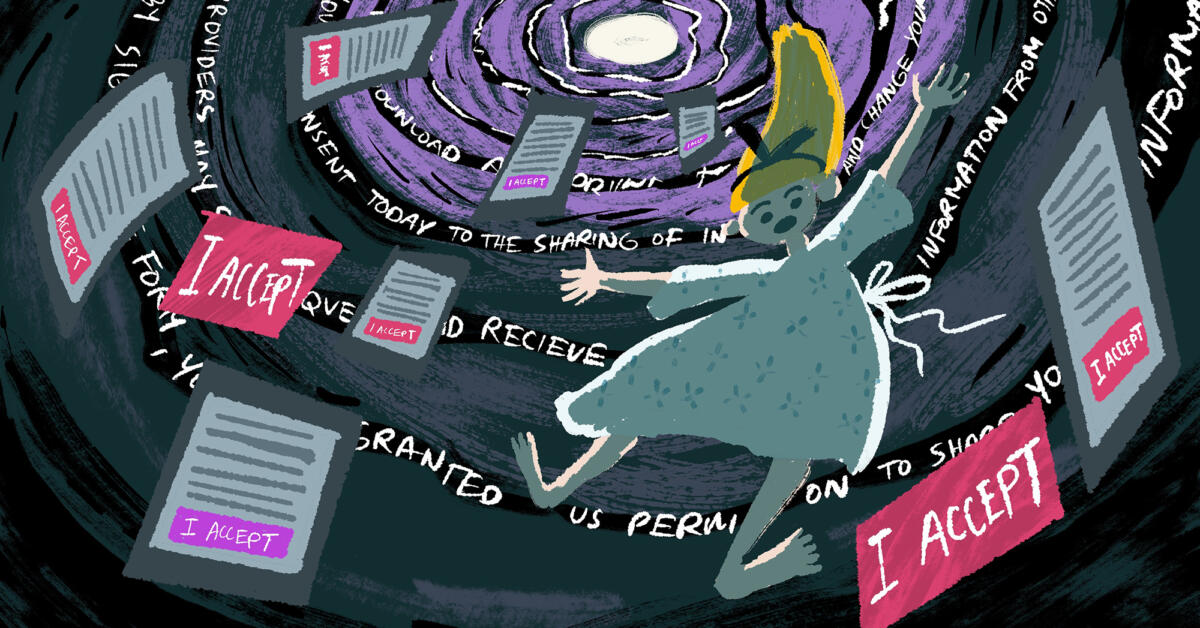
Last year, an investigation by The Markup and CalMatters, published in collaboration with WIRED, showed that many of those companies placed code on the web pages for making those requests that prevented them from appearing in search results.
asserted
that → publish → results
The “no-index” code tells search engines like Google not to catalog those pages, making it less likely that anyone would see them.
asserted
anyone → tell → them
Experts said that’s a hurdle for Californians looking to exercise their legal rights.
asserted
that → say → rights
Last year’s investigation found 35 data brokers were using the code, 12 of whom soon removed it and allowed their pages to appear in search results.
asserted
pages → find → results
Today, only eight of those 35 brokers are still hiding their deletion pages, according to another review done by The Markup and CalMatters this week.
uncertain
eight → hide → Markup
That includes five major data brokers who came under Senate investigation.
asserted
who → include → investigation
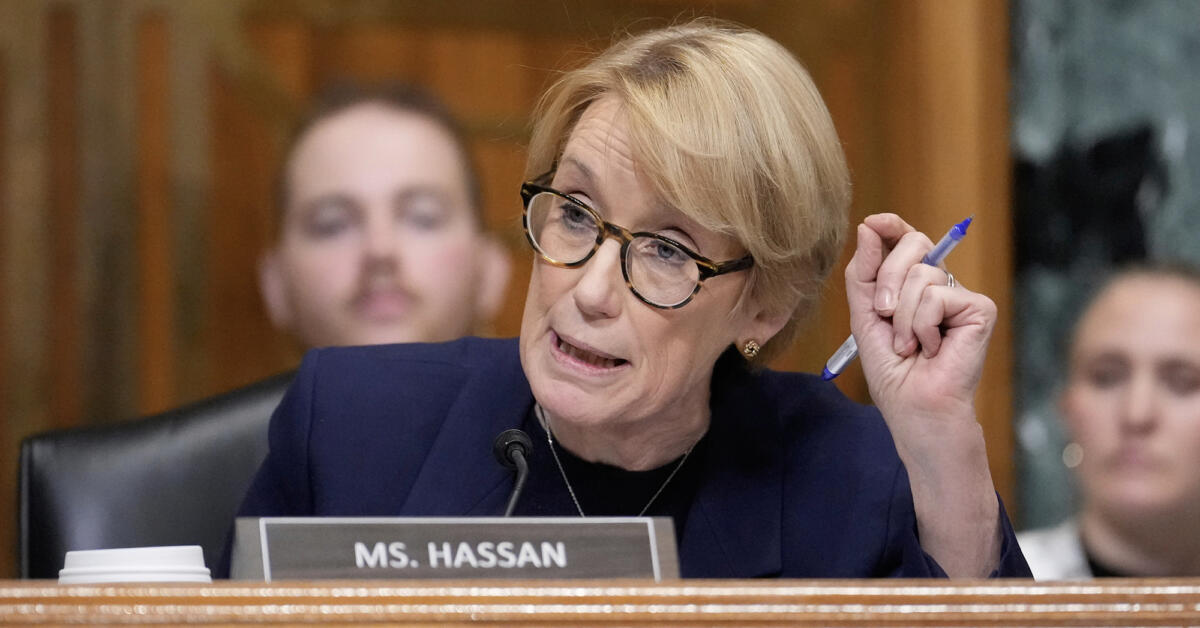
After The Markup and CalMatters published their report, the top Democrat on the Senate Joint Economic Committee minority, New Hampshire Democratic Sen. Maggie Hassan, sent letters to five data brokers questioning them about their practices.
asserted
Democrat → publish → practices
Four of the companies — IQVIA Digital, Comscore, Telesign Corporation and 6sense Insights — engaged with the Senate committee about their practices and agreed to make their pages visible in search, according to a report the committee later released.
uncertain
committee → engage → report
The report also estimated that consumers have lost more than $20 billion from fraud and identity theft related to broker data breaches.
asserted
consumers → estimate → breaches
In an addendum to their initial findings released last week, the committee said that the fifth company facing questioning, Findem, also belatedly removed its “no-index” code, making its deletion pages visible in search engines.
asserted
pages → release → engines
One of the data brokers no longer hiding its opt-out page, BrightCheck, has a broken opt-out page and no longer appears on California’s broker registry.
asserted
One → hide → registry
Of the eight brokers still hiding their deletion pages, only one, a company called Fideo, responded to a request for comment about whether they would continue using the code on their pages.
asserted
they → hide → pages
Jason Soni, a spokesperson for Fideo, which uses data for crime and fraud prevention purposes, said the company intentionally “chose not to display the application page itself in Google search results for technical and consumer experience reasons.”
asserted
company → use → reasons
Consumers, he said, can make requests starting “from our homepage and public privacy resources, which provide the right context, routing, and instructions for privacy requests,” instead of starting at the application page.
asserted
which → say → page
“Americans deserve a choice over whether their personal data is collected, used, and sold for profit or not,” Hassan said in a statement released alongside the amended report.
asserted
Hassan → deserve → report
“Data brokers like Findem have a responsibility to provide that choice with clear, user-friendly opt-out functions and straightforward privacy policies.
asserted
brokers → have → functions
 The Aporia