This story was produced in partnership with Agência Pública as part of a series on how regulatory solutions adopted in Brazil could point the way for the U.S.
uncertain
solutions → produce → U.S.
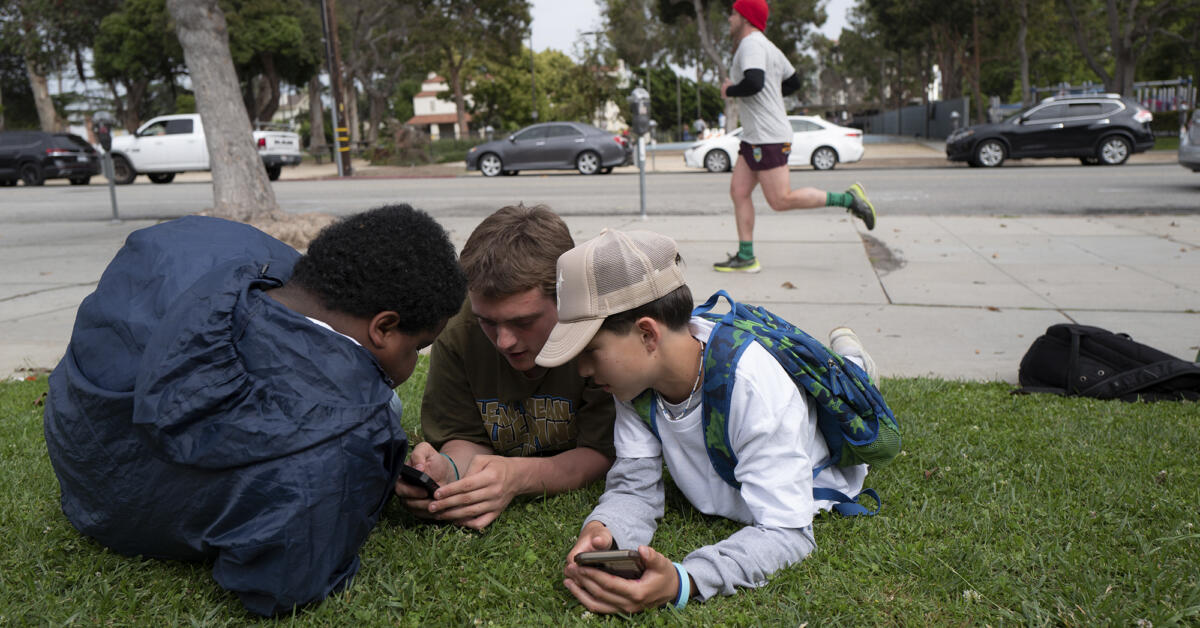
Alarming trends in teen mental health and increased social media use led California to pass a new wave of laws to protect kids online.
asserted
trends → increase → kids
The state enacted protections to prevent children’s data from being sold, to give kids an opportunity to delete what they post, and to require businesses that target children to manage potential risks.
asserted
that → enact → risks
Future legislation could ban social media altogether for many teens.
uncertain
legislation → ban → teens
Some of those regulations face legal challenges, but together, the laws amount to some of the strictest privacy safeguards for children in the United States.
asserted
laws → face → States
California’s laws are considered stronger than the federal Children’s Online Privacy Protection Act, or COPPA, which is geared toward protecting children’s privacy.
asserted
which → consider → privacy
Under that law, website operators must obtain parental permission before collecting information on kids under 13 if their site is targeted toward, or knowingly collects information about children.
asserted
site → obtain → children
California’s laws expand the ages protected and place further restrictions on product design.
asserted
laws → expand → design
To some extent, California sets childrens’ privacy policy for the entire country, since companies may choose to provide California’s more stringent protections to children nationwide rather than carve out protections just for the most populous U.S. state.
uncertain
companies → set → state
But despite policies that are extensive when compared to the rest of the country, California’s regulations still lag well behind those of other countries.
asserted
regulations → compare → countries
As California passed various child privacy laws, countries like Brazil passed comprehensive legislation that overlaps with some California policies, while going even further.
asserted
that → pass → policies
Experts say the United States and California face unique hurdles in passing children’s privacy laws that other countries don’t.
asserted
countries → say → laws
Among those are First Amendment challenges, different conceptions of privacy, and — maybe most importantly — a tech industry that sees strict privacy laws as an existential threat to its future.
asserted
that → see → future
California has led the way nationally for a decade on protecting kids online, and more recently has picked up more steam.
asserted
California → lead → steam
“California, everything there is changing and changing fairly dramatically within the last just four years,” said Ed Howard, Senior Policy Advocate for the Children’s Advocacy Institute at the University of San Diego.
asserted
Howard → change → Diego
Like the federal law, the California Consumer Privacy Act, passed in 2018, requires companies to obtain parental permission to collect data on kids under13.
asserted
Act → pass → kids
But it also protects teens between 13 and 16 by forcing companies to make them consent before their data can be gathered.
asserted
data → protect → companies
In 2022, the Legislature enacted the California Age-Appropriate Design Code Act.
asserted
Legislature → enact → Act
That law requires companies to estimate ages, then ensure they provide, by default, strict privacy protections for underage users.
asserted
they → require → users
The law also limits the use of so-called “dark patterns,” which provide an illusion of choice for users while steering their behavior in certain directions.
asserted
which → limit → directions
“If there’s a product that’s likely to be accessed by children, it has to be, by design and by default, safe for them,” said Assemblymember Buffy Wicks, an Oakland Democrat who worked on that legislation.
asserted
who → ’ → legislation
Wicks also authored a measure that next year will require companies to include a “signal” system that will tell businesses a device user’s approximate age.
asserted
that → author → age
The law would be among the strictest in the country, although a series of legal challenges by the tech industry have left it partly defanged.
asserted
series → leave → it
Another law, the Protecting Our Kids from Social Media Addiction Act of 2024, bans social media companies from showing minors “addictive” feeds without parental consent and limits the hours when companies can send notifications to teens.
asserted
companies → protect → teens
The law, which goes into effect in 2027, has already survived legal challenges.
asserted
which → go → challenges
Bills now before the Legislature would ban kids under 16 from “addictive” social media entirely, in a step that has earned the ire of some online privacy groups over fear it would end online anonymity by requiring age verification at sign-up.
asserted
it → ban → sign
More recently, the state has begun regulating artificial intelligence, passing a law to impose mental health safeguards on chatbots.
asserted
state → begin → chatbots
That legislation was passed in response to a series of troubling incidents, including the death of California teenager Adam Raine, who talked about suicide with ChatGPT for months before eventually taking his own life.
asserted
who → pass → life
The death is just one in a series of several incidents involving teens that have alarmed legislators.
asserted
that → involve → legislators
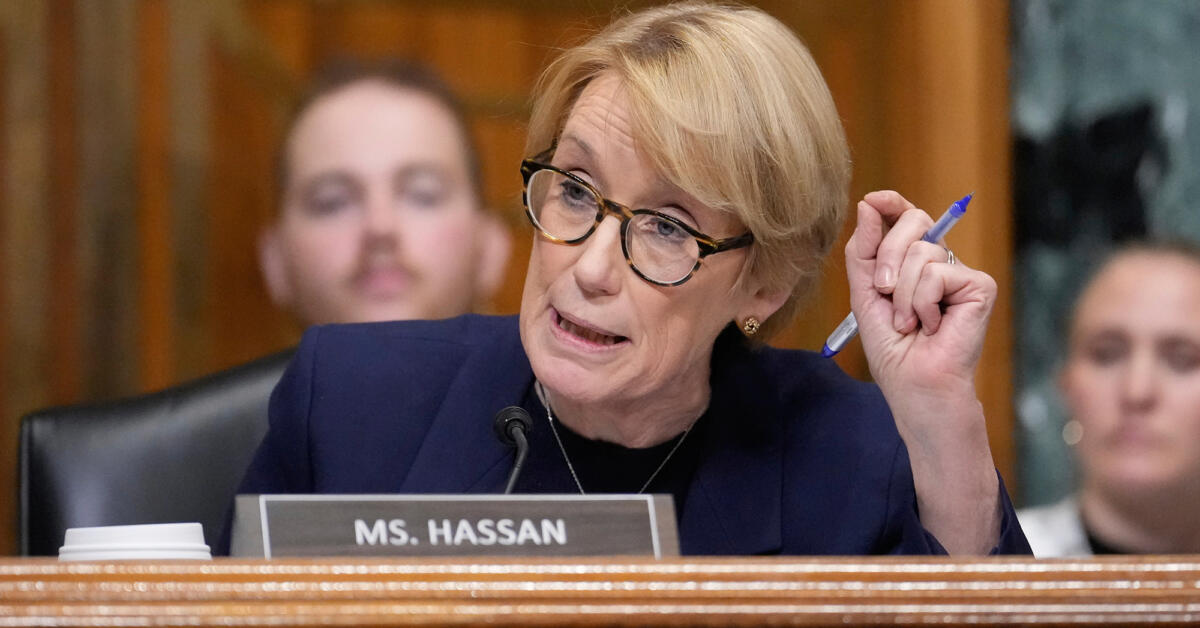
Raine’s mother, Maria, recently testified in front of Senate Privacy, Digital Technologies, and Consumer Protection Committee, calling for stricter protections.
asserted
mother → testify → protections
ChatGPT, she said, was “a homework helper [that] turned into a confidant, then a suicide coach.”
asserted
that → say → confidant
Under a law enacted last year, AI chatbots are required to disclose that they are not real people and companies must take reasonable steps to prevent children from seeing graphic content.
asserted
companies → enact → content
The Legislature is considering bills to further govern how chatbots can interact with kids online.
asserted
chatbots → consider → kids
Those would require AI companies to make annual risk assessments on potential mental health harms and create controls that let parents limit how kids interact with bots.
asserted
kids → require → bots
The flurry of legislation is a marked contrast to the federal picture, as Congress has repeatedly failed to agree on terms for national laws.
asserted
Congress → fail → laws
This session, lawmakers are considering the Kids Internet and Digital Safety (KIDS) Act, which would expand several privacy laws.
asserted
which → consider → laws
But the act faces criticism from child safety advocates for not forcing strong enough legal obligations on tech companies, and from civil rights organizations over free speech concerns.
asserted
act → face → concerns
The act may be doomed as the House and Senate argue over its provisions.
uncertain
House → doom → provisions
For years, advocates have pointed to research linking teens’ mental health to social media use in arguing for stronger protections.
asserted
advocates → point → protections
A substantial proportion of teens say social media has damaged their mental health, and heavy social media use is linked to increased risk of anxiety and depression.
asserted
use → say → anxiety
…and 38 more, not listed.
 The Aporia