Three recent major geopolitical confrontations teach a consistent lesson: overwhelming military power alone cannot produce the desired political outcome.
asserted
power → teach → outcome
Ukraine, Venezuela, and Iran differ vastly in culture, geography, and strategy, but together they illustrate an enduring rule of statecraft: If you intend to force fundamental change on an adversary, you must know how to engage it from both without and within.
asserted
you → differ → it
Russian President Vladimir Putin learned the first half of this lesson the hard way.
asserted
Putin → learn → lesson
When Russia launched its full-scale invasion of Ukraine, Moscow anticipated a swift collapse, but that didn’t happen.
asserted
that → launch → collapse
Instead, Putin badly miscalculated on two fronts:
asserted
Putin → miscalculate → fronts
First, the Ukrainian military was no longer the fractured force Russia encountered in 2014.
asserted
Russia → encounter → 2014
By seizing Crimea and backing separatists in the Donbas, Russia unintentionally handed Ukraine eight years to reform, train, and build hard-won combat experience.
asserted
Russia → seize → experience
Second, and more critically, Ukraine’s internal political order held fast.
asserted
order → hold → ?
President Volodymyr Zelensky stayed in Kyiv, state institutions remained operational, society mobilized, and Western support poured in.
asserted
support → stay → Kyiv
Russia struck hard from the outside, but it failed entirely to break Ukraine from within.
asserted
it → strike → within
The Trump administration’s operation against dictator Nicolas Maduro’s regime in Venezuela presents a striking contrast.
asserted
operation → present → contrast
Unmatched American military force and intelligence capabilities proved decisive.
asserted
force → prove → ?
Yet force alone does not explain why Maduro’s capture avoided leaving a chaotic power vacuum behind.
asserted
capture → explain → vacuum
Long before troops arrived, Washington was already cultivating key figures inside the Venezuelan political architecture.
asserted
Washington → arrive → architecture
Subsequent reporting confirmed that high-level regime figures — including then-Vice President Delcy Rodriguez and National Assembly President Jorge Rodriguez — had maintained discreet backchannels with U.S. and regional intermediaries, signaling a readiness to cooperate once Maduro was removed.
asserted
Maduro → confirm → readiness
Real changes come from the inside out
That preparation mattered enormously.
asserted
preparation → come → inside
Washington did not simply decapitate a government and ask, “What happens tomorrow?”
asserted
What → decapitate → government
It leveraged existing lines of communication into the surviving power structure.
asserted
It → leverage → structure
Rodriguez assumed office as acting president, institutions remained functional, and the government swiftly moved toward pragmatic engagement with Washington.
asserted
government → assume → Washington
The post-Maduro Venezuela government has even initiated the phased release of political prisoners.
asserted
government → initiate → prisoners
While critics argue the U.S. interest remains driven largely by access to Venezuela’s energy reserves, the early results suggest something broader: the groundwork for gradual structural reform and a path toward political and economic normalization.
asserted
results → argue → normalization
Iran, however, represents a far more dangerous dilemma.
asserted
Iran → represent → dilemma
Recent joint U.S.-Israeli strikes demonstrated extraordinary kinetic reach, proving that even Tehran’s senior leadership can be penetrated and targeted.
asserted
leadership → demonstrate → reach
But eliminating top officials is fundamentally different from transforming the underlying political system.
asserted
eliminating → eliminate → system
Prior intelligence assessments explicitly warned that targeted assassinations could produce the exact opposite of the desired result, potentially driving power straight into the hands of harder-line factions within the Islamic Revolutionary Guard Corps.
uncertain
assassinations → warn → Corps
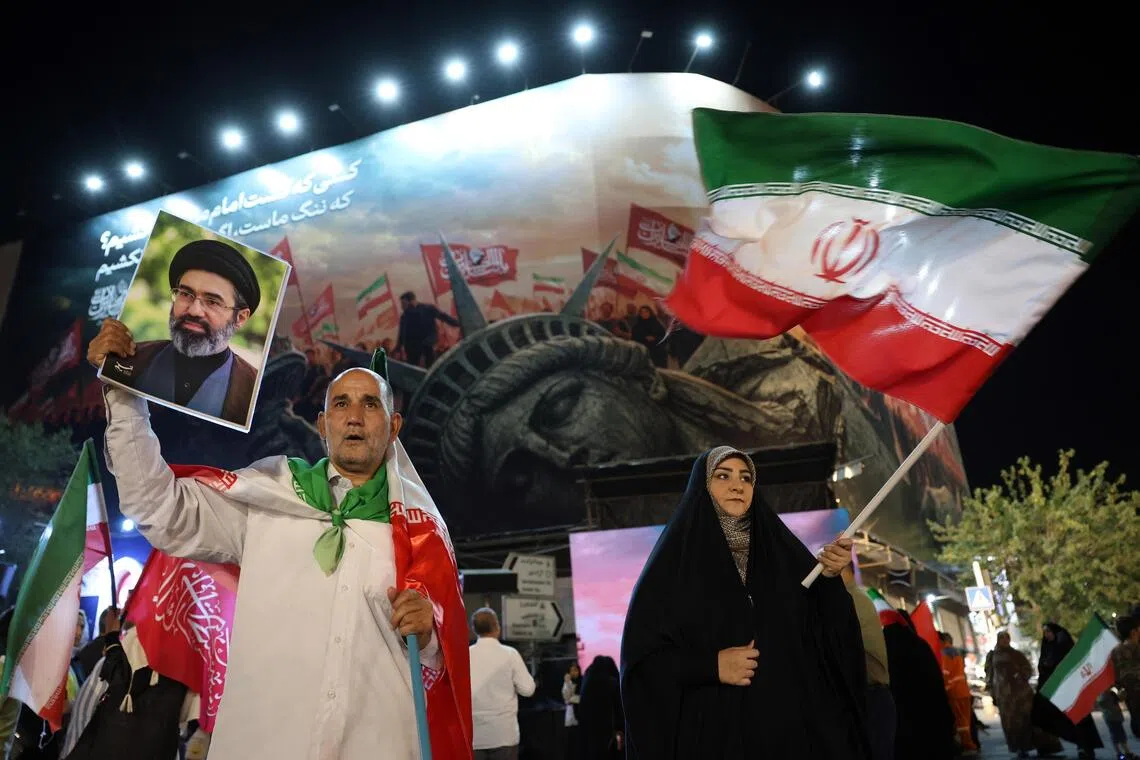
The rapid rise of Ayatollah Ali Khamenei’s son, Mojtaba Khamenei, as his successor only reinforces this point — signaling little pragmatism or willingness to diverge from his father’s hard-line course.
Military force is an extension of political strategy, not vice versa
This reality exposes a glaring strategic gap: Who holds the legitimacy, organization, and authority to succeed the old guard?
asserted
Who → reinforce → guard
Which factions — clerical, military, or economic — might accept a restructured relationship with the West or anchor a transition?
uncertain
factions → accept → transition
Were any internal channels cultivated before the ordnance was dropped?
asserted
ordnance → cultivate → ?
Military firepower can obliterate command posts, nuclear facilities, and key leaders.
asserted
firepower → obliterate → posts
It cannot manufacture a functional political order from the rubble.
asserted
It → manufacture → rubble
Furthermore, unlike Venezuela, Iran retains vast capacity to inflict asymmetrical costs on the international community.
asserted
Iran → retain → community
Leveraging its strategic position along the Strait of Hormuz, along with a formidable regional arsenal of ballistic missiles and proxies, Tehran can absorb external pressure and retaliate aggressively rather than capitulate.
asserted
Tehran → leverage → pressure
None of this suggests that Washington and its allies should avoid confronting adversary regimes; Iran’s regional hostility and nuclear ambitions demand a firm response.
uncertain
hostility → suggest → response
But coercive statecraft requires political preparation equal to military execution — not just target lists.
asserted
statecraft → require → execution
The broader lesson from Ukraine, Venezuela, and Iran is not that force is obsolete — it remains an indispensable instrument.
asserted
it → remain → Ukraine
Rather, force achieves lasting success only when tied to an internal political lever within the adversary’s system.
asserted
force → achieve → system
Pressure from without creates the structural shock; engagement from within converts that momentum into stable, strategic change.
asserted
engagement → create → change
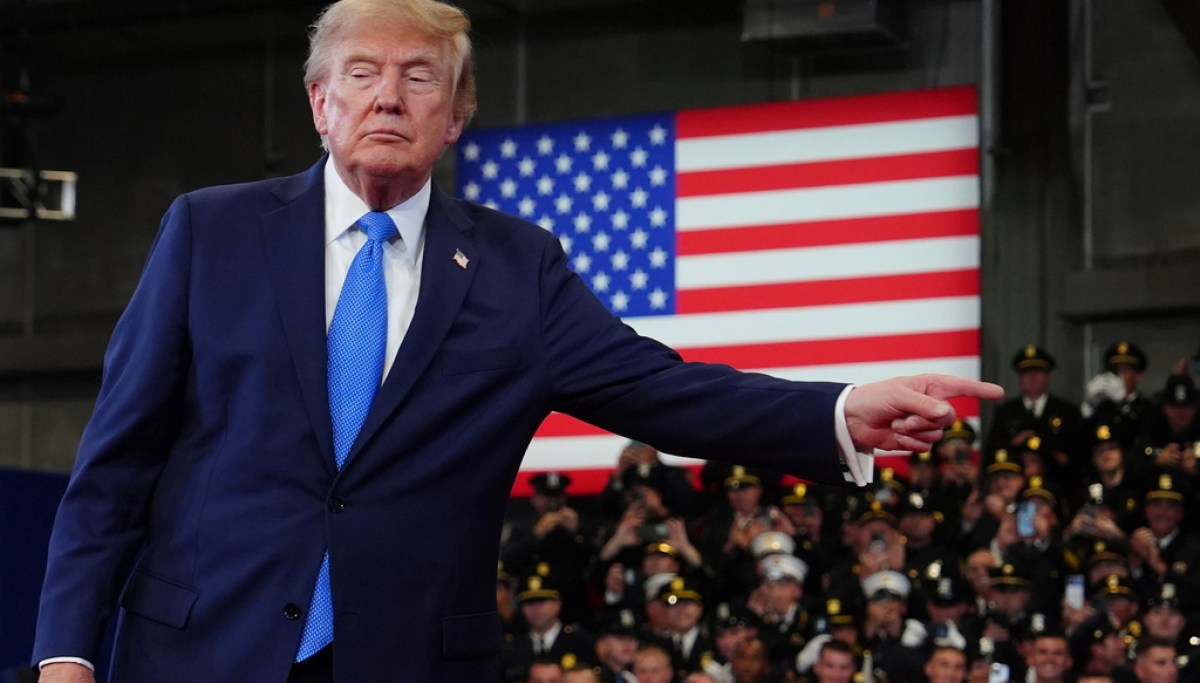
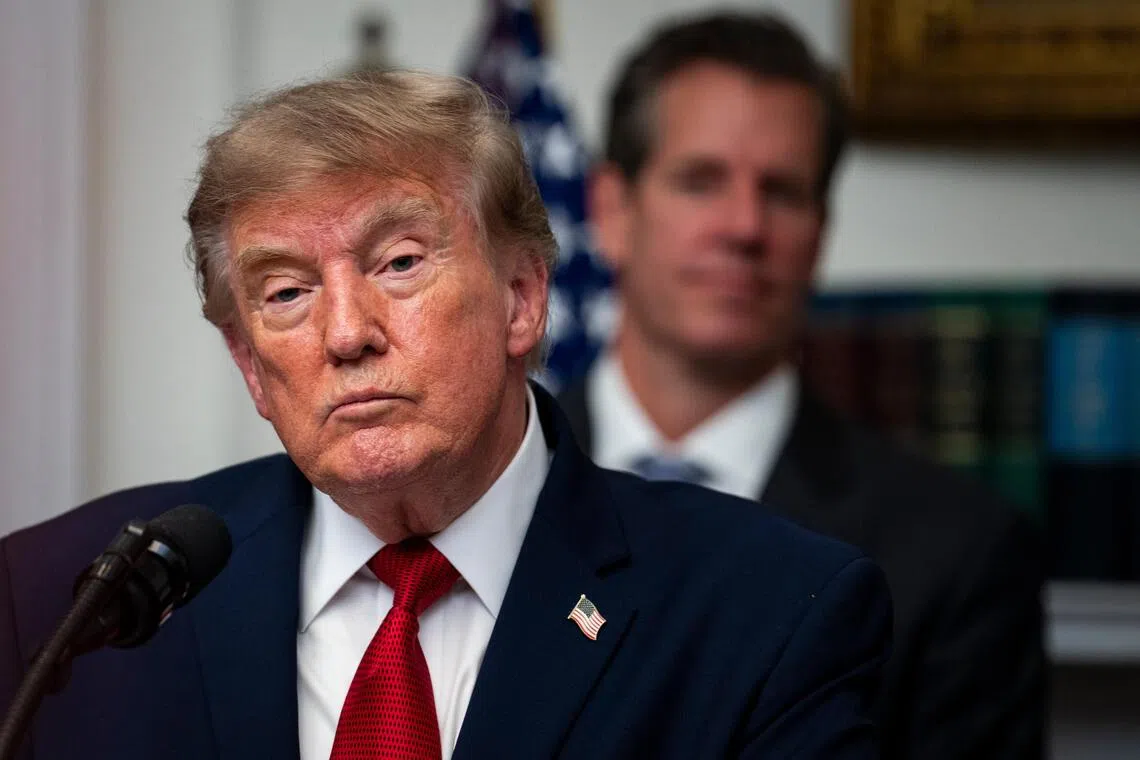
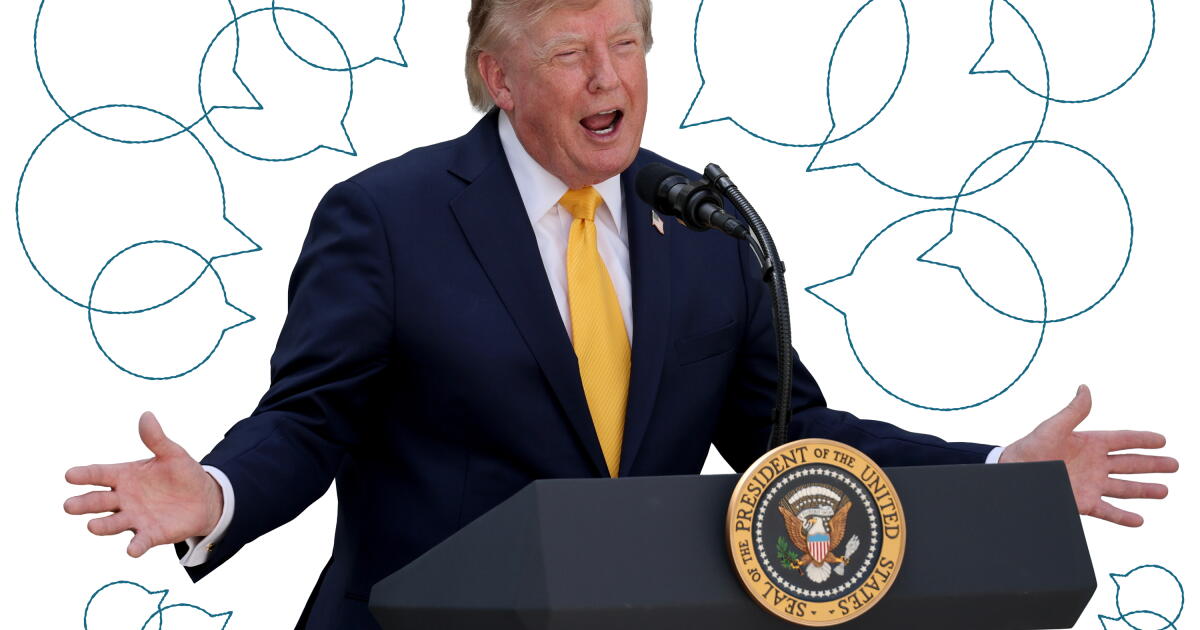
If President Donald Trump’s ultimate goal is to force a genuine transformation or bring a rival — Iran, for example — to the bargaining table, it must ask the crucial question: is there a viable “within” strategy ready to deploy?
asserted
it → force → question
Without internal channels, popular momentum, or a clear architecture for succession, tactical success will consistently fail to yield strategic victory.
asserted
success → fail → victory
Destroying the old order is always the easier task.
asserted
Destroying → destroy → order
…and 2 more, not listed.
 The Aporia