Trump pledges ‘economic warfare’ on Iran, prompting Tehran derision
AI
asserted
Trump → pledge → derision
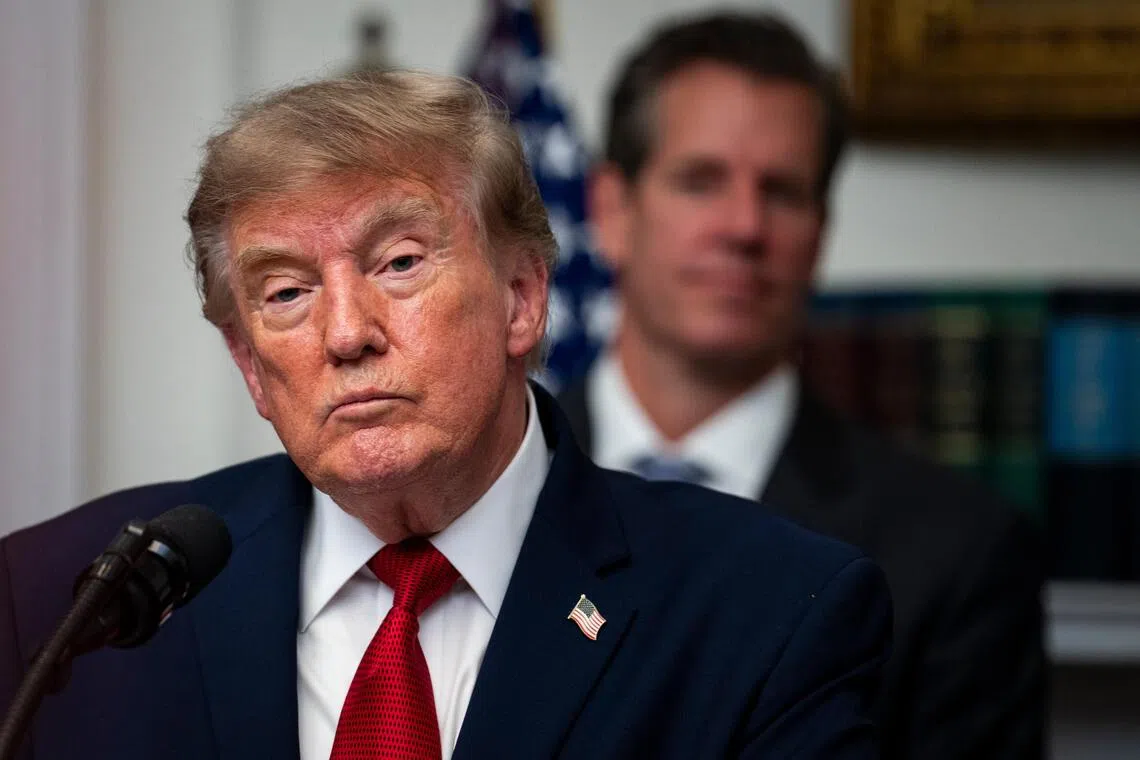
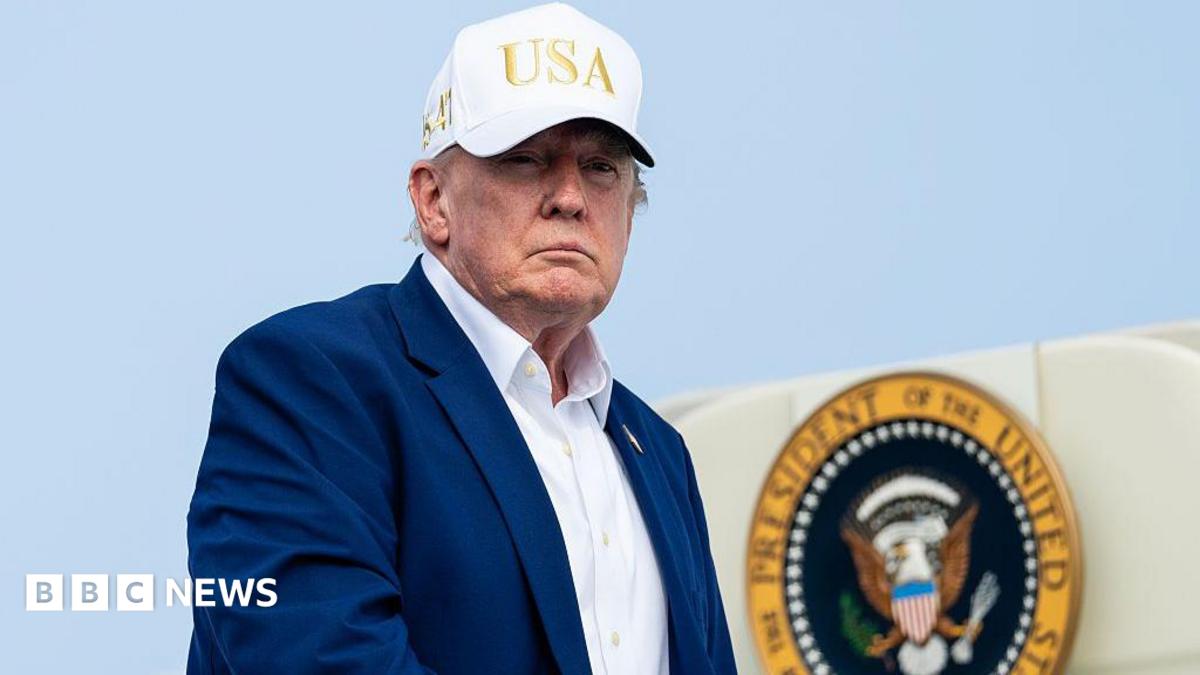
US President Donald Trump pledged “economic warfare” against Iran and threatened any country that trades with it, prompting Iran to dismiss the plan on Aug 20 as a continuation of failed policies.
asserted
that → pledge → policies
The war between the two countries, started by the US and Israel in February, appears stalemated, with peace talks stalled, Tehran keeping the key Strait of Hormuz shut and Washington persisting with a naval counter-blockade of Iran.
asserted
Washington → start → Iran
Under pressure at home over the economic impacts of this unpopular war and with midterm elections looming, Trump appeared to be searching for alternative ways to pressure Tehran.
asserted
Trump → loom → Tehran
In a post on his Truth Social, the US leader said he was announcing “the MOST CRUSHING ECONOMIC OPERATION EVER TAKEN AGAINST ANY COUNTRY!
asserted
he → say → COUNTRY
“ANY country that allows its financial institutions, businesses, airports, or government entities to provide any type of lifeline to Iran will itself face TREMENDOUS Economic Consequences,” he said.
asserted
he → allow → Consequences
The US has maintained punishing sanctions against Iran for decades, with Trump in his 2017-2021 first term ratcheting them up as part of a “maximum pressure” strategy in which he tore up a nuclear deal negotiated by his predecessor Barack Obama.
asserted
he → maintain → predecessor
Iran’s Foreign Minister Abbas Araghchi on Aug 20 dismissed the plan as a continuation of “failed policies”, which he said would bring Washington “further defeat”.
asserted
he → dismiss → defeat
“The so-called ‘Economic D-Day’ is a diversion from America’s own crisis: unprecedented debt & surging interest costs.
asserted
Day → call → crisis
Doubling down on failed policies will only bring further defeat – and enmity of Iranians,” Araghchi said in a post on X.
“US economic terrorism threatens global economy and sovereignty worldwide.”
asserted
terrorism → double → economy
Despite the heavy international sanctions, Iran found ways to continue exporting its oil, with China the biggest buyer.
asserted
China → find → oil
In his threat to those helping Iran, Trump did not mention any country by name, nor did he say what punishment third countries might face, although last August, the US slapped an additional 25 per cent tariff on India for buying Russian oil.
uncertain
US → help → oil
The US leader listed several activities that he said needed to stop immediately: “oil smuggling, swap lines, cash transfers, exchange houses, ship registries, front companies”.
asserted
he → list → activities
Like Russia, Tehran operates a so-called shadow fleet of tankers, all of which are under international sanctions, to continue its oil trade.
asserted
all → operate → trade
It is unclear what additional impact any fresh sanctions would have, given the US blockade of Iranian ports.
uncertain
sanctions → have → ports
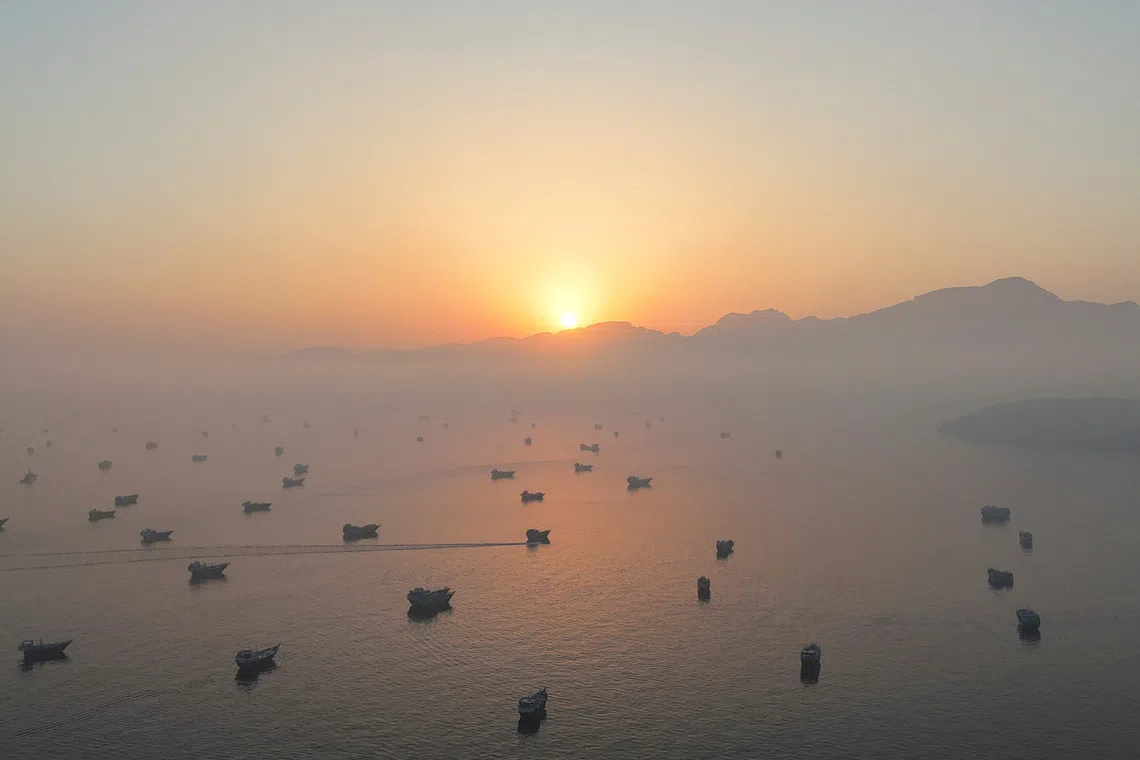
Tehran, though, continues to exert its own economic pressure campaign by keeping the strait of Hormuz largely closed.
asserted
Tehran → continue → Hormuz
Before the war, around a fifth of global oil supplies travelled through the strait.
asserted
fifth → travel → strait
Attacks on shipping in Hormuz have continued, despite the lull in the wider war, while on Aug 19 Iran’s Revolutionary Guards warned Gulf countries against assisting the US.
asserted
Guards → continue → US
That came after the United Arab Emirates said it was severing economic ties with Tehran over attacks on its shipping.
asserted
it → come → shipping
‘Diplomacy is doomed’
asserted
Diplomacy → doom → ?
While it has been several weeks since the last round of tit-for-tat strikes, Iran has taken a more confrontational stance say analysts.
asserted
analysts → take → stance
Ahmad Zeidabadi, a Tehran-based international relations expert, told AFP the shift reflected Iran’s assessment of Washington’s intentions.
asserted
shift → base → intentions
“The Islamic republic believes the United States has likely ruled out war and now seeks to perpetuate the status quo including the US naval blockade and the economic pressure,” he said.
asserted
he → believe → blockade
He said the “Iranians believe that diplomacy is doomed to fail in the current climate” and that “they may feel compelled to resort to offensive action to force the US to accept Iranian conditions”.
uncertain
they → say → conditions
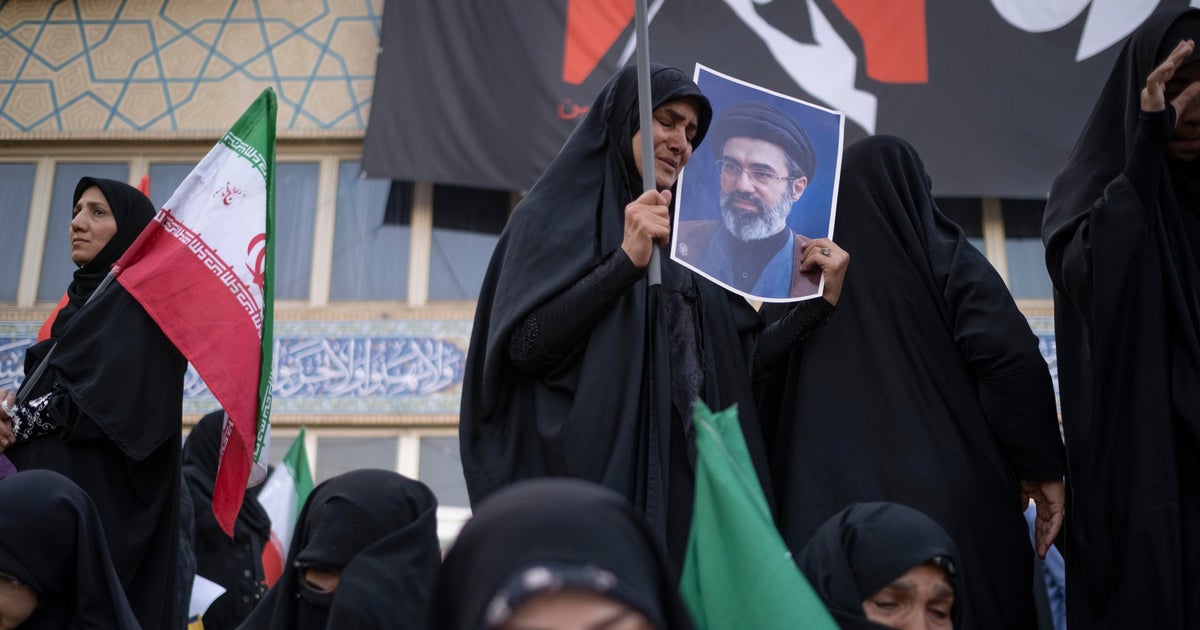
The tougher stance was also reflected in Iranian supreme leader Mojtaba Khamenei appointing a number of hardliners to senior security positions in recent weeks.
asserted
Khamenei → reflect → weeks
“These appointments are demonstrative of Iran believing it will be in a wartime footing for the foreseeable future,” said Jason Brodsky, policy director of the US-based United Against Nuclear Iran think tank.
asserted
Brodsky → believe → tank
The war has also continued to spread, sucking in and reigniting Yemen’s smouldering civil war.
asserted
war → continue → war
On Aug 20, the Revolutionary Guards warned that Saudi Arabia would not be able to contain Tehran’s allies, the Houthi rebels.
asserted
Arabia → warn → allies
The group, which controls swathes of Yemen and has been at war with Riyadh for over a decade, has declared a maritime blockade of Saudi Arabia and attacked ships in the Red Sea.
asserted
which → control → Sea
 The Aporia