The Federal Reserve raised its benchmark interest rate by a quarter percentage point to a range of 3.75%-4%, citing persistent inflation and economic resilience as reasons for this increase. However, critics argue that this move significantly increases borrowing costs for everyday Americans, making major purchases like homes and cars more unaffordable and stifling upward mobility. The article questions the Fed’s approach, suggesting it may be ineffective against supply-side shocks driving inflation but harmful to consumers and small businesses.
Written locally by qwen2.5:14b on 2026-09-19,
using this article's own text rather than the other coverage of the
same event (that is the story summary below).
Story summary
On September 16, 2023, the Federal Reserve is expected to raise its benchmark interest rate by 25 basis points to a range between 3.75% and 4.00%, according to predictions from financial analysts like CME Group's FedWatch tool. This move reflects growing concerns over inflation, which has risen above the central bank’s target of 2%, despite previous attempts at stabilization. The decision comes amid pressure from President Donald Trump for lower rates and economic turbulence due to rising oil prices following conflicts in the Middle East, pushing crude costs past $100 per barrel. Despite political tensions, financial markets overwhelmingly anticipate a rate hike to combat inflation, with some economists predicting additional increases before year-end to achieve a “timelier return” to the 2% target.
Written for “Fed Interest Rate Hike” on 2026-10-05,
grounded in this article and the 55 other(s) covering the same event.
For millions of hardworking people, the dream of owning a home, buying a new car, or building a small business just received another crushing blow.
asserted
dream → own → blow
On Wednesday, the Federal Open Market Committee announced its first interest rate hike in more than three years.
asserted
Committee → announce → years
The Fed increased its benchmark rate by a quarter percentage point, pushing the target range to 3.75%-4%.
asserted
Fed → increase → %
The decision feels less like a calculated economic cure and more like a direct penalty on ordinary citizens.
asserted
decision → feel → citizens
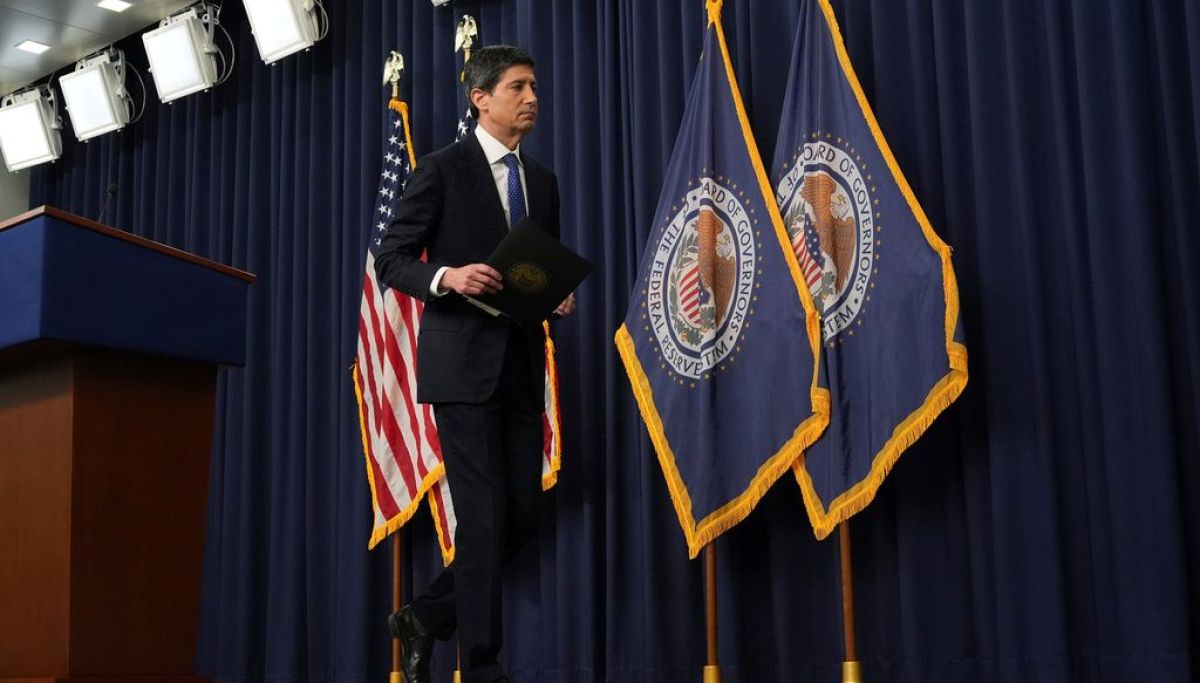
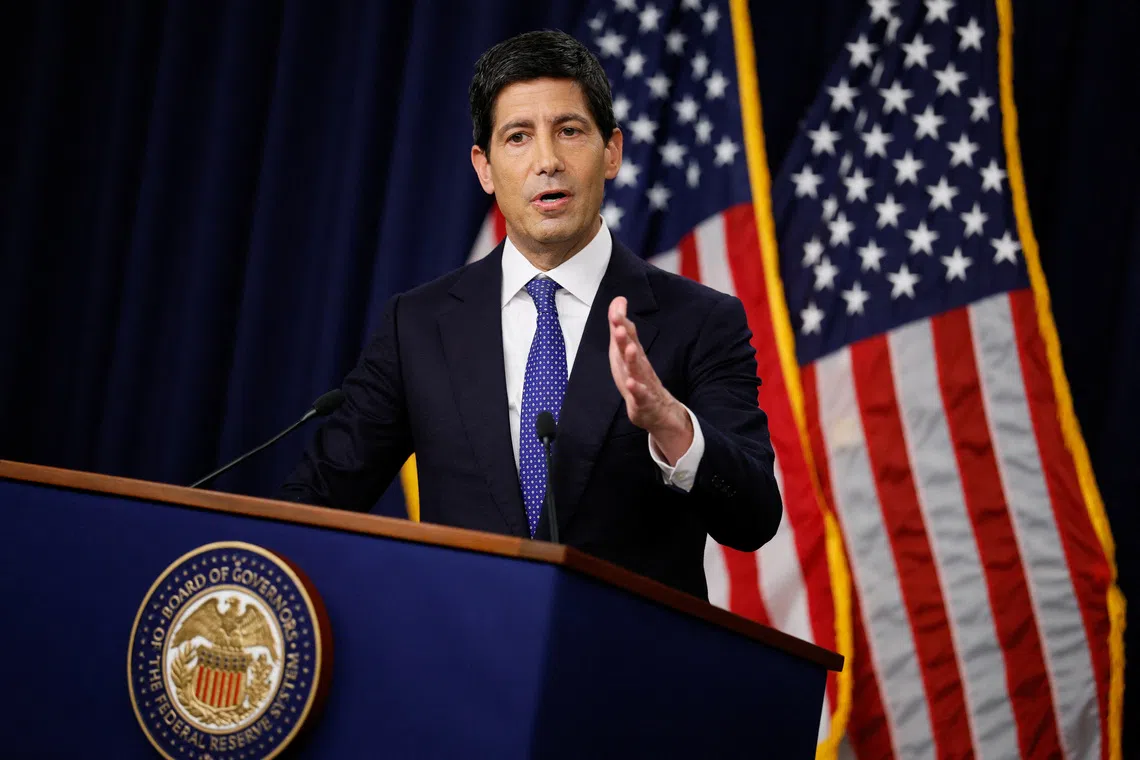
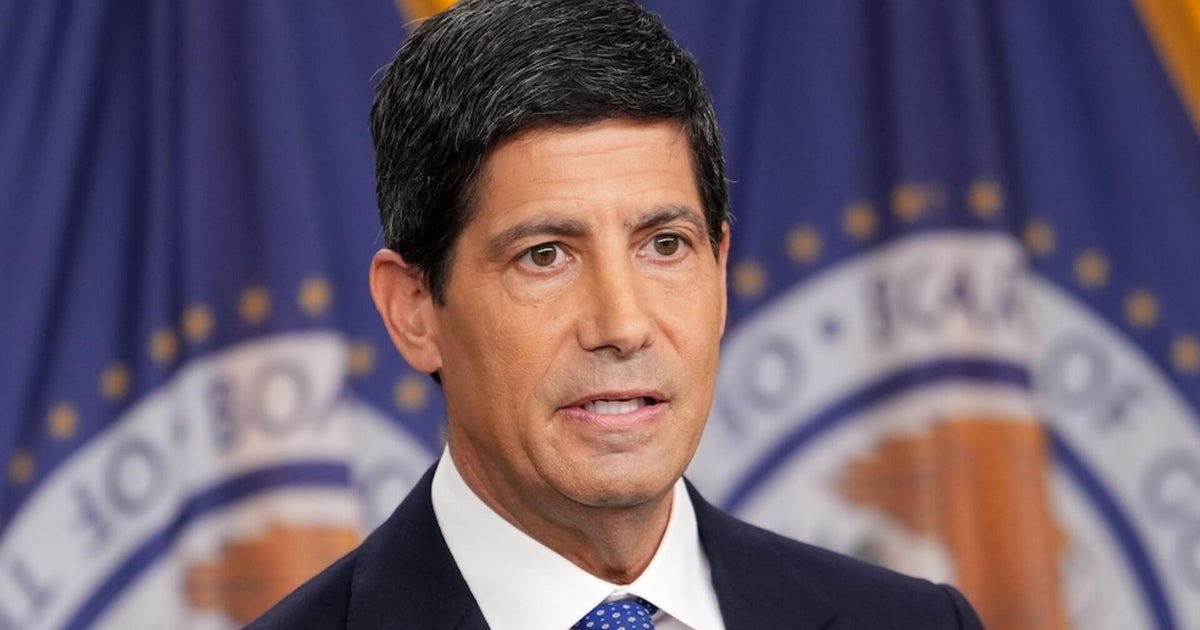
As Federal Reserve Chairman Kevin Warsh tightens monetary policy to fight elevated inflation, everyday people are left asking a painful question: Is the central bank destroying the American dream in order to save it?
asserted
bank → tighten → it
The Fed claims it is trapped by economic reality.
uncertain
it → claim → reality
According to its statement, the 12-0 unanimous vote stems from an economy that expands at a solid pace alongside resilient domestic spending.
uncertain
that → accord → spending
Yet, inflation remains elevated above the 2% target.
asserted
inflation → remain → target
Spurred by surging oil prices and global geopolitical tensions, prices refuse to cool down.
asserted
prices → spur → prices
Central bank purists view today’s hike as an aggressive but necessary step to anchor prices.
asserted
purists → view → prices
They argue that letting inflation run unchecked does far more damage to working-class families than higher borrowing costs ever could.
uncertain
costs → argue → families
Main Street, however, feels a completely different reality.
asserted
Street → feel → reality
When the Fed raises its benchmark rate, borrowing costs skyrocket across the board.
asserted
costs → raise → board
Average 30-year mortgage rates are already hovering near historic highs, and this move will push them even further out of reach.
asserted
move → hover → reach
For a young couple trying to purchase their first home, today’s announcement prices them out of the market entirely.
asserted
announcement → try → market
Credit card debt becomes costlier to carry, and auto loans turn prohibitively expensive.
asserted
loans → become → ?
Furthermore, a rational analysis reveals a major flaw in the Fed’s current playbook.
asserted
analysis → reveal → playbook
Raising interest rates is a blunt instrument designed to curb domestic demand, but much of today’s sticky inflation stems from supply-side shocks that the Fed cannot fix.
asserted
Fed → raise → that
A rate hike cannot drill more oil to lower gas prices, nor can it solve global shipping bottlenecks.
asserted
it → drill → bottlenecks
Instead, higher interest rates dramatically increase the cost for the federal government to service its own massive national debt.
asserted
government → increase → debt
We are entering a vicious cycle where monetary tightening squeezes the private sector while doing nothing to stop federal overspending.
asserted
tightening → enter → overspending
This compounding economic pain is exactly why political pressure on the central bank is boiling over.
asserted
pressure → compound → bank
President Donald Trump has repeatedly called for rate cuts to support the economy, directly challenging the central bank’s current path.
asserted
Trump → call → path
With key midterm elections fast approaching, the tension between elected leaders and an independent Fed is reaching a critical point.
asserted
tension → approach → point
When an unelected body of central bankers holds the sole power to slow down the economy, it is reasonable to question whether the structure of the Federal Reserve system truly serves the public interest.
asserted
structure → hold → interest
Ultimately, the Fed’s aggressive posture may force inflation down, but the collateral damage will be measured in broken aspirations.
uncertain
damage → force → aspirations
If the only way the central bank can stabilize the dollar is by crushing the financial stability of the people who earn it, then our monetary strategy is broken.
asserted
strategy → stabilize → it
If the Fed continues to lower hope and raise barriers to the American dream, the growing consensus on Main Street will only get louder: It is time for the current playbook to go.
asserted
playbook → continue → Street
 The Aporia