Your credit card debt is about to get more expensive — What you can do about it

New York Post · collected 2026-09-16 · by Will Kenton
Read the original at New York Post ↗

Summary

The Federal Reserve announced an increase in the federal funds rate to between 3.75% and 4.00%, leading to stock market declines but relatively stable long-term treasury yields. With Americans holding an average credit card debt of $6,659 at a current interest rate of 19.56%, this hike is expected to further increase borrowing costs for individuals with outstanding balances. The article discusses contrasting views on whether the Fed's actions will curb inflation effectively or lead to economic downturns and increased unemployment.
Written by the local model on 2026-09-17, using this article's own text rather than the other coverage of the same event (that is the story summary below).

Signals How these are calculated →

Claims extracted
34
claim-shaped sentences
Uncertain
24%
8 of 34 hedged
Leaning
Leans left
of the writing, not the subject
Correction & hedging signals
59.0
corrections and hedging in what we collected; not a measure of accuracy
Outlets on this story
20
Economy/Business
Narrative spread
1
articles carrying this framing
Analyzed 2026-09-17 · how these are computed

AI analysis (generated at analysis time, not now)

Story summary

On September 16, 2023, the Federal Reserve is expected to raise interest rates by 25 basis points to a range between 3.75% and 4.00%, according to predictions from the CME Group's FedWatch tool which show a nearly 90% likelihood of this happening. This rate hike, aimed at curbing inflation that has remained above the Fed’s goal despite previous efforts, is likely to anger President Donald Trump who has repeatedly called for lower rates. Despite pressure from Trump and Vice President JD Vance, financial markets anticipate the central bank will act decisively due to high oil prices and ongoing geopolitical tensions in the Middle East pushing inflation levels up again. The decision comes amid concerns that higher borrowing costs could further strain an already stressed economy, particularly affecting home buyers and those seeking loans or credit cards.

Written for “Fed Interest Rate Hike” on 2026-09-17, grounded in this article and the 19 other(s) covering the same event.
Why this leaning score
The article's own words the score was based on. Each is quoted verbatim and was checked against the article text before being stored, so you can find it in the original.
Score -0.35 Confidence medium
Leaning score -0.35 for article 14550 (medium confidence, 2 verified quotes) · logged 2026-09-17

Story

📰 Fed Interest Rate Hike
Economy/Business · 20 article(s) covering the same event.

How this is being covered How these are calculated →

Article leaning vs. publisher reliability
Source leaning vs. consistency

Compared with similar articles

This article reads leans left and hedges 24% of its claims. Each row says how that neighbour differs.
CBS News
⚖️ leaning not scored 🔴 29% hedged 7 of 24 📰 publisher trust 77
“Both articles describe the Federal Reserve's decision on September 16, 2026, to raise interest rates by 25 basis points.”
ABC News (AU)
⚖️ Leans left 🔴 7% hedged 2 of 27 📰 publisher trust 60
“Both articles describe the exact same Fed rate hike decision on September 16, 2026.”
ABC News (AU)
⚖️ Leans left 🔴 8% hedged 2 of 26 📰 publisher trust 60
“Both articles describe the exact same Federal Reserve rate hike announcement on the same day.”
Washington Examiner
⚖️ leaning not scored 🔴 5% hedged 1 of 19 📰 publisher trust 96
“Both articles describe the Federal Reserve raising interest rates on the same day in Washington, DC, with related market reactions.”
ABC News (AU)
⚖️ leaning not scored 🔴 3% hedged 1 of 29 📰 publisher trust 60
“Both articles describe the exact same event of the Federal Reserve raising interest rates on the same day.”
The Straits Times
⚖️ Leans right further right than this 🔴 27% hedged 4 of 15 📰 publisher trust 59
“Both articles describe the Federal Reserve's decision to increase interest rates on September 16, 2026.”
The Guardian
⚖️ leaning not scored 🔴 4% hedged 1 of 24 📰 publisher trust 60
“Both articles discuss the US Federal Reserve's decision to increase interest rates in response to surging inflation.”
Fed poised to clash with Trump same event · 95%
Semafor
⚖️ Leans left 🔴 29% hedged 2 of 7 📰 publisher trust 95
“Both articles describe the Federal Reserve's decision to raise interest rates on the same day and within the context of similar economic conditions.”
Global News
⚖️ Leans left 🔴 25% hedged 9 of 36 📰 publisher trust 57
“Both articles describe the Fed's decision on September 16, 2026, to raise interest rates despite pressure from President Trump.”
ABC News (US)
⚖️ leaning not scored 🔴 15% hedged 3 of 20 📰 publisher trust 94
“Both articles describe the Federal Reserve's decision to raise interest rates on the same day.”

Publisher

New York Post · 905 article(s) · 4 correction(s) detected
Running correction rate · 4 correction(s)
2026-09-15
Fast food chains are making a major shift in customer service amid complaints of a ‘lonely and disconnected’ store experience
2026-09-15
Are Cocoa Puffs Maria Sten’s Favorite Cereal? The ‘Reacher’ and ‘Neagley’ Star Sets The Record Straight: “I Have to Make Clarifications”
2026-09-06
Long Island inmates in jail on drug charges use photo program to get clean
2026-09-06
‘Landman’ Season 3 Release Date Update: When Does ‘Landman’ Return With New Episodes?

Who wrote this

Will Kenton
1 article(s) here · 1 carrying a prediction
🔮 The relatively muted reaction from markets may have been an expression of mild relief that the central bank isn’t beholden to political pressure from the Executive branch, which has been pushing for an interest rate cut since Trump took office in January 2025.
The only article under this byline in the corpus.

Topics

American Fed Treasury U.S. the New York Fed

Subjects

Fed ORG · 8× American NORP · 2× Bianco PERSON · 2× U.S. GPE · 2× Experian ORG · 1× The Motley Fool ORG · 1× Treasury ORG · 1× Trump PERSON · 1× the Federal Reserve ORG · 1× the New York Fed ORG · 1×

Narrative

The most hands-on, immediate approach for paying down individual debt involves well-known repayment strategies like the debt avalanche, which prioritizes paying off accounts with the highest interest rates first, and the debt snowball method, which focuses on clearing the smallest balances first to build psychological momentum.
framing: mixed · carried by 1 article(s) · first seen 2026-09-17
🔮 The relatively muted reaction from markets may have been an expression of mild relief that the central bank isn’t beholden to political pressure from the Executive branch, which has been pushing for an interest rate cut since Trump took office in January 2025.

Claims (34 extracted, 8 hedged)

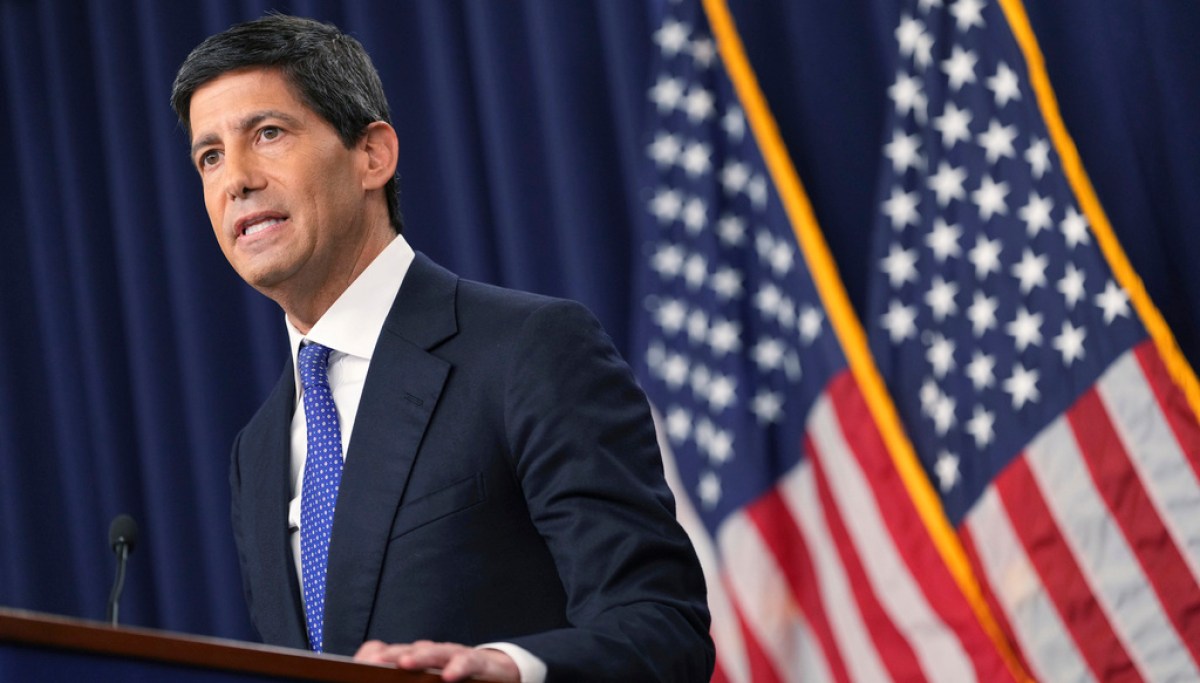
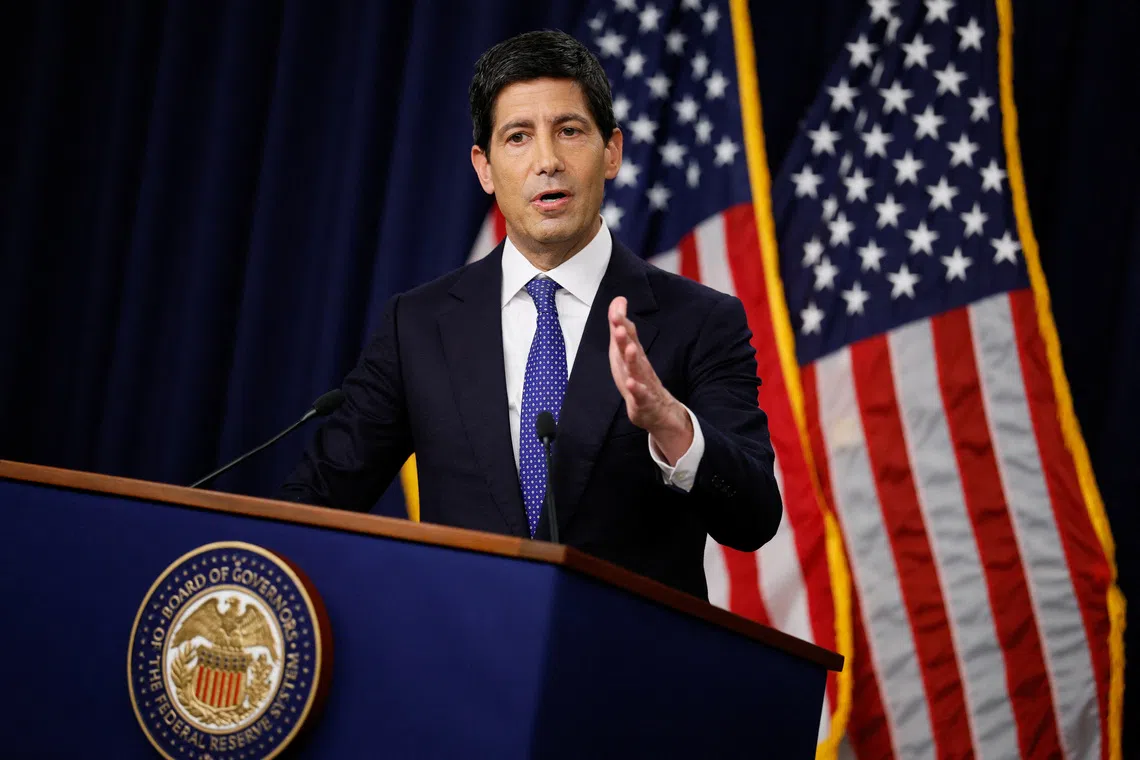
The Fed announced today that it was going to increase the target range for the federal funds rate by one quarter percentage point to 3.75% to 4.00%. asserted
it → announce → %
The rate increase was widely expected, and in the immediate aftermath of the announcement, stocks traded down with the Dow shedding 0.80% and the S&P 500 losing 0.24%. asserted
S&P → expect → %
Treasury yields on 10-year notes remained below the psychologically important 5.00% level. asserted
yields → remain → level
The relatively muted reaction from markets may have been an expression of mild relief that the central bank isn’t beholden to political pressure from the Executive branch, which has been pushing for an interest rate cut since Trump took office in January 2025. uncertain
Trump → push → January
It may also signal some faith that the Fed is willing to take the appropriate steps to quell remaining inflation. uncertain
Fed → signal → inflation
But the rise in short-term rates should be making individual borrowers ask what that means for their debt. asserted
that → make → debt
According to the New York Fed, total non-household debt (everything but the mortgage) in the U.S. was $5.1 trillion in Q2 2026. uncertain
debt → accord → Q2
An analysis by The Motley Fool calculates the average American has $11,694 in unsecured personal loan debt with an interest rate of 11.86% on a 24 month loan, and according to the consumer credit bureau Experian, the average credit card balance is $6,659. uncertain
balance → calculate → bureau
Bankrate data puts the current average interest rate on all credit cards at 19.56%. asserted
data → put → %
Even when the Federal Reserve began to cut rates late last year in the face of a softening job market, credit card rates in 2026 did not drop proportionately. asserted
rates → begin → 2026
Issuers have maintained a high margin (the Prime Rate + 12% to 13%), keeping the floor for consumer revolving debt painfully high for most. asserted
Issuers → maintain → most
The current hike in interest rates should only push the interest on credit cards higher. asserted
hike → push → cards
The debate on whether this rate hike will be good for the average American has revolved around two views that can be summed up by a tweet from market researcher Jim Bianco: asserted
that → revolve → Bianco
The crux of the debate between Bianco and Moody’s Chief Economist Mark Zandi is whether the Fed hiking rates into a supply shock could result in pushing U.S. growth “below potential” and induce “layoffs, rising unemployment” and ignite a “self-reinforcing negative cycle.” uncertain
hiking → hike → cycle
Bianco, on the other hand, argues that a more aggressive Fed will bring down 10-year yields by signaling it’s taking inflation seriously. asserted
it → argue → inflation
Other market experts also see a silver lining in the Fed’s more aggressive stance. asserted
experts → see → stance
Melissa Cohn, Regional Vice President of William Raveis Mortgage, argues that when the Fed pulls the trigger on short-term rates, it signals backbone to financial markets, giving traders “more confidence that the Fed is actually going to fight inflation,” which will lead to lower long-term rates. asserted
which → argue → rates
That may have a trickle-down effect on mortgages, which could see some relief from recent highs of 7.22%. uncertain
which → have → %
In a recent survey by Newrez, 84% of homeowners with credit card debt say paying off their credit card debt is a high priority and the same number of respondents say owning a home is one of the best ways to build long-term wealth. asserted
owning → say → wealth
In addition, more than half of respondents (52%) say they researched debt consolidation options during the past year, while many are considering additional strategies that could help them pay down debt more efficiently. uncertain
them → say → debt
Consumer worries about debt appear to be as complicated as the monetary and economic picture facing the Fed. asserted
worries → appear → Fed
Americans have record amounts of equity in their homes, but they have been adding credit card debt as inflation has spiraled. asserted
inflation → have → debt
The solution could be tapping that equity for debt consolidation in concert with belt-tightening. uncertain
solution → tap → tightening
The most hands-on, immediate approach for paying down individual debt involves well-known repayment strategies like the debt avalanche, which prioritizes paying off accounts with the highest interest rates first, and the debt snowball method, which focuses on clearing the smallest balances first to build psychological momentum. asserted
which → pay → momentum
For those looking to streamline multiple payments, debt consolidation is a highly effective tool. asserted
consolidation → look → payments
By taking out a single personal loan with a lower interest rate than your credit cards, you can pay off multiple rotating balances. asserted
you → take → balances
This leaves you with just one predictable monthly payment and reduces the amount of interest accruing each month. asserted
This → leave → interest
When your debt feels entirely unpayable, structured relief options come into play. asserted
options → feel → play
Credit counseling from non-profit agencies can enroll you in a Debt Management Plan (DMP) and negotiate with creditors to lower your interest rates and waive fees, allowing you to repay the full principal over three to five years. asserted
you → enroll → years
The best way to not get squeezed by higher interest rates is to act now to get your debt under control. asserted
debt → squeeze → control
This article was written by Brooklyn-based financial journalist and Commerce Editor for the New York Post Will Kenton. asserted
article → write → Kenton
Specializing in investing, personal finance and retirement planning, Will’s expertise is rooted in behavioral economics — a field he explored as associate editor of the New School Economics Review. asserted
he → specialize → Review
Will aims to help readers navigate the “predictable irrationality” that influences financial decisions, providing practical real-world solutions to student loan debt, investments, mortgages and more. asserted
that → aim → debt
Before joining The Post in 2026, Will covered the intersection of money, economics and culture for Investopedia, AP News, Business Insider and TIME Stamped. asserted
Will → join → Investopedia

💬 Give feedback
🕘 History 🎫 Support