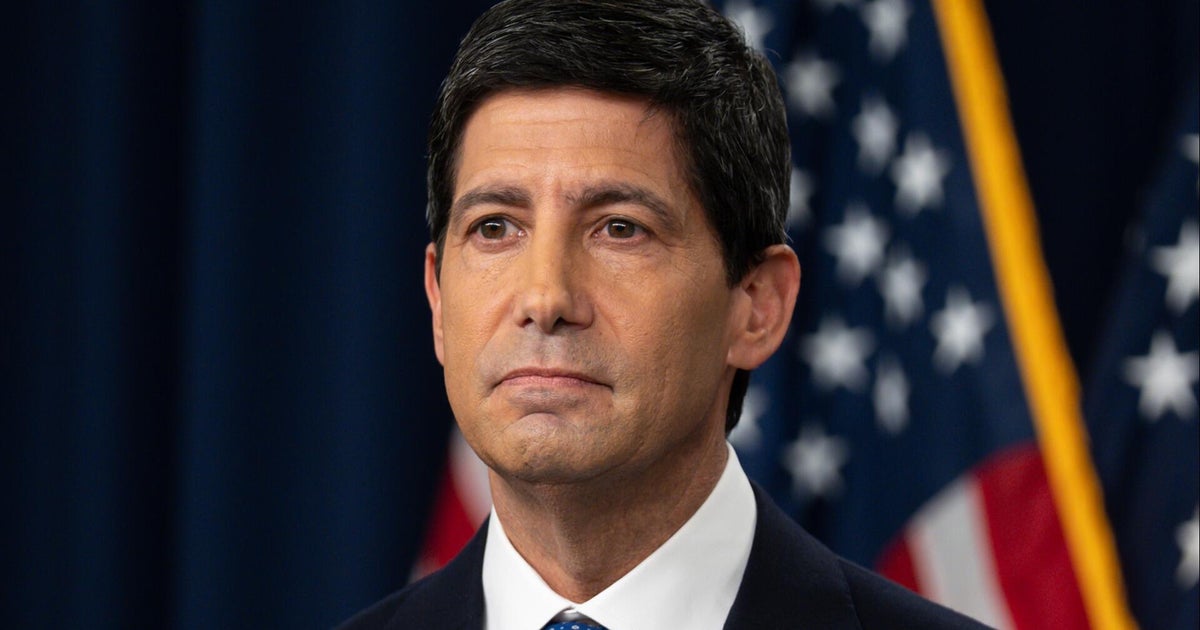
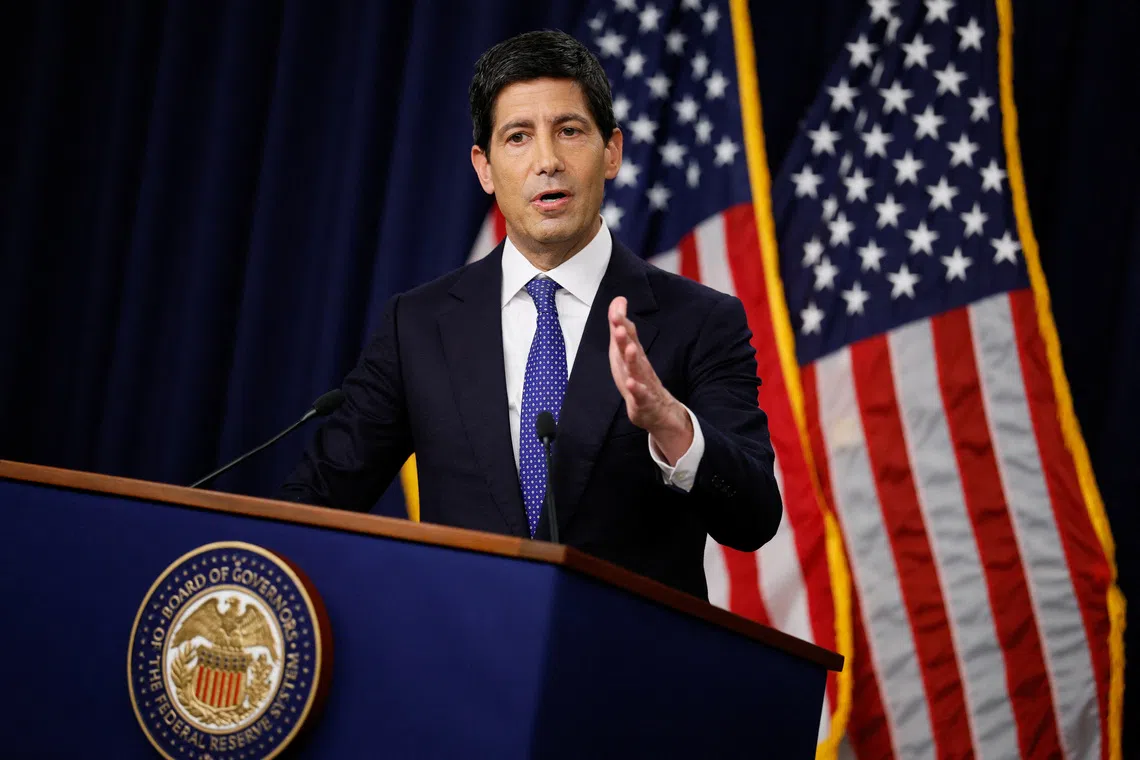
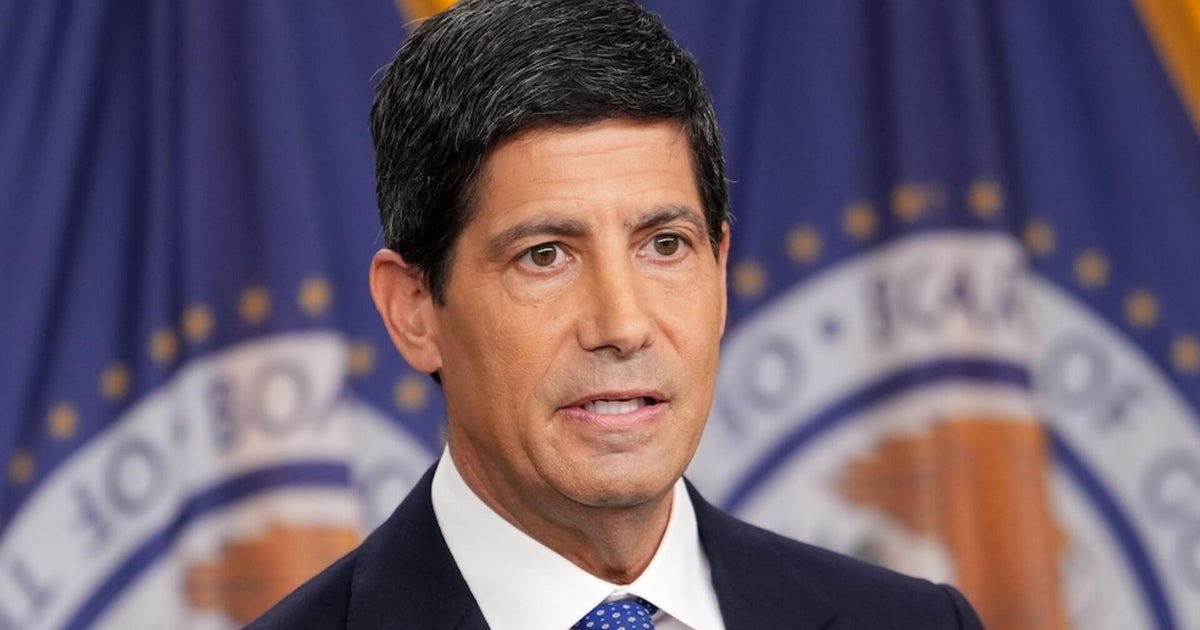
The United States Federal Reserve raised its benchmark interest rate by a quarter of a percentage point on Wednesday, marking the first increase in over three years. This move was made to address rising inflation, which reached 3.4% last month, significantly above the Fed’s target of 2%. The decision was unanimous among all 12 members of the FOMC, with Chair Kevin Warsh emphasizing that high inflation needs timely action to return to a 2% goal. This rate hike will likely impact consumers and businesses through higher borrowing costs for credit cards, mortgages, and other loans.
Written by the local model on 2026-09-17,
using this article's own text rather than the other coverage of the
same event (that is the story summary below).
Story summary
On September 16, 2023, the Federal Reserve is expected to raise its benchmark interest rate by 25 basis points to a range between 3.75% and 4.00%. This marks the first hike since late 2023 and reflects growing concerns over inflation, which has remained stubbornly high despite earlier efforts to curb it. The decision comes amid pressure from financial markets anticipating higher rates but against opposition from President Donald Trump, who demands lower interest rates or no changes at all.
The rate increase aims to address elevated inflation, currently above the Fed's target of 2%, and could further impact borrowing costs for mortgages, personal loans, and credit cards. However, it also benefits savers by providing higher returns on their funds if they move them into alternative high-yield savings accounts or other lucrative account types with rates exceeding the current average of 0.38%.
Central bankers in Japan and the UK are facing similar challenges regarding interest rate policy this week as global inflation continues to rise, particularly due to surging oil prices surpassing $100 per barrel for the first time since July 2023. This situation underscores a broader economic landscape where central banks must navigate between managing inflation risks and avoiding potential negative impacts on borrowing costs and economic growth.
Written for “Fed Interest Rate Hike” on 2026-09-17,
grounded in this article and the 27 other(s) covering the same event.
For the first time in more than three years, the United States Federal Reserve has raised interest rates amid mounting inflationary pressures and consumer frustration.
asserted
Reserve → raise → pressures
The unanimous decision on Wednesday, supported by all 12 members of the Federal Open Market Committee (FOMC), raised rates by a quarter of a percentage point, underscoring the central bank’s commitment to lowering prices.
asserted
decision → support → prices
Recommended Stories
list of 3 items- list 1 of 3Oil soars to $109, pushing up chances of US interest rate increase
- list 2 of 3Benchmark US government bond yield hits 19-year peak as oil prices surge
- list 3 of 3US
asserted
prices → soar → peak
Fed raises interest rates for first time in three years
asserted
Fed → raise → years
The Fed’s benchmark rate is now set between 3.75 percent and 4 percent.
asserted
rate → set → percent
“The plain fact is that inflation is too high and has been for too long,” US Federal Reserve Chair Kevin Warsh told reporters.
asserted
Warsh → tell → reporters
Here’s what you need to know:
asserted
you → ’ → what
Why did this happen?
asserted
this → happen → ?
The US Fed has a dual mandate of maximising employment and stabilising prices, maintaining a 2 percent inflation target.
asserted
Fed → have → target
After soaring for years during the COVID-19 pandemic, inflation had finally started to taper closer to target.
asserted
inflation → soar → target
But over the last several years it has been on the upswing once again and hit 3.4 percent last month.
asserted
it → hit → percent
That comes on the back of tariffs unleashed by President Donald Trump on most trading partners, as well as by the US war in Iran and increased spending on artificial intelligence.
asserted
That → come → intelligence
The Fed said Wednesday’s rate increase “will support a timelier return to the Committee’s 2 percent goal”.
asserted
increase → say → goal
What impact will this have?
asserted
this → have → impact
The rate hike has a litany of possible economic and political ramifications.
asserted
hike → have → ramifications
The increase will hit any US consumer who is paying interest on credit card debt.
asserted
who → hit → debt
It will also make it even more expensive for those who hope to borrow for homes, automobiles and other expensive purchases.
asserted
who → make → homes
When the Fed raises the cost of borrowing it also reduces demand for items, which could impact US businesses and risk the health of the economy.
uncertain
which → raise → economy
The rate increase also comes at an inopportune time for Trump and the Republican Party, less than 50 days before the November midterm elections that will determine whether Republicans or Democrats control the US Congress.
asserted
Republicans → come → Congress
US consumers have faced years of increasingly higher prices, most recently at the gas pump with the average price for a gallon of petrol hitting $4.36 ($1.15 per litre), up 14 cents in the past week and up from $3.18 a year ago, according to the American Automobile Association (AAA).
uncertain
price → face → Association
Voters could opt to vent their frustrations at the ballot box, offering Democrats a chance to seize one – or even both – chambers.
uncertain
Voters → opt → chambers
How soon will this translate to higher prices?
asserted
this → translate → prices
US banks looking to borrow money from the Fed will immediately start paying the higher lending rate.
asserted
banks → look → rate
Consumers with credit cards, which generally have variable interest rates that closely follow the prime rate that banks charge their customers, could see their minimum payments increase within a month, as could home owners with variable interest rate mortgages.
uncertain
owners → have → mortgages
What did Trump say?
asserted
Trump → say → What
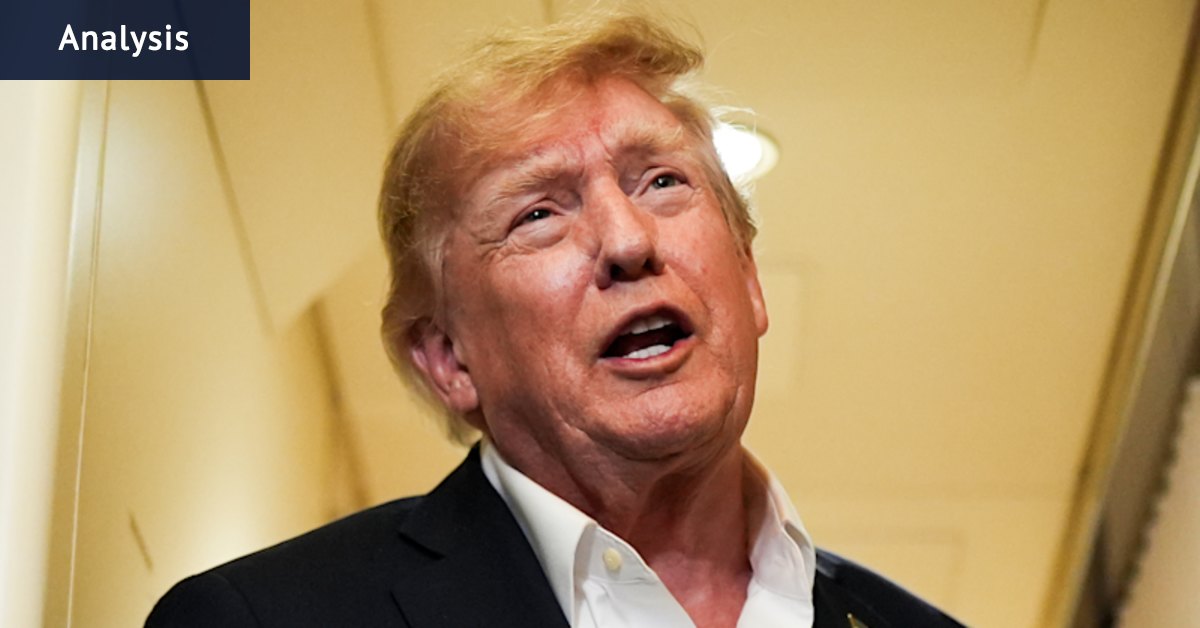
The decision is a blow for Trump, who has frequently clashed with the Fed over lowering borrowing costs.
asserted
who → clash → costs
Trump mounted a pressure campaign against the Fed’s previous chairman, Jerome Powell, over his resistance to doing so.
asserted
Trump → mount → resistance
When Powell’s term ended earlier this year, Trump handpicked his successor, Kevin Warsh, who was placed in the job in May.
uncertain
who → end → May
At the time, Trump said he would choose someone who supported lower interest rates.
asserted
who → say → rates
On Sunday during a trip to Ireland, Trump said the US “should be paying the lowest interest rate in the world” after previously threatening to cut off a large section of US trade if rates did not decrease.
asserted
rates → say → trade
On Wednesday, Warsh was asked what his message for Trump was about the rate hike.
asserted
message → ask → hike
“I’ve got nothing for you on a discussion with the president,” he replied.
asserted
he → get → president
Nearly three hours after the interest rate decision was announced, Trump lashed out.
asserted
Trump → announce → ?
“Interest Rates in the United States should be 1%, or less, because we are the Best Credit in the World — BY FAR,” he wrote on his Truth Social platform.
asserted
he → write → platform
“We are “carrying” almost every country in the World, and that cannot go on any longer.
asserted
that → carry → World
Fed members indicated on Wednesday that there would likely be another quarter-point increase this year and those rates would remain unchanged through 2027.
asserted
rates → indicate → 2027
 The Aporia