The Senate failed to advance the Clarity Act, a cryptocurrency regulation bill, on Tuesday with a vote of 49 to 50, falling short of the required 60 votes. Republicans, including Majority Leader John Thune, pushed for the bill's passage, arguing it would establish clear regulatory guidelines and ensure cooperation between financial regulators. However, Democrats such as Senator Elizabeth Warren opposed the bill, citing concerns over potential conflicts of interest and risks to national security.
Written by the local model on 2026-09-15,
using this article's own text rather than the other coverage of the
same event.
Why this leaning score
The model judged this article politically coded and scored it -0.25, but 1 quote(s) could not be found in the article and the other 1 are attributed speech rather than the article's own narration, so the score is not published.
Written under an earlier scoring contract, which gave a paragraph
rather than checkable quotes. Re-analysing this article replaces it.
Leaning score withheld for article 11998: no verified evidence · logged 2026-09-15
The Senate on Tuesday failed to advance a sweeping cryptocurrency bill known as the Clarity Act, amid opposition from Democrats and a handful of Republicans.
asserted
Senate → fail → Republicans
In a 49 to 50 vote, the measure fell short of the 60 votes needed to move forward, with all Democrats and four Republicans opposing.
asserted
Democrats → fall → votes
The bill would establish a regulatory framework for digital assets.
asserted
bill → establish → assets
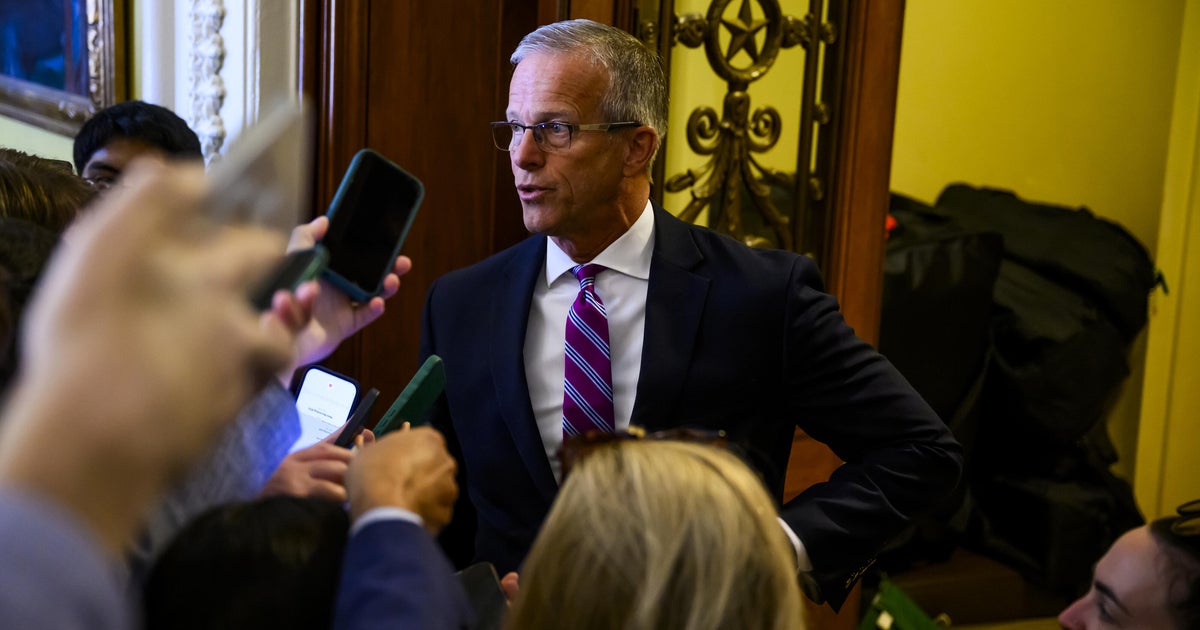
Ahead of the vote on Tuesday, Senate Majority Leader John Thune argued passing it would be the "next logical step" after Congress approved legislation last year to regulate a type of digital currency known as stablecoins.
asserted
Congress → argue → stablecoins
Thune said that landmark bill, known as the
, provided a "light-touch approach" to digital asset regulation, and credited it for the industry "moving in the right direction" in the United States.
asserted
industry → say → States
Thune, a South Dakota Republican, noted that the Clarity Act distinguishes between the jurisdictions of the Commodity Futures Trading Commission and the Securities and Exchange Commission, two financial regulators that have split crypto enforcement in sometimes confusing ways, while ensuring that they work together to "harmonize the rules."
asserted
they → note → rules
He also touted that the bill "ensures that companies can't skirt securities laws that apply to other financial assets."
asserted
that → tout → assets
And he argued that it "protects the growing number of Americans investing in and utilizing digital assets."
asserted
it → argue → assets
Thune touted the bill's support from large financial institutions and law enforcement organizations, while nodding to bipartisan backing as senators have worked for more than a year to bring it to the floor.
asserted
senators → tout → floor
Thune cited more than 100 changes made to the bill at the request of Democrats, noting that the bill's GOP sponsors released a final draft with more changes incorporated over the weekend.
asserted
sponsors → cite → weekend
He said "the question now is whether Democrats will take yes for an answer."
asserted
Democrats → say → answer
"This is a shared priority, for Republicans, Democrats and President Trump," Thune said.
asserted
Thune → share → Republicans
"We've been working at it now for over a year.
asserted
We → work → year
The only reason for this progress to end now would be if the Democrats choose politics over good policy.
asserted
Democrats → end → policy
Sen. Elizabeth Warren of Massachusetts voiced opposition to the bill on the Senate floor ahead of the vote, saying she believes "we can get crypto legislation that both Republicans and Democrats can agree on — but not this bill.
asserted
Republicans → voice → that
"
"This bill poses a massive risk to families, to our economy and to national security," Warren said.
asserted
Warren → pose → security
Warren said "we need crypto legislation that stops political self-dealing," but she argued that the Clarity Act "would turbocharge Donald Trump's unprecedented corruption."
asserted
Act → say → corruption
She claimed "no one has more to gain personally from this bill than the president of the United States."
asserted
one → claim → States
At the center of the impasse is ethics language aimed at preventing officials from profiting off of the industry.
asserted
language → aim → industry
But Democrats have argued that the latest changes to the bill don't go far enough to prevent the president and his family from profiting off of their own crypto ventures.
asserted
changes → argue → ventures
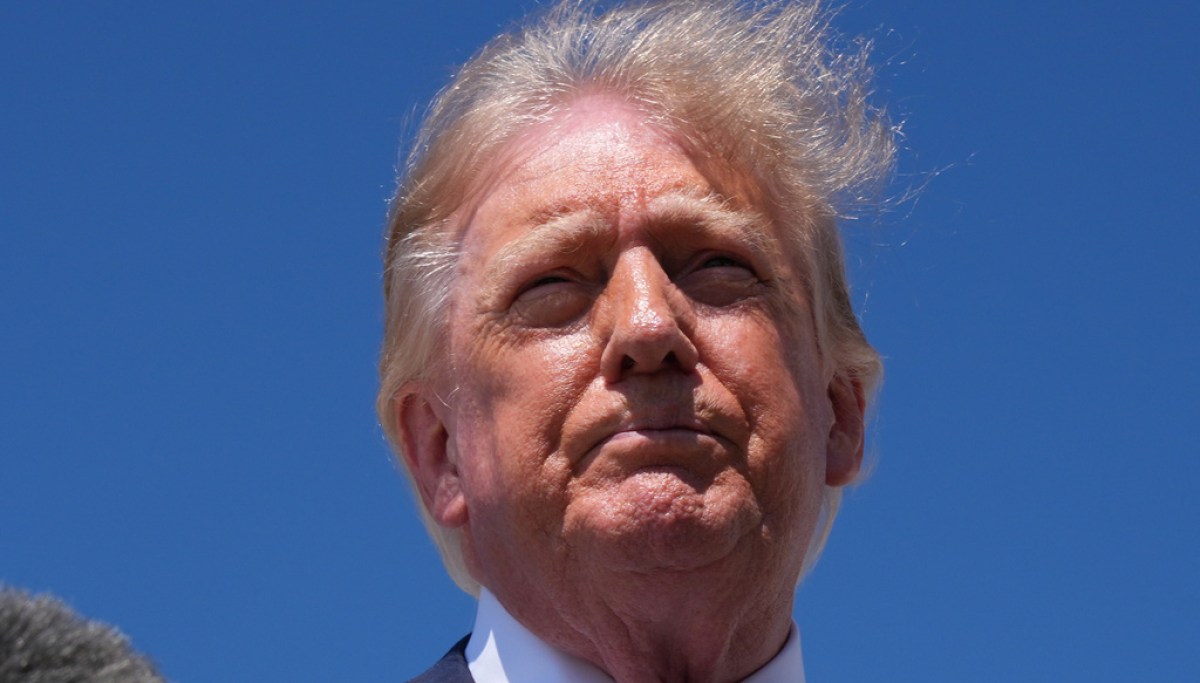
According to financial disclosures, Mr. Trump made
in crypto-related income last year, including from his meme coin business and his family's cryptocurrency firm.
uncertain
Trump → accord → business
Warren said in the latest version of the legislation, which the White House has greenlighted, Republicans included "a tiny little fig leaf that claims they're doing something about corruption, but that is carefully written to make sure that it will not prevent Donald Trump from making his next $1.4 billion in crypto profits."
uncertain
prevent → say → profits
She argued that the new text guarantees Mr. Trump will "never, ever be held accountable under the law."
asserted
Trump → argue → law
Warren urged her GOP colleagues to come to the table and "negotiate a real, bipartisan crypto bill."
asserted
Warren → urge → bill
 The Aporia