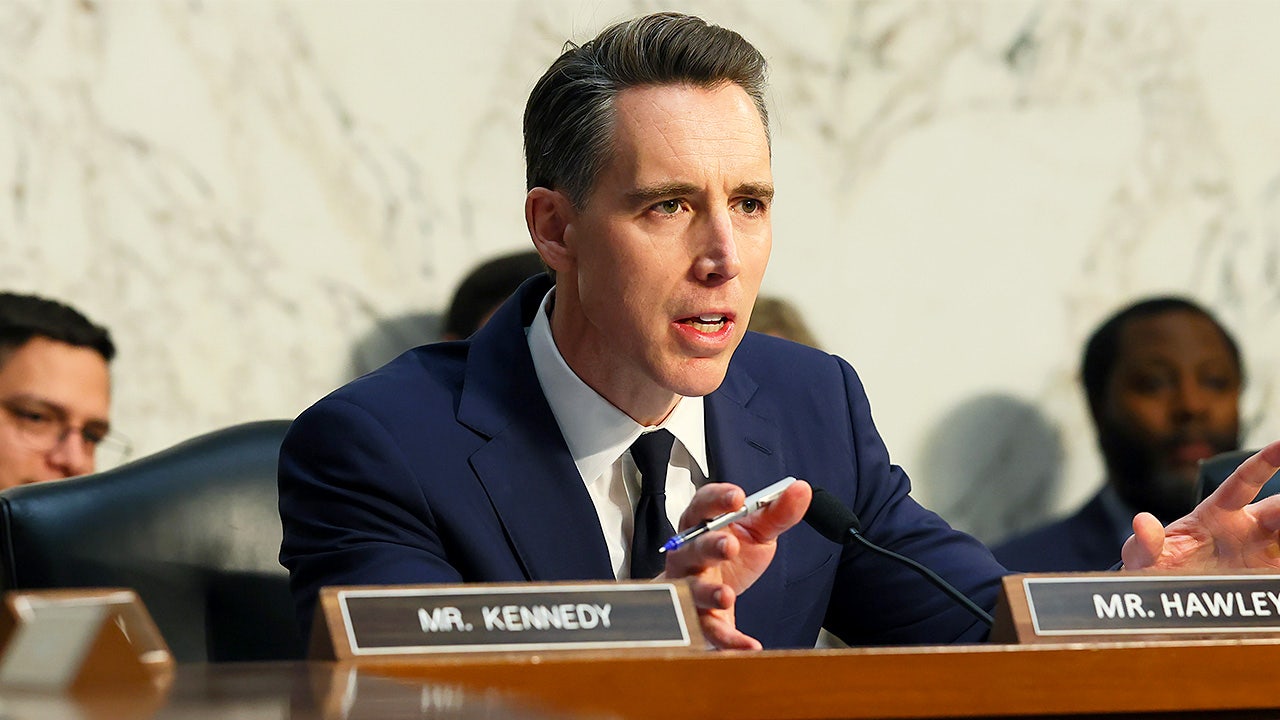
Sen. Josh Hawley, R-Mo., plans to introduce legislation aimed at closing a tax loophole for data centers established by Republicans in 2017 through the Tax Cuts and Jobs Act. The loophole, part of Opportunity Zones meant originally for low-income areas, has been exploited by tech companies to build sprawling data center facilities. Since the passage of these tax packages, over 8,746 Opportunity Zones have emerged across the U.S., with approximately 14% of all existing data centers located in such zones. Hawley’s proposed bill would explicitly exclude data centers from accessing these tax breaks, responding to growing concerns about AI development and its potential risks.
Written by the local model on 2026-09-17,
using this article's own text rather than the other coverage of the
same event (that is the story summary below).
Story summary
Sen. Josh Hawley, R-Mo., plans to introduce legislation aimed at closing a tax loophole for data centers, which was originally implemented in 2017 by Republicans. The senator argues that tech companies are exploiting this loophole, designated as Opportunity Zones meant for low-income areas and businesses, to build expansive data center facilities across the country. This move comes amid growing concerns over unchecked AI development, with data centers playing a critical role in this sector. President Donald Trump had previously referred to such concerns about data centers as a "hoax." Hawley’s forthcoming bill would explicitly exclude data centers from accessing these tax cuts, adding another barrier at the federal level to slow their rapid expansion. This issue has become a significant political wedge on campaign trails as Republicans grapple with how to address it.
Written for “Trump Tax Break Controversy” on 2026-09-17,
grounded in this article and the 1 other(s) covering the same event.
Why this leaning score
The model judged this article politically coded and scored it -0.45, but 1 quote(s) could not be found in the article and the other 1 are attributed speech rather than the article's own narration, so the score is not published.
Written under an earlier scoring contract, which gave a paragraph
rather than checkable quotes. Re-analysing this article replaces it.
Leaning score withheld for article 14590: no verified evidence · logged 2026-09-17
Anxieties over data centers have cranked up considerably, and one Senate Republican wants to close a tax loophole that he argues tech giants are using as "corporate welfare" to build facilities throughout the country.
asserted
giants → crank → country
Sen. Josh Hawley, R-Mo., plans on introducing legislation that would tie up a tax loophole for data centers first unleashed by Republicans in 2017 that he charged has been exploited by tech companies to build their sprawling data center facilities.
asserted
he → plan → facilities
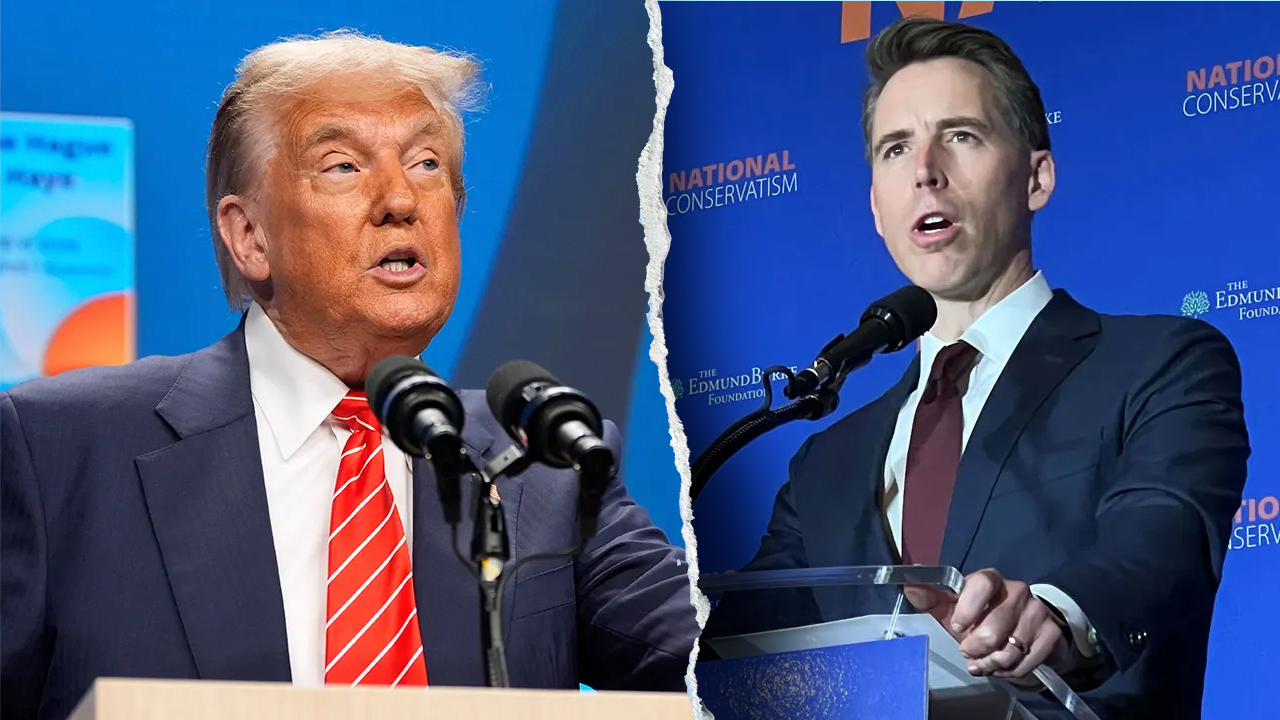
It comes as the GOP wrestles with how to handle the data center and AI issue, which has become a major political wedge on the campaign trail, one President Donald Trump has called a "hoax."
asserted
Trump → come → trail
That loophole, Hawley told Fox News Digital in an interview, is for Opportunity Zones, which he said are generally meant for "for low-income areas, low-income housing, low-income businesses or businesses in low-income areas.
asserted
he → tell → areas
"These data centers have figured out a way that they think that they can access all of this money," Hawley said.
asserted
Hawley → figure → money
"So, let's be clear.
asserted
's → let → ?
They don't need any welfare.
asserted
They → need → welfare
They can pay their own way."
asserted
They → pay → way
The tax breaks were first approved by Congress as part of Trump’s first-term tax cuts package, the Tax Cuts and Jobs Act of 2017.
asserted
breaks → approve → 2017
That initial bite at the apple established them as a means to spur investment into lower income or forgotten areas where tracts of land were dubbed Opportunity Zones.
asserted
tracts → establish → land
They were then made permanent last year through the "big, beautiful bill," and though not explicitly intended to be used for data centers, have since provided a route for tech companies to defer, reduce or outright eliminate corporate gains taxes on their investments in the zones.
asserted
companies → make → zones
Since both tax packages were passed, 8,746 Opportunity Zones have cropped up in the U.S., according to the Department of Housing and Urban Development, just under half of all zones are in rural areas, where tech goliaths have set their sights on building data centers.
And, according to a report from the National Community Reinvestment Coalition, 14% of all data centers are in Opportunity Zones, while just over 17% of all permitted, approved and under construction data center projects are in the zones.
uncertain
% → pass → zones
Hawley's forthcoming bill would explicitly exclude data centers from being able to access the tax cuts, adding another barrier at the federal level in an attempt to try and slow their rapid development.
And it comes as Congress scrambles to answer the growing fears over unfettered AI development, which data centers play a key role in.
asserted
centers → exclude → role
Concerns have rippled through the halls of the Capitol since its return this week after a call from major players in the AI industry to slow development, which came after engineers at Anthropic revealed on X that there was a roughly 10% chance that AI could wipe out humanity within a decade.
uncertain
AI → ripple → decade
The topic of reining in the technology is not new.
asserted
topic → rein → technology
Three years ago, Senate Minority Leader Chuck Schumer, D-N.Y., convened several panels with tech CEOs, including one with Tesla CEO Elon Musk and Meta CEO Mark Zuckerberg, to hash out what AI legislation could look like in Congress.
uncertain
legislation → convene → Congress
Hawley argued that Congress needs to at least put guardrails on AI and give people the opportunity to sue tech companies if their data and personal information has been used without their consent.
asserted
data → argue → consent
When asked why no real action had happened since Schumer’s series of AI summits, Hawley contended it was "because all the tech CEOs then promptly gave Schumer and the Democrats gobs and gobs money, and they decided that, you know what, maybe this industry is going fine."
asserted
industry → ask → what
"And now what you see the same tech CEOs saying is they want an antitrust exemption so they can all talk together and work together," Hawley said.
asserted
Hawley → see → exemption
‘Any regulations, they want to write them themselves.
asserted
they → want → them
And they're out there saying, 'The sky is falling, the sky is falling.
asserted
sky → say → ?
You need to let us get together, write the regulations and figure out what we're going to do.’
asserted
we → need → what
I'm pretty skeptical of that, I have to say."
asserted
I → have → that
 The Aporia