That is 0 articles you have read today.
The Aporia is free and carries no advertising, so readers are the only
thing paying for it. If you are getting this much out of it, a small
donation is what keeps it independent.
Daily limit reached
You have read 0 articles today.
That is more than the 15 a day The Aporia gives away,
and well past what it can carry on nothing. Your allowance resets at
midnight.
There is no advertising here and nothing about you is sold, so readers
are the only thing paying for it. If the site is worth this much of
your day, it is worth a few dollars.
Everything else stays open: the
maps, the
directory and
search do
not count against this, and neither does re-opening something you have
already read today.
European Commission President Ursula von der Leyen proposed banning social media use for those under 13 years old to protect them from online dangers, similar to measures in other countries like Australia and Britain. The proposal, part of the EU Kids Act, requires companies like Meta, TikTok, YouTube, and ChatGPT to design safer children's accounts, limit addictive features, and enable parental controls for users aged 13 to 15. Companies non-compliant with these rules could face fines up to 6% of their global annual sales. Tech industry representatives warn that such requirements might introduce privacy risks and conflicts with existing EU laws.
Written locally by qwen2.5:14b on 2026-09-17,
using this article's own text rather than the other coverage of the
same event (that is the story summary below).
Story summary
The European Commission is set to propose a ban restricting children under 13 from accessing social media, video-sharing platforms, AI chatbots, and online games. The proposal, part of the "EU KIDS Act," aims to protect children's health and safety amid growing concerns over digital platform risks. For those aged 13-14, parents will have to set up limited accounts with strict time limits under parental control, allowing no more than one hour per day of usage. The plan also mandates that tech companies design their platforms "safe by default" for children and remove potentially addictive features like infinite scrolling. While the proposal faces privacy concerns from tech lobbying groups, it is expected to undergo negotiations with EU countries and the European Parliament before becoming law.
Written for “EU Social Media Ban For Minors” on 2026-09-17,
grounded in this article and the 6 other(s) covering the same event.
Why this leaning score
The article's own words the score was based on. Each is quoted
verbatim and was checked against the article text before being
stored, so you can find it in the original.
Leaning score -0.40 for article 15904 (high confidence, 2 verified quotes) · logged 2026-09-17
EU Commission proposes under-13s social media ban
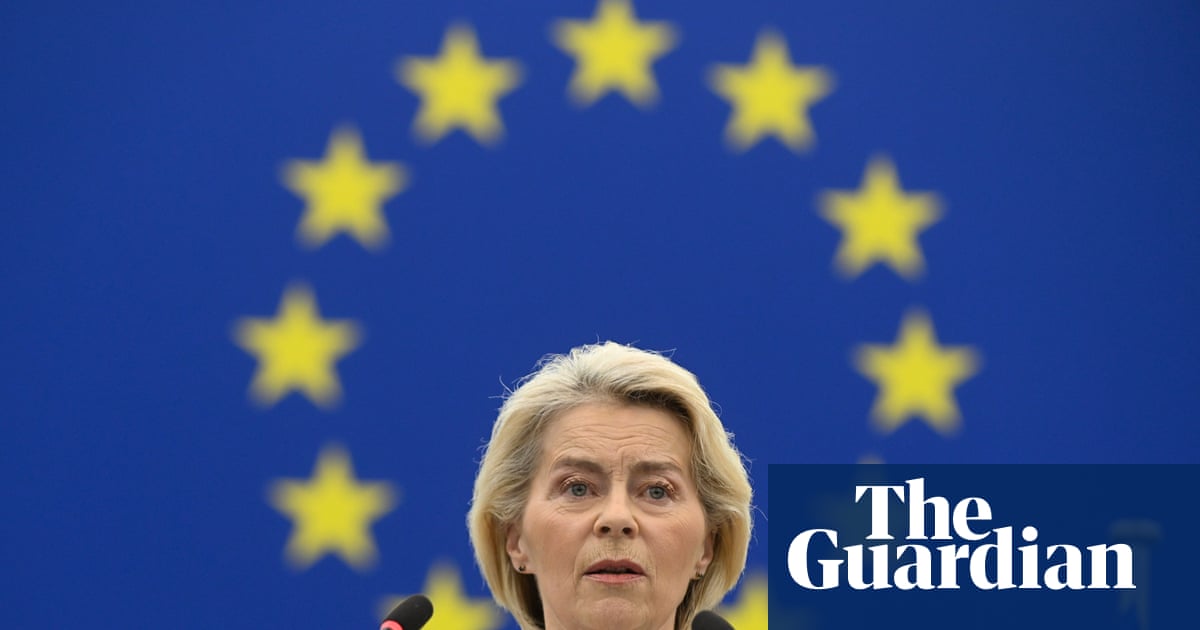
STRASBOURG, France, Sept 17 - European Commission President Ursula von der Leyen set out a sweeping plan to keep children safe from online dangers on Thursday, proposing to ban under-13s from social media and require online services to design safe children's accounts.
asserted
Leyen → propose → accounts
The move follows similar initiatives in Australia, Britain, China, India, Turkey and several European Union countries over concerns about the impact Meta's Facebook and Instagram, TikTok, Google's YouTube and ChatGPT have on children's mental health and safety.
asserted
Facebook → follow → health
Australia's challenges in enforcing its world-first social media ban for children under 16 could see Europe facing an uphill battle as well.
uncertain
Europe → enforce → battle
"Today, our children are engaging with some of the most sophisticated technology ever created, and it was not created with children's well-being and development in mind," von der Leyen told a press conference.
asserted
Leyen → engage → conference
She said the proposed EU Kids Act "will set clear boundaries in the digital world just as we do it on a daily basis in the real world".
asserted
we → say → world
PARENTAL CONTROL
Under the proposal, which must be negotiated with EU countries and the European Parliament in the coming months before it can become law, accounts for children aged between 13 and 15 will be under parental control.
asserted
accounts → negotiate → control
Social media and video-sharing services, online video games, AI companions and chatbots for children below 18 will be subject to a list of dos and don'ts.
asserted
media → share → dos
These include a ban on addictive features, profiling-based recommender feeds, infinite scroll, reward tricks and unsolicited contact from strangers.
asserted
These → include → strangers
AI companions and chatbots must be turned off by default.
asserted
companions → turn → default
Online platforms must design algorithms safe for children and provide easy-to-use parental controls and tools to block and mute users.
The companies, which must verify users' age when they open an account via age assurance tools, risk fines as much as 6% of their global annual sales for non-compliance.
asserted
they → design → compliance
They will also have to pay a supervisory fee to fund regulators' supervision.
asserted
They → have → supervision
Tech lobbying group CCIA Europe, whose members include Google and Meta, warned of the privacy risks arising from the proposal and conflicting requirements under other EU laws.
"Collecting age information, identity credentials, and data linking children with parents or guardians at this scale would undoubtedly create an attractive target for cybercriminals," CCIA head Daniel Friedlaender said.
asserted
Friedlaender → include → cybercriminals
"The Kids Act creates legal overlap and duplication that ultimately weaken protections for children and consumers," he said.
asserted
he → create → children
 The Aporia