That is 0 articles you have read today.
The Aporia is free and carries no advertising, so readers are the only
thing paying for it. If you are getting this much out of it, a small
donation is what keeps it independent.
Daily limit reached
You have read 0 articles today.
That is more than the 15 a day The Aporia gives away,
and well past what it can carry on nothing. Your allowance resets at
midnight.
There is no advertising here and nothing about you is sold, so readers
are the only thing paying for it. If the site is worth this much of
your day, it is worth a few dollars.
Everything else stays open: the
maps, the
directory and
search do
not count against this, and neither does re-opening something you have
already read today.
The Guardian
· collected 2026-09-16 · by Jennifer Rankin in Strasbourg
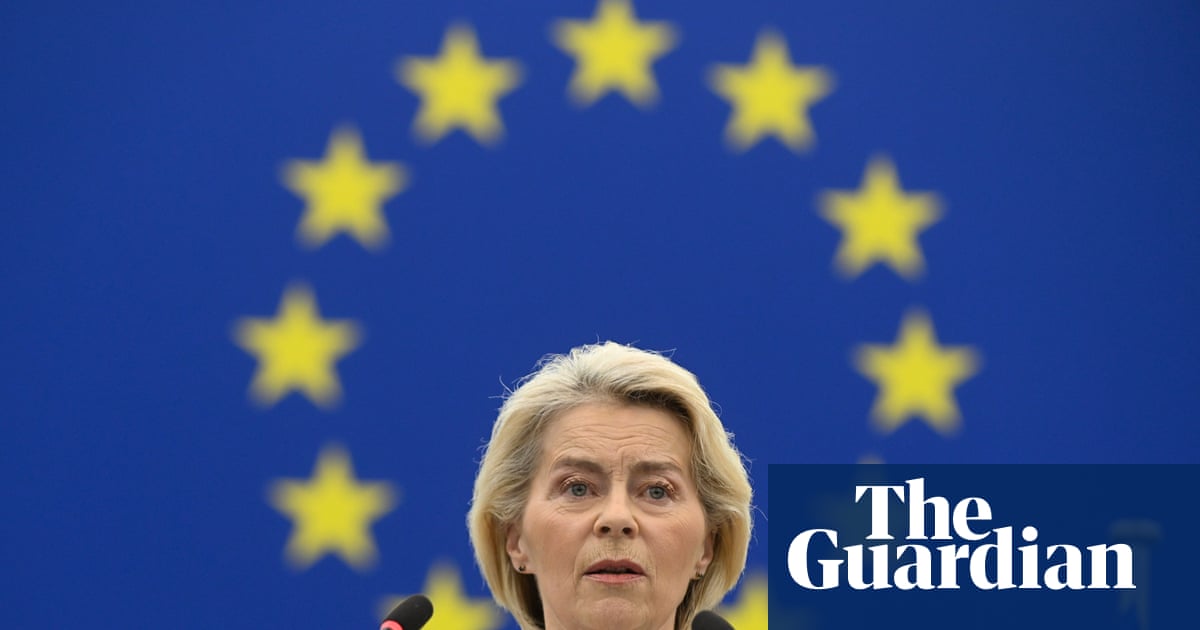
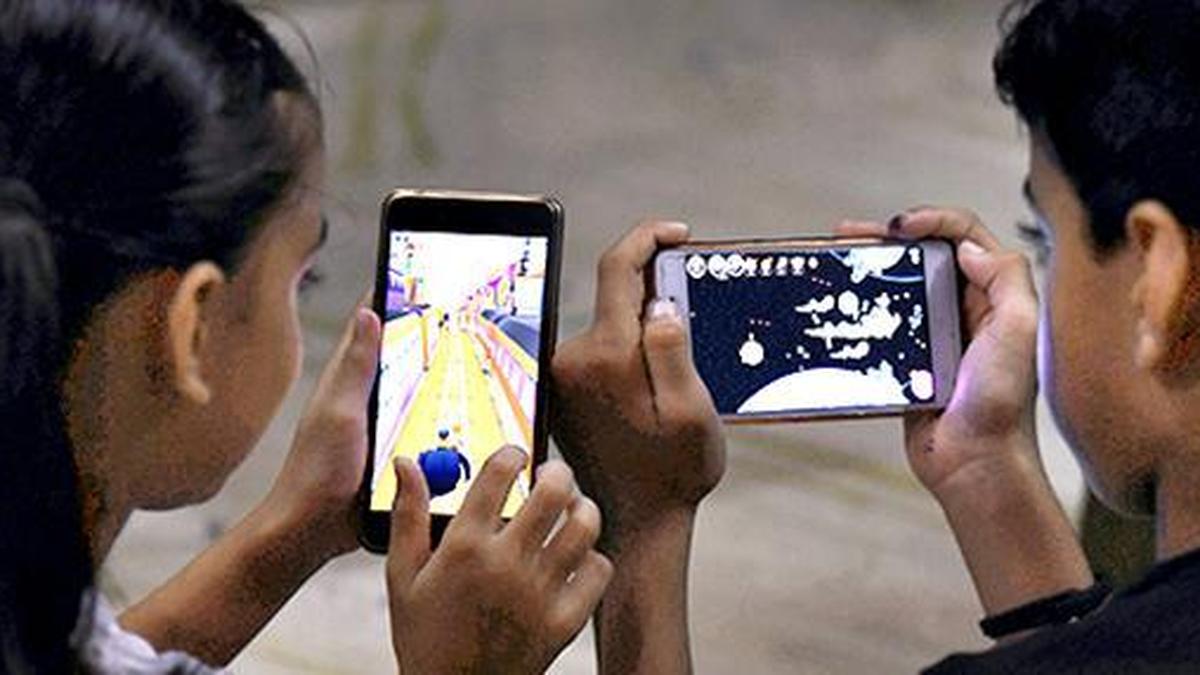
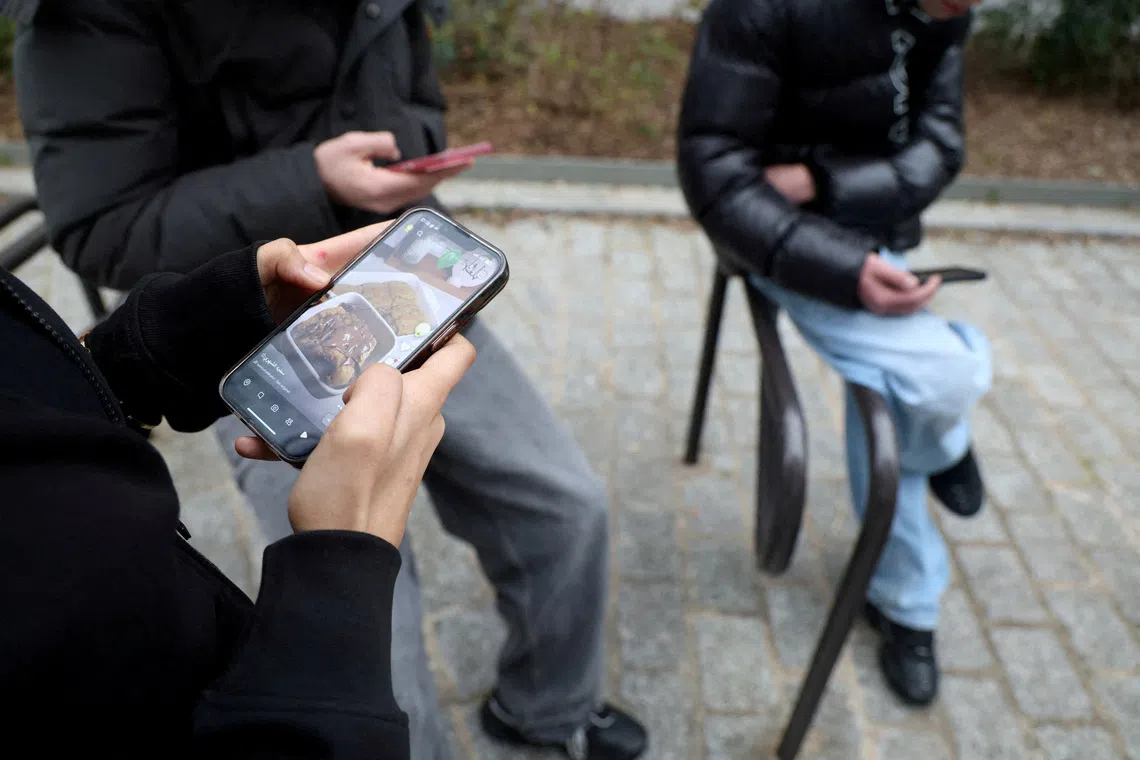
Ursula von der Leyen, head of the European Commission, announced plans during her annual state of the union address for a total ban on social media use by those under 13 years old across the EU. She also proposed "mini accounts" with parental supervision and usage limits for children aged 13 to 15. The draft law will be published on Thursday and must be approved by the European parliament and all member states before becoming effective. Von der Leyen highlighted concerns over features like addictive design that she claims are harmful, as part of her broader Digital Fairness Act initiative scheduled later this year.
Written by the local model on 2026-09-16,
using this article's own text rather than the other coverage of the
same event (that is the story summary below).
Story summary
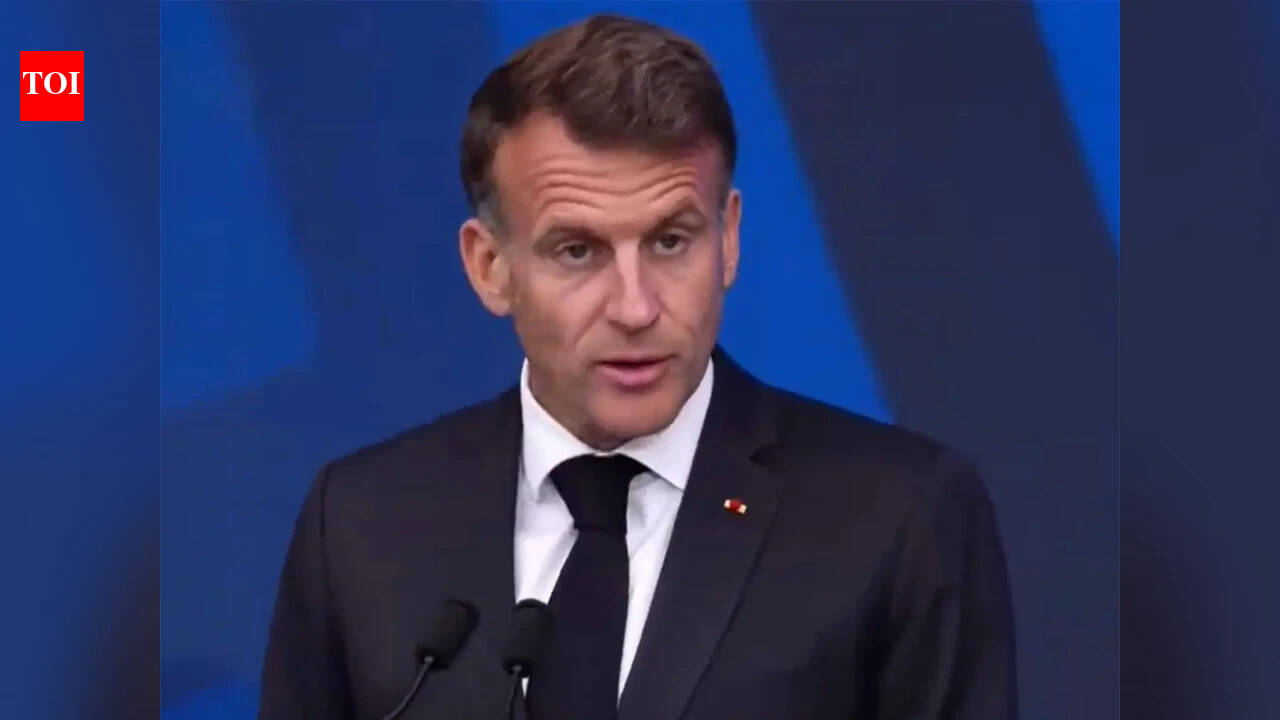
The European Union is set to propose banning children under 15 from accessing social media, video-sharing platforms, AI chatbots, and online games as part of the EU Kids Act. This proposal aims to protect minors from potential harms posed by digital technologies and follows increasing pressure from member states like France and Greece. The plan includes a tiered access system where children aged 13-14 can use these services under parental supervision with strict limitations, while those 15 and older will have full access. The draft law was announced on September 16 by Ursula von der Leyen, president of the European Commission, during her State of the Union address. The proposed measures reflect growing global concerns over how social media affects children’s health and safety.
Written for “EU Social Media Ban Under 15s” on 2026-09-17,
grounded in this article and the 3 other(s) covering the same event.
Why this leaning score
The article's own words the score was based on. Each is quoted
verbatim and was checked against the article text before being
stored, so you can find it in the original.
Leaning score -0.35 for article 13711 (high confidence, 2 verified quotes) · logged 2026-09-16
The EU will move forward with plans for an under 13s social media ban, the head of the European Commission has confirmed.
asserted
head → move → Commission
Ursula von der Leyen said on Wednesday that social media apps were “depriving children of their childhood” and that big tech platforms needed to prove the safety of their products.
asserted
platforms → say → products
She promised a draft law for a total ban on social media for under 13s, while children aged 13-15 would be allowed “mini accounts” under parental supervision with time limits on apps.
asserted
children → promise → apps
The commission will publish its social media plan on Thursday, which will have to be agreed by the European parliament and 27 EU member states if it is to become law.
asserted
it → publish → parliament
Von der Leyen also promised that the commission’s Digital Fairness Act, due to be submitted to the European parliament later this year, would tackle features such as addictive design, which, she said was “harming everyone”.
asserted
she → promise → everyone
The commission president made the comments in Strasbourg as part of her annual state of the union address.
asserted
president → make → address
In a wide-ranging speech covering the EU’s place in a turbulent world and plans for continent-wide legislation, she also promised a European heatwave plan and committed to an emergency response mechanism to deal with sudden inflows of migrants, in response to events in the Spanish enclave of Ceuta in August.
asserted
she → range → August
Invoking “an openly hostile world”, von der Leyen went on to make an unprecedented invitation to Canada to become an “associate member” of the EU, and pledged to set out ideas for a European security council involving Canada, Norway, Ukraine and the UK.
asserted
Leyen → invoke → Canada
The former German defence minister said the EU needed its version of Nato’s article 4 – an “emergency security protocol” that means all member states would convene at the request of another in response to a hybrid attack.
asserted
states → say → attack
“Europe needs its own counter-hybrid playbook,” she argued.
asserted
she → need → playbook
“We urgently need a consensus on how to respond to certain incidents – those which fall below armed aggression but clearly threaten our national security.”
asserted
which → need → security
Nato’s article 4, which is separate from the collective defence clause, article 5, means members of the alliance can consult when one of them believes their territorial integrity, political independence or security is threatened.
asserted
integrity → mean → them
European nations have recently faced a series of hostile acts attributed to Russia, including sabotage, incursions by jets into European airspace and a drone attack on Leipzig airport.
asserted
nations → face → airport
Warning that Ukraine faced a tough winter, von der Leyen suggested the EU may have reached its limits on economic restrictions against Russia.
uncertain
EU → warn → Russia
“What is needed is not necessarily new sanctions, but above all the enforcement of existing sanctions,” she said.
asserted
she → need → sanctions
After 21 rounds of measures, EU member states have found it increasingly difficult to agree sanctions on the Kremlin’s war machine, wary of the cost to their own economies.
asserted
it → find → economies
Von der Leyen also touched on Europe’s divisions over whether or not to introduce restrictions on trade with Israel and its illegal settlements in the West Bank.
asserted
Leyen → touch → Bank
The commission has declined to publish a proposal to ban trade with illegal Israeli settlements, though several EU member states and allies including France, Canada and the UK have moved in this direction.
asserted
states → decline → direction
“When Europe is divided, it cannot change the course of events,” she said.
asserted
she → divide → events
 The Aporia