That is 0 articles you have read today.
The Aporia is free and carries no advertising, so readers are the only
thing paying for it. If you are getting this much out of it, a small
donation is what keeps it independent.
Daily limit reached
You have read 0 articles today.
That is more than the 15 a day The Aporia gives away,
and well past what it can carry on nothing. Your allowance resets at
midnight.
There is no advertising here and nothing about you is sold, so readers
are the only thing paying for it. If the site is worth this much of
your day, it is worth a few dollars.
Everything else stays open: the
maps, the
directory and
search do
not count against this, and neither does re-opening something you have
already read today.
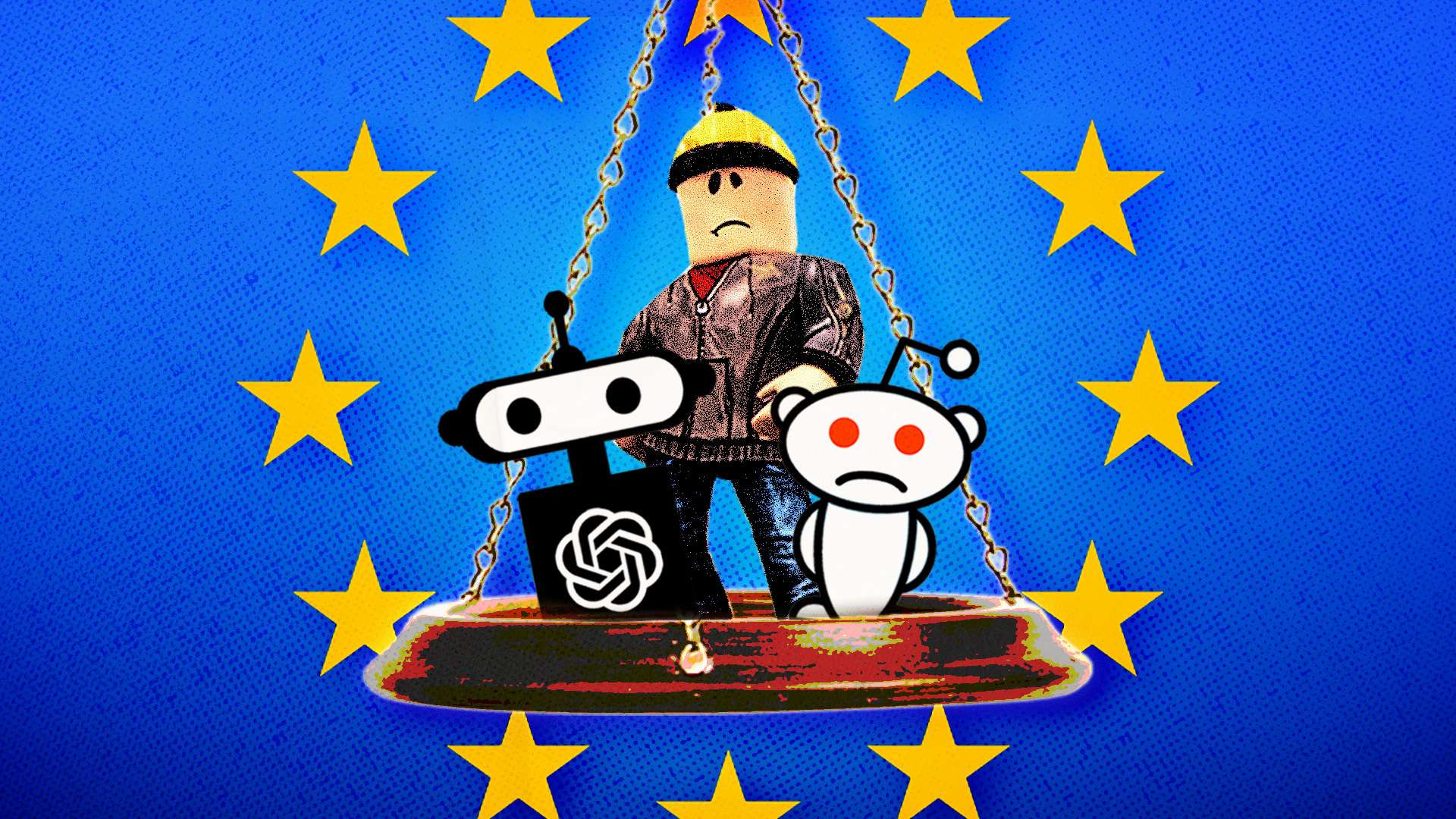
The European Union is preparing to propose a ban preventing individuals under the age of 15 from accessing social media, video-sharing platforms, AI chatbots, and online games as part of its EU Kids Act aimed at protecting children from online dangers. The plan, set for presentation on September 17 by Ursula von der Leyen and Henna Virkkunen, includes measures such as gradual access based on age groups, strict parental controls for younger users, and mandatory company fees to fund regulatory oversight. Companies will be required to implement safeguards like age verification and tools for reporting harmful content.
Written by the local model on 2026-09-15,
using this article's own text rather than the other coverage of the
same event (that is the story summary below).
Story summary
The European Union is set to propose a ban restricting access for those under the age of 15 to social media, video-sharing platforms, AI chatbots, and online games as part of its new "EU KIDS Act." The proposal, expected on September 17, would prevent children from setting up their own accounts until they reach the age of 16. For those aged 13 to 14, parents can create supervised introductory accounts with strict time limits and limited contact lists. This move comes after increasing pressure from EU member states like France and Greece, and follows Australia's ban on under-16s using such platforms. The proposed act aims to protect children from online dangers while allowing gradual access based on age, requiring tech companies to implement safeguards for child safety by design, including restrictions on potentially addictive features.
Written for “EU Social Media Restrictions For Minors” on 2026-09-15,
grounded in this article and the 1 other(s) covering the same event.
Why this leaning score
The model judged this article politically coded and scored it -0.35, but none of the 1 quote(s) it offered could be found in the article text, so the score is not published.
Written under an earlier scoring contract, which gave a paragraph
rather than checkable quotes. Re-analysing this article replaces it.
Leaning score withheld for article 9540: no verified evidence · logged 2026-09-15
EU is set to propose ban on social media and AI chatbots for under-15s
BRUSSELS –
asserted
EU → set → under-15s
The European Union will propose a ban restricting under 15s from social media, video sharing platforms, AI chatbots and online games, in the most sweeping plan yet to protect children from online dangers, a European Commission document seen by Reuters shows.
asserted
document → propose → Reuters
Concerns have mounted globally about the impact on children’s health and safety of major outlets, including Meta’s Facebook and Instagram, TikTok, Google’s YouTube and ChatGPT.
asserted
Concerns → mount → Facebook
The EU proposal is part of an EU Kids Act that European Commission president Ursula von der Leyen and EU tech chief Henna Virkkunen will present on Sept 17.
asserted
Leyen → present → Sept
The former may announce some details in her State of the Union address on upcoming EU policy on Sept 16.
uncertain
former → announce → Sept
“The Union’s approach should allow minors to benefit from the huge potential of digital services, while protecting them from abuse and exploitation.
asserted
minors → allow → abuse
It needs to limit the access of tech companies to our children, and not the other way around,” the document said.
asserted
document → need → children
The Commission’s proposal, which will also cover video gaming platforms, allows for gradual access to the various services according to age, while the obligations imposed on the companies will depend on the type of service and the age of the children.
uncertain
obligations → cover → children
The Commission declined to comment.
asserted
Commission → decline → ?
Companies would have to pay a supervisory fee
According to the document, companies will have to pay a supervisory fee to fund regulators’ enforcement and supervision.
uncertain
companies → have → enforcement
Children from 15 onwards can set up their own accounts under the proposal, while children between 13 and 14 can ask parents to open introductory accounts for social media and video-sharing platforms under parental control and with limited contacts and strict time limits.
asserted
children → set → contacts
Accounts for children between three and 12 will be fully controlled by parents and will only be for child-friendly services with strict safety standards, the document said.
asserted
document → control → standards
Under-threes would have no access to the services.
asserted
threes → have → services
Details may still change ahead of the announcement.
uncertain
Details → change → announcement
The Commission will need to work out the draft with EU countries and the European Parliament in the coming months before it can become law.
asserted
it → need → months
The draft seen by Reuters sets out requirements for companies, including avoiding addictive designs and harmful feeds.
asserted
draft → see → designs
They would also have to provide tools to enable children to easily report harmful content and effective parental control tools.
asserted
They → have → content
Social media and video-sharing platforms will be required to verify children’s age when a user opens a new account while online games platforms will have to verify children’s age before they can download games.
asserted
they → share → games
The companies say they take precautions and many set a minimum age of at least 13 to sign up to social media platforms.
asserted
many → say → platforms
 The Aporia