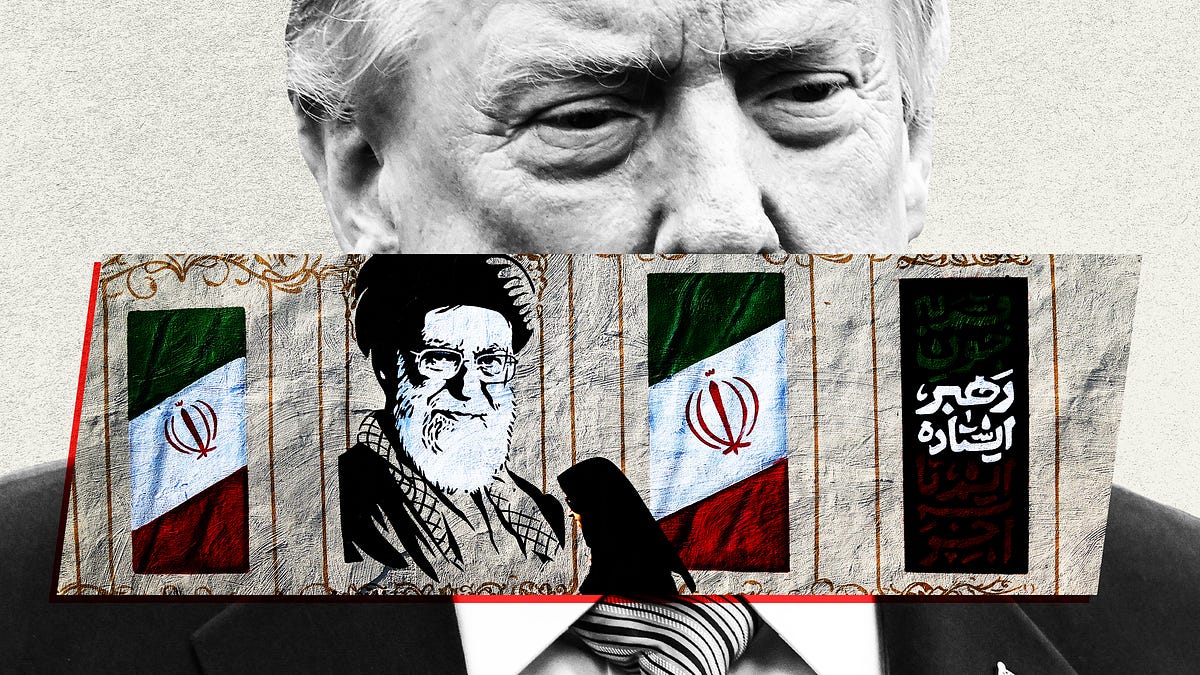
America must confront the Axis of Aggressors

Washington Examiner · collected 2026-09-17 · by Washington Examiner
Read the original at Washington Examiner ↗

Summary

The article argues that China, Russia, Iran, and North Korea form a dangerous "Axis of Aggressors" threatening U.S. interests globally. It cites specific instances like Chinese firms supplying satellite images to Iran for attacks on American troops in Iraq. The author contends that President Trump's reluctance to address this cooperation directly allows these countries to continue undermining the United States without consequences, potentially leading to multi-front conflicts reminiscent of World War II.
Written by the local model on 2026-09-17, using this article's own text rather than the other coverage of the same event (that is the story summary below).

Signals How these are calculated →

Claims extracted
33
claim-shaped sentences
Uncertain
12%
4 of 33 hedged
Leaning
Leans strongly right
of the writing, not the subject
Correction & hedging signals
96.2
corrections and hedging in what we collected; not a measure of accuracy
Outlets on this story
1
Politics
Narrative spread
1
articles carrying this framing
Analyzed 2026-09-17 · how these are computed

AI analysis (generated at analysis time, not now)

Story summary

The Washington Examiner asserts that America's enemies, including Iran, China, Russia, and North Korea, are collaborating to harm U.S. interests. The article highlights a July 17 attack on Muwaffaq Salti Air Base in Iraq where Chinese firms allegedly supplied satellite images aiding Iran's precision strikes, resulting in the deaths of three U.S. troops and injuries to four others. President Donald Trump has warned that Iran will face severe repercussions for each American life lost but avoided directly addressing China’s involvement when questioned on it. The piece argues for a stronger response against these nations’ coordinated efforts to undermine American security and interests, particularly as the U.S. prepares for upcoming elections.

Written for “Axis Of Aggressors Criticism” on 2026-09-17, grounded in this article and the 0 other(s) covering the same event.
Why this leaning score
The article's own words the score was based on. Each is quoted verbatim and was checked against the article text before being stored, so you can find it in the original.
Score +0.65 Confidence high
Leaning score +0.65 for article 15467 (high confidence, 2 verified quotes) · logged 2026-09-17

Story

📰 Axis Of Aggressors Criticism
Politics · 1 article(s) covering the same event. This is the one the site leads with.

How this is being covered How these are calculated →

Article leaning vs. publisher reliability
Source leaning vs. consistency

Compared with similar articles

This article reads leans strongly right and hedges 12% of its claims. Each row says how that neighbour differs.
South China Morning Post
⚖️ Leans left further left than this 🔴 0% hedged 0 of 5 📰 publisher trust 94
“The articles discuss different topics related to U.S.-China relations but do not describe the same specific incident.”
Deutsche Welle
⚖️ Leans strongly right 🔴 0% hedged 0 of 31 📰 publisher trust 95
“The articles discuss different perspectives on U.S. foreign policy and security concerns but do not report on the same specific incident.”
The Straits Times
⚖️ Leans right further left than this 🔴 11% hedged 3 of 28 📰 publisher trust 59
“The articles discuss different aspects related to US geopolitical concerns but do not describe the same specific incident.”
Semafor
⚖️ Leans right further left than this 🔴 0% hedged 0 of 4 📰 publisher trust 95
“The articles discuss different topics within the broader context of international relations and AI development, rather than describing the same specific incident.”
Washington Examiner
⚖️ Leans right further left than this 🔴 9% hedged 4 of 46 📰 publisher trust 96
“The articles discuss different aspects of U.S. foreign policy regarding Iran, with Article A focusing on economic sanctions and Article B discussing a specific attack by Iran involving Chinese satellite images.”
Semafor
⚖️ Leans right further left than this 🔴 8% hedged 2 of 26 📰 publisher trust 95
“The articles discuss different topics: Article A focuses on Henry Kissinger's concerns about AI, while Article B addresses a geopolitical threat from an 'Axis of Aggressors' and mentions a specific attack by Iran using Chinese satellite images.”
The Bulwark
⚖️ Leans left further left than this 🔴 14% hedged 8 of 56
“The articles discuss different aspects of geopolitical tensions, with Article A focusing on the broader context of U.S. involvement in the Persian Gulf and regional security assumptions during the Iran war, while Article B specifically names China's role in supporting Iran's attack on Muwaffaq Salti Air Base.”

Publisher

Washington Examiner · 433 article(s) · 0 correction(s) detected
No corrections detected for this publisher. That may mean careful reporting, or simply that nothing has been checked.

Who wrote this

Washington Examiner
2 article(s) here · 1 carrying a prediction
🔮 President Donald Trump has repeatedly warned the Islamic Republic that “every time Iran kills an American soldier, they will pay for that killing many times over.”
2026-09-17 · assertive framing · America must confront the Axis of Aggressors
🔮 On July 22, the White House announced that the two nations had reached an agreement that would allow the U.S. to export nuclear technology to the desert kingdom.
2026-09-06 · assertive framing · The US-Saudi nuclear deal needs improvement
Also by Washington Examiner
The US-Saudi nuclear deal needs improvement
2026-09-06 · Washington Examiner
Nothing else under this byline is closely related to this article, so these are simply their most recent.

Topics

America China Iran Russia U.S.

Subjects

China GPE · 11× Iran GPE · 8× Chinese NORP · 5× Russia GPE · 5× U.S. GPE · 5× American NORP · 4× America GPE · 3× Iranian NORP · 3× North Korea GPE · 3× Russian NORP · 3×

Narrative

They have a long-standing policy of not targeting Russian and Chinese ships, knowing that Iranian and Russian oil, bought at steep discounts by China, lines their pockets and allows them to evade American sanctions.
framing: assertive · carried by 1 article(s) · first seen 2026-09-17
🔮 President Donald Trump has repeatedly warned the Islamic Republic that “every time Iran kills an American soldier, they will pay for that killing many times over.”
2026-09-17 · Washington Examiner
America must confront the Axis of Aggressors · assertive framing

Claims (33 extracted, 4 hedged)

America’s foremost enemies are massing their talents and strengths. asserted
enemies → mass → talents
U.S. political leaders, however, have yet to name, let alone begin to counter, the growing threat from the “Axis of Aggressors” — China, Russia, Iran, and North Korea. asserted
leaders → have → Aggressors
The axis is working together to murder Americans and our allies. asserted
axis → work → Americans
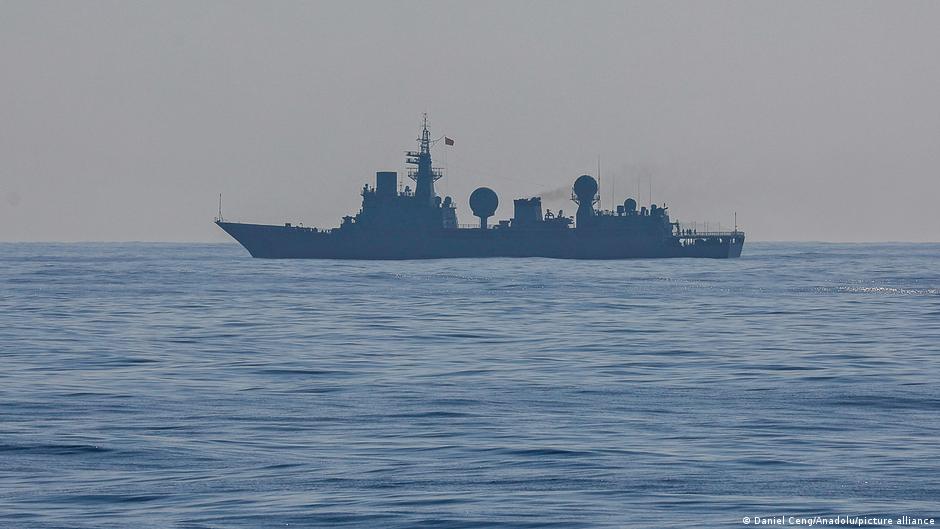
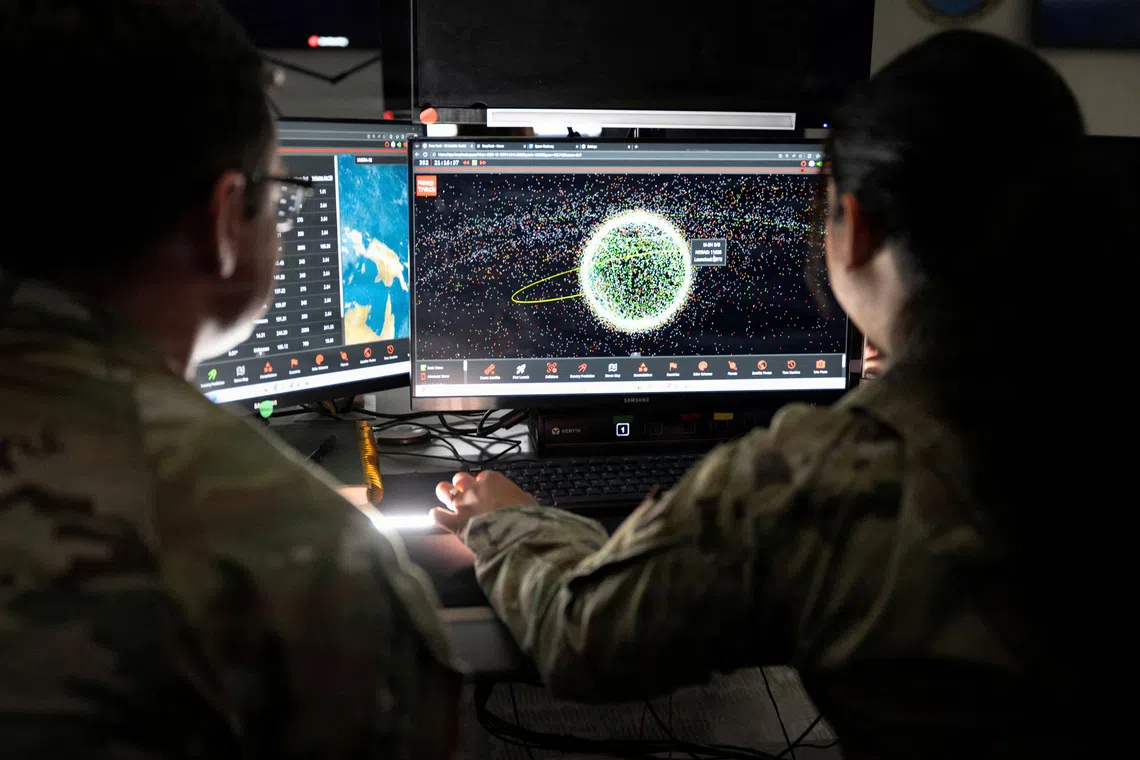
Chinese firms reportedly supplied high-resolution satellite images to Iran that it used to attack Muwaffaq Salti Air Base on July 17, killing three U.S. troops and injuring four others. uncertain
it → supply → others
Several commentators noted the unusual precision of Iran’s missile and drone strikes and suggested that China or Russia, longtime allies of Iran, were providing targeting information. uncertain
China → note → information
That suspicion has been confirmed, and it is important that there be punishing consequences. asserted
it → confirm → consequences
President Donald Trump has repeatedly warned the Islamic Republic that “every time Iran kills an American soldier, they will pay for that killing many times over.” asserted
they → warn → killing
But when the president was asked on Sunday about the report detailing China’s involvement, he evaded the question, replying merely that “China spies on us” just “as we spy on them. … asserted
we → ask → them
They basically do what we do.” asserted
we → do → what
Trump wants to avoid escalating tensions before his Sept. 24 summit with Chinese leader Xi Jinping, but appeasement is a bad bet. asserted
appeasement → want → Jinping
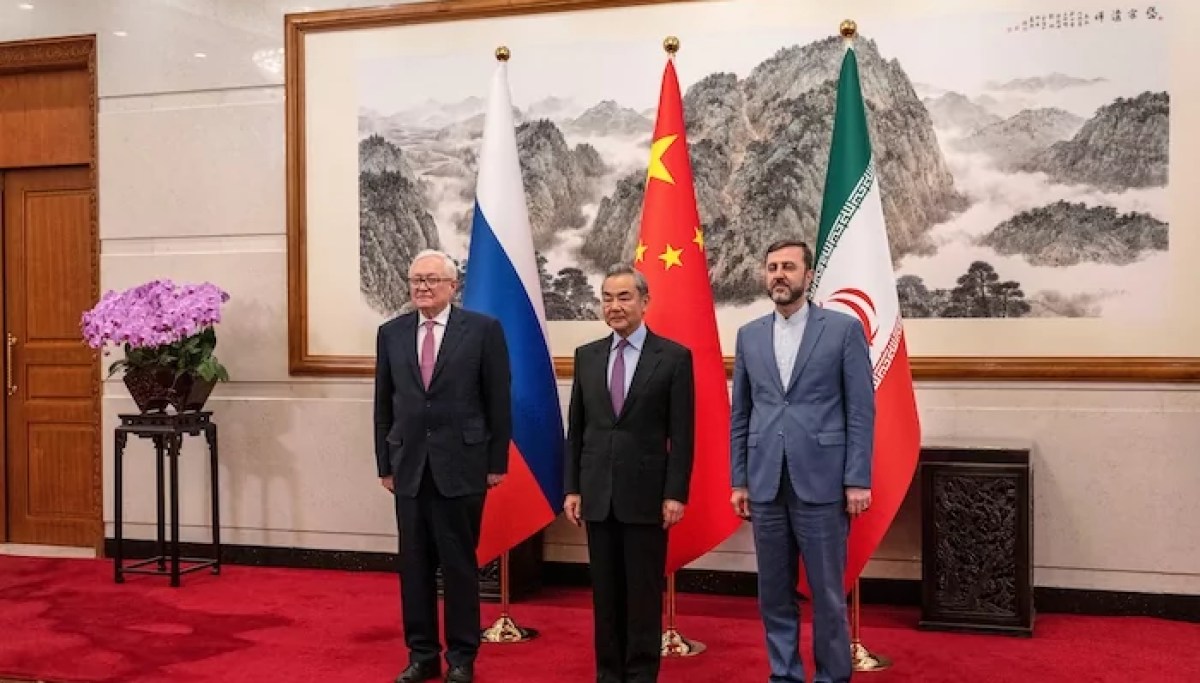
China, Russia, Iran, and North Korea all want to upend the U.S.-led world order. asserted
China → want → order
In June 2025, Gen. Dan Caine, chairman of the Joint Chiefs of Staff, warned Congress that Beijing, Moscow, Tehran, and Pyongyang are “pursuing unprecedented levels of cooperation.” asserted
Beijing → warn → cooperation
A new book by Mark Montgomery, Brad Bowman, and Eliana Dezenski of the Foundation for Defense of Democracies labels this band of autocracies an Axis of Aggressors. asserted
book → label → Aggressors
The Commission on the National Defense Strategy noted in 2024 that “this new alignment of nations opposed to U.S. interests creates a real risk, if not likelihood, that conflict anywhere could become a multi-theater or global war.” uncertain
conflict → note → risk
The Pentagon worries about what it calls a “simultaneity problem,” which is the possibility that it could face wars with several opponents on more than one front. uncertain
it → worry → front
The last time this happened was during World War II, when America and its allies confronted another Axis. asserted
America → happen → Axis
The United States had a “two-front” strategy afterward until then-President Barack Obama ended it in 2012. asserted
Obama → have → 2012
Now our enemies believe America lacks the means and will to fight on several fronts, and they are trying to take advantage of this diminishment. asserted
they → believe → diminishment
In February 2022, Presidents Xi Jinping of China and Vladimir Putin of Russia pledged themselves to a “no-limits partnership.” asserted
Jinping → pledge → partnership
Days later, Putin invaded Ukraine. asserted
Putin → invade → Ukraine
That war has been sustained by Chinese money, advisers, and infrastructure, North Korean troops, and Iranian drones. asserted
war → sustain → money
Each regime has regional ambitions and an interest in stretching American resources and attention. asserted
regime → have → resources
China wants mastery of the Indo-Pacific, Iran seeks hegemony in the Middle East, and North Korea wants the entire Korean Peninsula. asserted
Korea → want → Peninsula
Russian officials hosted Hamas leaders 19 days after the terrorist group massacred 1,200 people in Israel on Oct. 7, 2023. asserted
group → host → Oct.
Russia and China have helped Iran and its proxies in their war against Israel and the West. asserted
Russia → help → Israel
The Houthis, a Yemen-based Iranian proxy, are again disrupting shipping in the Red Sea and the Bab el Mandeb, chokepoints for oil and other essential globally traded commodities. asserted
Houthis → base → oil
They have a long-standing policy of not targeting Russian and Chinese ships, knowing that Iranian and Russian oil, bought at steep discounts by China, lines their pockets and allows them to evade American sanctions. asserted
them → have → sanctions
U.S. policymakers must recognize our enemies’ shared objective, and our strategy must reflect it. asserted
strategy → recognize → it
Strategy flows from presidential pronouncements and actions. asserted
Strategy → flow → pronouncements
Trump should not slap conditions on arms sales to Taiwan if Xi asks him to. asserted
Xi → slap → him
He should condemn China for its role in murdering American troops, and he should sanction the Chinese entities responsible. asserted
he → condemn → entities
The U.S. should punish China directly for its illegal oil trade and offer more help to Israel and Ukraine in their wars against Beijing’s allies. asserted
U.S. → punish → allies
The axis knows what it wants. asserted
it → know → what

💬 Give feedback
🕘 History 🎫 Support