Immigration Minister Tony Burke has defended Australia's current migration levels, arguing that while there was a post-pandemic peak, recent figures show a significant decrease. He asserts that immigration is crucial for both regional and urban economies, supporting various sectors including construction and education. Burke warns against drastic cuts to migration, stating they would harm the economy, particularly noting that around two-thirds of plasterers in Sydney and Melbourne are foreign-born workers. He also addressed issues like visa hopping but emphasized the importance of targeted immigration policies aligned with Australia's needs.
Written by the local model on 2026-09-17,
using this article's own text rather than the other coverage of the
same event (that is the story summary below).
Story summary
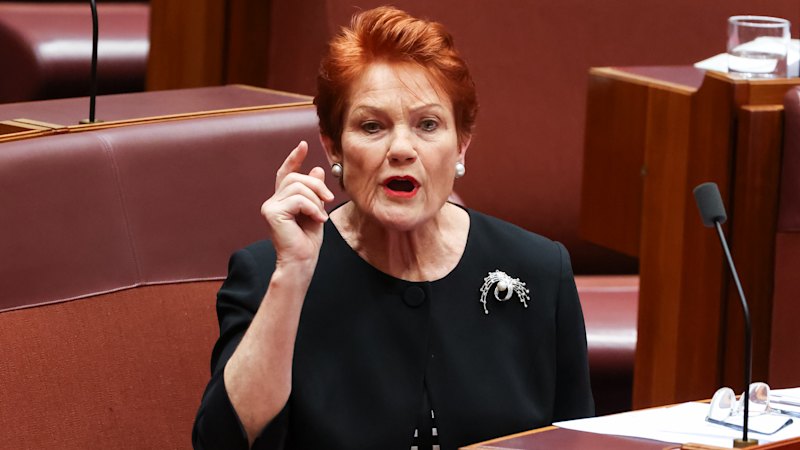
Home Affairs Minister Tony Burke unveiled a series of immigration reforms targeting temporary visas at the National Press Club on Thursday, aiming to reduce net overseas migration (NOM) to 245,000 in 2026-27 and 225,000 in 2027-28. The overhaul will make it harder for international students to bring family members, limit visa extensions, and tighten rules for backpackers' working holiday visas. Burke defended the changes as necessary to control migration levels amid housing pressures but warned that drastic cuts could harm Australia's economy. Opposition parties like One Nation have criticized Labor's approach, with Senator Hanson arguing that reaching these targets would mean an extra 1 million people in Australia over four years, while Labor argues this figure is exaggerated and unrealistic.
Written for “Australia Migration Crackdown” on 2026-09-17,
grounded in this article and the 8 other(s) covering the same event.
Why this leaning score
The article's own words the score was based on. Each is quoted
verbatim and was checked against the article text before being
stored, so you can find it in the original.
-
'There are parts of the world where mass migration is something that they are dealing with. It is not something we're dealing with in Australia,' he said.
left Rejects claims of 'mass migration' to defend current immigration levels
-
'It is true that immigration is critical to the economy of our regions. It is also true that immigration is critical to the economy of our cities as well,' he said.
left Emphasizes economic benefits of immigration
-
'Drastic cuts, wherever you make them, hurt the economy in every part, in every area.'
left Warns against drastic reductions in migration levels
Leaning score -0.45 for article 15060 (high confidence, 3 verified quotes) · logged 2026-09-17
- See more Daily Mail on Google - save us as a Preferred Source
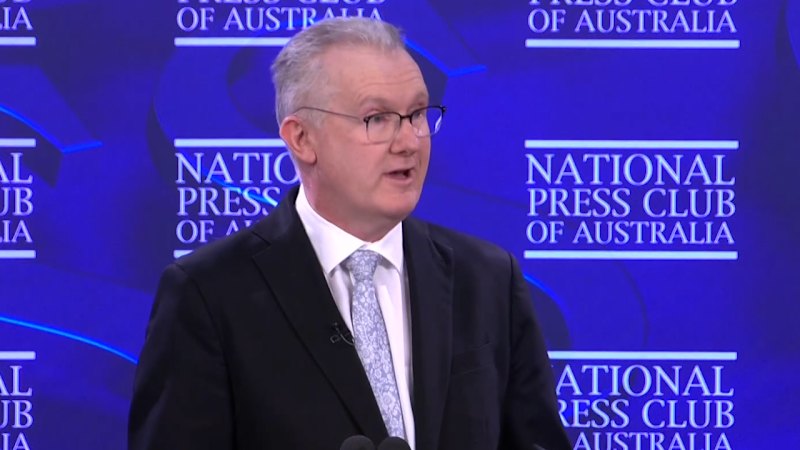
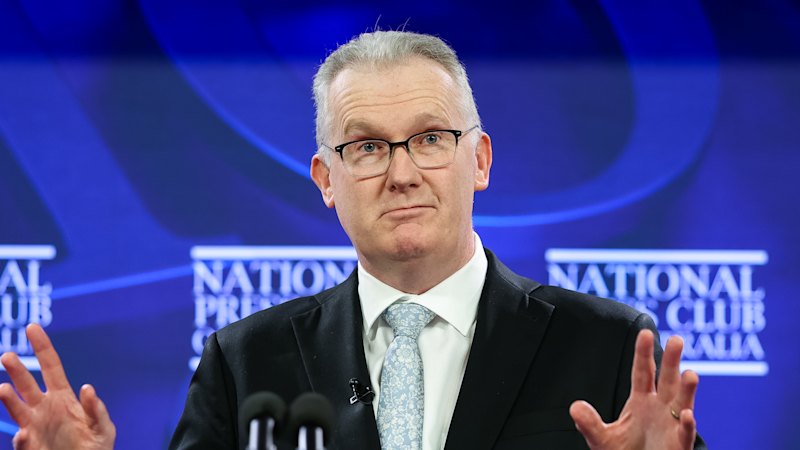
Immigration Minister Tony Burke has rejected claims Australia is experiencing 'mass migration', arguing migration levels have fallen sharply from their post-pandemic peak while warning drastic cuts would damage the economy.
uncertain
cuts → see → economy
'There are parts of the world where mass migration is something that they are dealing with.
asserted
they → be → that
It is not something we're dealing with in Australia,' he said.
asserted
he → deal → Australia
'There was a peak post-pandemic, which was too high.
asserted
which → be → ?
There are reasons why it was too high and reasons why, logically, there was always going to be a peak.
asserted
it → be → ?
Burke also defended immigration as critical to Australia's economy, and said both regional areas and major cities depended heavily on overseas workers and international students.
asserted
areas → defend → workers
It is also true that immigration is critical to the economy of our cities as well,' he said.
asserted
he → say → cities
He said international education supported jobs well beyond universities, including cleaners, maintenance workers and businesses used by foreign students.
asserted
education → say → students
'There's a whole section of the economy in the cities that is only there because we have an important export industry in international students,' Burke said.
asserted
Burke → be → students
'Drastic cuts, wherever you make them, hurt the economy in every part, in every area.'
asserted
you → make → area
Burke said any attempt to lower migration needed to take account of the economic consequences.
asserted
attempt → say → consequences
He pointed to the construction industry as an example of Australia's dependence on overseas-born workers.
asserted
He → point → workers
'We talk about the need for extra housing.
asserted
We → talk → housing
It's pretty hard to get a house built without having a plasterer involved,' he said.
asserted
he → get → ?
'In both Sydney and Melbourne, close to two-thirds of the plasterers we have were born overseas.
asserted
we → have → plasterers
We need immigration.
asserted
We → need → immigration
We just need to make sure that it is targeted to Australia's needs, both in terms of numbers and across the different categories that work for our economy.'
asserted
that → need → economy
However, he acknowledged Australia has a problem with visa hopping, where some migrants move repeatedly between temporary visas despite having little prospect of qualifying for permanent residency.
asserted
migrants → acknowledge → residency
'There are individuals who would never, in fact, meet the qualifications to be able to become a permanent resident, and effectively jump from visa to visa, use the appeals process to be able to stay here as long as possible,' he said.
'
asserted
he → be → process
It eventually becomes absurd not to just let them stay because, at that point, they have Australian-citizen children and, at that point, they are so integrated into a local community.'
asserted
they → become → community
He also claimed Australia's housing shortage is not primarily the result of immigration, it is largely because Australians are living in smaller households.
asserted
Australians → claim → households
'Housing, and the housing shortage we have, is not caused by immigration.
asserted
we → have → immigration
Anyone who looks at the migration program and wants to somehow say it was their fault, no.
asserted
it → look → program
Australians have made a decision about how many people they want per household.'
asserted
they → make → household
 The Aporia