The Aporia
The Aporia
The Aporia
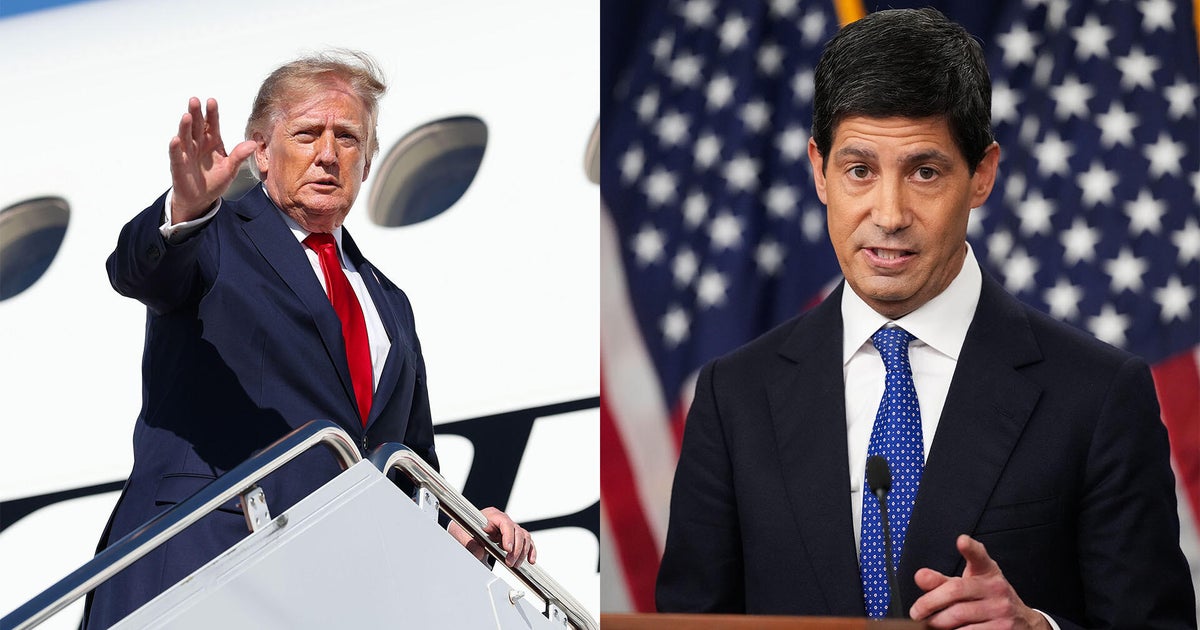
On September 16, 2023, the Federal Reserve is expected to raise its benchmark interest rate by 25 basis points to a range between 3.75% and 4.00%. This marks the first hike since late 2023 and reflects growing concerns over inflation, which has remained stubbornly high despite earlier efforts to curb it. The decision comes amid pressure from financial markets anticipating higher rates but against opposition from President Donald Trump, who demands lower interest rates or no changes at all.
The rate increase aims to address elevated inflation, currently above the Fed's target of 2%, and could further impact borrowing costs for mortgages, personal loans, and credit cards. However, it also benefits savers by providing higher returns on their funds if they move them into alternative high-yield savings accounts or other lucrative account types with rates exceeding the current average of 0.38%.
Central bankers in Japan and the UK are facing similar challenges regarding interest rate policy this week as global inflation continues to rise, particularly due to surging oil prices surpassing $100 per barrel for the first time since July 2023. This situation underscores a broader economic landscape where central banks must navigate between managing inflation risks and avoiding potential negative impacts on borrowing costs and economic growth.
Trump says interest rates should be at "1% or less" as Fed hikes them for first time since 2023