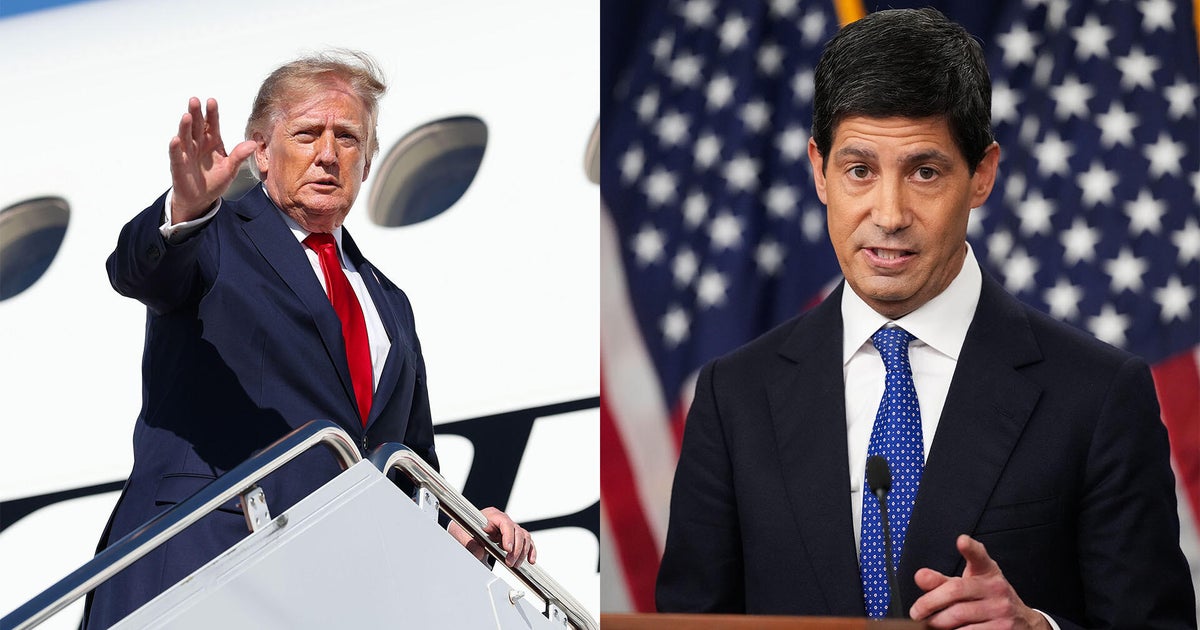
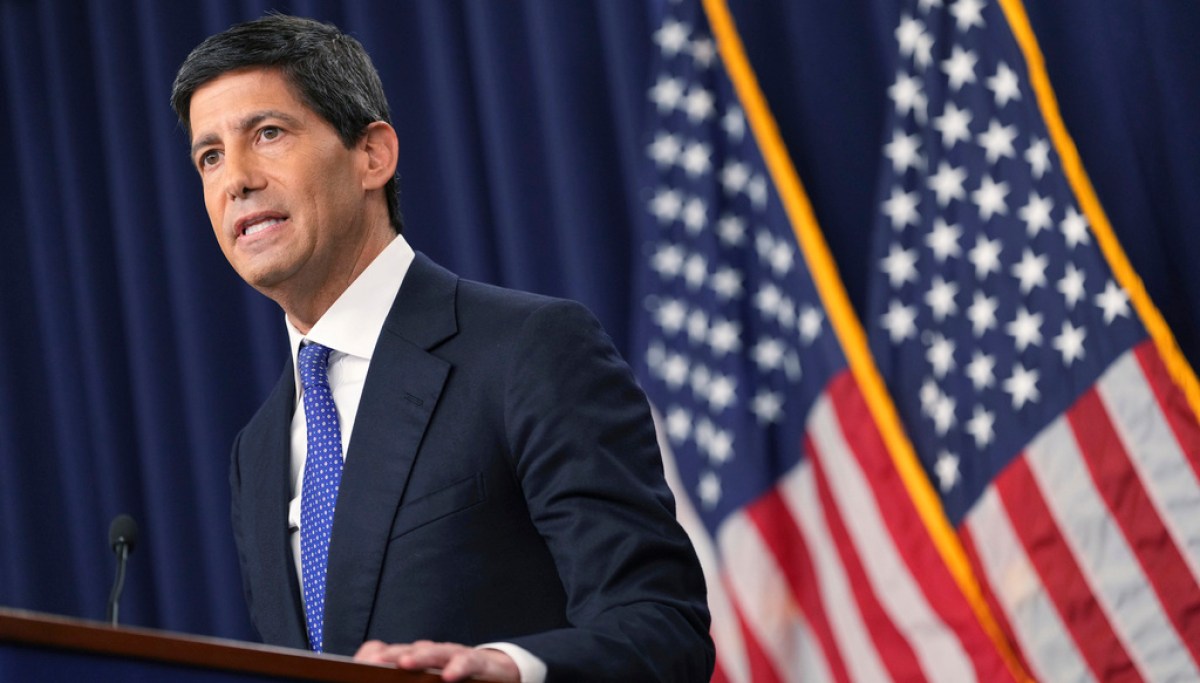
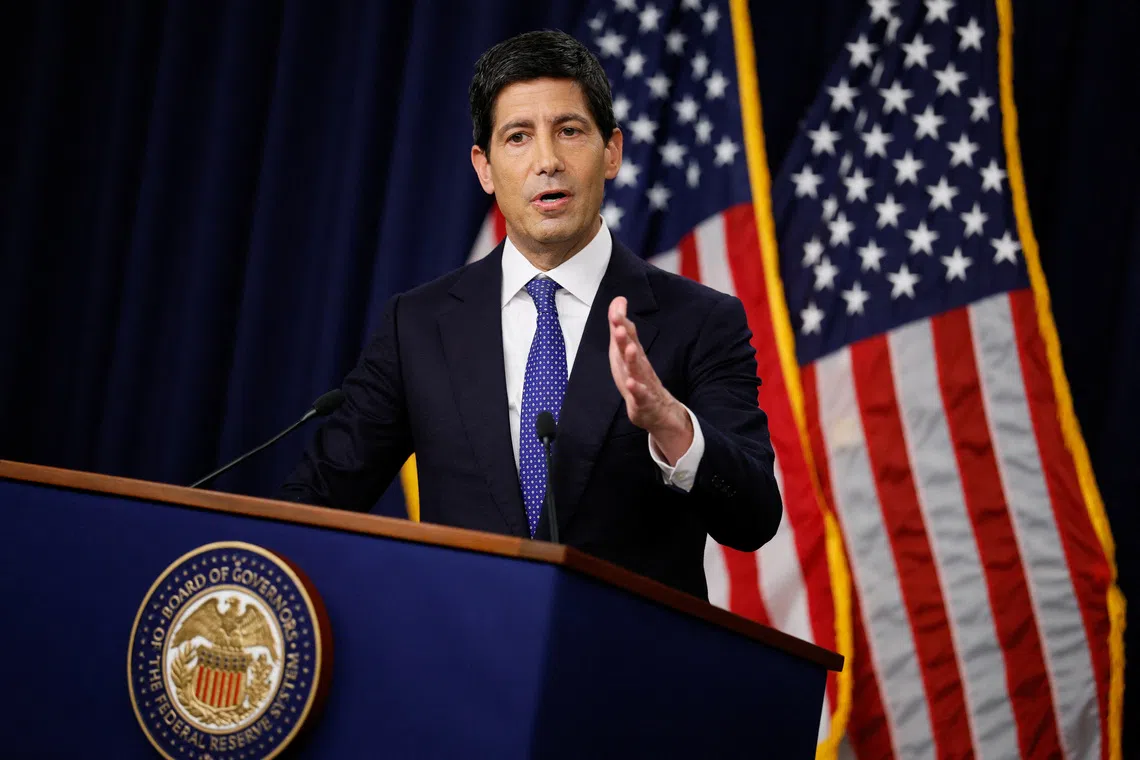
On September 16, US President Donald Trump criticized the Federal Reserve for raising interest rates, demanding they be “1% or less” on his social media platform Truth Social. This came after Kevin Warsh, Trump’s appointee to lead the Fed, supported a rate hike at a press conference where he emphasized that inflation is too high and needs addressing. Despite Trump's criticism, he claimed to still have confidence in Warsh during an interaction with reporters, though details of their conversation remain unclear.
Written by the local model on 2026-09-17,
using this article's own text rather than the other coverage of the
same event (that is the story summary below).
Story summary
On September 16, 2023, the Federal Reserve is expected to raise its benchmark interest rate by 25 basis points to a range between 3.75% and 4.00%. This marks the first hike since late 2023 and reflects growing concerns over inflation, which has remained stubbornly high despite earlier efforts to curb it. The decision comes amid pressure from financial markets anticipating higher rates but against opposition from President Donald Trump, who demands lower interest rates or no changes at all.
The rate increase aims to address elevated inflation, currently above the Fed's target of 2%, and could further impact borrowing costs for mortgages, personal loans, and credit cards. However, it also benefits savers by providing higher returns on their funds if they move them into alternative high-yield savings accounts or other lucrative account types with rates exceeding the current average of 0.38%.
Central bankers in Japan and the UK are facing similar challenges regarding interest rate policy this week as global inflation continues to rise, particularly due to surging oil prices surpassing $100 per barrel for the first time since July 2023. This situation underscores a broader economic landscape where central banks must navigate between managing inflation risks and avoiding potential negative impacts on borrowing costs and economic growth.
Written for “Fed Interest Rate Hike” on 2026-09-17,
grounded in this article and the 27 other(s) covering the same event.
Why this leaning score
The model judged this article politically coded and scored it +0.35, but all 2 of its quote(s) are attributed speech - words the article quotes from someone, not the article's own narration, so the score is not published.
Written under an earlier scoring contract, which gave a paragraph
rather than checkable quotes. Re-analysing this article replaces it.
Leaning score withheld for article 14948: attributed speech only · logged 2026-09-17
Trump lashes out at Fed after Warsh backs rate hike, says rates should be ‘1% or less’
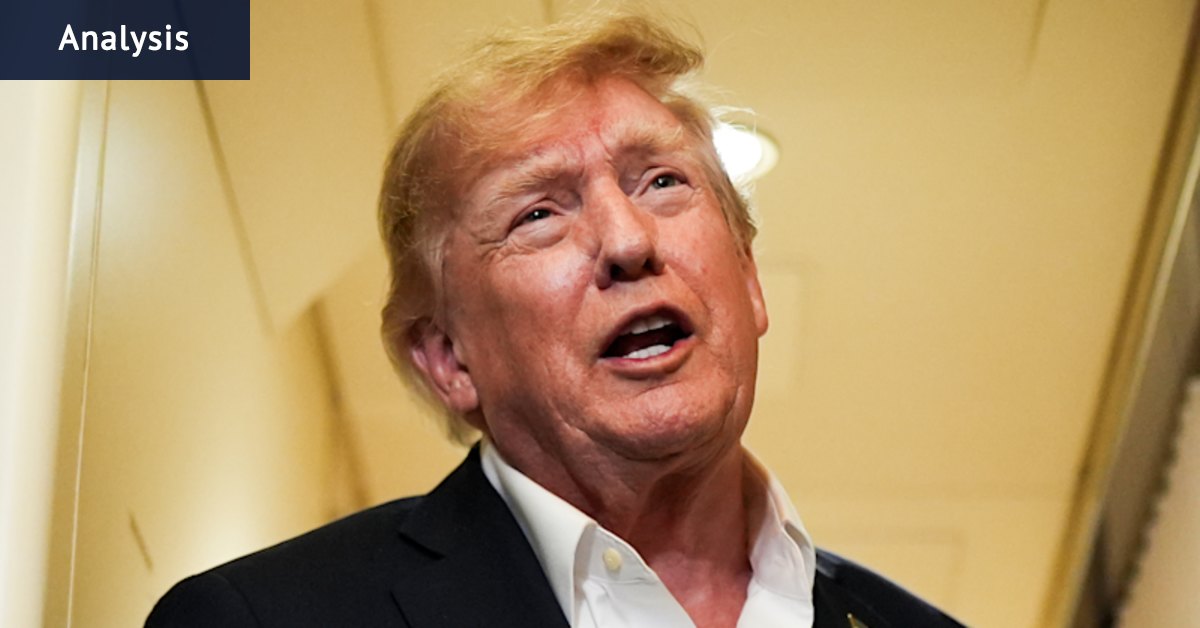
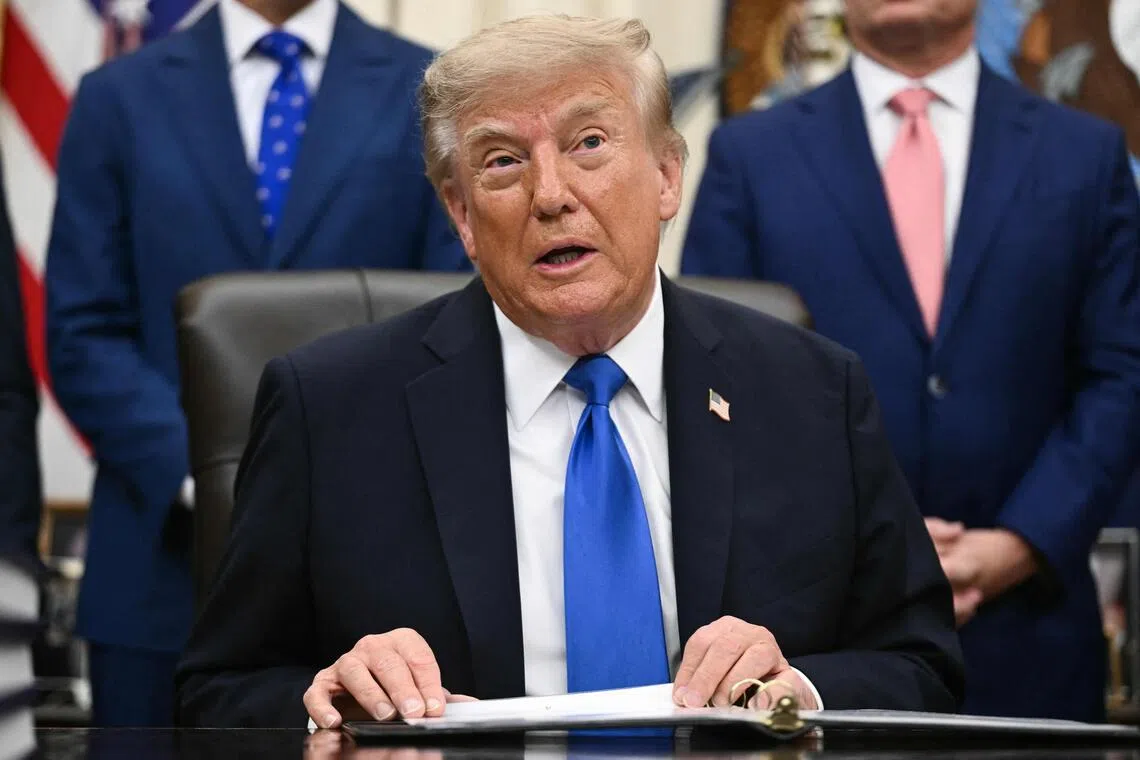
US President Donald Trump on Sept 16 levelled his most pointed – though still indirect – criticism yet at his hand-picked Federal Reserve chief, fuming on social media over the central bank’s move to raise interest rates in a bid to calm persistent inflation.
“Interest Rates in the United States should be 1 per cent, or less, because we are the Best Credit in the World – BY FAR,” he wrote on Truth Social, his social media platform.
asserted
he → lash → Social
“LOWER THE INTEREST RATES FOR THE UNITED STATES OF AMERICA, AND FAST!” he concluded.
asserted
he → lower → AMERICA
It was the closest Trump has come yet to levelling one of his broadsides directly at Kevin Warsh, though he later told reporters he still had confidence in the man he picked earlier this year to take over the Fed from Jerome Powell, a figure the president frequently derided for not delivering the dramatic rate cuts Trump has routinely demanded.
asserted
Trump → come → cuts
“I ... talked to Kevin,” Trump said, appearing to confirm an interaction with the Fed chief that Warsh himself has so far declined to corroborate.
asserted
Warsh → talk → that
“And I said you might as well vote with the board because it’s not going to matter.
uncertain
it → say → board
They’re very political.
asserted
They → ’re → ?
They’re doing the wrong thing.”
asserted
They → do → thing
Trump, as he has in recent social media posts, also appeared to connect persistent US trade deficits with the borrowing costs set by the central bank, even though the two are largely unrelated.
asserted
two → appear → bank
Trump had previously threatened to cut off all trade from countries with which the US had trade deficits if the Fed did not cut interest rates.
asserted
Fed → threaten → rates
We are “carrying” almost every country in the World, and that cannot go on any longer,” Trump posted on Sept 16.
asserted
Trump → carry → Sept
Trump’s screed came shortly after Fed policymakers unanimously agreed to raise rates by 25 basis points to 3.75 per cent to 4.00 per cent, an action that Warsh described at a subsequent press conference as “a sober decision, serious decision, responsible decision”.
asserted
Warsh → come → decision
“The plain fact is that inflation is too high and has been for too long,” Warsh said.
asserted
Warsh → say → long
And rates are likely going still higher.
asserted
rates → go → ?
New policy projections showed 16 of 18 policymakers anticipate at least one more quarter-percentage-point hike by the end of this year, with only two of them seeing rates remaining stable from here.
asserted
rates → show → them
Warsh said again on Sept 16 that he is opposed to sharing forward guidance and did not submit a projection.
asserted
he → say → projection
Trump tapped Warsh in January to succeed Powell, whom Trump nicknamed “too late” for taking a more cautious approach to rate cuts last year than Trump wanted.
asserted
Trump → tap → cuts
Warsh, for his part, took office with a pledge to maintain the Fed’s independence on setting monetary policy while at the same time working in greater concert with the White House on other matters.
asserted
Warsh → take → matters
Since Warsh took office in June – after a Senate confirmation that was nearly derailed by a federal investigation into Powell and renovations of the Fed headquarters building – he initially steered Fed officials to holding rates steady, although not all policymakers agreed with the approach in the face of inflationary pressures.
asserted
policymakers → take → pressures
On Sept 16, he said the time had come for the central bank to take action.
asserted
bank → say → action
“This summer’s inflation readings do not tell me that underlying trends have improved,” he told reporters.
asserted
he → tell → reporters
Asked at his press conference if he planned to meet Trump to explain the Fed’s decision, Warsh demurred.
asserted
Warsh → ask → decision
“I don’t have anything for you on discussions with the president,” he said.
asserted
he → have → president
Trump’s post was the second time this week he had taken aim at his own appointees.
asserted
he → take → appointees
After the Supreme Court struck down his attempt to regulate how states issue mail ballots, Trump wrote of the three justices he appointed: “These are not the people I interviewed to serve on the United States Supreme Court, they are merely a shell of their original selves.”
asserted
they → strike → selves
White House officials spent much of the week publicly pressuring the Fed to hold rates steady.
asserted
officials → spend → rates
One former White House official told Reuters the president’s social media post about the Fed was a tame response in the context of that campaign.
asserted
post → tell → campaign
“The president is making clear he disagrees with the policy without explicitly saying Warsh is personally to blame, giving him a nickname, or threatening retaliatory action against the Fed,” said the person, who spoke on the condition of anonymity because they were not authorised to speak publicly.
asserted
they → make → anonymity
“Instead he’s redirecting his ire toward trading partners, which have little to do with the monetary policy decision.”
asserted
which → redirect → decision
 The Aporia