Mice with human brain cells offer a tool to study disease.
asserted
Mice → offer → disease
Ethicists ask: What's next?
asserted
What → ask → ?
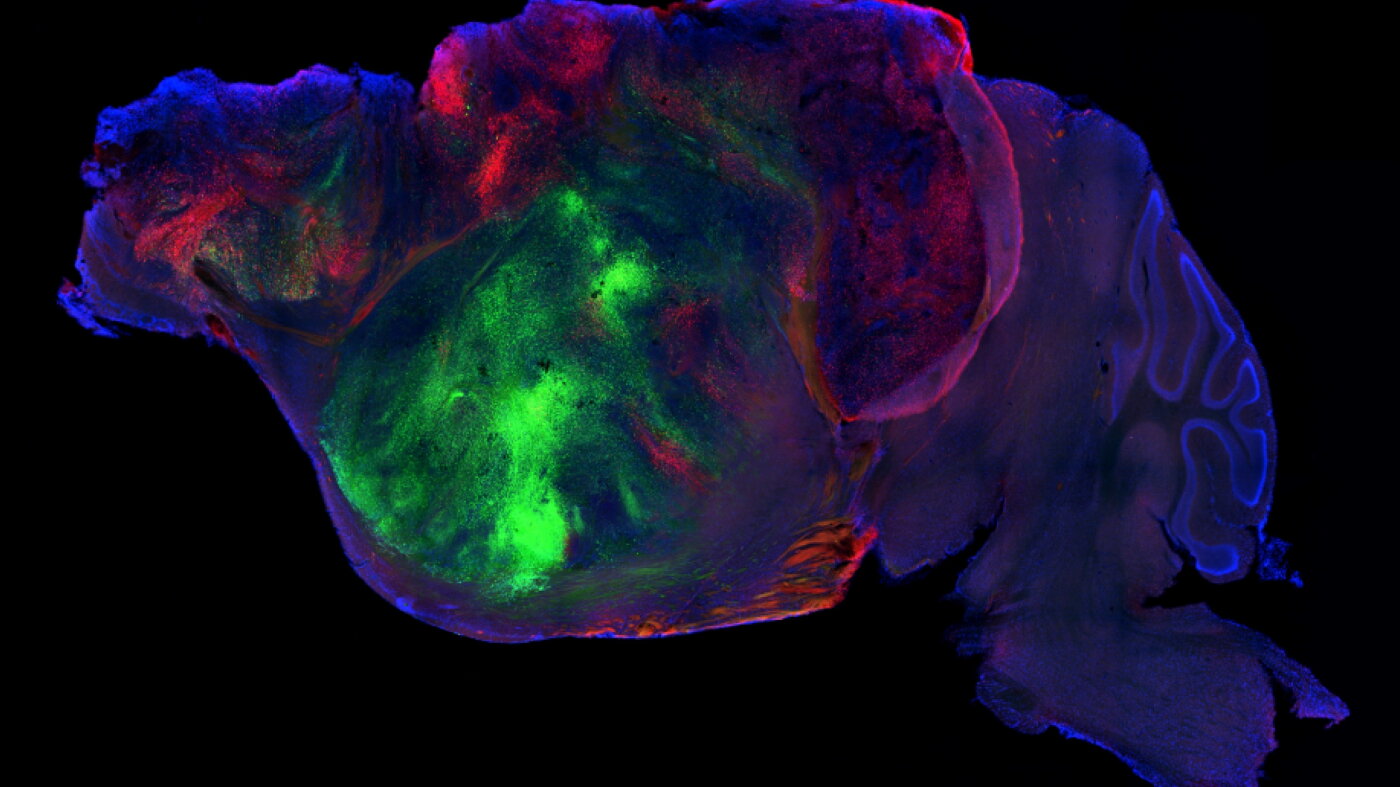
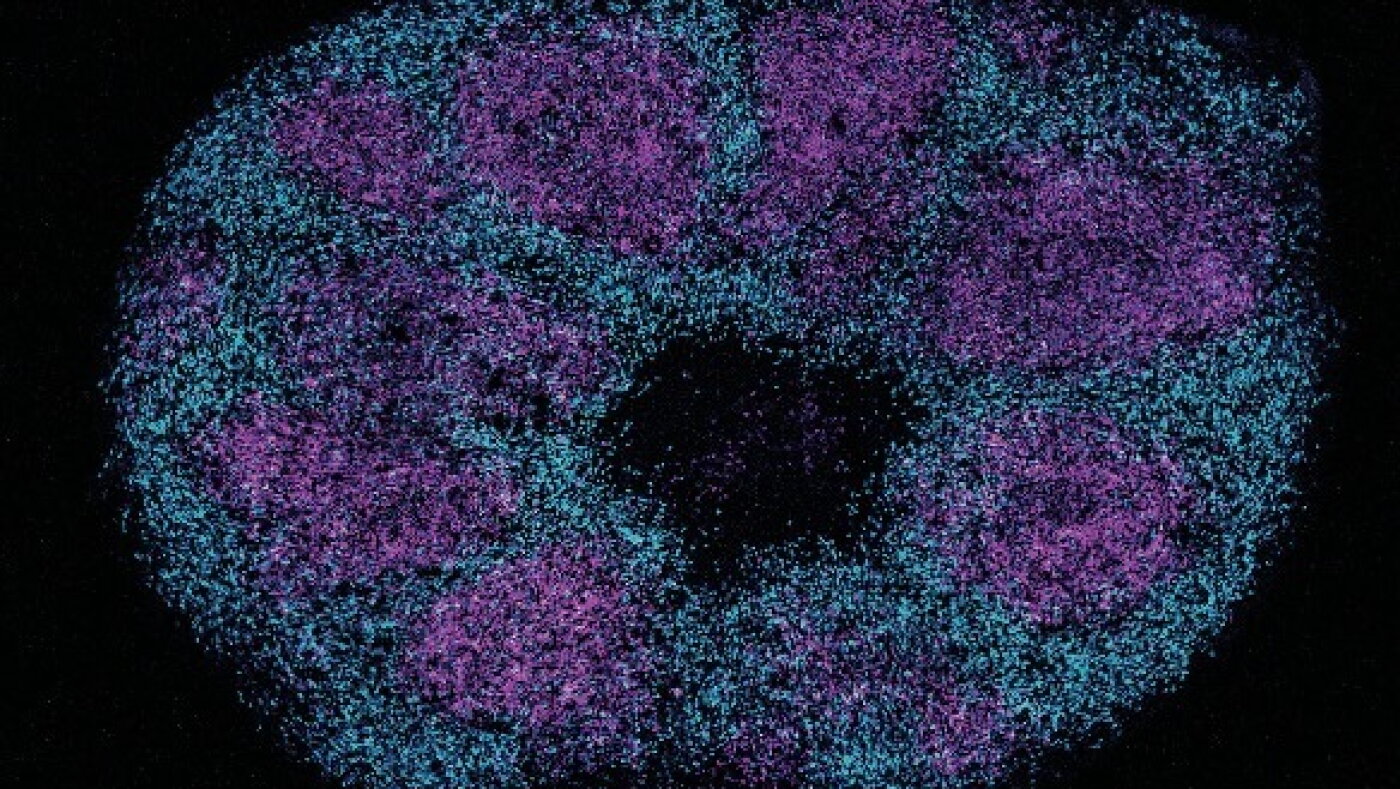
Researchers have developed a new way to install millions of human brain cells into mice, as a way of creating better scientific models for studying neurodegenerative disease.
asserted
Researchers → develop → disease
Using genetic tools, the scientists bred mice that were missing most of their cerebral cortexes – the outermost layer of the brain involved with reasoning, memory and consciousness.
asserted
that → use → reasoning
Then, they replaced a large part of those missing mouse cells with lab-grown human brain cells, creating mice with human neurons that can be altered to approximate human brain conditions researchers are eager to study.
asserted
researchers → replace → conditions
"For the past two decades, there's been a quest to try to build models of the human brain outside of the human body," says Sergiu Pașca, professor of psychiatry and behavioral sciences at Stanford University and senior author on the paper, published in the journal Nature.
asserted
Pașca → be → journal
"This is not going to replace all the models we had before, but it's going to provide us access to other aspects of human brain function that would be very difficult to study otherwise."
asserted
that → go → function
Pașca says this research was conducted with strong ethical oversight and pushes research forward.
asserted
research → say → research
At the same time, outside researchers point out that the development raises significant questions about where it could lead.
uncertain
it → point → questions
"It's really a powerful technology to study human neurons and how human brain circuits can form in a more natural environment" than a petri dish, says Hongkui Zeng, executive vice president and director of brain science at the Allen Institute in Seattle, Washington, who was not affiliated with the study.
asserted
who → study → study
But "going forward, there will be some considerations, if not concerns," she added — such as the implications of deploying this technique in larger and longer-living animals.
asserted
she → go → animals
Making space for human neurons
While it's not the first time human brain cells have been installed in mice, this new effort manages to connect significantly more human cells than before.
asserted
effort → make → cells
Previous attempts were limited by an enduring biological reality: Human brain cells develop at least 20 times slower than those in mice, Pașca says.
asserted
Pașca → limit → mice
That meant that neurons in a regularly developing mouse formed a rapid network, outcompeting the human cells that were dropped in.
asserted
that → mean → cells
"By the time the human cells managed to extend a few millimeters, mice cells had already formed most of the connections, and brain development closed," Pașca says.
asserted
Pașca → manage → connections
The team solved for this by breeding genetically engineered mice that were missing specific parts of their brains.
asserted
that → solve → brains
"We thought we could provide the human cells more opportunities to connect by removing parts of the nervous system of the mouse in a very precise, very clean way," he says.
uncertain
he → think → way
To their surprise, the mice they bred were still quite functional: "They actually have quite good locomotion," Pașca says, "They don't do that well in memory tasks…[but] you wouldn't be able to tell when you look at these animals that they're lacking half of the volume of their brain.
asserted
they → breed → brain
"
This part of the experiment shows the remarkable adaptability of developing brains, says Keng of the Allen Institute.
asserted
Keng → show → Institute
Animals missing their cerebral cortex — which governs higher-order brain function — aren't expected to do well on challenging tasks.
asserted
which → miss → tasks
These mice, however, developed alternative strategies using the remaining parts of the brain.
asserted
mice → develop → brain
"Surprisingly, the animal can adapt," she says, "It's incredible to see that."
asserted
It → adapt → that
A more human-ish lab mouse brain
Next, the research team added small clumps of human neurons to the depleted mouse brains.
asserted
team → add → brains
"We gently place them, through a very quick, simple procedure, right into that vacant space in the nervous system of the mouse," Pașca says.
asserted
Pașca → place → mouse
"Within a few days, the cell starts to divide and expand.
asserted
cell → start → days
Within a few weeks to months, they will essentially grow, become vascularized, and largely take up the space that was present."
The mice with filled-out brains were better at memory tasks and interacting with other mice.
asserted
mice → grow → mice
"Many of the deficits that were present in the [depleted] mice are now not present in this animal," he says, "So it seems that the human cortical cells are perhaps contributing to restoring some of these lost functions.
asserted
cells → deplete → functions
"
But there were some key differences between the mice with human brain cells, and regular, unaltered mice, which bode well for research into human brain conditions, Pașca says.
asserted
Pașca → be → conditions
For instance, mice with human brain cells had problems walking properly after their brains were deprived of oxygen.
asserted
brains → have → oxygen
This more human-like reaction suggests the altered mice might be better models for brain conditions linked to low oxygen, such as cerebral palsy, intellectual disability, and epileptic encephalopathies, he says.
uncertain
he → suggest → palsy
"Hopefully, it will be incredibly powerful for tackling questions of disease and developing therapeutics," says Pașca.
asserted
Pașca → tackle → therapeutics
As the tech grows more complex, so do the ethics questions
The researchers emphasize that this is not a full brain transplant; in the experiment, they've removed some 14 million mouse neurons and added around 4 million lab-grown human cortical neurons.
asserted
they → grow → neurons
The resulting mice still lack other important types of brain cells, which the researchers deliberately didn't add, and their human neurons don't form a typical outer brain.
asserted
neurons → result → brain
"The cortex is usually beautifully organized into layers.
asserted
cortex → organize → layers
But here, when we put the cells in, they don't know where up and down really is," Pașca says.
asserted
Pașca → put → cells
"They fail to organize on a larger scale.
asserted
They → fail → scale
And the model is best suited for certain diseases that begin in early human development, due to the human-paced growth of the implanted neurons: "It turns out the timing of development is well-conserved…even when we put them in an animal that is developing faster," he says.
asserted
he → begin → animal
Some of these limitations reflect deliberate choices made by the researchers for ethical reasons, says Nita Farahany, professor of law and philosophy at Duke Law, who served as an unpaid member of an external ethics board that helped guide the progression of this work.
asserted
that → reflect → work
For instance, the researchers chose to stop the experiments when the human brain cells reached around six months old — before they could form a connection in the mouse's brain that is considered a hallmark of consciousness by human development researchers.
uncertain
that → choose → researchers
"They're trying to stop the study before the markers of consciousness, or the fact of consciousness, might emerge," Farahany says — a choice she agrees with.
"But that line itself is a line that you might start to wonder about," she adds.
uncertain
she → try → that
…and 13 more, not listed.
 The Aporia