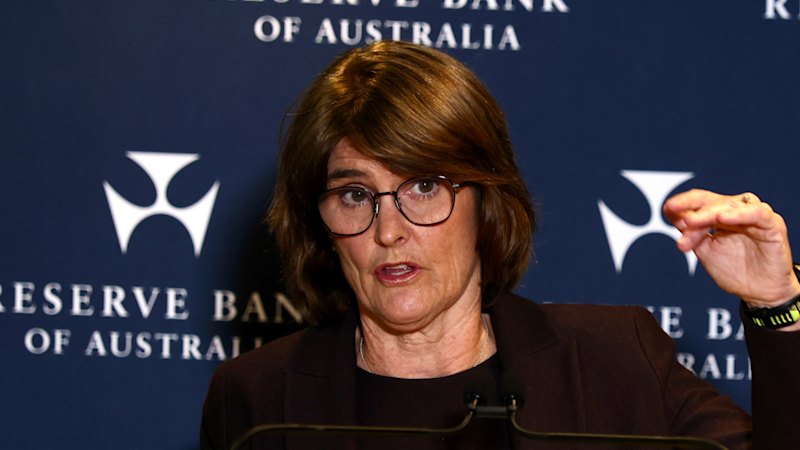
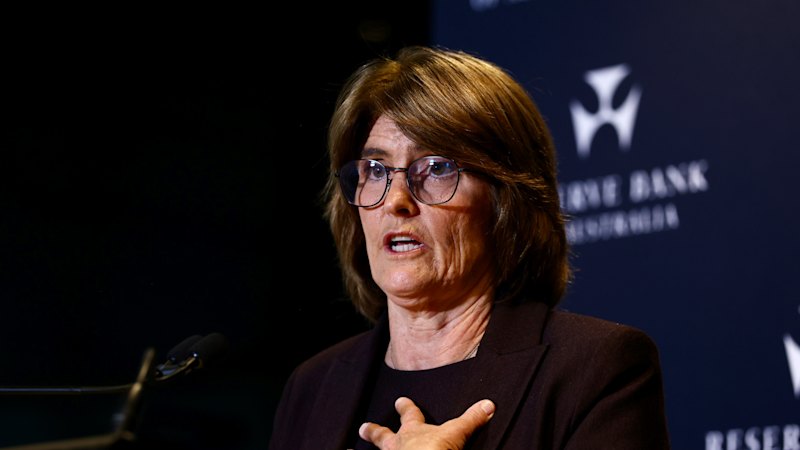
The AI building boom that is powering the global economy could force interest rates to remain higher, the Reserve Bank’s chief economist has warned, while revealing there are few signs the new technology will eat into the job prospects of young Australians.
uncertain
technology → power → Australians
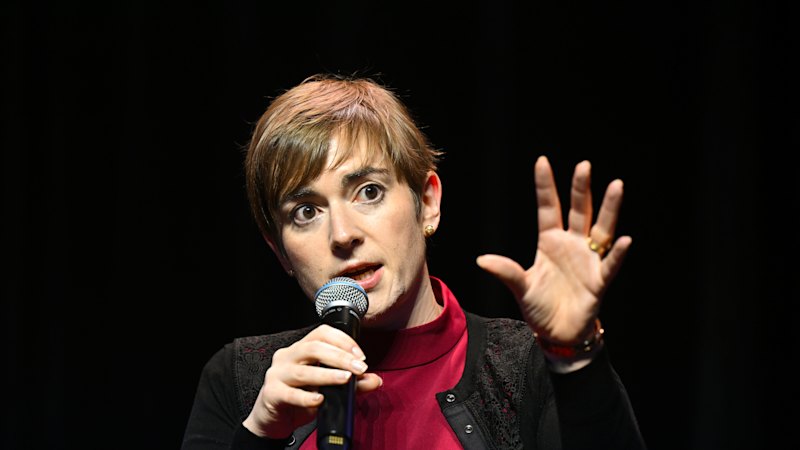
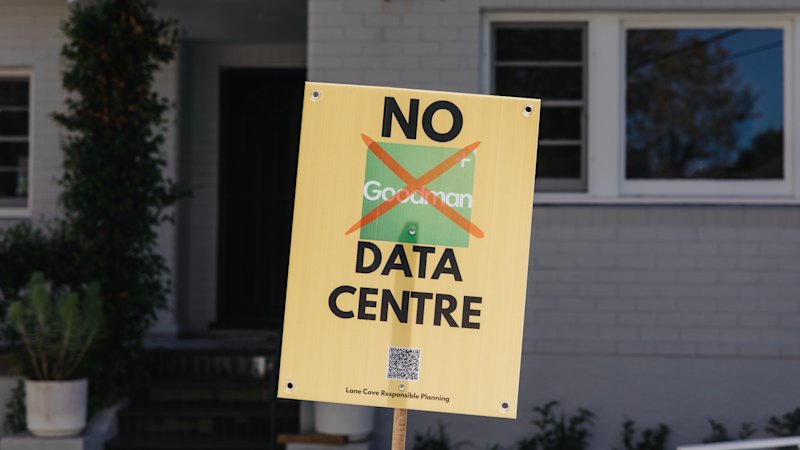
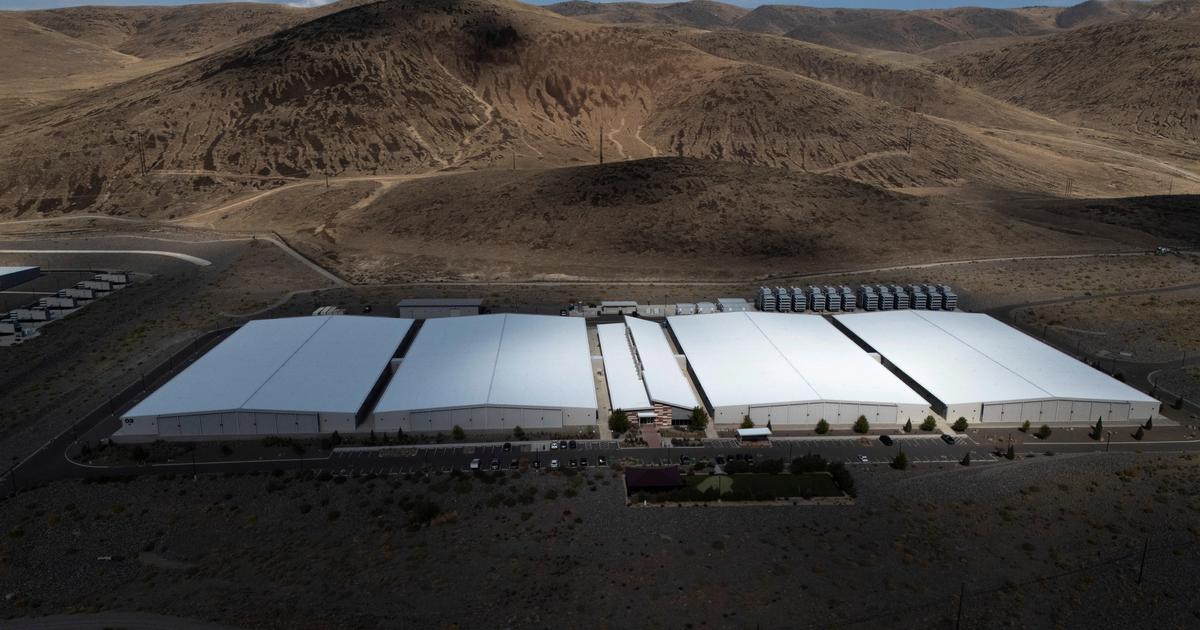
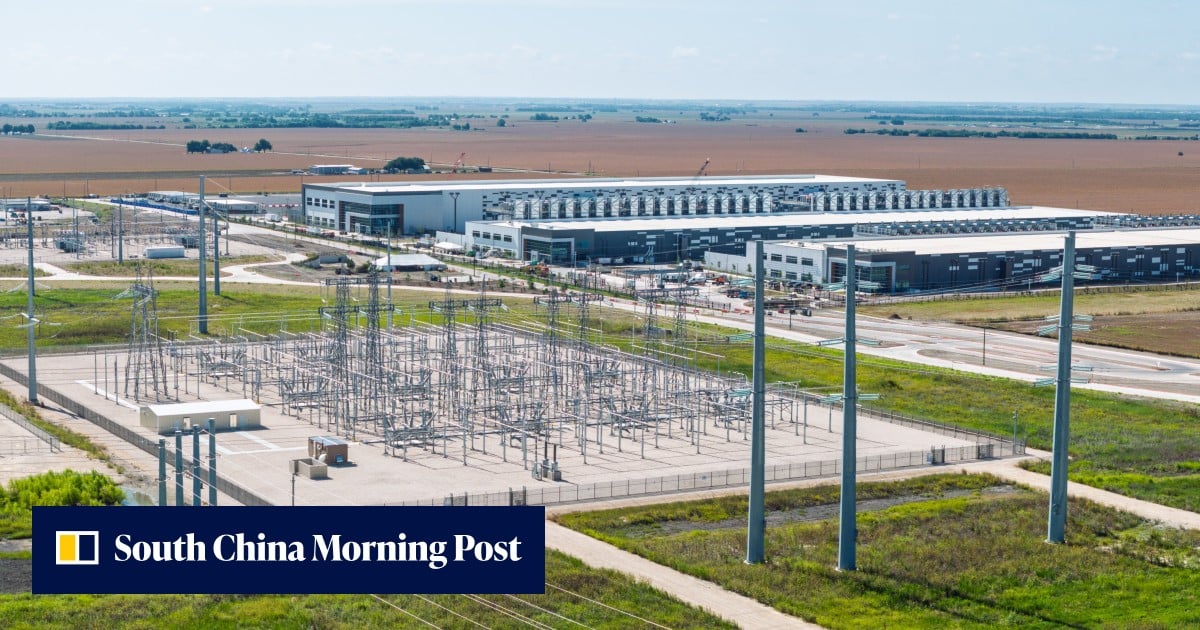
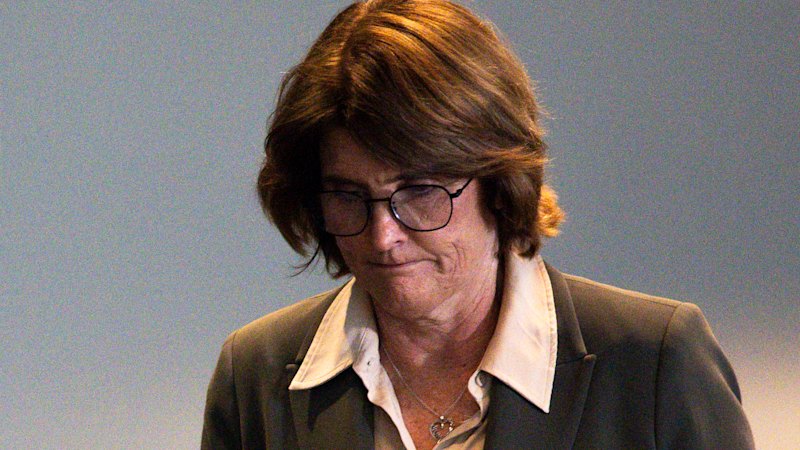
Sarah Hunter, in an address to a business conference in Sydney on Monday, said AI was already having a major impact on the Australian economy with investment in data centres up 10-fold over the past three years with signs they are competing against the construction sector for trade workers.
asserted
they → say → workers
And data centre construction alone could be the equivalent of 2 per cent of GDP for the next two years, but their demand on the energy grid could force up power prices.
uncertain
demand → force → prices
The size of the AI boom has caught the Reserve and other central banks by surprise.
asserted
size → catch → surprise
Last week, the RBA forecast that business investment would climb by 12 per cent this year.
asserted
investment → forecast → cent
In May, it had forecast growth of just 0.8 per cent.
uncertain
it → forecast → cent
Proponents describe AI as a transformative general purpose technology, similar to the advent of railways and electricity.
asserted
Proponents → describe → railways
These technologies upended economies, work practices and the broader world.
asserted
technologies → upend → economies
Hunter said AI could lift productivity and transform workplaces while increasing household and business spending.
uncertain
AI → say → spending
She likened the current boom to the rollout of the internet in the late 1990s and early 2000s, saying this was a period of robust economic growth and higher interest rates around the world.
“There is tentative evidence of this happening with AI; our estimates for the neutral rate have risen in recent years, and bond yields have increased over the past couple of months with market participants citing strong demand for capital as a key driver,” she said.
asserted
she → liken → driver
“Firms want to invest to take advantage of the new technology and to expand their capacity to meet faster future growth.
asserted
Firms → want → growth
Given this is happening globally, they’ll be competing for scarce savings, pushing up interest rates.
asserted
they → give → rates
The federal government is under pressure to come up with policies to boost Australia’s productivity which, like most nations, has flatlined for the past decade.
asserted
which → come → decade
Hunter said there was limited evidence yet of an AI-led lift in productivity, noting this was likely due to businesses taking time to invest and reorganise their operations to take full benefit of the technology.
asserted
businesses → say → technology
But this could rapidly change.
uncertain
this → change → ?
“This experience mirrors that of previous general-purpose technologies.
asserted
experience → mirror → technologies
Their implementation typically led to what economists call a productivity J-curve,” she said.
asserted
she → lead → what
The largest productivity gains did not come simply from replacing steam engines with electric motors, but from reorganising production and redesigning factory processes to best suit this new source of energy.”
An ongoing concern is that AI will wipe out occupations, forcing many people out of work.
Hunter said there was little evidence the technology had affected overall employment, but added there were signs of lower hiring among younger workers in “highly AI-exposed occupations”.
asserted
technology → come → occupations
“In Australia, contacts in the RBA’s liaison program indicate that AI has not yet impacted
most firms’ headcount and is not expected to over the next year,” she said.
asserted
she → indicate → year
The impact of AI on the Australian economy has prompted the Reserve to devote more of its resources on its economic ramifications.
asserted
impact → prompt → ramifications
On Monday, the bank released four separate pieces of new research into AI.
asserted
bank → release → AI
One research paper suggests 5.3 per cent of Australian households’ financial wealth, which estimated at almost $9 trillion, is invested in AI-related companies either directly or through their superannuation.
uncertain
which → suggest → superannuation
Separate research shows the bank expects $115 billion to be invested across Australia in data centres by 2028, or about 2 per cent of GDP per year.
asserted
billion → show → year
That does not include supporting infrastructure such as energy sources for the data centres.
asserted
That → include → centres
Data centre demand for energy has meant some renewable energy projects that may not have been financially viable are being built.
uncertain
that → mean → energy
But the RBA research said the strong growth for electricity by data centres “could place upward pressure on wholesale electricity prices for a time”.
uncertain
growth → say → time
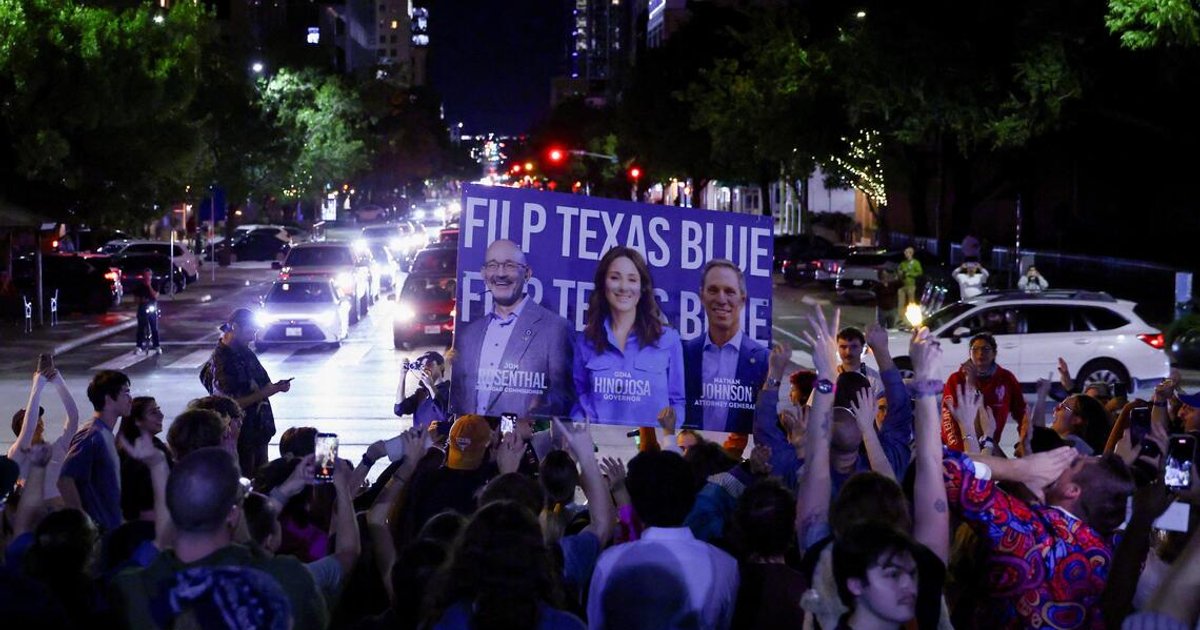
In last week’s US midterm elections, 40 initiatives were on county and state ballots relating to data centres.
asserted
initiatives → relate → centres
All proposals to restrict data centres succeeded.
asserted
proposals → restrict → centres
Hunter said the benefits of AI were unlikely to be distributed across the community evenly, with financial returns so far flowing to a small number of businesses and their equity holders.
asserted
returns → say → businesses
“Some workers may face a difficult period of adjustment as demand for particular roles or tasks decline, which will weigh on income and spending by some households,” she said.
uncertain
she → face → households
“The strength of the consumption response will depend not only on the overall increase in income, but also on how broadly the gains are shared across the economy and the pathway for integrating the technology into our daily lives.”
Cut through the noise of federal politics with news, views and expert analysis.
asserted
gains → depend → news
Subscribers can sign up to our weekly Inside Politics newsletter.
asserted
Subscribers → sign → newsletter
 The Aporia