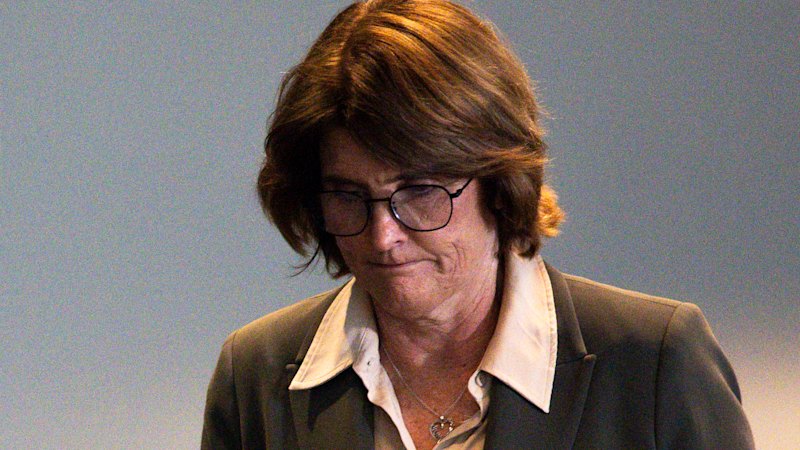
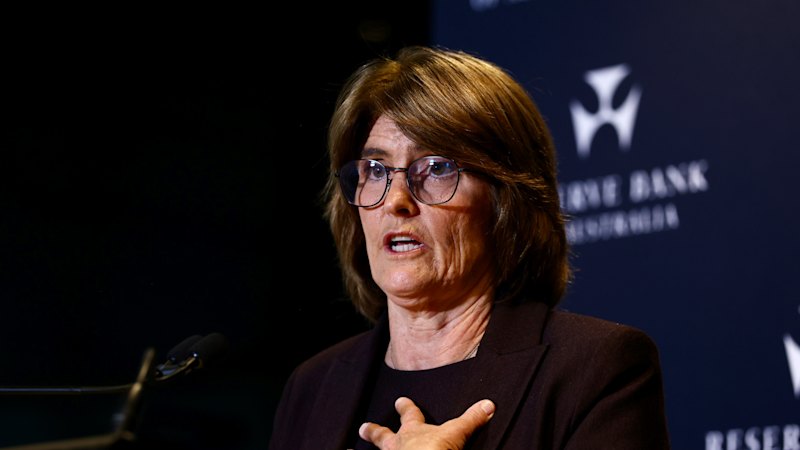
The Middle East conflict and AI boom have intensified the fight to slow price growth, pushing the Reserve Bank to hike interest rates to their highest level since the global financial crisis.
asserted
conflict → intensify → crisis
On Tuesday, the bank increased the country’s official interest rate to 4.85 per cent, adding about $100 in repayments a month to a 30-year $600,000 mortgage despite a sharper-than-expected slowdown in the housing market and worsening unemployment.
asserted
bank → increase → market
In a major surprise, the vote was 6-3 in favour of the hike, suggesting there is a split in parts of the bank about the direction of interest rates.
asserted
vote → suggest → rates
In the past week, the Reserve Bank of New Zealand and the US Federal Reserve split on rate decisions with concerns in both the trade-off between higher interest rates and their impact.
asserted
Bank → split → rates
There have also been splits on other central banks as they struggle with the inflationary pulse created by the war in the Middle East and the AI construction boom.
asserted
they → struggle → East
The last time the RBA board split was in May when 8 voted in favour of a rate hike with one holding out.
uncertain
one → split → hike
In its latest forecasts, the bank revealed it did not expect trimmed mean inflation – the bank’s preferred gauge of price pressures – to reach the middle of its 2 to 3 per cent target until June 2028, and that headline inflation would peak at 4.5 per cent by Christmas before beginning to fall.
asserted
inflation → reveal → Christmas
The bank’s previous forecasts in August predicted inflation to fall steadily over the next two years, with trimmed mean inflation hitting 2.6 per cent by December 2027.
asserted
inflation → predict → December
A key issue fuelling higher inflation is the price of oil.
asserted
issue → fuel → oil
In August, the RBA expected Brent to be down around $US76 a barrel.
asserted
Brent → expect → August
Today, it is $US104 a barrel and has averaged above $US110 for the past two months.
asserted
it → average → months
The bank’s forecasts on oil still expect oil to cost around $US80 a barrel by the end of 2028.
asserted
oil → expect → 2028
Business investment, largely in data centres and computer servers, is expecting to grow by 12 per cent this year.
asserted
investment → expect → cent
In August, it had expected investment to grow by 4.3 per cent.
asserted
investment → expect → cent
AI and computer component companies around the world are pushing through large price rises which are then showing up in higher inflation figures.
asserted
which → push → figures
The bank warned that the AI construction boom could hurt the home construction sector.
uncertain
boom → warn → sector
“The ramp-up of investment in data centres may also contribute to capacity and pricing pressures domestically, particularly by drawing on resources in the construction industry,” it said.
uncertain
it → contribute → industry
While several of the cost pressures are driven by international factors, the bank noted capacity constraints in the domestic economy were worse than it had previously thought.
asserted
it → drive → economy
The bank waned that a combination of higher interest rates, higher inflation and the fall in property prices could hit domestic economic activity harder than expected.
uncertain
combination → wan → activity
It estimates that if consumers start pulling back on discretionary spending faster than forecast, the overall economy could be a full percentage point - or about $28 billion - smaller by the end of 2028 than anticipated.
uncertain
economy → estimate → 2028
Unemployment would then likely approach 5.5 per cent, a full half percentage point higher than the RBA is forecasting.
asserted
RBA → approach → cent
The bank noted that public demand, effectively government spending, was weaker than expected through the first half of this year.
“An easing in public consumption reflected the ending of some temporary cost-of-living measures alongside some moderation in some categories of government spending such as defence and disability and aged care services,” it said.
asserted
it → note → defence
In August, the bank expected public demand to grow by 3.2 per cent this year.
asserted
demand → expect → cent
It now expects growth of 2.1 per cent.
asserted
It → expect → cent
But some of that slowdown is likely due to spending being pushed into 2027.
asserted
spending → push → 2027
In the 12 months to June next year, public demand is expected to grow by 3.8 per cent after previously being forecast to grow by 3.1 per cent.
asserted
demand → expect → cent
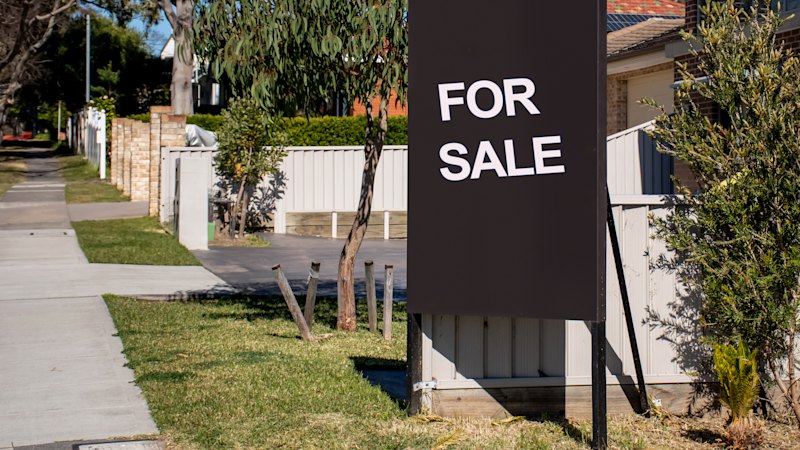
The bank also said there had been a sharper downturn in the housing market than it had been anticipating, partly driven by government tax changes brought in earlier this year.
asserted
it → say → changes
Subscribers can sign up to our weekly Inside Politics newsletter.
asserted
Subscribers → sign → newsletter
 The Aporia