The new Democratic majority in Congress knows AI is an issue ripe for the taking.
asserted
AI → know → taking
A fight is already brewing over how aggressively to regulate it.
asserted
fight → brew → it
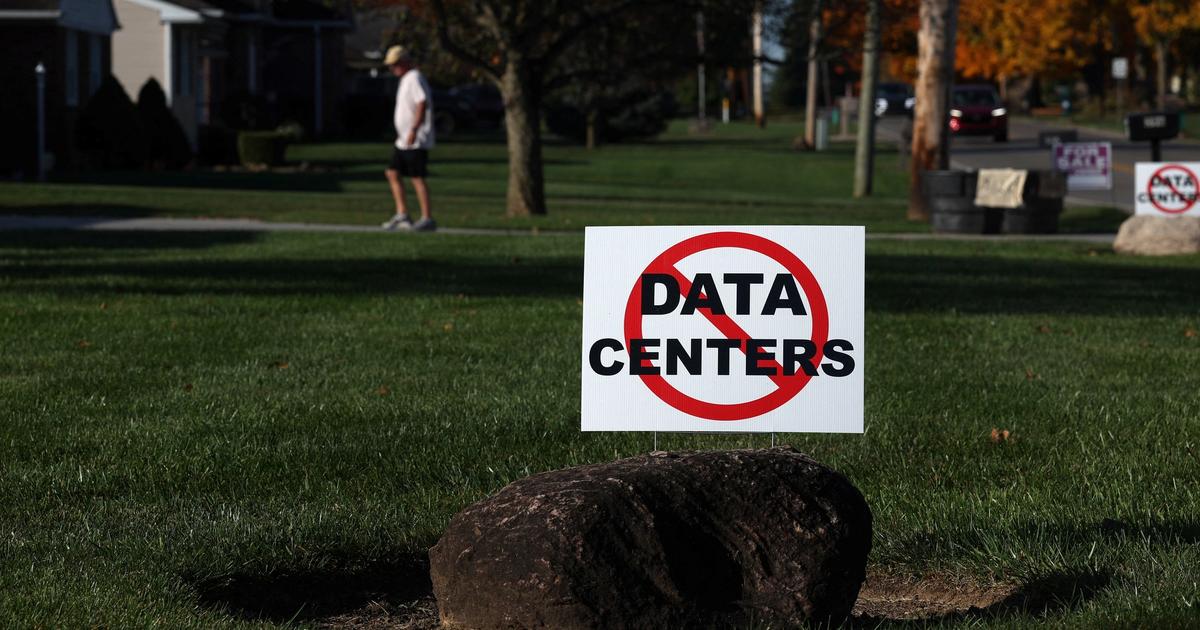
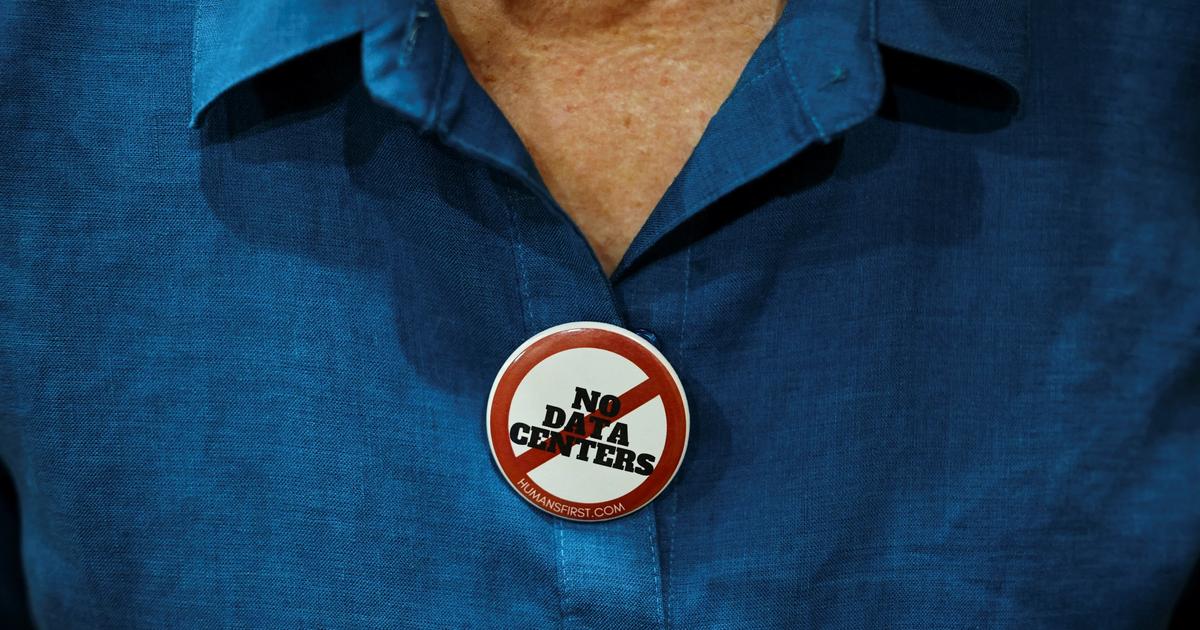
Tuesday’s election results saw more than 40 AI data center-related ballot measures passed that were designed to slow or stop growth outright.
asserted
that → see → growth
Conservative groups said it’s clear that voters are connecting economic woes with the unfettered growth of AI and an overly friendly environment for billionaire CEOs in President Donald Trump’s Washington.
asserted
voters → say → Washington
However, divisions between the more progressive wing of the party and more business-friendly moderates, along with disagreements between the House and the Senate, will make it difficult for the newly empowered party to quickly pass any sweeping AI rules.
asserted
party → make → rules
And of course, Trump, who has thus far embraced a hands-off approach to AI regulation, has threatened to veto bills he doesn’t like.
asserted
he → embrace → bills
“We know how important this is, and it is going to be a high priority for Democrats,” Rep. Greg Stanton, D-Ariz., a member of the New Democrat Coalition, told reporters on Wednesday.
asserted
Stanton → know → Wednesday
He acknowledged, however, that there is plenty of intra-party debate ahead.
asserted
He → acknowledge → debate
The new Congress will usher in renewed pushes for bills to address AI safety and curb data center growth, as well as the formation of larger coalitions behind banning “superintelligence.”
asserted
Congress → usher → superintelligence
But the lack of agreement around any one legislative policy push will make it difficult for Democrats to accomplish anything, even with larger majorities than they anticipated in both chambers.
asserted
they → make → chambers
“Not that we’ve reached a specific agreement on a specific policy,” Stanton said, adding that the caucus understands “how important it is” to address cybersecurity risks, protect kids online, and advance worker protections.
asserted
it → reach → protections
party projects optimism
Still, Democrats insist they’re in a position to deliver on AI guardrails regardless of divisions within their party.
asserted
they → insist → party
One thing liberals and moderates can agree on: They’re already pledging to subpoena tech executives to grill them on safety risks and economic effects stemming from their technology.
asserted
They → agree → technology
“Many Democrats were negotiating with a Republican Party whose main AI policy goal last Congress was to eliminate all AI regulations in all states.
asserted
goal → negotiate → states
Things have shifted drastically, such that even people like JD Vance are admitting they were completely wrong on the issues,” Rep. Greg Casar, D-Texas, told reporters Wednesday.
asserted
Casar → shift → reporters
“The Democratic Party coming out of this election can prove to our voters that we are with them, and we are going to call the AI CEOs to testify under oath, not cash their checks,” he said, calling AI regulation a “top priority.”
asserted
he → come → regulation
Added Rep. Ted Lieu, D-Calif., in a separate conversation with reporters: “Two things will change next term.
asserted
things → add → reporters
We will hold public hearings on AI.
asserted
We → hold → AI
We will pass legislation and reasonable guardrails on AI.”
asserted
We → pass → AI
Rep. Josh Gottheimer, D-N.J., a member of the Problem Solvers Caucus, told Semafor that Democrats are in “surprisingly broad agreement” on AI.
asserted
Democrats → tell → AI
“We agree that this technology is changing how Americans work and live.
asserted
Americans → agree → ?
We also agree that we need commonsense guardrails, so that it works for families, workers, and kids — not against them,” Gottheimer said.
asserted
Gottheimer → agree → them
“We’ll continue to have constructive discussions on how best to get there.
asserted
We → continue → discussions
I look forward to working with every member, new and returning, to get it done.”
asserted
it → look → member
New progressive voices on Capitol Hill, buoyed by midterm wins and stronger numbers, promise to make a lot of noise about delivering on AI.
asserted
voices → buoy → AI
“It’s going to take a lot of work to hammer out the details, but failure is not an option.
asserted
failure → go → details
AI poses a real and present danger to our economy and social fabric,” Will Lawrence, a Democrat who just won a House seat in Wisconsin, told Semafor.
asserted
who → pose → Semafor
Democrats see other ways to make an impact with their new power.
asserted
Democrats → see → power
One Democratic Capitol Hill staffer told Semafor Democrats can now “subpoena the hell” out of Trump’s executive order on AI from June that has never fully been released publicly, along with using their subpoena power to question the administration’s use of export controls and the influence of tech players like Meta CEO Mark Zuckerberg on AI policy.
asserted
that → tell → policy
The staffer said he expects Senate leadership to cater to moderates and be reluctant to “go too far in one direction,” since AI is still a new political issue on which the party’s platform isn’t yet defined.
asserted
platform → say → which
Democrats are shifting left on AI, the staffer argued, but they doubted Democrats in both chambers would broadly support proposals like Casar’s bill to pause the development of advanced AI models.
asserted
Democrats → shift → models
Notable
- Abdul El-Sayed, the incoming senator from Michigan, has been among the most vocal Democrats raising alarm about AI on the campaign trail.
asserted
Sayed → raise → trail
- Any major AI safety and testing legislation in the Senate would come from the Senate Commerce Committee.
asserted
legislation → come → Committee
Sen. Maria Cantwell, D-Wash., the committee’s top Democrat, has been pushing for a bill that would mandate independent testing of AI models before their release.
asserted
that → push → release
 The Aporia