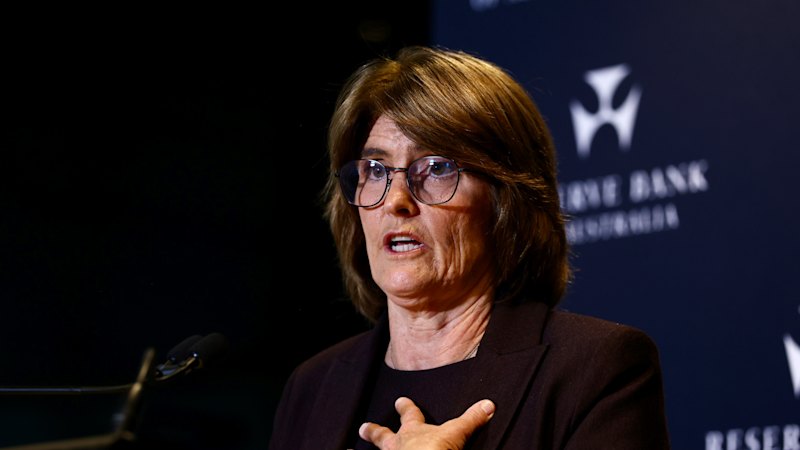
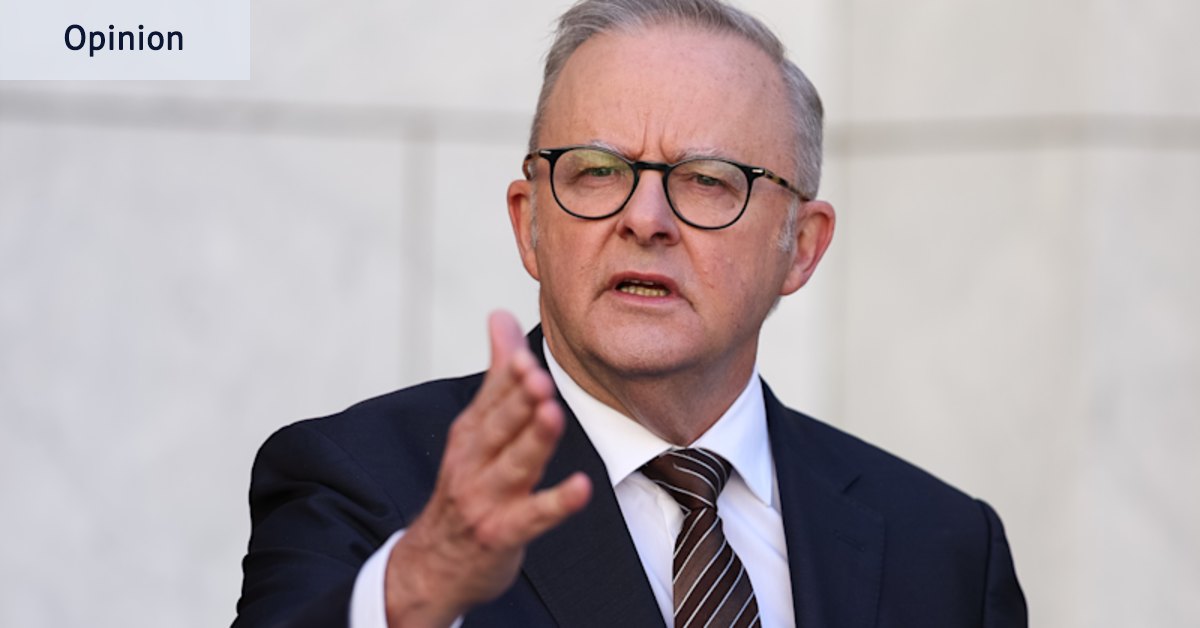
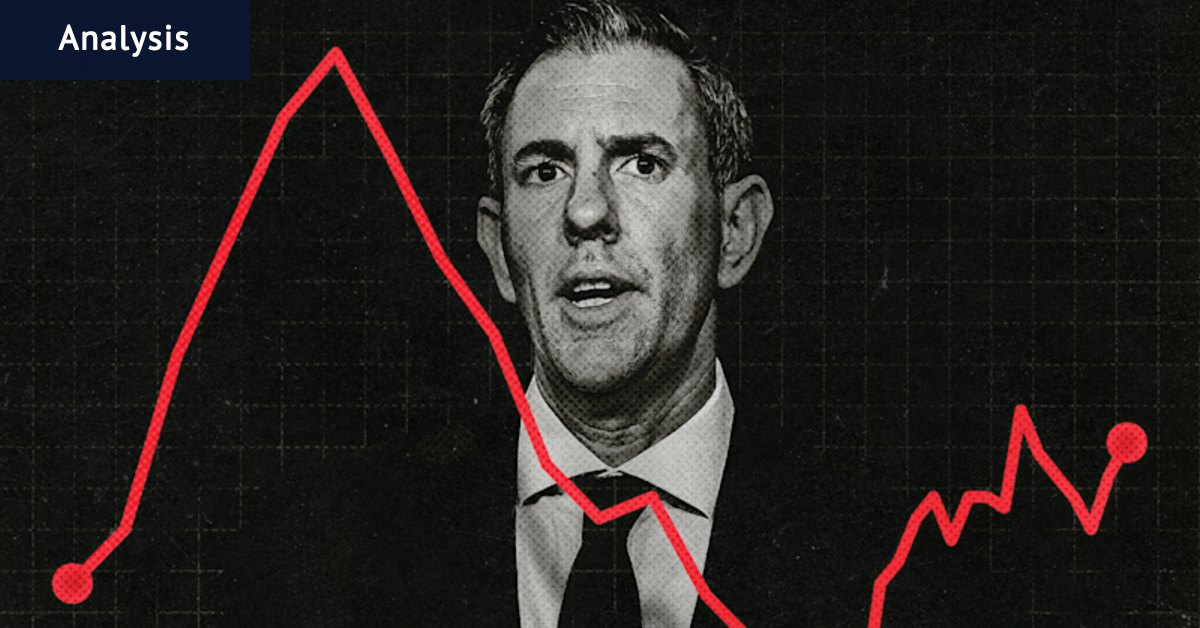
The Reserve Bank is being warned it could drive Australia into a recession and leave tens of thousands of people out of work with a Melbourne Cup Day interest rate rise that will lift pressure on Treasurer Jim Chalmers to cut deeper into government spending.
uncertain
that → warn → spending
Financial markets and most economists expect the RBA to lift official interest rates on Tuesday afternoon to an 18-year high of 4.85 per cent in a bid to quell inflation that has sat above the bank’s 2-3 per cent target band for most of the past four years.
asserted
that → expect → years
On a 30-year $600,000 mortgage, monthly repayments will have increased by a cumulative $500 if the Reserve moves on the cash rate.
asserted
Reserve → increase → rate
But there are growing concerns such an aggressive tightening in monetary policy will slow the economy and push people out of work.
asserted
tightening → be → work
The bank was already forecasting economic growth to slow to 1.4 per cent by year’s end while unemployment, at 4.7 per cent, is already above what the Reserve had been predicting.
asserted
Reserve → forecast → what
AMP chief economist Shane Oliver, who put the chance of recession at between 30 and 40 per cent, said the current fall in property prices would make households feel less well-off and contribute to a drop in consumer spending.
asserted
households → put → spending
He expects the RBA to downgrade its outlook for economic growth to as low as 1 per cent by mid-2027, with unemployment likely to be forecast to hit 5 per cent.
asserted
unemployment → expect → cent
“It’s Melbourne Cup Day, so that’s the race that stops the nation.
asserted
that → ’ → nation
This could be the rate rise that stops the nation,” he said.
uncertain
he → stop → nation
“The bank knows at the back of its mind that a recession is now a risk.
asserted
recession → know → mind
Every time rates go up, the chance of a recession goes up.”
asserted
chance → go → recession
HSBC Australia chief economist Paul Bloxham said the RBA was lifting rates to slow down consumer spending across the housing sector to ensure other parts of the economy such as data centre construction, defence and public infrastructure could grow without excessive inflation.
uncertain
parts → say → inflation
But he warned it was a high-risk strategy given the state of economy.
asserted
it → warn → economy
“As we see it, given the need to get inflation down, the risks are rising that Australia’s economy will have a harder landing – or even a recession,” he said.
asserted
he → see → landing
The Reserve Bank has played a part in past recessions, most infamously in the 1990-91 downturn ahead of which the RBA had pushed official interest rates to 17 per cent.
asserted
RBA → play → cent
Unemployment reached 11 per cent during that recession.
asserted
Unemployment → reach → recession
Chalmers is under growing political pressure to help the Reserve take inflationary pressures out of the economy by using his upcoming mid-year budget update to cut government spending.
asserted
Reserve → grow → spending
Liberal leader Angus Taylor said it was public spending behind the lift in interest rates that, since the government came to power in 2022, had added $30,000 to the cost of a typical mortgage.
asserted
government → say → mortgage
“The Melbourne Cup is normally a day where people look for a winner, but there’ll be a lot of losers on Melbourne Cup Day … if interest rates go up again as is expected,” Taylor said.
asserted
Taylor → look → Day
Environment Minister Murray Watt rejected suggestions that government spending was causing Australia’s inflation woes.
asserted
spending → reject → woes
“Even if the Australian government was to cut its budget to zero, we would still be experiencing inflationary pressures because of what’s happening around the world,” he told ABC radio.
asserted
he → cut → radio
NSW Premier Chris Minns urged the RBA to be cautious, warning a rate rise would lead to job losses in his state.
asserted
rise → urge → state
There’ll be jobs that go that will never come back.
asserted
that → go → ?
There’ll be shops that close that do not reopen with another rate rise,” he said.
asserted
he → close → rise
ACTU secretary Melissa Donnelly said the bank should not add to the four rate hikes it had inflicted on borrowers this year.
asserted
it → say → borrowers
“Supermarket prices went up by 7 per cent for an average basket of items between March and June across all the major supermarkets.
asserted
prices → go → supermarkets
That’s well above CPI and I don’t know what the Reserve Bank expects people to do about that: not buy milk and potatoes?
asserted
people → ’ → milk
They’re hardly luxury items,” Donnelly said.
asserted
Donnelly → ’re → ?
Central banks around the world have lifted interest rates to deal with higher inflation driven in part by the war against Iran.
asserted
banks → lift → Iran
The RBA had expected Brent crude to be around $US80 a barrel by now.
asserted
crude → expect → ?
Instead, it has averaged more than $US100 a barrel for the past two months and on Monday was $US110.
asserted
it → average → Monday
There are fears President Donald Trump could re-start strikes on Iran depending on the results of this week’s US midterm elections.
uncertain
Trump → be → elections
The Reserve has also been surprised by the surge associated with the AI data centre construction boom.
asserted
Reserve → surprise → boom
A year ago, it had forecast business investment to have grown by 2 per cent through 2026.
asserted
investment → forecast → 2026
The RBA’s previous four rate rises appear to be having an impact, with major retailers starting to report a drop in sales.
asserted
retailers → appear → sales
Furniture retailer Nick Scali recently revealed its sale orders for the first three months of the current financial year were down 15 per cent on the same period last year.
asserted
orders → reveal → period
Consumer bellwether Bunnings last week also reported a slowdown over recent months.
asserted
Bunnings → report → months
S&P Global’s measure of the Australian manufacturing sector, released on Monday, revealed a deep fall through October that is likely to continue.
asserted
that → release → October
Its economics associate director Jingyi Pan said manufacturers were also being hit by supply constraints and higher costs.
asserted
manufacturers → say → constraints
“Subdued market conditions, higher interest rates and elevated prices contributed to the sharpest drop in new orders in almost two years, while shipment delays and port congestions were causes for one of the steepest extensions of delivery times since the post-COVID-19 pandemic period,” she said.
asserted
she → contribute → period
 The Aporia