The Aporia
Reuters. (2026, November 4). Nasa’s 22-year-old Swift satellite telescope falls from orbit in fiery finale. South China Morning Post. https://www.scmp.com/news/world/united-states-canada/article/3373323/nasas-22-year-old-swift-satellite-telescope-falls-orbit-fiery-finale
Reuters. “Nasa’s 22-year-old Swift satellite telescope falls from orbit in fiery finale.” South China Morning Post, 4 Nov. 2026, https://www.scmp.com/news/world/united-states-canada/article/3373323/nasas-22-year-old-swift-satellite-telescope-falls-orbit-fiery-finale.
Reuters. “Nasa’s 22-year-old Swift satellite telescope falls from orbit in fiery finale.” South China Morning Post, November 4, 2026. https://www.scmp.com/news/world/united-states-canada/article/3373323/nasas-22-year-old-swift-satellite-telescope-falls-orbit-fiery-finale.
Dated from the outlet's own feed. Check the original for its byline.
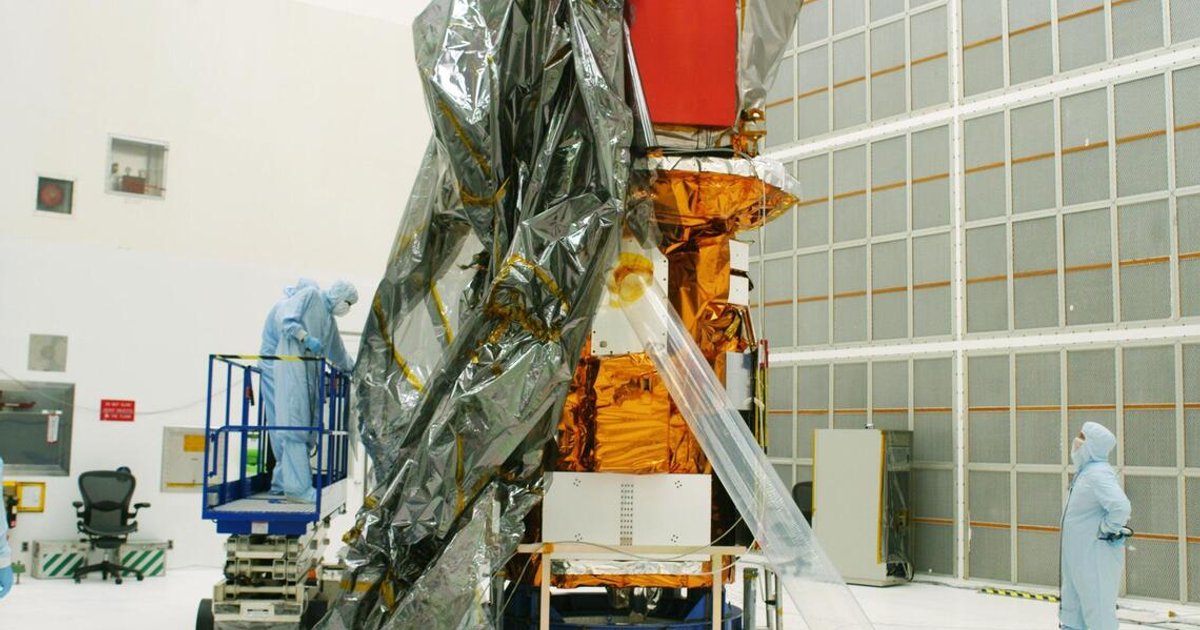
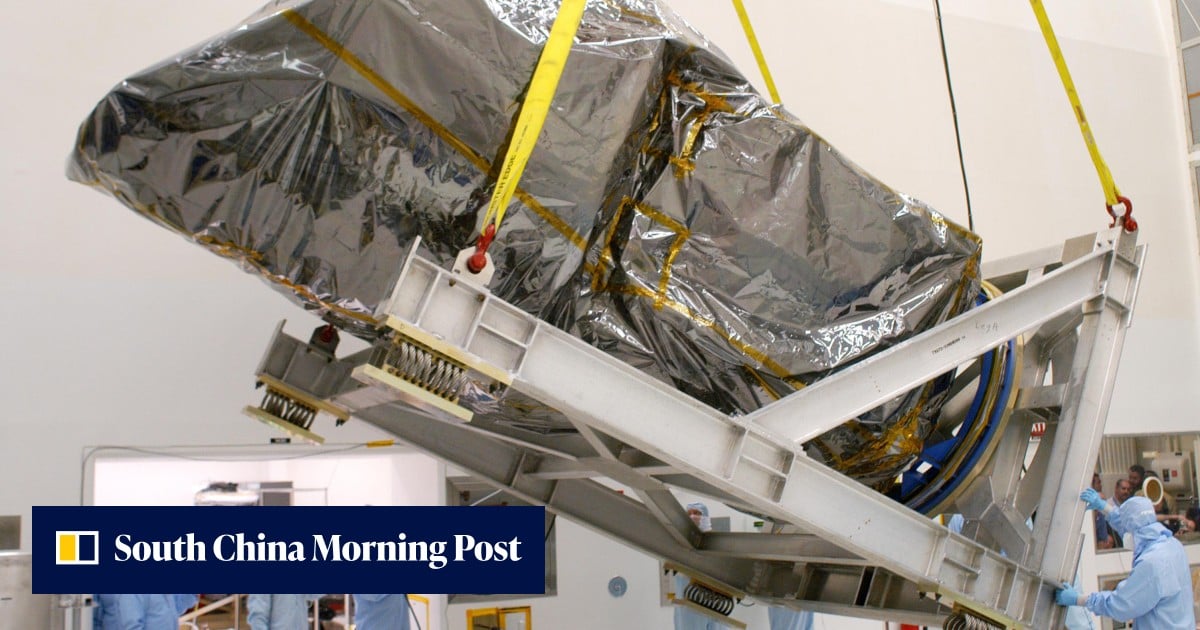
As of November 4, 2026, NASA's Neil Gehrels Swift Observatory, which had been in orbit for nearly 22 years studying cosmic phenomena like gamma-ray bursts and supernovae, re-entered Earth's atmosphere over northern Sumatra. Most of the 3,200-pound satellite is expected to have burned up during re-entry due to atmospheric friction, with only a few denser components possibly surviving and reaching the ground. The U.S. Space Force had predicted the observatory would crash back to Earth on or around November 4th after years of intense solar activity accelerated its descent following a failed rescue mission in late October. Despite this, there were no reported injuries or damage from falling debris.