The Aporia

Nerozzi, T. (2026, October 29). Why Lula’s reelection in Brazil is ‘not gonna make democratizing Cuba any easier’. Washington Examiner. https://www.washingtonexaminer.com/news/world/4782540/lula-reelection-brazil-democratizing-cuba-complicated/
Nerozzi, Timothy. “Why Lula’s reelection in Brazil is ‘not gonna make democratizing Cuba any easier’.” Washington Examiner, 29 Oct. 2026, https://www.washingtonexaminer.com/news/world/4782540/lula-reelection-brazil-democratizing-cuba-complicated/.
Nerozzi, Timothy. “Why Lula’s reelection in Brazil is ‘not gonna make democratizing Cuba any easier’.” Washington Examiner, October 29, 2026. https://www.washingtonexaminer.com/news/world/4782540/lula-reelection-brazil-democratizing-cuba-complicated/.
Dated from the outlet's own feed. Check the original for its byline.
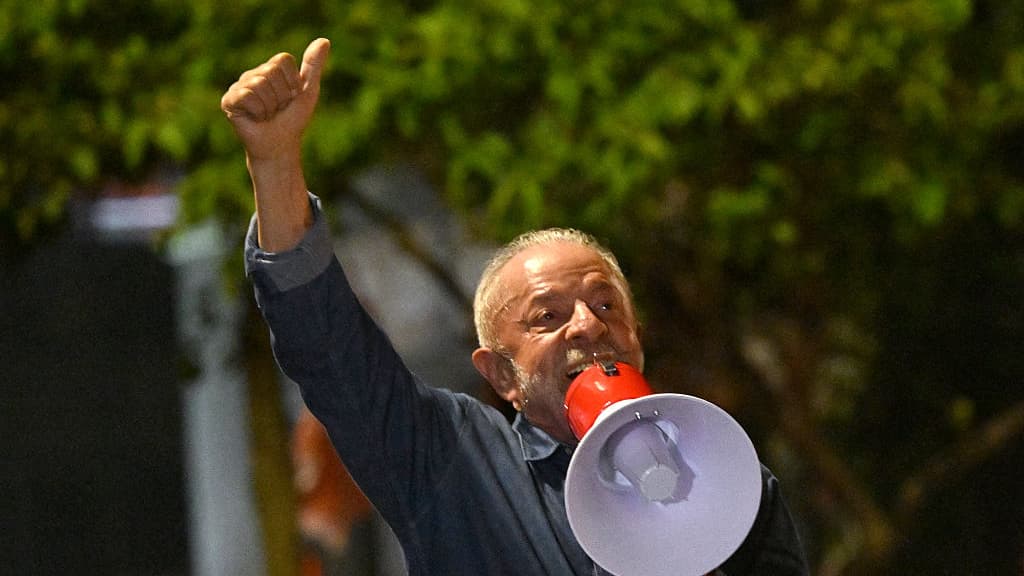
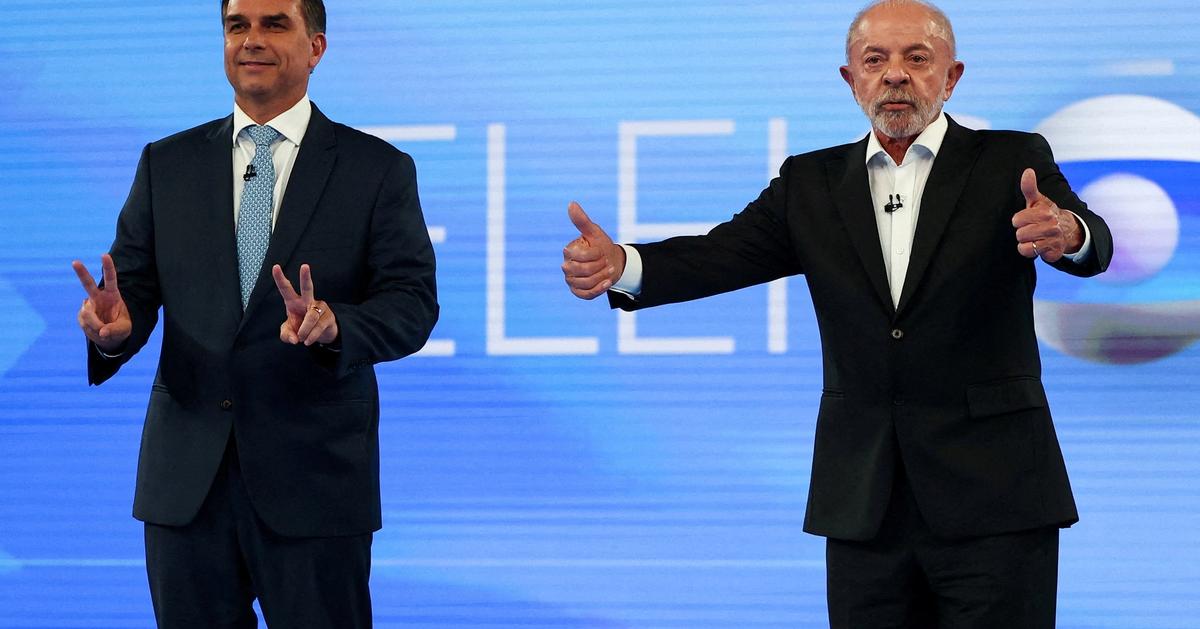
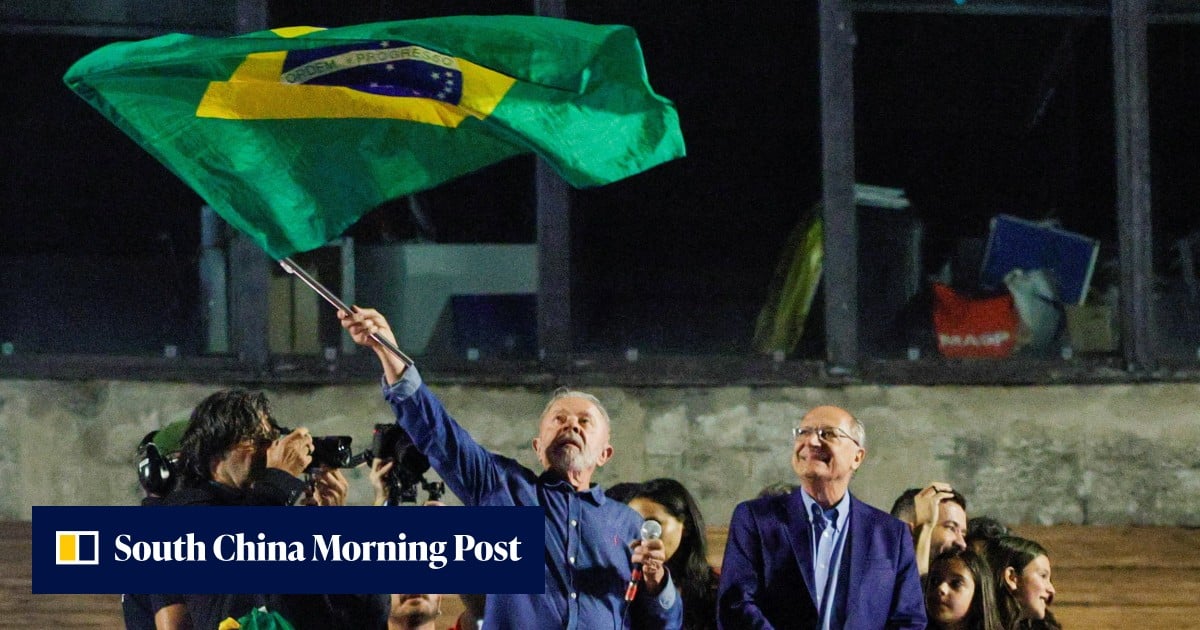
On October 25, 2026, Brazilians voted in a presidential runoff between Luiz Inácio Lula da Silva, a leftist incumbent, and Flávio Bolsonaro, a right-wing senator who is the son of former President Jair Bolsonaro. The election was closely watched due to its implications for Latin American politics, with concerns about democratic backsliding and increasing right-wing influence championed by U.S. President Donald Trump. Lula, seeking his fourth term at age 81, positioned himself as a bulwark against foreign interference, while Bolsonaro campaigned on law and order, promising to crack down on crime. The outcome of the election was seen as critical in determining whether Brazil would remain one of Latin America's few leftist nations or shift further rightward. Lula won the runoff by a narrow margin, securing another four years in office and sparking celebrations among supporters and international observers who see his victory as positive for democracy and environmental protection.
The victory of President Luiz Inácio Lula da Silva — a long-time ally of Havana and the Castro family — marked the first stumble for President Donald Trump’s administration in its efforts to isolate Cuba
He has expressed solidarity with the Cuban government, and his post-election speeches have prominently rejected American hegemony.