The Aporia
Ruberry, B. (2026, October 25). Brazil votes in narrow presidential runoff. Semafor. https://www.semafor.com/article/10/25/2026/brazil-votes-in-narrow-presidential-runoff
Ruberry, Brendan. “Brazil votes in narrow presidential runoff.” Semafor, 25 Oct. 2026, https://www.semafor.com/article/10/25/2026/brazil-votes-in-narrow-presidential-runoff.
Ruberry, Brendan. “Brazil votes in narrow presidential runoff.” Semafor, October 25, 2026. https://www.semafor.com/article/10/25/2026/brazil-votes-in-narrow-presidential-runoff.
Dated from the outlet's own feed. Check the original for its byline.
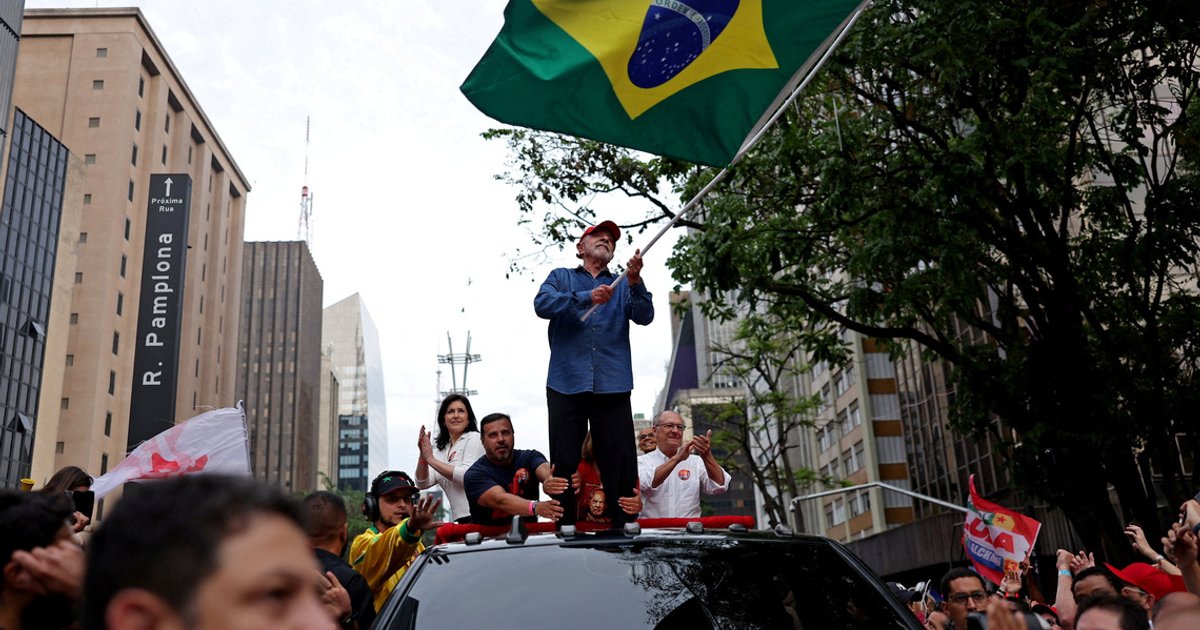
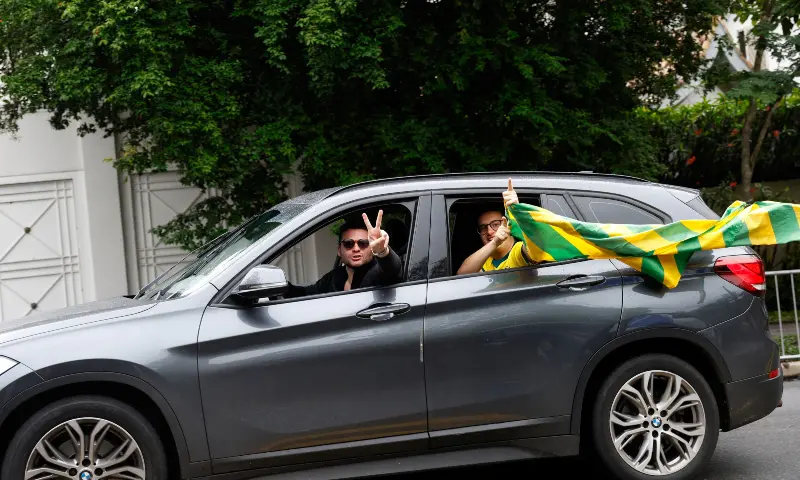
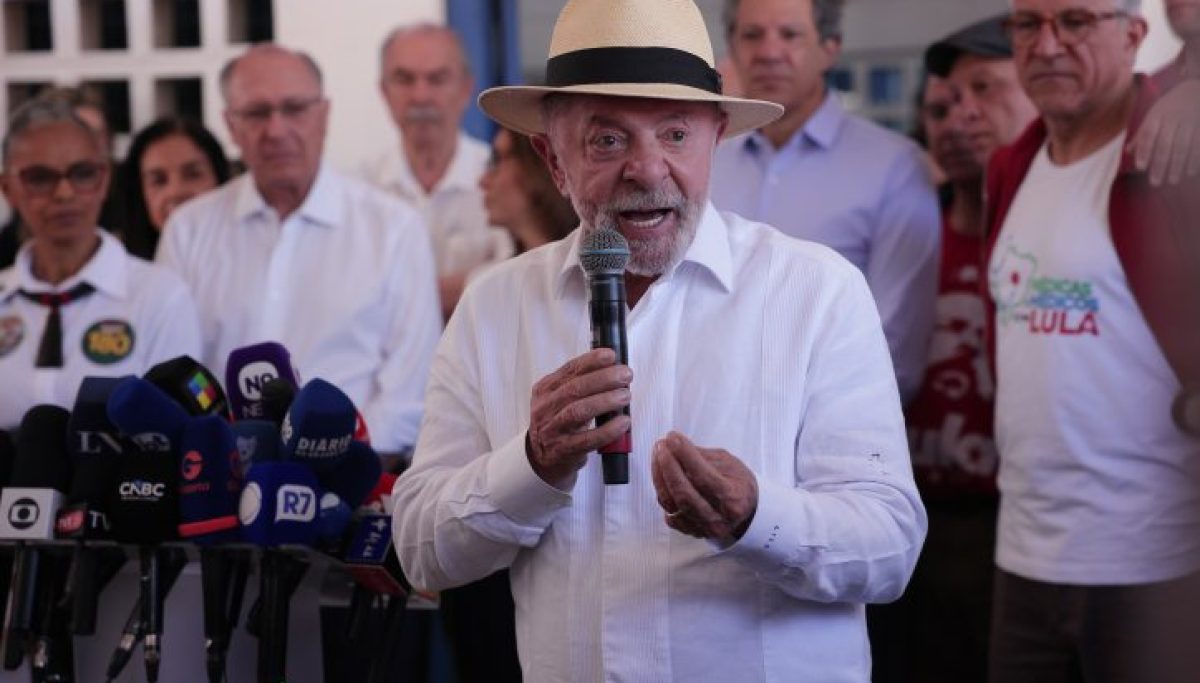
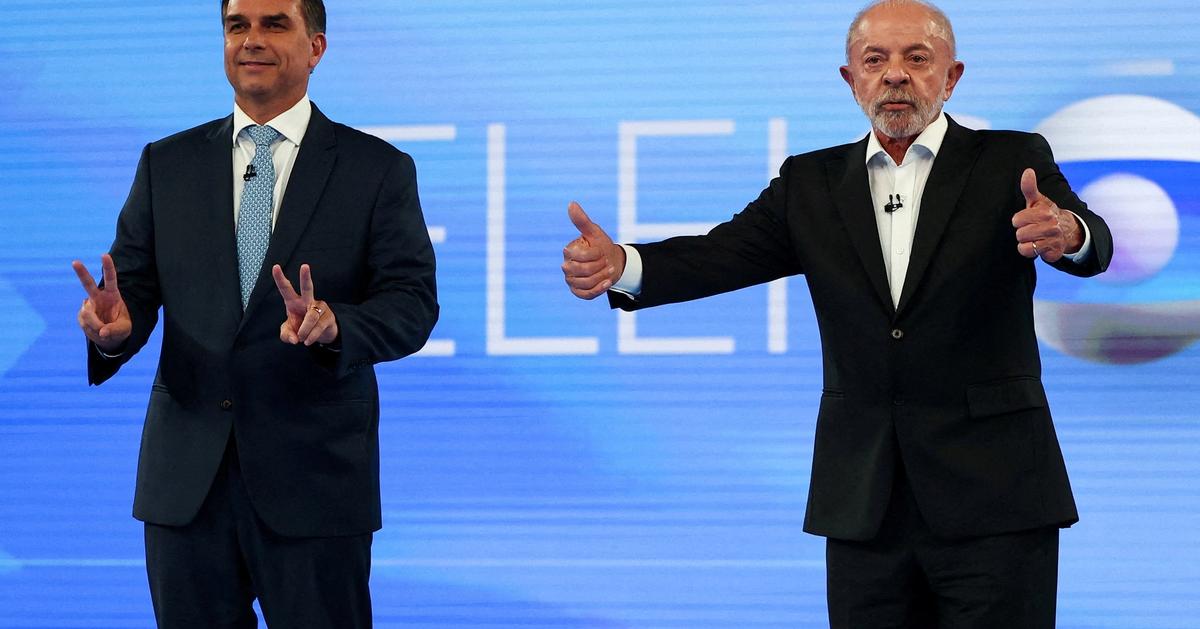
On October 25, 2026, Brazil held a presidential runoff election between incumbent left-wing President Luiz Inácio Lula da Silva and right-wing challenger Flávio Bolsonaro. The vote was crucial as it would determine whether the U.S. could expand its influence in Latin America; a victory for Bolsonaro would see Brazil join other countries like Chile, Peru, and Colombia under rightist governance, whereas a win for Lula would maintain left-of-center leadership in both Brazil and Mexico.
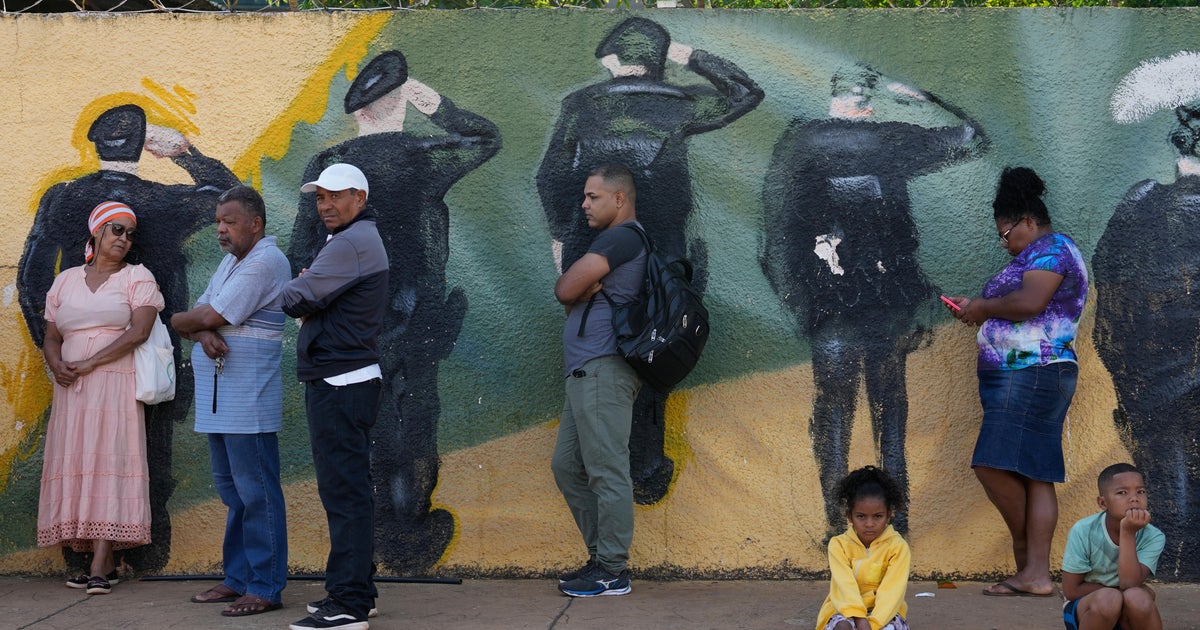
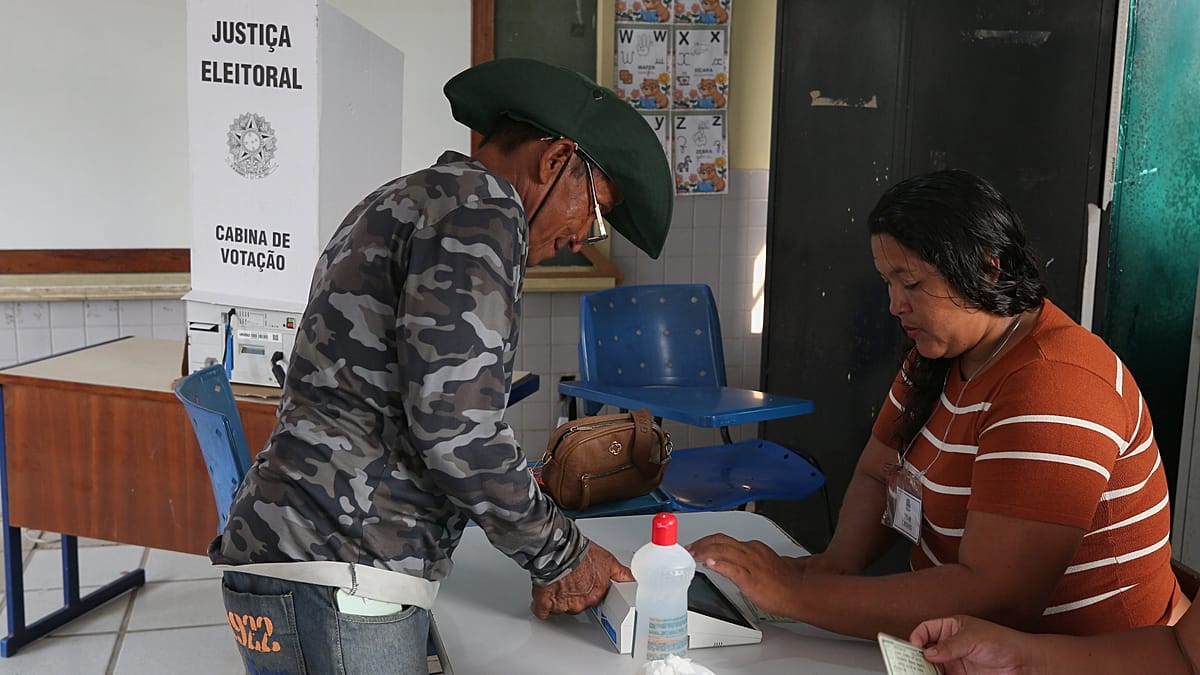
The election saw around 160 million eligible voters casting their ballots. Flávio Bolsonaro led by roughly one percentage point according to the latest polls released before the runoff, having secured more than 2.2 million votes more than Lula in the first round. However, nearly 33 million voters did not turn out in the first election.
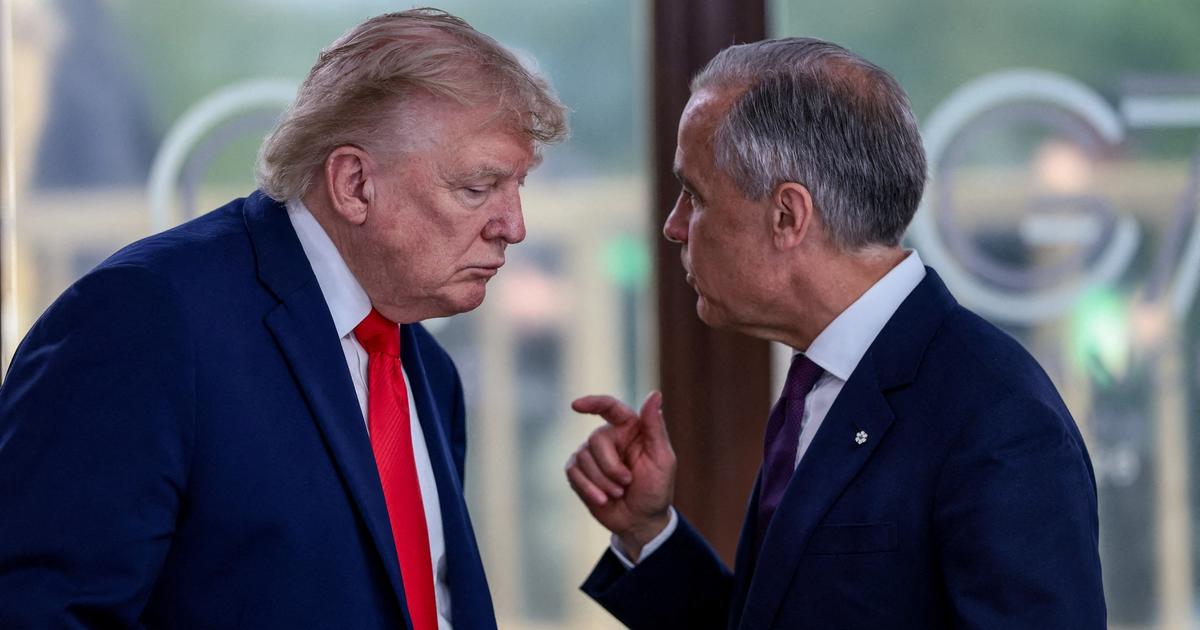
With opposing views on issues such as U.S.-Brazil relations and climate change, both candidates focused their campaigns on differentiating themselves. Bolsonaro, backed by President Donald Trump, emphasized closer ties with Washington and lower public spending, which buoyed market optimism following his initial victory. In contrast, Lula criticized potential U.S. intervention in Latin American affairs.
As polls closed at 5 PM local time (20:00 GMT), Brazil’s Supreme Court Justice Cristiano Zanin extended voting by two hours to accommodate late arrivals. Results are expected shortly after the closure of polling stations.
Flávio Bolsonaro would secure the eighth consecutive rightist victory in Latin America’s presidential elections, boosting US efforts to influence the region.
Bolsonaro has pledged closer ties with Washington and lower public spending — the latter contributing to bullishness that saw markets surge after his first-round victory.
President Luiz Inácio Lula da Silva’s popularity has wilted amid mass debt — partly explaining why both candidates delivered “costly pitches to voters… while saying little about how they’d pay for them,”