Voters in Sweden will go to the polls on Sunday in a contest that will decide if the conservative government stays in power, potentially granting a hard-right party its first cabinet seats, or if the centre-left will regain control.
asserted
left → go → control
Prime Minister Ulf Kristersson is bidding for a second four-year term leading the European Union country, which recently became NATO’s newest member.
asserted
which → bid → country
His predecessor is attempting to reclaim office, with the battle over leadership largely overshadowing core policy debates.
asserted
battle → attempt → debates
More than eight million people, from a total population of around 10.6 million, are registered to vote for the 349-seat parliament in Stockholm, the Riksdag, which will subsequently select the nation's next prime minister.
asserted
which → register → minister
Kristersson has led Sweden since 2022 with a three-party center-right coalition.
asserted
Kristersson → lead → coalition
It relies on outside support from the Sweden Democrats, an anti-immigration party that has far-right roots but has moved toward the political mainstream, for a parliamentary majority.
asserted
that → rely → majority
If the right is re-elected, it can expect Cabinet posts this time.
asserted
it → re → posts
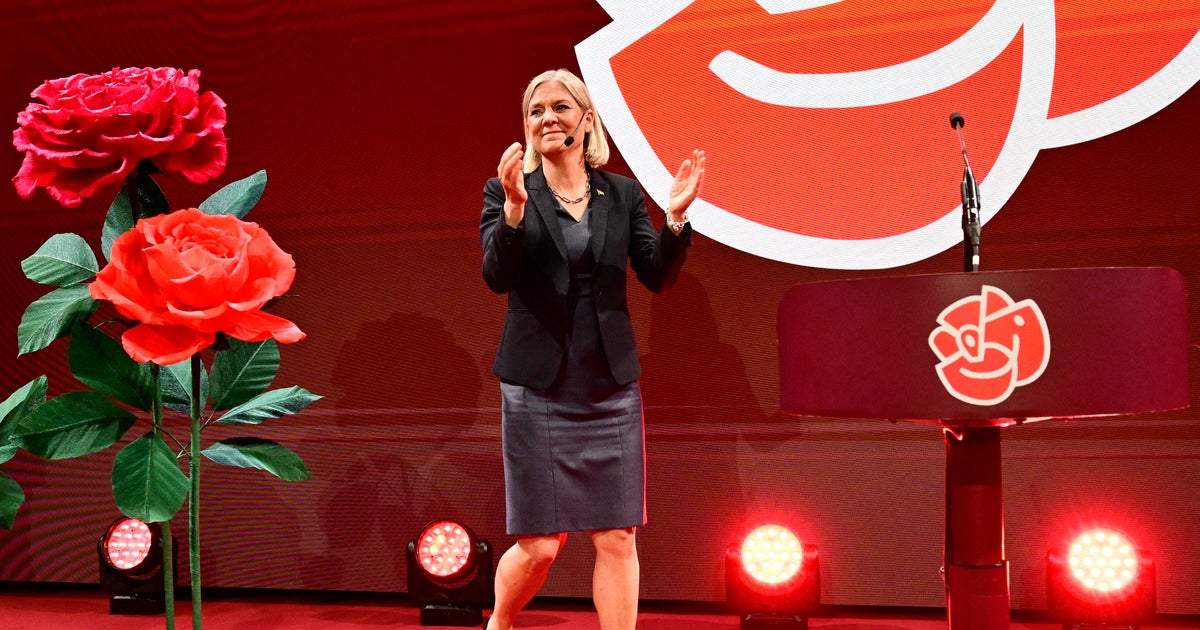
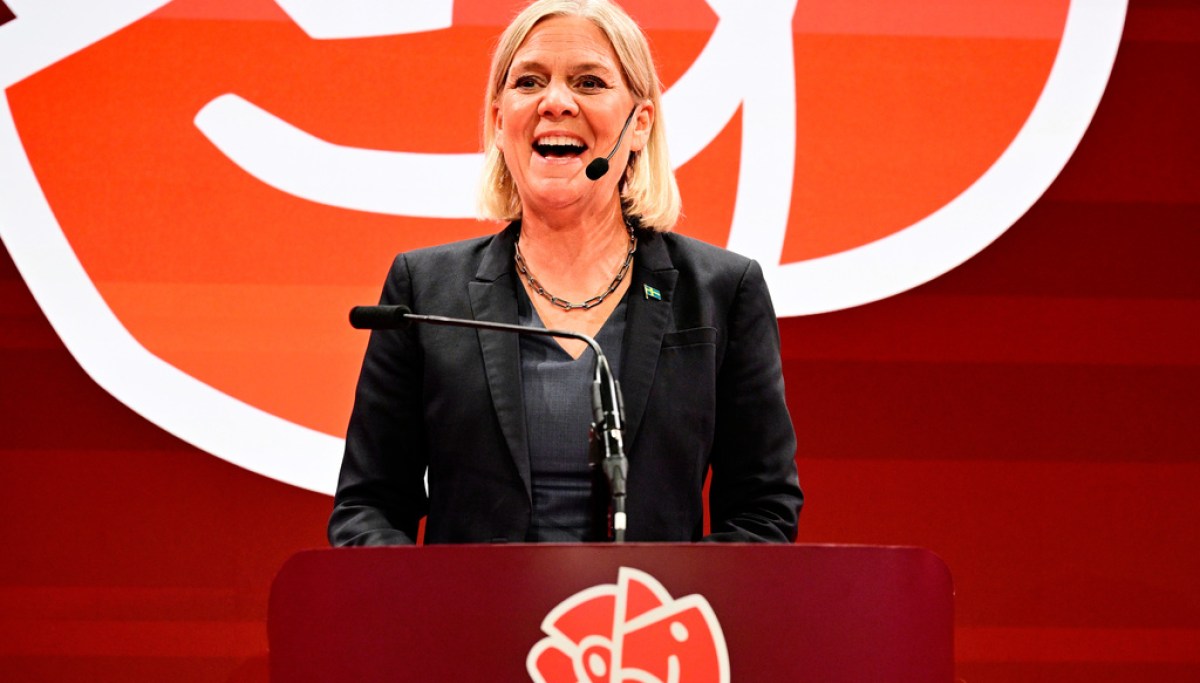
He's up against Magdalena Andersson of the center-left Social Democrats, a party that more often than not led Swedish governments since World War II.
asserted
that → lead → II
Andersson served as prime minister from 2021 until she lost power at the last election.
asserted
she → serve → election
Experts say the campaign has been fragmented and incoherent, with policy questions such as how health care should be organized drowned out by the question of which parties will be able to put together a government.
asserted
parties → say → government
“Crime has come down, inflation has come down.
asserted
inflation → come → ?
So these topics are not really what people discuss," said Zeth Isaksson, a sociologist in electoral behavior at Stockholm University.
asserted
Isaksson → discuss → University
"People discuss who is going to be in government, and that’s what the election is about.”
asserted
election → discuss → what
So the big question is not so much which party wins as which side can put together a majority.
asserted
side → win → majority
Individual parties need a minimum 4% of the vote to win parliamentary seats.
asserted
parties → need → seats
On the face of it, “it would be a sensation if the opposition parties, having been ahead in the opinion polls pretty much for four years since the last election, didn’t now win a majority,” said Nicholas Aylott, associate professor of political science at Södertörn University.
asserted
Aylott → win → University
But he said that an “extremely defensive” campaign by the Social Democrats may have cost them some support, leaving some voters wondering why they should support the party.
uncertain
they → say → party
The right-wing bloc's hope of convincing voters that it's more united than its rivals may have had “a little impact,” he added.
uncertain
he → convince → impact
The Sweden Democrats, who in 2022 took 20.5% of the vote to become the biggest party on the right, can expect Cabinet seats if power doesn't change hands.
asserted
power → take → hands
Kristersson announced in April that his conservative Moderates would allow them into government if the right has a majority — though he would remain prime minister, even if the Sweden Democrats are the stronger party.
asserted
Democrats → announce → majority
The Sweden Democrats were founded in the 1980s by people who had been active in right-wing extremist groups, including neo-Nazis.
asserted
who → found → Nazis
They toned down their rhetoric and expelled openly racist members under Jimmie Åkesson, who has led them since 2005 and overseen their growth from what was once a marginal party.
asserted
what → tone → growth
“There’s some, I won’t say fear, but trepidation, apprehension about the possibility of Sweden Democrat ministers,” Aylott said, and the Social Democrats recently have tried to exploit that.
asserted
Democrats → ’ → that
But even as parties on the populist right gain elsewhere in Europe, for instance in a far-right triumph in a weekend state election in Germany, the election may reinforce the impression that the Sweden Democrats “have peaked to some extent,” Isaksson said.
uncertain
Isaksson → gain → extent
“The biggest threat to Sweden’s security is from the war in Ukraine and there is almost complete consensus in Sweden about support for Ukraine and deep antipathy towards Russia,” Aylott said.
asserted
Aylott → be → Russia
Sweden's Psychological Defense Agency said that the country's election isn't Russia's top priority, as that broad support reduces the incentive for Moscow to interfere.
asserted
Moscow → say → incentive
However, just over a week before the election, Expo magazine published a report alleging that a civil servant working in parliament for the Sweden Democrats had spread Russian state narratives on social networks.
asserted
servant → publish → networks
Gellerbrant said her posts were taken out of context and were meant as irony and sarcasm.
asserted
posts → say → irony
He said he decided to go on parental leave to avoid shifting the focus of the election campaign.
asserted
he → say → campaign
Kristersson, who said that “there is no room for pro-Russian narratives in Sweden," welcomed that decision.
asserted
who → say → decision
After decades of post-World War II neutrality and centuries of broader nonalignment with major powers, Sweden joined NATO in 2024 as the trans-Atlantic military alliance’s 32nd member.
asserted
Sweden → join → member
The move to join was initiated by Andersson's government after Russia launched its full-scale invasion of Ukraine in 2022 and completed under Kristersson.
asserted
Russia → join → Kristersson
 The Aporia