The Aporia
The Straits Times. (2026, October 28). Mbappe's Mao remarks expose costs of crossing China's red lines. The Straits Times. https://www.straitstimes.com/world/mbappes-mao-remarks-expose-costs-of-crossing-chinas-red-lines
The Straits Times. “Mbappe's Mao remarks expose costs of crossing China's red lines.” The Straits Times, 28 Oct. 2026, https://www.straitstimes.com/world/mbappes-mao-remarks-expose-costs-of-crossing-chinas-red-lines.
The Straits Times. “Mbappe's Mao remarks expose costs of crossing China's red lines.” The Straits Times, October 28, 2026. https://www.straitstimes.com/world/mbappes-mao-remarks-expose-costs-of-crossing-chinas-red-lines.
Dated from the outlet's own feed. Check the original for its byline.
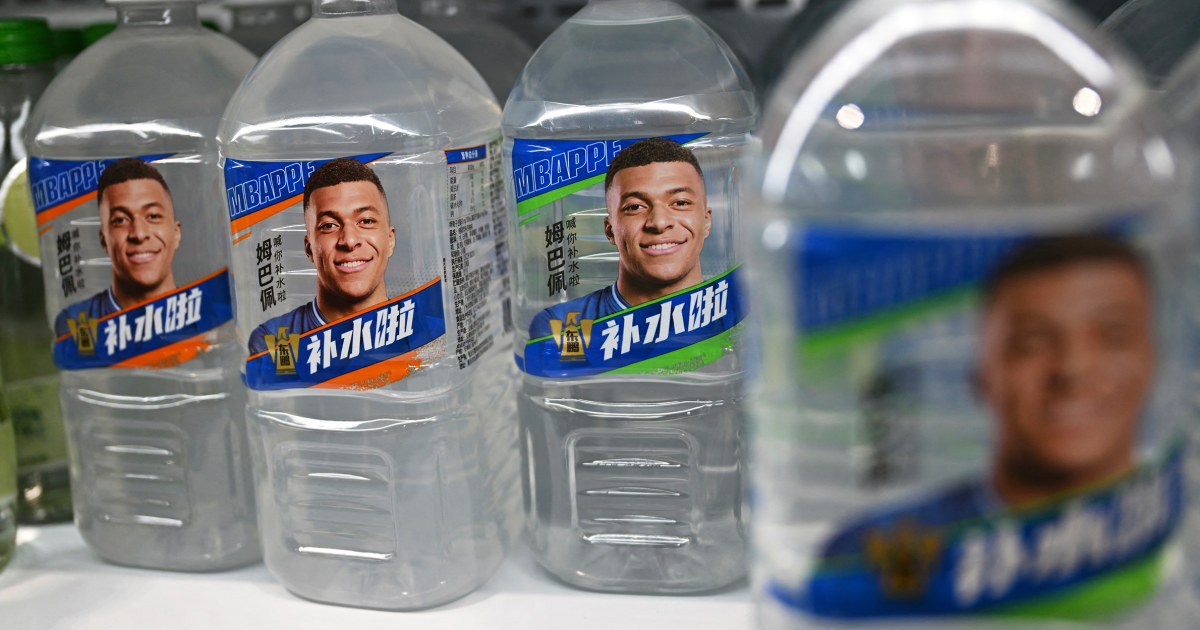
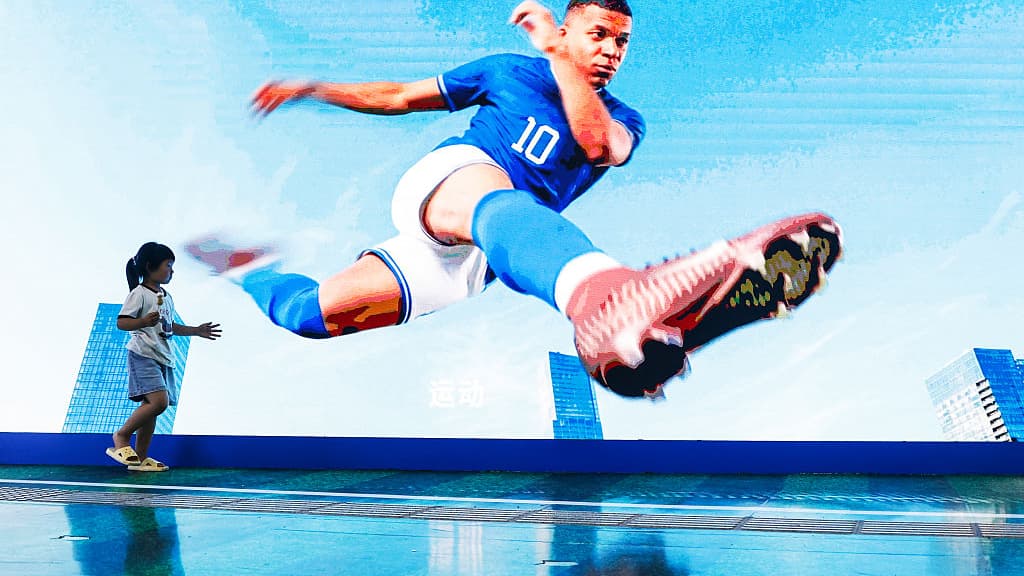
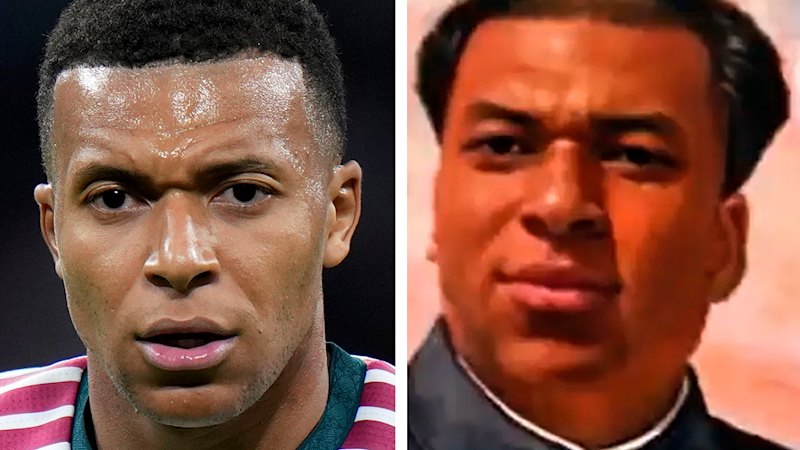
Kylian Mbappe, the French soccer star and captain of Real Madrid, faced severe backlash in China after a video circulated online showing him laughing at a meme featuring Mao Zedong, China's former leader. The incident prompted two major Chinese companies, Dongpeng (a drinks company) and Mengniu (a dairy product company), to sever their sponsorship ties with Mbappe on October 27, 2026. Both firms stated that they have a zero-tolerance policy towards any behavior that offends national sentiments. Additionally, the Chinese Ministry of Foreign Affairs called for joint opposition against such actions that hurt national feelings.
Following the criticism and loss of sponsorships, Mbappé issued an apology on October 28, 2026, stating that his comment was ill-judged and expressing regret to everyone affected by it. Despite the controversy, French Football Federation chief Philippe Diallo defended Mbappe's right to move forward after apologizing for unintended offense.
The incident highlights the risks athletes face when engaging with topics sensitive in China, particularly regarding historical figures like Mao Zedong, whose legacy remains a social taboo within the country.
Mbappe’s rapid fall from favour in China after remarks about Mao Zedong followed a familiar pattern: online outrage, corporate distancing, platform restrictions and official intervention.
Within 24 hours of a podcast clip surfacing in which the France captain referred to Mao as “some guy – I think he’s a Chinese dictator”, sponsors including Mengniu Dairy, Shanghai Milkground and energy drink-maker Eastroc ended cooperation with the footballer.
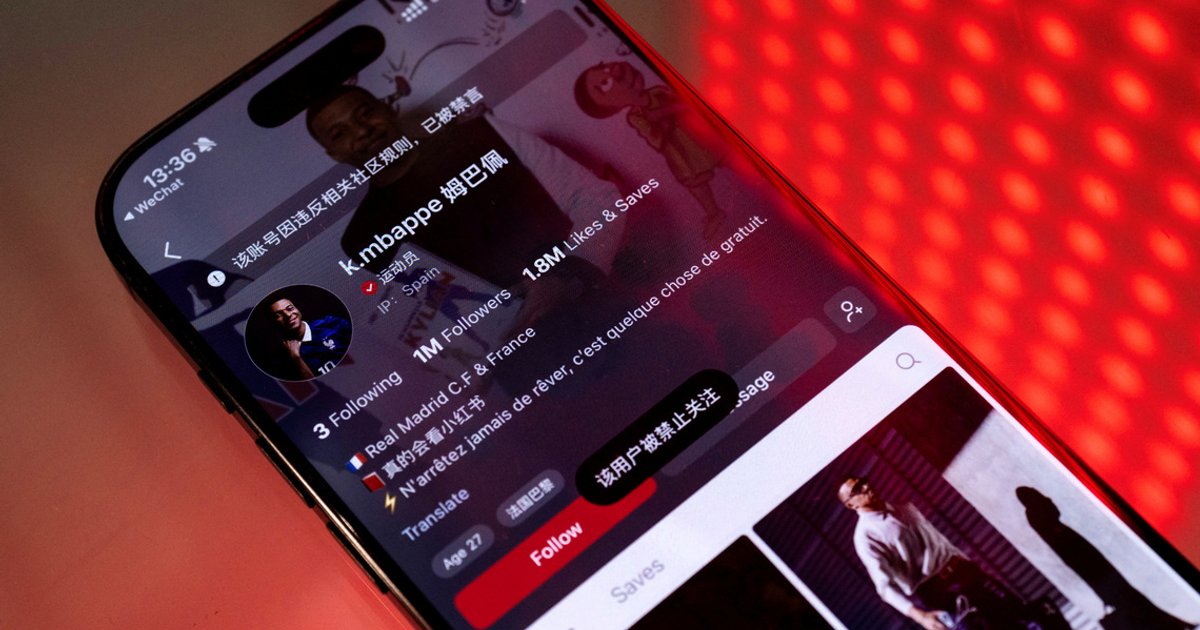
State broadcaster CCTV removed Mbappe-related advertising and Chinese social media platforms restricted access to his accounts.
The speed of the fallout will be familiar to companies, brands and celebrities with exposure to China. Analysts say the episode is the latest reminder of a business risk that remains difficult to manage despite years of similar controversies.
Foreign brands have repeatedly faced public backlash in China, from Dolce & Gabbana’s cancelled Shanghai fashion show in 2018 and apologies by Versace, LVMH-owned Dior and Tapestry’s Coach in 2019, to boycotts of H&M, Nike and Adidas over Xinjiang cotton and the NBA’s fallout with CCTV after a Houston Rockets executive expressed support for Hong Kong’s pro-democracy movement.
A central question in such episodes is how much of the backlash reflects genuine public anger and how much is amplified by state media, online platforms and official actors. The Mbappe case illustrates how difficult that distinction can be to draw.