In Silicon Valley, residents and environmental groups are organizing against proposed data center projects that the city of San Jose is trying to attract as part of its strategy to become a hub for AI infrastructure. The city estimates each new facility could generate between $3 million and $6 million annually in tax income but faces resistance from locals concerned about electricity use, water consumption, pollution, and overall impact on quality of life. Mayor Matt Mahan acknowledges residents' concerns while advocating for responsible development rather than halting it entirely. California Governor Gavin Newsom is considering new legislation to address the costs associated with powering data centers and increase transparency regarding their energy and water usage.
Written locally by qwen2.5:14b on 2026-09-17,
using this article's own text rather than the other coverage of the
same event (that is the story summary below).
Story summary
In Silicon Valley, residents and environmental groups are opposing a surge of proposed AI data center projects in San Jose, California. The city, with nearly 1 million people, is trying to position itself as an AI infrastructure hub by supporting these developments. However, local opposition has risen due to concerns about the high electricity usage, water consumption, and pollution associated with such facilities.
The PG&E utility company has partnered with San Jose in 2025 to expedite power delivery to large energy users like data centers. Despite the controversy, city officials estimate that each new facility could bring in between US$3 million and US$6 million annually in tax revenue for essential services such as police, fire protection, libraries, roads, and parks. This scenario reflects a broader national dilemma: how to balance economic competitiveness with public concerns over environmental impacts.
Written for “AI Data Centre Expansion” on 2026-09-17,
grounded in this article and the 0 other(s) covering the same event.
In Silicon Valley, AI data centre boom meets local resistance
AI generated
SAN JOSE, California –
asserted
boom → meet → resistance
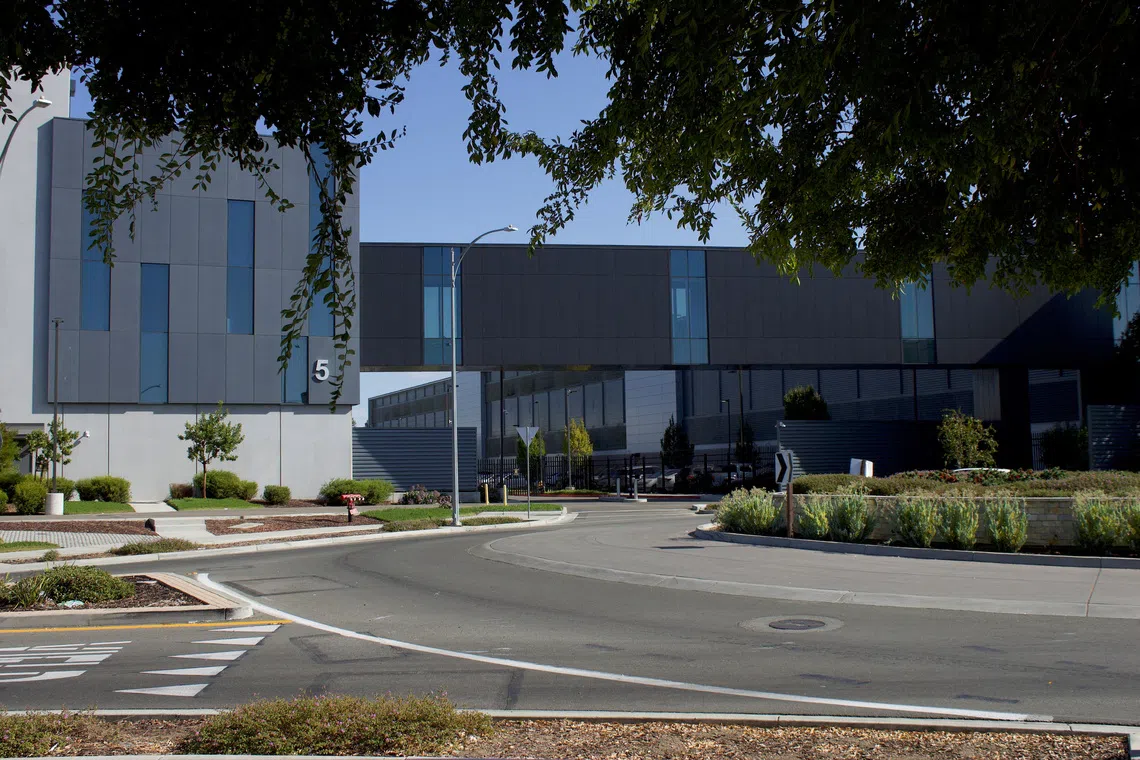
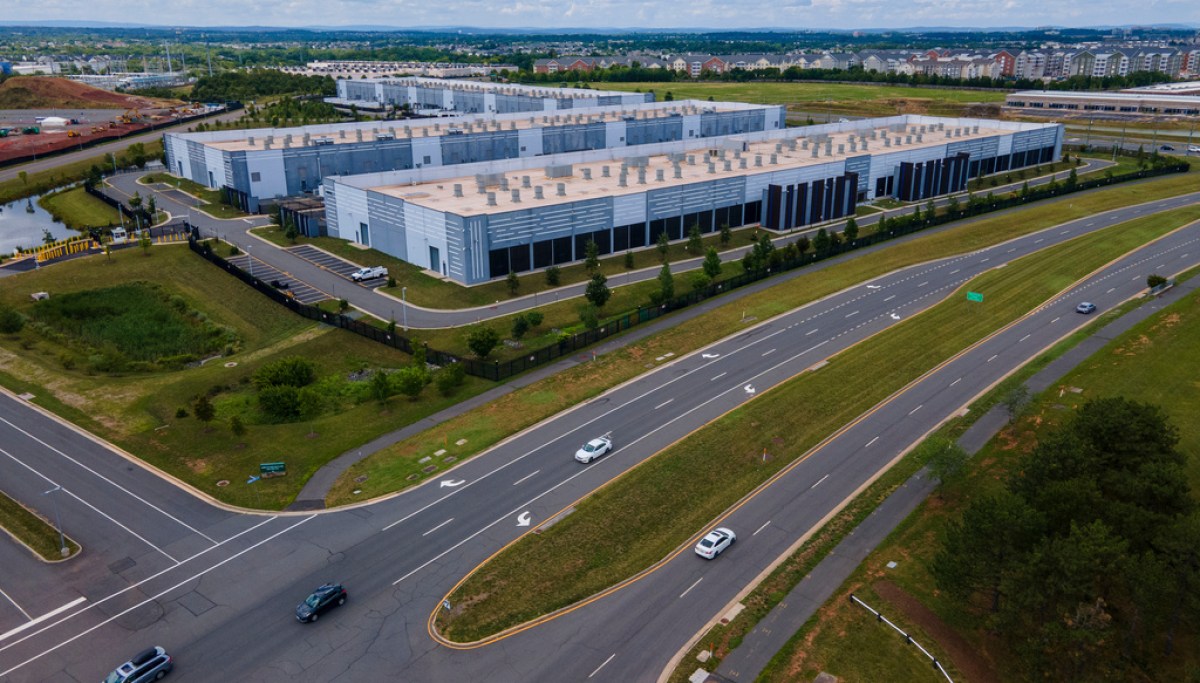
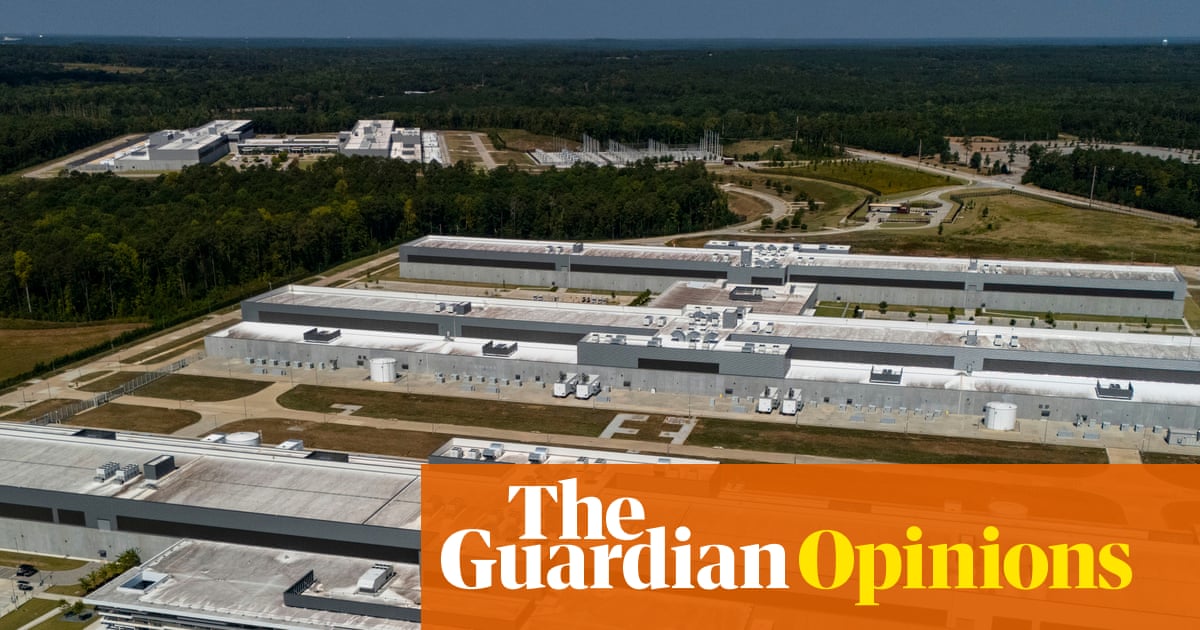
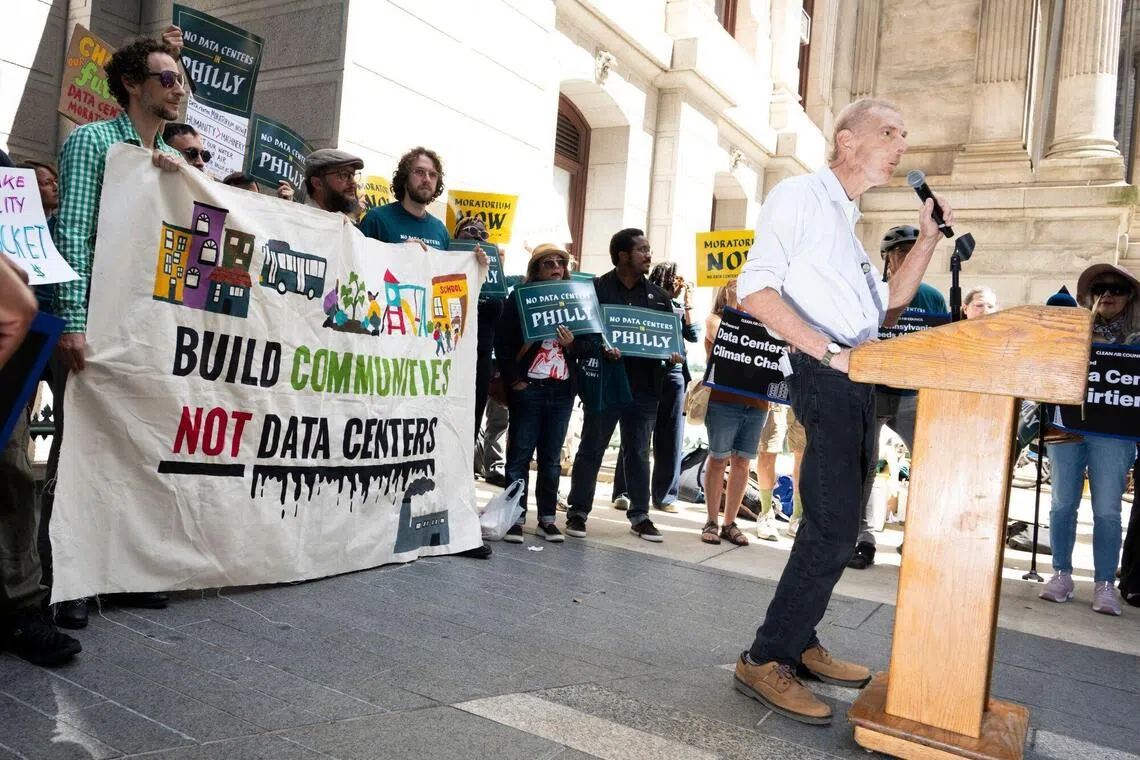
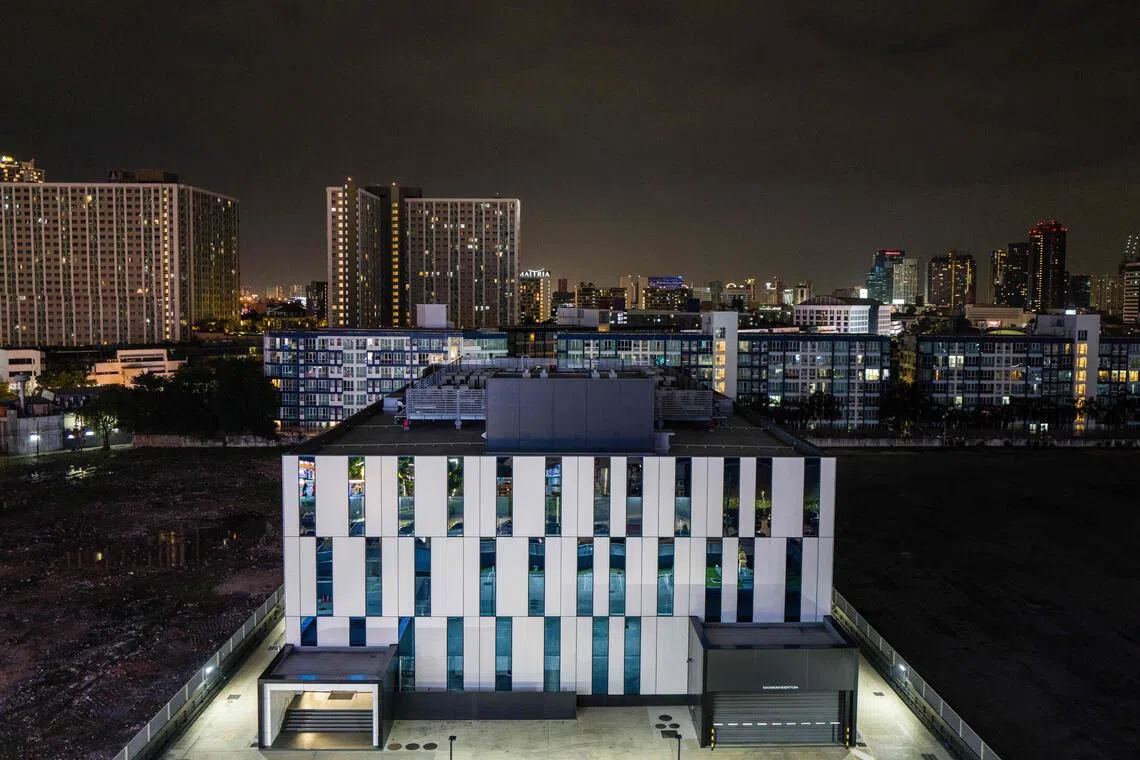
In Silicon Valley’s biggest city, residents and environmental groups are organising against a wave of proposed data centre projects that officials have courted in a bid to position the city as a hub for AI infrastructure.
asserted
officials → organise → infrastructure
The clash highlights a challenge confronting policymakers nationwide: how to support an industry viewed by government and business leaders as critical to economic competitiveness while responding to growing public concerns about the electricity, water and pollution impacts of the infrastructure required to power it.
asserted
clash → highlight → it
In California, that debate is particularly fraught because the state is home to many of the companies driving the AI boom, including Google, Meta, OpenAI and Anthropic.
asserted
state → drive → Google
San Jose, a city of nearly 1 million and California’s third-largest, has embraced the industry’s growth.
asserted
Jose → embrace → growth
In 2025, city leaders announced an agreement with utility PG&E to speed delivery of power to large energy users such as data centres.
asserted
leaders → announce → centres
The city estimates each new facility could generate between US$3 million (S$3.8 million) and US$6 million in tax income annually for services such as police, fire protection, libraries, roads and parks.
uncertain
facility → estimate → police
Despite Silicon Valley’s wealth, however, many residents remain unconvinced that the benefits of the wave of tech-driven growth tied to AI-focused facilities will be broadly shared.
asserted
benefits → remain → facilities
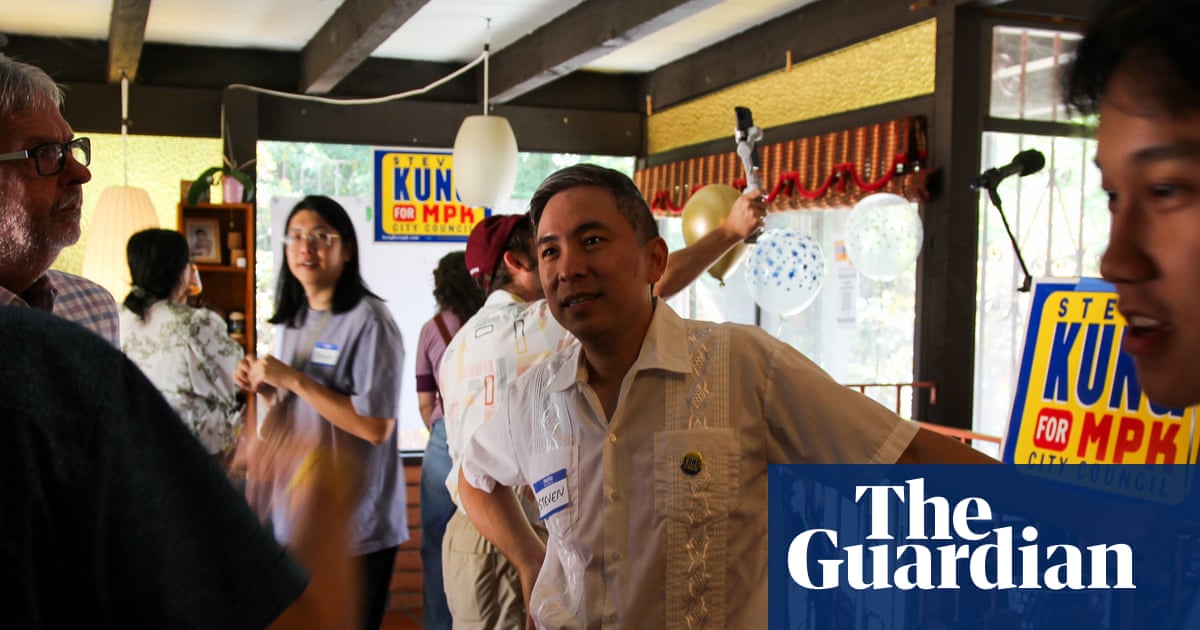
“The companies have to prove to us why they deserve our resources and how they’re going to give back to the community,” said Ellina Yin, a leader of the grassroots I Love San Jose coalition.
asserted
I → have → coalition
Yin and others are pushing for stricter public review, more transparency around energy and water use and studies of health and environmental impacts before more projects are approved.
asserted
projects → push → impacts
Mayor Matt Mahan says the answer is not to halt data centre development but to ensure it is done responsibly.
asserted
it → say → development
“People are right to question, ‘Is this pushing up my energy costs?
asserted
this → question → costs
Is it using our clean water supplies? Will it degrade quality of life in my city?’” Mahan told Reuters.
asserted
Mahan → use → Reuters
The fight comes as California Governor Gavin Newsom weighs a package of Bills intended to protect state residents from the costs of powering data centres and increase transparency around their energy and water use.
asserted
Newsom → come → use
PG&E said new large customers can help spread fixed grid costs across a broader customer base and help lower bills.
asserted
customers → say → bills
In April, a coalition led by the Center for Biological Diversity petitioned the Bay Area Air Quality Management District to strengthen oversight of diesel backup generators used at data centres, arguing that existing regulations predate the recent expansion of AI-related facilities.
asserted
regulations → lead → facilities
The district said it is exploring whether stronger protections are warranted.
asserted
protections → say → ?
New legislation pending
The concerns raised in San Jose have increasingly made their way to Sacramento, California’s capital.
asserted
concerns → pende → Sacramento
Lawmakers recently gave final approval in both the state Senate and Assembly to several Bills addressing data centres, including measures intended to ensure large electricity users pay their share of grid-related costs and requirements aimed at increasing transparency around energy and water consumption.
asserted
users → give → consumption
State Senator Steve Padilla, who authored several of the measures, said California has an obligation to lead because it is home to many of the world’s largest technology companies.
asserted
it → author → companies
The Data Center Coalition, an industry trade group whose members include Google, Meta, OpenAI and Anthropic, said it supports responsible growth but argued the Bills unfairly single out data centres rather than other large industrial and commercial electricity users.
asserted
Bills → include → users
The group warned the measures could discourage investment and push jobs, tax revenue and projects to other states.
uncertain
measures → warn → states
Newsom has until the end of September to either sign or veto the legislation.
asserted
Newsom → have → legislation
His office declined to comment because the Bills are pending before the governor.
asserted
Bills → decline → governor
 The Aporia