The Globe and Mail
· collected 2026-09-15 · by The Canadian Press staff
President Trump plans to impose bans on certain Canadian exports including liquor, some dairy products, motorcycles, whey, cheese, and molasses, effective September 29. However, several other products like toilet paper, road salt, cement, and fishing rods will receive tariff exemptions starting September 15. This decision comes as Ottawa and Washington engage in a trade war over retaliatory tariffs, with Canadian officials pressuring the U.S. government to address economic impacts on both nations.
Written by the local model on 2026-09-15,
using this article's own text rather than the other coverage of the
same event (that is the story summary below).
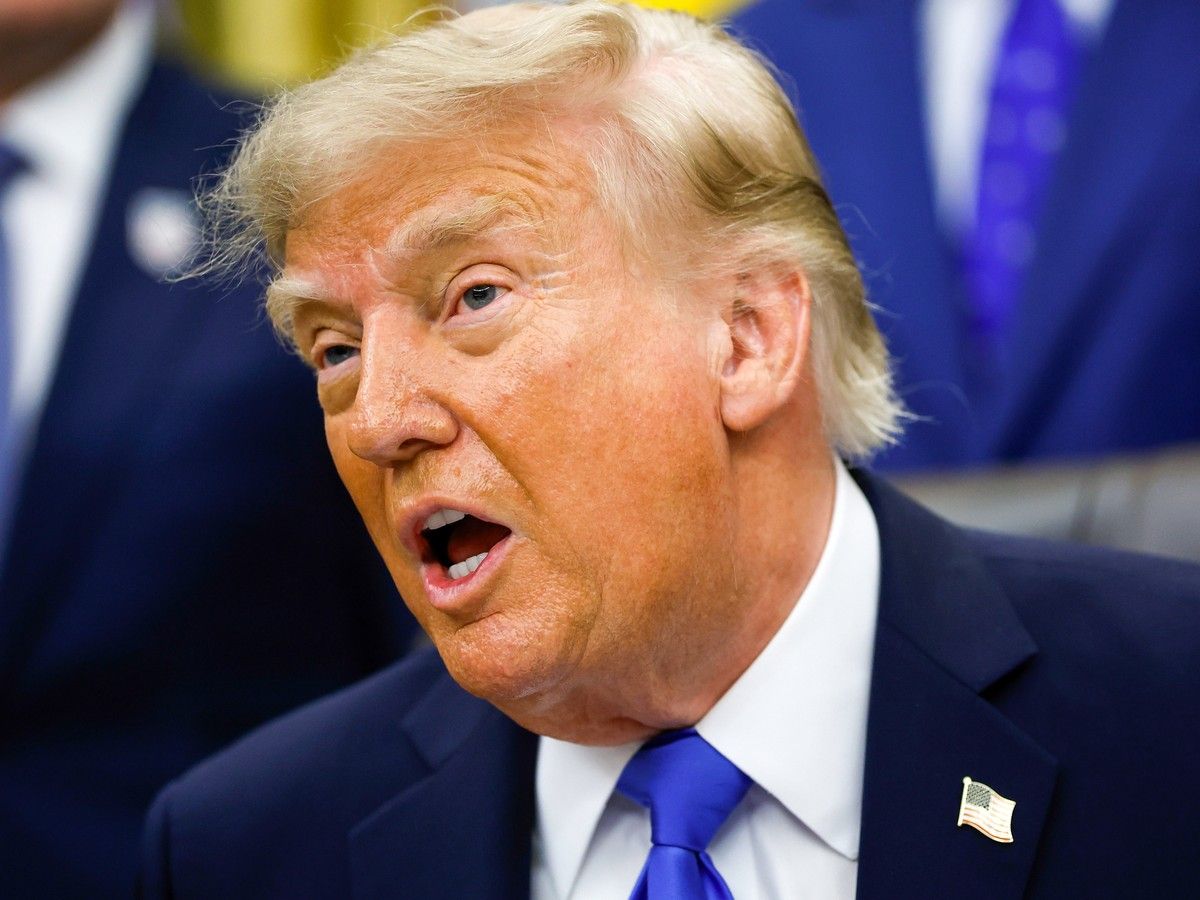
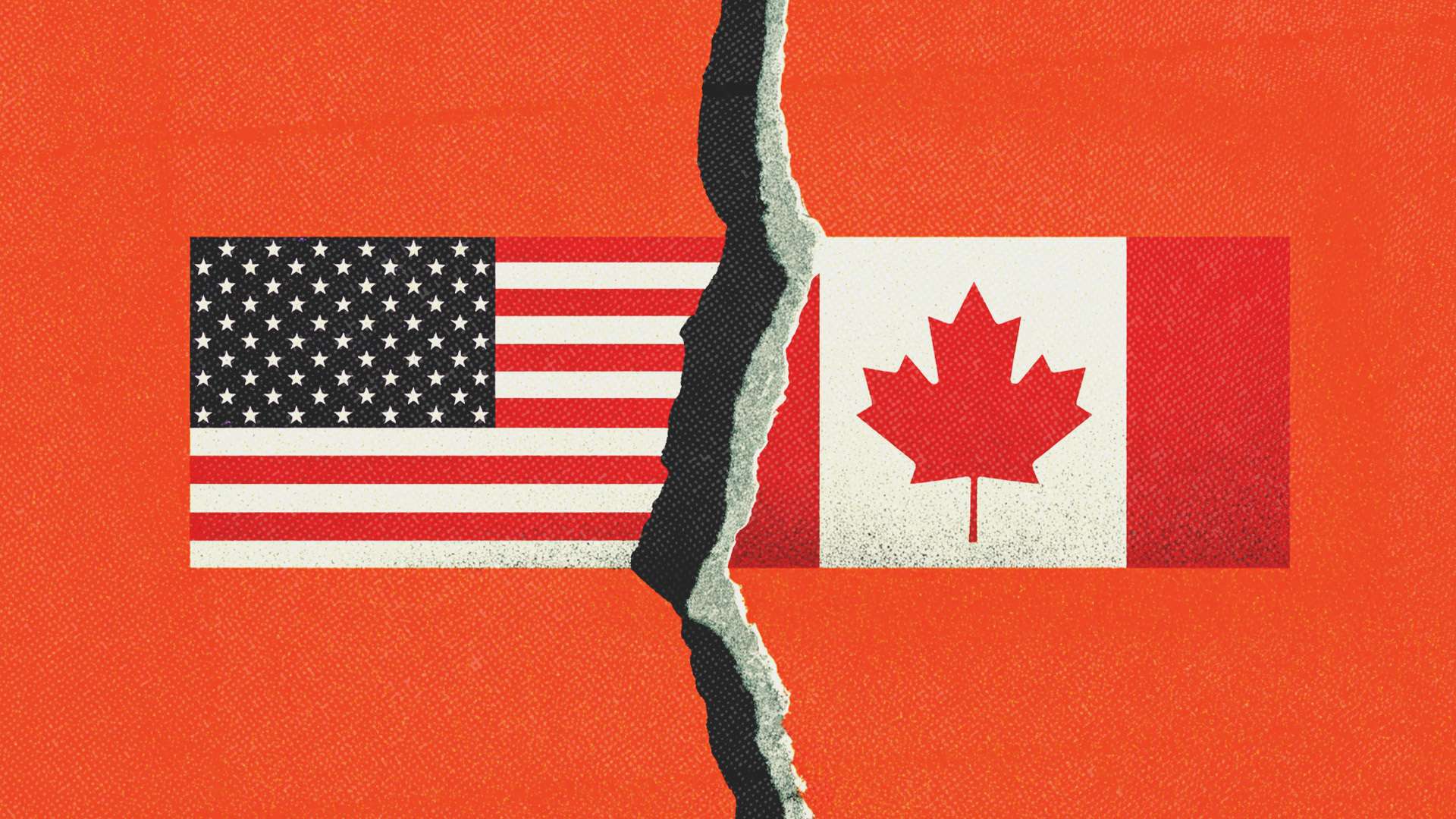
U.S. President Donald Trump plans to ban a range of Canadian exports and shuffle tariffs on others as Ottawa and Washington trade accusations over which side is responsible for the escalating trade war.
asserted
side → plan → war
Most imports of Canadian-made liquor and a handful of dairy products will be banned from the United States at the end of September, but dozens of other products are getting a tariff reprieve.
asserted
dozens → make → reprieve
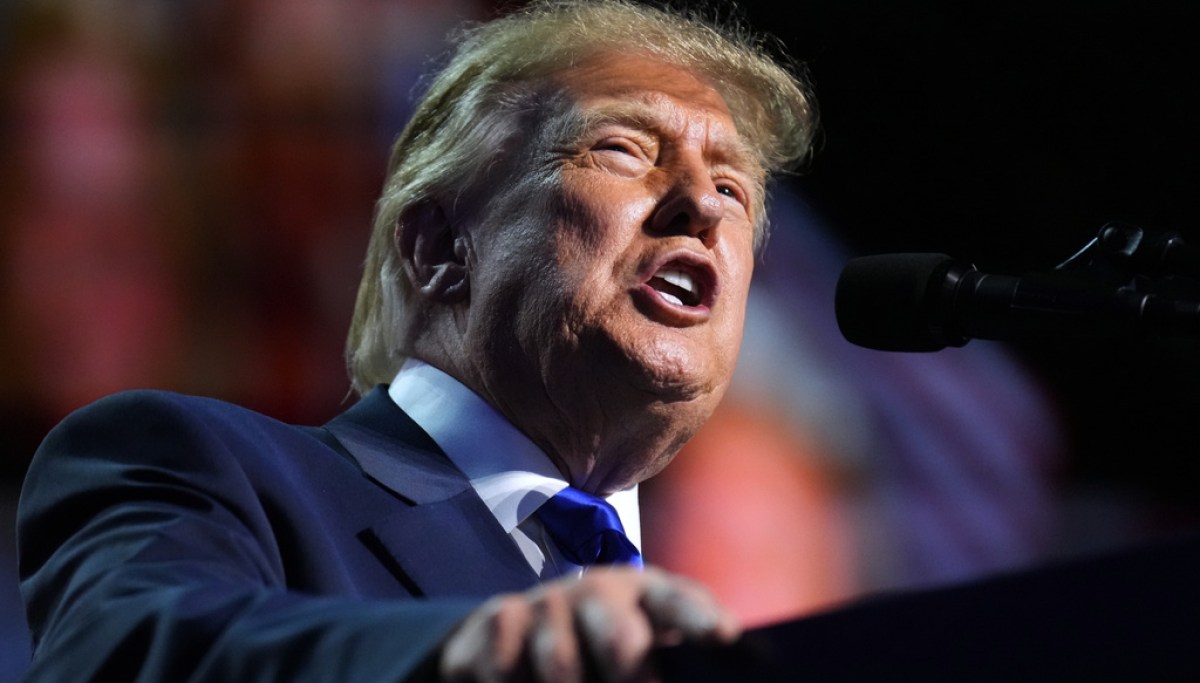
Trump on Tuesday signed new executive orders ramping up retaliation after Canada imposed its latest set of counter tariffs on the United States.
asserted
Canada → sign → States
The five new orders, which take effect later this month, will completely bar imports of certain Canadian goods, including motorcycles, some dairy products like whey and cheese, and molasses.
asserted
which → take → whey
Alcoholic products from Canada, including beer, wine, rye and vodka, are also facing a ban.
But the orders also exempt from tariffs some Canadian products, including toilet paper, road salt, cement and fishing rods.
asserted
orders → include → paper
With these exports set for exemptions, new products with a similar dollar value have been substituted on the U.S. tariff list.
asserted
products → set → list
The product bans will go into place Sept. 29, while the additions and removals of other tariffs take effect Sept. 15.
asserted
additions → go → effect
Much like Canada was pressured by domestic companies and provincial leaders to back off of seafood tariffs, there has been pressure on the White House from state representatives and American companies about the economic impacts of certain tariffs.
asserted
Canada → pressure → tariffs
In a statement posted on X Tuesday, Maine Sen. Susan Collins said she appreciated the Trump administration’s flexibility as she continued to press for a trade resolution with Canada.
asserted
she → post → Canada
“I mentioned in a letter to the Administration that Frenchville, a small Maine town on the Canadian border, would incur $10,000 in extra costs for road salt, threatening the town’s ability to provide municipal services,” wrote Collins, a Republican.
asserted
Collins → mention → services
“These additional exemptions follow Canada’s announcement that it will carve out American seafood and fish products from its retaliatory tariff list, which would have caused significant harm to Maine’s lobstermen.”
asserted
which → follow → lobstermen
Collins said tariffs on forest products were still in place and would lead to higher costs in Maine.
“I urge the Administration to continue to work to de-escalate this conflict,” she said.
asserted
she → say → conflict
The escalating U.S.-Canada trade war 'widens the divide between our two great countries,' an Ontario regional economic development and tourism official said.
asserted
official → escalate → countries
U.S. Republican Senator Jerry Moran said on social media that the Trump administration’s decision to exempt salt from tariffs on Canadian imports is “welcome news” for Kansas businesses and taxpayers.
asserted
decision → say → businesses
He said salt is a critical commodity in his state, with local governments utilizing it to remove ice and keep Kansans “safe on the roads.”
asserted
governments → say → roads
“When these tariffs were proposed, I urged the U.S. Trade Representative to consider the impact on Kansas taxpayers and local businesses, including Morton Salt and Compass Minerals, both headquartered in Overland Park, which own and operate Canadian mines and bring salt into the United States for distribution,” he said.
asserted
he → propose → distribution
BMO chief economist Doug Porter said the “reshuffling” of U.S. tariffs will have no new net effect on Canada’s economy.
asserted
reshuffling → say → economy
New import bans, while potentially consequential to the industries themselves, are also expected to have a marginal impact on the wider economy.
asserted
bans → expect → economy
Porter said by swapping out tariffs on key inputs such as cement, the Trump administration could be trying to avoid further inflaming the inflationary pressures dogging the U.S. economy.
uncertain
administration → say → economy
In a statement issued Tuesday, U.S. Trade Representative Jamieson Greer blamed Canada for Washington’s decision to escalate the trade war.
asserted
Greer → issue → war
Fuel prices tend to ease off around this time of year, but one industry expert says drivers should expect no such relief this time as geopolitical tensions push crude oil prices higher.
asserted
tensions → tend → prices
The Canadian Press
Greer said the escalation was a “natural consequence” of Canada discriminating against American exports and choosing “senseless retaliation” over an almost final trade deal.
asserted
Canada → say → deal
“President Trump will continue to leverage the tools at his disposal to defend the interests of American workers and exporters, and restore reciprocity in our bilateral trade relationships,” Greer said in a statement.
asserted
Greer → continue → statement
Finance Minister François-Philippe Champagne said Ottawa is not ramping up the trade war when he spoke to reporters in Edmonton on Wednesday.
asserted
he → say → Wednesday
“This is not a trade conflict that we chose.
asserted
we → choose → that
We certainly did not escalate,” Champagne said.
asserted
Champagne → escalate → ?
“The counter-measures that we have announced were proportionate, were strategic and were targeted.”
asserted
we → announce → that
Canada’s retaliatory tariffs targeted the same value of goods hit by the U.S. on Aug. 22, and the products affected were drawn from those the U.S. targeted as well.
asserted
U.S. → target → those
Speaking at an event hosted by the Edmonton Chamber of Commerce earlier in the day, Champagne recounted his conversation with U.S. Treasury Secretary Scott Bessent on the sidelines of the G20 finance ministers meetings in North Carolina last week.
asserted
Champagne → speak → Carolina
Champagne said he was “serious” and “firm” in the discussion.
asserted
he → say → discussion
He said Canada’s counter-tariffs were about giving Canadian firms a “level playing field.”
asserted
tariffs → say → field
B.C. Premier David Eby says the trade dispute with the United States has entered a new phase with the introduction of Canadian retaliatory tariffs.
asserted
dispute → say → tariffs
He warns British Columbians of job losses, but says his government will work with Ottawa to reduce the impact.
asserted
government → warn → impact
“If you’re going to put tariffs on Canadian companies who want to sell in the United States, if I don’t react, then I give an unfair advantage to U.S. companies wanting to come into Canada,” he told the crowd.
asserted
he → go → crowd
Trump’s Section 338 tariffs, imposed on a range of Canadian goods starting Aug. 22, hit some five per cent of Canada’s exports to the United States with a dollar value of around $28-billion.
asserted
tariffs → impose → billion
Canada’s tariffs target a similar dollar value of U.S. exports but at duty rates of 15 to 50 per cent.
asserted
tariffs → target → cent
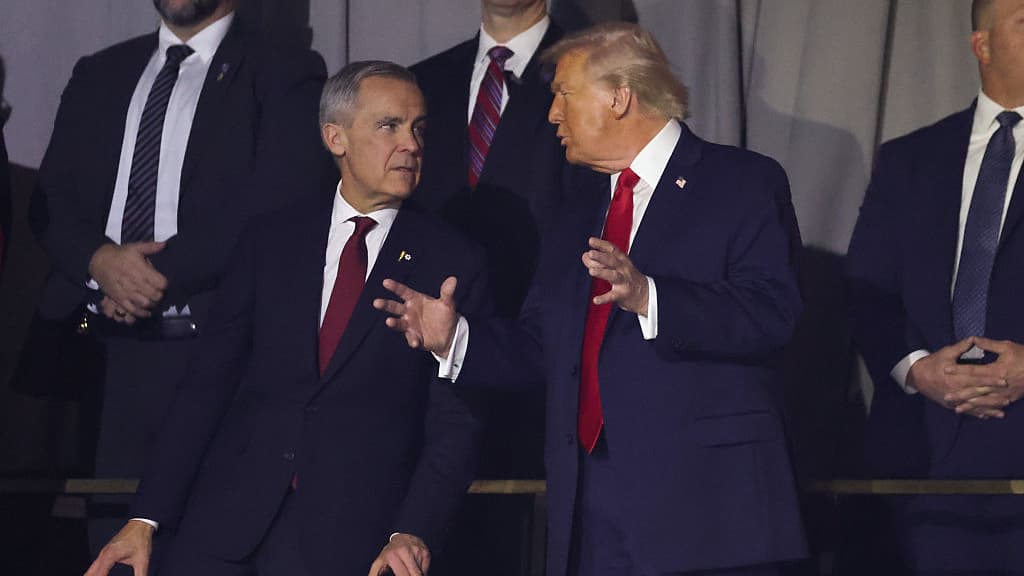
Prime Minister Mark Carney has said that Canada’s pivot away from the United States will come at a cost, but the alternative would be far worse.
asserted
alternative → say → cost
Stephen Brown, chief North America economist at Capital Economics, said in a note to clients Wednesday that the items removed from the U.S. tariff list are valued at roughly US$1.7 billion, and the new targets are worth about the same amount.
asserted
targets → say → billion
He estimated that Trump’s new import bans will apply to 0.25 per cent of Canada’s exports to the United States, or 0.03 per cent of total U.S. imports.
asserted
bans → estimate → imports
Brown said the U.S. import bans will have “little effect on either economy.”
asserted
bans → say → economy
…and 1 more, not listed.
 The Aporia