Washington Examiner
· collected 2026-09-17 · by John D Cherry Jr. and Mike Bishop
The article discusses recent progress in trade talks between the United States and Mexico, focusing on potential implications for the American auto industry. It highlights the interdependence of the US and Canadian auto sectors, with the U.S. exporting about $30 billion in auto parts to Canada annually, creating a significant surplus. The negotiations aim to strengthen North American manufacturing and prevent countries like China from exploiting trade benefits, emphasizing the importance of maintaining a stable supply chain among the U.S., Mexico, and Canada.
Written locally by qwen2.5:14b on 2026-09-17,
using this article's own text rather than the other coverage of the
same event (that is the story summary below).
Reports of progress in trade talks between the United States and Mexico this week should come as welcome news to millions of American autoworkers who have been holding their breath since negotiations with Canada collapsed last month.
asserted
negotiations → come → Canada
On Monday, President Donald Trump said an agreement with Mexico was close and raised the prospect of eliminating the 25% tariffs now affecting some Mexican goods — a potentially significant development for North American manufacturers.
asserted
agreement → say → manufacturers
They have good reason to worry.
asserted
They → have → reason
The U.S. and Canadian auto industries aren’t simply trading partners; they are parts of the same manufacturing system.
asserted
they → trade → system
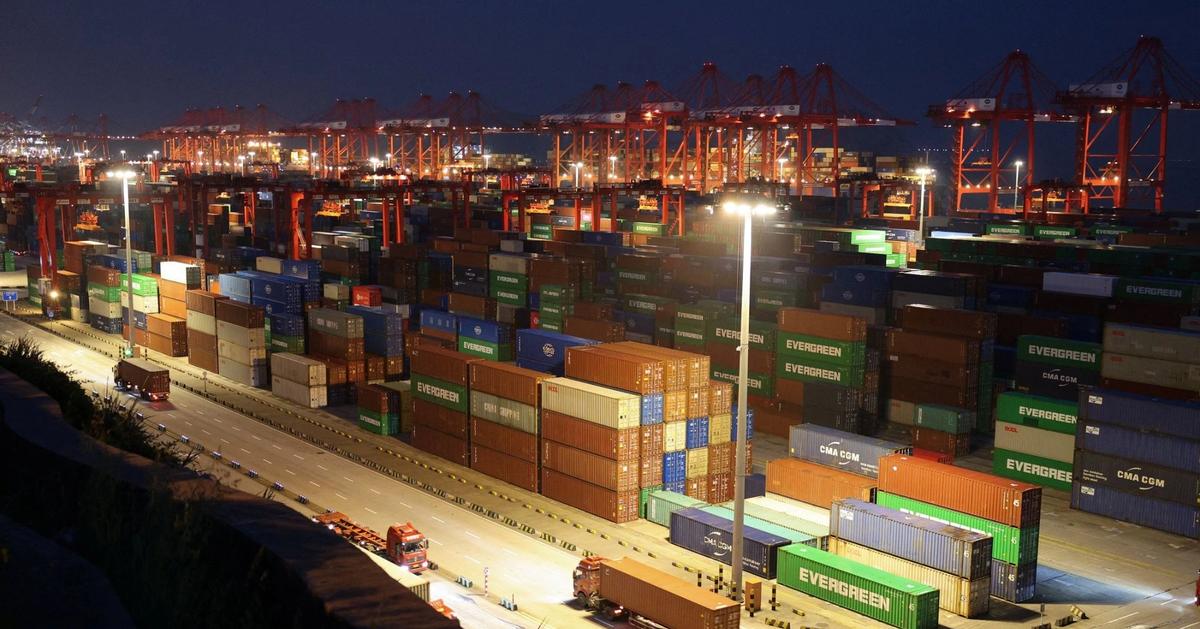
The U.S. exports roughly $30 billion in auto parts to Canada each year, running a $10 billion surplus, and more than half the value of a Canadian-built vehicle originates in the U.S.
asserted
value → export → U.S.
In Michigan and Ontario, parts routinely cross the border several times before a finished vehicle rolls off the assembly line.
asserted
vehicle → cross → line
The trade war now underway threatens to disrupt that system.
asserted
war → threaten → system
U.S. tariffs have been met with billions of dollars in Canadian counter-tariffs, including new duties on steel and aluminum, while automakers and suppliers are already reconsidering investments amid the uncertainty.
asserted
automakers → meet → uncertainty
That makes what is happening with Mexico all the more important.
asserted
happening → make → Mexico
The two governments have already completed three negotiating rounds, with another planned in Washington.
asserted
another → complete → Washington
The discussions have included automobiles, steel and aluminum, rules of origin, and economic security.
asserted
discussions → include → origin
U.S. Trade Rep. Jamieson Greer and Mexican President Claudia Sheinbaum have specifically agreed on the urgency of growing North American manufacturing, strengthening regional supply chains, and preventing countries outside USMCA — most importantly, China — from free-riding on its benefits.
asserted
Greer → agree → benefits
We grew up in Michigan and spent years representing Michiganders in Lansing and Washington.
asserted
We → grow → Lansing
Republicans and Democrats didn’t always agree on much, but we understood the importance of the auto industry as an engine of American growth.
asserted
we → agree → growth
Michigan put the U.S. on wheels, and it remains central to the nation’s automotive economy.
asserted
it → put → economy
Nearly 1 in 5 vehicles made in the U.S. is built there, and 95 of North America’s 100 largest automotive suppliers operate in the state.
asserted
95 → make → state
The American auto industry depends on a North American supply chain developed over decades.
asserted
industry → depend → decades
Steel, aluminum, engines, electronics, and thousands of components move among the U.S., Mexico, and Canada before a finished vehicle rolls off an American assembly line.
asserted
vehicle → move → line
Disrupt that system and costs rise, suppliers get squeezed, investment becomes harder, and American vehicles
asserted
investment → disrupt → system
We understand why Washington seeks stronger rules that prevent China and other non-market economies from using our trading partners as a back door into the U.S. market.
asserted
that → understand → market
And we further understand why Mexico is fighting to preserve the regional manufacturing system on which millions of jobs in both countries depend.
asserted
millions → understand → countries
The good news is that in July, the U.S. and Mexico reported progress on replacing Asian imports while strengthening North American supply chains.
asserted
U.S. → report → chains
In fact, they point toward the same solution.
asserted
they → point → solution
USMCA already requires 75% of qualifying automobile content to originate in North America.
asserted
USMCA → require → America
The current negotiations provide an opportunity to strengthen that principle: make it harder for Chinese and other non-market content to enter our automotive supply chains while preserving the advantages of producing automobiles across an integrated North American market.
asserted
Chinese → provide → market
USTR itself has described the objective as increasing U.S. and Mexican production and manufacturing employment while limiting “non-market inputs” in North American supply chains.
asserted
USTR → describe → chains
The U.S. brings world-class engineering, technology, capital, research, and advanced manufacturing.
asserted
U.S. → bring → engineering
Mexico brings enormous manufacturing capacity and a cost structure that helps North American companies compete globally.
asserted
companies → bring → capacity
We hope Canada will eventually again be part of this equation, deeply integrating metals, energy, and manufacturing capacity with Michigan and the industrial Midwest.
asserted
Canada → hope → Michigan
But we should not wait for the dispute with Ottawa to be resolved.
asserted
dispute → wait → Ottawa
A successful U.S.-Mexico agreement could establish the foundation for a stronger North American automotive market while opening the door for the U.S. and Canada to return to the table so that North America can once again enjoy a united and productive manufacturing system.
uncertain
America → establish → system
For Michigan, getting that deal done is more important than ever.
asserted
deal → get → Michigan
The U.S. needs an automobile industry capable of competing with China and the rest of the world.
asserted
U.S. → need → world
We need secure supply chains, more investment, and more manufacturing jobs at home.
asserted
We → need → home
A U.S.-Mexico trade agreement that pushes China out while protecting the North American supply chain would be a win for Michigan and a win for the U.S.
Mike Bishop is a former Republican Congressman from Michigan.
asserted
Bishop → push → Michigan
 The Aporia