
Data Center Backlash Wins Midterms
17 outlets
Each outlet's article on this story, most articles first
- CBS News7profile
- The Straits Times3profile
- Semafor3profile
- South China Morning Post3profile
- Washington Examiner3profile
- The Guardian3profile
- 404 Media2profile
- Reason2profile
- New York Post1profile
- Time1profile
- ABC News (AU)1profile
- Mother Jones1profile
- The Intercept1profile
- The Dispatch1profile
- ABC News (US)1profile
- BBC1profile
- Toronto Star1profile
30 reporters
- Lydia MoynihanNew York Post
- The Straits TimesThe Straits Times
- Jason Koebler404 Media
- Harry BoothTime
- Andrew R. ChowTime
- J.D. CapeloutoSemafor
- Vincent ChowSouth China Morning Post
- Tosin AkintolaReason
- Maydeen MerinoWashington Examiner
- Matthew Gault404 Media
- Christian BritschgiReason
- Megan CerulloCBS News
- Callie PattesonWashington Examiner
- Lucy QuagginSouth China Morning Post
- Nayan SethSouth China Morning Post
- Johana BhuiyanThe Guardian
- Cam WilsonABC News (AU)
- Ashley GoldSemafor
- Adam MahoneyMother Jones
- Sanya MansoorThe Intercept
- Jack KubinecThe Dispatch
- Mia NurmamatSouth China Morning Post
- MARC LEVY Associated PressABC News (US)
- Ben ChuBBC
- Marc LevyToronto Star
- Lucia I Suarez SangCBS News
- Jo Ling KentCBS News
- Jennifer De PintoCBS News
- Heather StewartThe Guardian
- Garrison LovelyThe Guardian
By day
Articles per day
Cite
Data Center Backlash Wins Midterms. (2026, November 9). The Aporia. https://the-aporia.com/event/124226
“Data Center Backlash Wins Midterms.” The Aporia, 9 Nov. 2026, https://the-aporia.com/event/124226.
“Data Center Backlash Wins Midterms.” The Aporia, November 9, 2026. https://the-aporia.com/event/124226.
Dated the day this page was built. The link always leads to this event, even after the stories are regrouped.
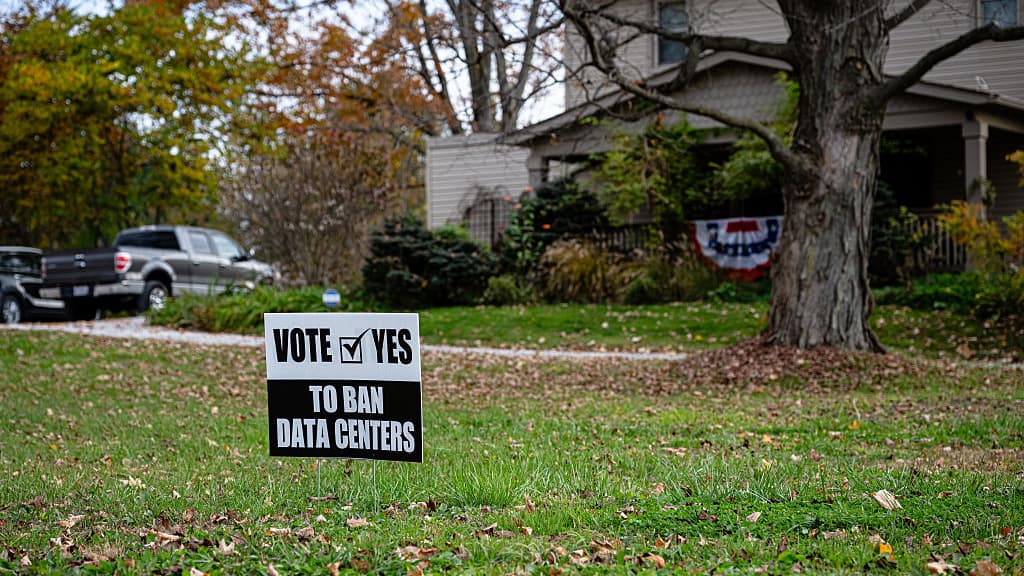
Americans strongly rejected data centers on Election Day, with 44 ballot measures to restrict their operation passing.
What happened
The outlets' own sentences, most widely reported first. Hover or tap one to see who reported it.
An NBC exit poll found that 56% of voters said that AI and data centers were a “crucial or major factor” in their vote for Congress.
Every bubble needs a story, and for AI, one chapter involves carpeting the US in debt-funded datacentres, which will become necessary – and viable – as demand for the technology increases.
Texas accounts for nearly 30% of the US data centre capacity set to come online in 2028, representing by far the largest share of any state, research firm SemiAnalysis said ahead of the election.
There were at least 45 ballot measures – largely at the municipal level – focused on whether to allow data centre development, according to an analysis by Redbud Consulting.
What each outlet says
One AI summary per outlet of its latest article on this story, written from that article alone and checked against it. Open the article for the outlet's own words.
Exit polls from the 2026 elections indicate that AI played a significant role for over half of the voters, although data centers were not the most critical issue. The polls showed majorities in all states opposed having new data centers built locally, benefiting Democratic candidates who campaigned against them. However, even many self-identified Republicans were resistant to data center construction despite voting…
Exit polls show data centers weren't winners in 2026 elections →7 articles from CBS News on this storyIn the recent US midterm elections, voters in numerous towns across the country overwhelmingly rejected proposals related to data center developments. Notably, Harwood, North Dakota, was the sole exception where residents voted against a measure designed to limit such industrial projects. Around 430 out of about 800 residents cast their ballots, with approximately three-quarters opposing the initiative aimed at…
US midterms: Only one town out of dozens in US voted in favour of data centres →3 articles from The Straits Times on this storyAfter winning majorities in Congress, Democrats see artificial intelligence (AI) regulation as a key issue. However, internal disagreements between progressive and business-friendly factions within the party make it challenging to swiftly implement sweeping regulations. Conservative groups argue that voters are concerned about economic issues linked to rapid AI growth under the previous administration. Despite these…
Democrats are fired up on AI. Consensus is harder. →3 articles from Semafor on this storyForecasters are warning that the Democratic victory in the midterm elections may lead to regulatory changes that could stall up to 30% of planned artificial intelligence data centers in the United States. This potential clampdown includes project freezes proposed in Texas and increased federal oversight, which would significantly impact Big Tech's infrastructure spending plans.
Does the Democratic midterm victory spell the end of US AI data centre boom? →3 articles from South China Morning Post on this storyNewly elected Democratic governors in several states are threatening to slow down or impose restrictions on data center development. In Texas, Governor-elect Gina Hinojosa plans to impose a moratorium until the state imposes regulatory guardrails, including requirements for hiring union workers and protecting water resources. Similarly, Georgia’s Governor-elect Keisha Lance Bottoms said she will sign an executive…
Daily on Energy: Newly elected Democratic governors threaten data center development →3 articles from Washington Examiner on this storyGarrison Lovely argues that opposition to artificial intelligence (AI) is becoming a significant political force in America. The Democratic Party's success in the midterms was partly due to voter rejection of AI datacenters, with over 30 localities across nine states passing restrictions or moratoriums on such facilities. Voters cited AI as crucial in their decisions at a rate of 23%, and Democrats won these voters…
Anti-AI populism is the future of American politics | Garrison Lovely →3 articles from The Guardian on this storyShow 10 more outlets
In last night’s midterm elections across America, voters overwhelmingly rejected proposals related to AI data centers, with 38 out of over 40 ballot measures against them in 13 states. Six cities imposed outright bans while twelve others limited the power draw for such facilities. Candidates who supported data centers faced significant losses; notably, Texas Governor Gregg Abbott lost his bid for a fourth term as…
American Voters Overwhelmingly Reject AI Data Centers →2 articles from 404 Media on this storyIn the 2026 midterms, data centers became an unexpectedly significant political issue despite initial skepticism. Exit polls showed that AI data centers were crucial or a major factor for many voters, with most ballot initiatives proposing bans or restrictions on them passing overwhelmingly. Although some argued data center issues did not sway votes as strongly as expected based on pre-election polls, the results…
It Was a Data Center Election After All →2 articles from Reason on this storyThe article reports that despite initial media hype about data centers becoming a significant political issue in US midterm elections, voter polls show it ranks among the least important concerns for Americans in key states like Texas and Ohio. Only around 3% of voters in Texas and 2% in Ohio named data centers as their top concern, according to recent CNN polls. Politicians who previously pushed regulations on data…
Data-center fury is a campaign dud →In the 2026 midterm elections on November 3rd, a significant backlash against AI and data center expansion by voters resulted in major defeats for candidates backed by pro-AI industry groups. Democrats spent over $100 million on ads targeting Republicans’ ties to Big Tech, winning key races such as Ohio’s Senate election. Data center bans passed in multiple counties, and mayors supporting these projects were…
How AI Backlash Shaped the 2026 Midterms →Voters in ten US states rejected data centre proposals in recent midterm elections, with about 41 measures overwhelmingly failing. Democrat Gina Hinojosa's victory in Texas, where she campaigned against data centre construction, further underscores the political toxicity of these projects. Political ads heavily criticized data centres, and exit polls showed that three-quarters of voters oppose such constructions in…
US rejection of data centres is a warning for Australia — and maybe leverage →Voters across ten states rejected data center projects in nearly 40 towns during recent midterms, with only one measure passing in Harwood, North Dakota. Nationally, 77 percent of voters voted against data center development, largely driven by concerns over environmental justice and rising utility costs. In places like Joliet, Illinois, where communities have long fought industrial pollution, nearly 80 percent…
Midterm Rout for Data Centers: Voters in Nearly 40 Towns Rejected Projects →Midterm elections saw a significant victory for candidates and ballot measures restricting or halting data center development across several states. Newly elected Democratic governors in Georgia, Ohio, and Texas have promised moratoriums on new construction, echoing sentiments from local communities that overwhelmingly approved ballot initiatives against these facilities. Public policy experts attribute this trend…
Blue Tsunami’s Clearest Takeaway: People Hate Data Centers →The article reports that despite expectations of significant influence, the AI industry faced numerous setbacks during the 2026 midterm elections. A deep-pocketed super PAC supported by Silicon Valley leaders aimed to shape election outcomes but encountered various problems instead. The piece highlights how efforts by corporate AI interests did not achieve their intended impact, reflecting a series of missteps and…
The Midterms’ Other Big Loser: AI →In the recent U.S. midterm elections, opposition to data centers emerged as a significant issue in hundreds of millions of dollars' worth of TV ads and campaign promises. Democrats who won governorships in several key states pledged stricter regulation on these energy-intensive facilities. For instance, Clayton Tucker in Texas attributed his victory partly to his stance against data center development due to…
Data centers took a beating in the midterm elections →A recent US midterms voter poll suggests that data centers were a significant issue for many voters, with 56% saying they were crucial or major factors in their vote and 76% opposing new constructions locally. The poll highlights growing public opposition to the expansion of artificial intelligence infrastructure, particularly among those who voted Democrat. Although other issues like government corruption and cost…
Did a data centre revolt affect the US mid-term election results? →Analysis
Agreed
Reported by outlets on both sides of the middle
Texas Democrat Gina Hinojosa, who defeated Republican Gov. Greg Abbott last night, has called for a statewide moratorium on data centers to allow for the passage of legislation to regulate them.
Disputed
Picked by our model, which is sometimes wrong
No disagreement the check could confirm. That does not prove there is none.
Framing
How the first headlines put it
How it changed
- 2 Nov
“Candidates in these ‘data center’ races are primarily putting their ad money into messaging around the economy, corruption and healthcare.”
- 4 Nov
Exit polls also show a majority of voters said that AI data centers were either crucial or a major factor in their vote.
- 5 Nov
OPENAI ANNOUNCES DATA CENTER FRAMEWORK: OpenAI announced a new framework for data center development today in a bid to address the backlash to construction around the country.
- 6 Nov
In Texas, Clayton Tucker, the first Democrat elected state agriculture commissioner since 1986, said his pledge to fight data center development was critical to his victory.
Coverage 35 articles
Suggested from 16 outlets (13 flagged as leaning left, 1 right): the fullest account of the event and its publisher is declared as reporting rather than commentary. Note that this article was itself flagged as leans left — it wins on coverage, not on neutrality.
 9 Nov Anti-AI populism is the future of American politics | Garrison LovelyGarrison Lovely argues that opposition to artificial intelligence (AI) is becoming a significant political force in America. The Democratic Party's success in the midterms was partly due to voter rejection of AI datacenters, with over 30 localities across nine states passing restrictions or moratoriums on such facilities. Voters cited AI as crucial in their decisions at a rate of 23%, and Democrats won these voters…The Guardian
 8 Nov 1-0 to humankind? US midterms vote puts AI, datacentres and the broligarchy back in their box | Heather StewartHeather Stewart discusses how U.S. midterm election results reflect growing public concern over artificial intelligence and data centers. Voters approved dozens of measures limiting data center expansion, highlighting opposition to the environmental impact and light pollution caused by these facilities. The article suggests this anti-AI sentiment could curb the tech industry’s unchecked growth, following a period…The Guardian
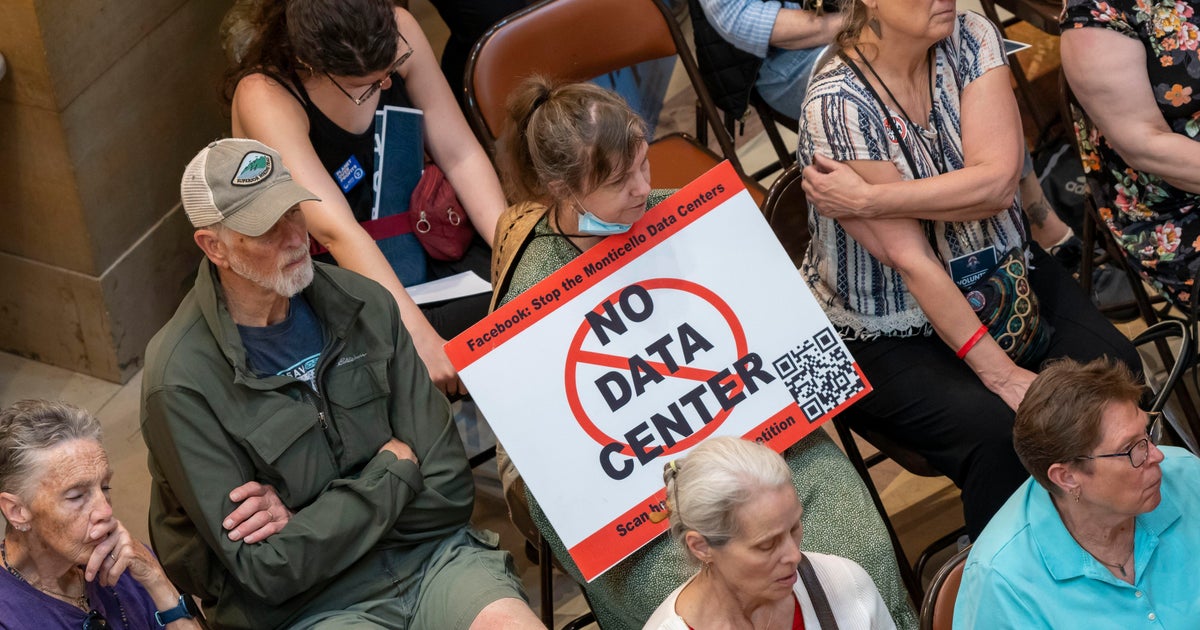 6 Nov Exit polls show data centers weren't winners in 2026 electionsExit polls from the 2026 elections indicate that AI played a significant role for over half of the voters, although data centers were not the most critical issue. The polls showed majorities in all states opposed having new data centers built locally, benefiting Democratic candidates who campaigned against them. However, even many self-identified Republicans were resistant to data center construction despite voting…CBS News
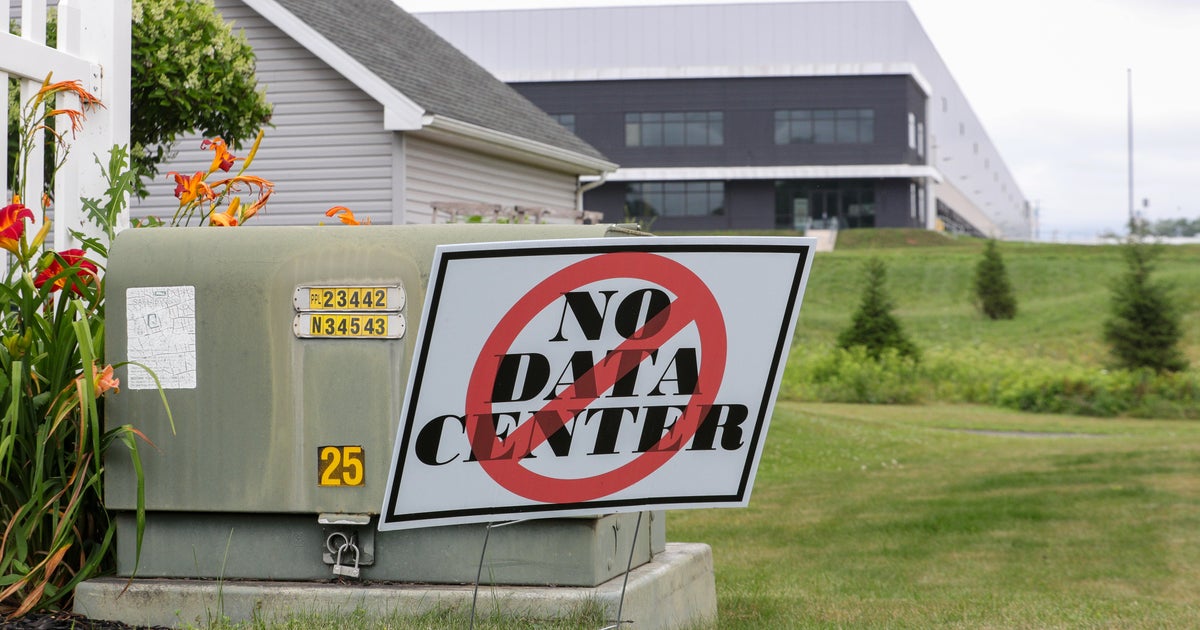 6 Nov Data center backlash fuels votes for change, stock market swingVoters across multiple states approved at least 44 measures restricting data center construction on Tuesday, with a few still pending. These restrictions range from outright bans to temporary moratoriums and are driven by concerns over AI and lack of regulations in rural areas. Texas's incoming governor, Gina Hinojosa, plans to halt new data center constructions until more safeguards are implemented, while Georgia’s…CBS News
 6 Nov Data centers took a beating in the midterm elections. A reckoning may be ahead for tech giants
Toronto Star 6 Nov Did a data centre revolt affect the US mid-term election results?A recent US midterms voter poll suggests that data centers were a significant issue for many voters, with 56% saying they were crucial or major factors in their vote and 76% opposing new constructions locally. The poll highlights growing public opposition to the expansion of artificial intelligence infrastructure, particularly among those who voted Democrat. Although other issues like government corruption and cost…BBC
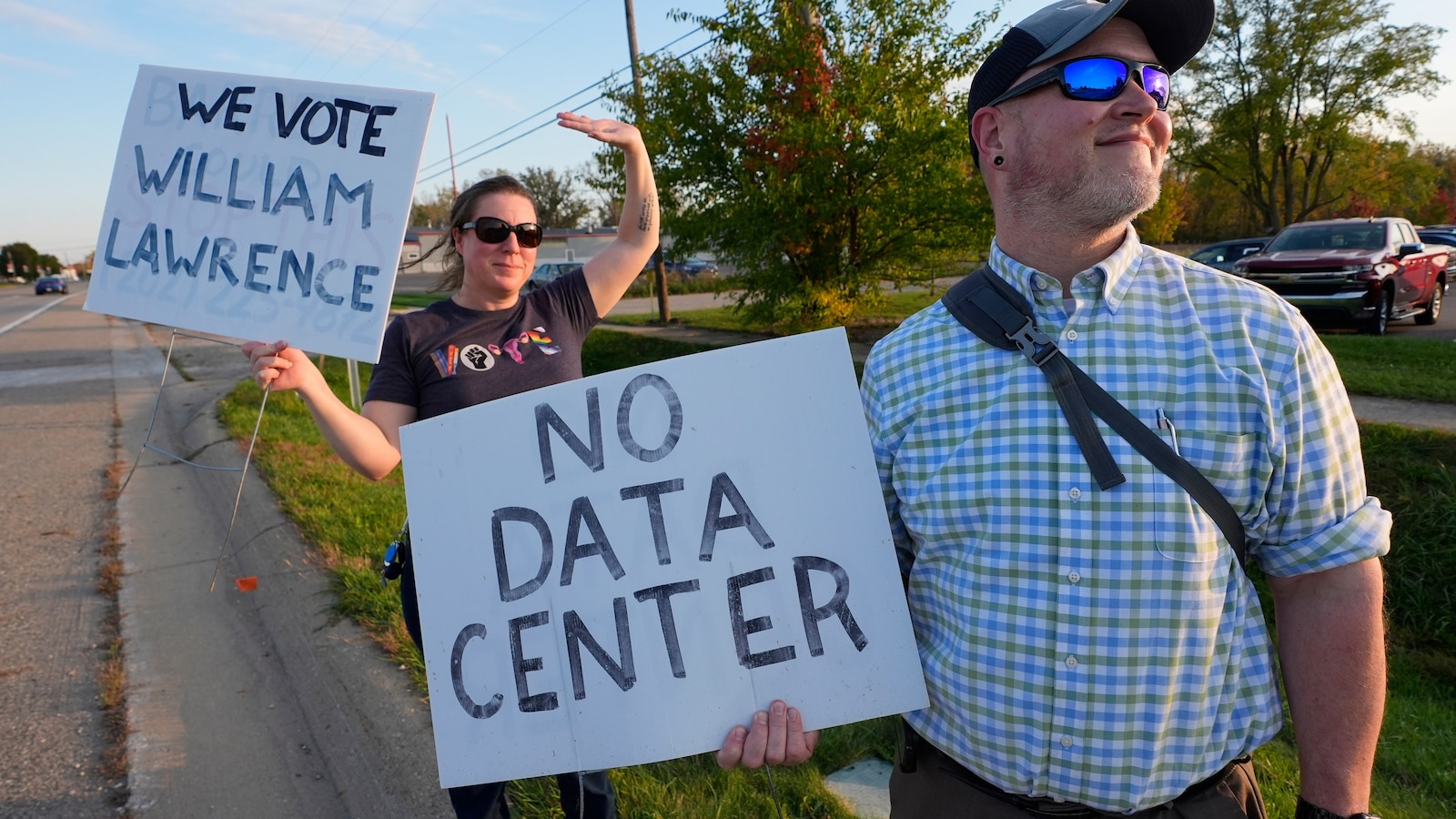 6 Nov Data centers took a beating in the midterm electionsIn the recent U.S. midterm elections, opposition to data centers emerged as a significant issue in hundreds of millions of dollars' worth of TV ads and campaign promises. Democrats who won governorships in several key states pledged stricter regulation on these energy-intensive facilities. For instance, Clayton Tucker in Texas attributed his victory partly to his stance against data center development due to…ABC News (US)
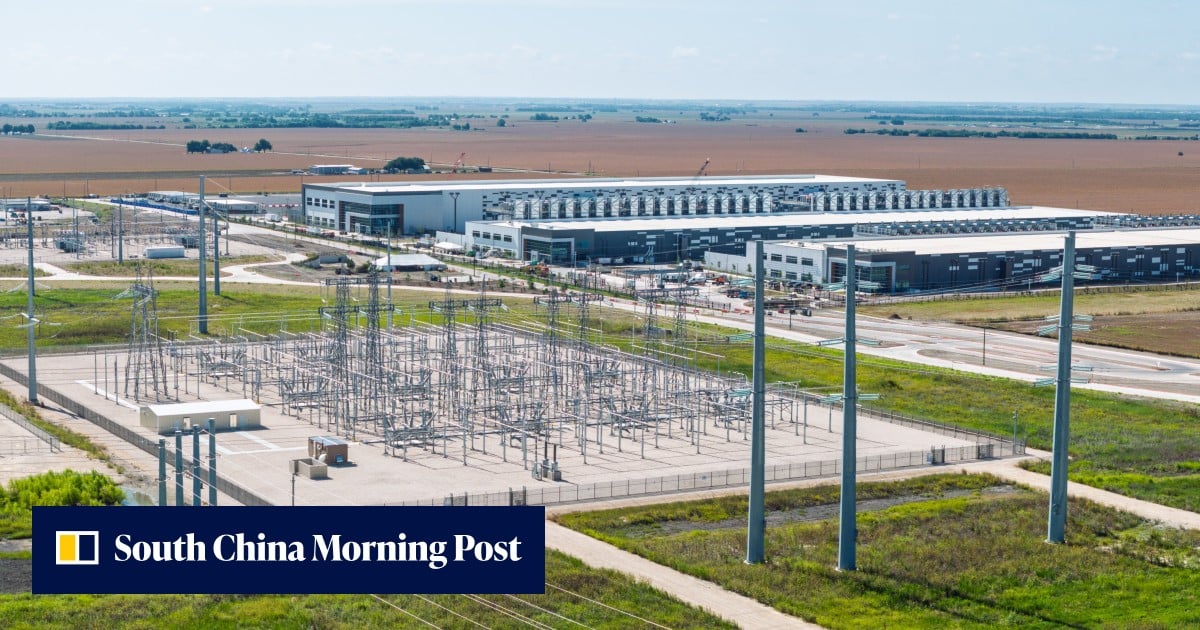 6 Nov Does the Democratic midterm victory spell the end of US AI data centre boom?Forecasters are warning that the Democratic victory in the midterm elections may lead to regulatory changes that could stall up to 30% of planned artificial intelligence data centers in the United States. This potential clampdown includes project freezes proposed in Texas and increased federal oversight, which would significantly impact Big Tech's infrastructure spending plans.South China Morning Post
 6 Nov The Midterms’ Other Big Loser: AIThe article reports that despite expectations of significant influence, the AI industry faced numerous setbacks during the 2026 midterm elections. A deep-pocketed super PAC supported by Silicon Valley leaders aimed to shape election outcomes but encountered various problems instead. The piece highlights how efforts by corporate AI interests did not achieve their intended impact, reflecting a series of missteps and…The Dispatch
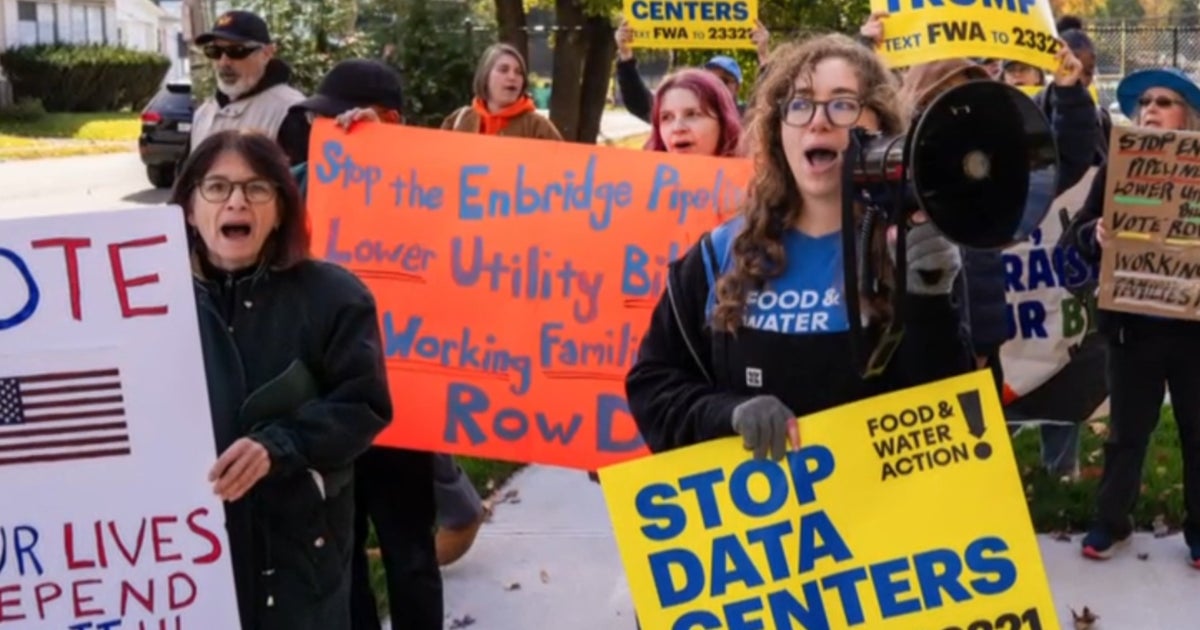 6 Nov Voters pass 44 ballot measures to restrict data centers on Election DayOn Election Day, voters approved 44 ballot measures aimed at restricting the establishment of data centers due to worries about excessive electricity consumption and possible job displacement caused by advancements in artificial intelligence technology. CBS News reporter Megan Cerullo covers this development.CBS News
Show all 35 articles
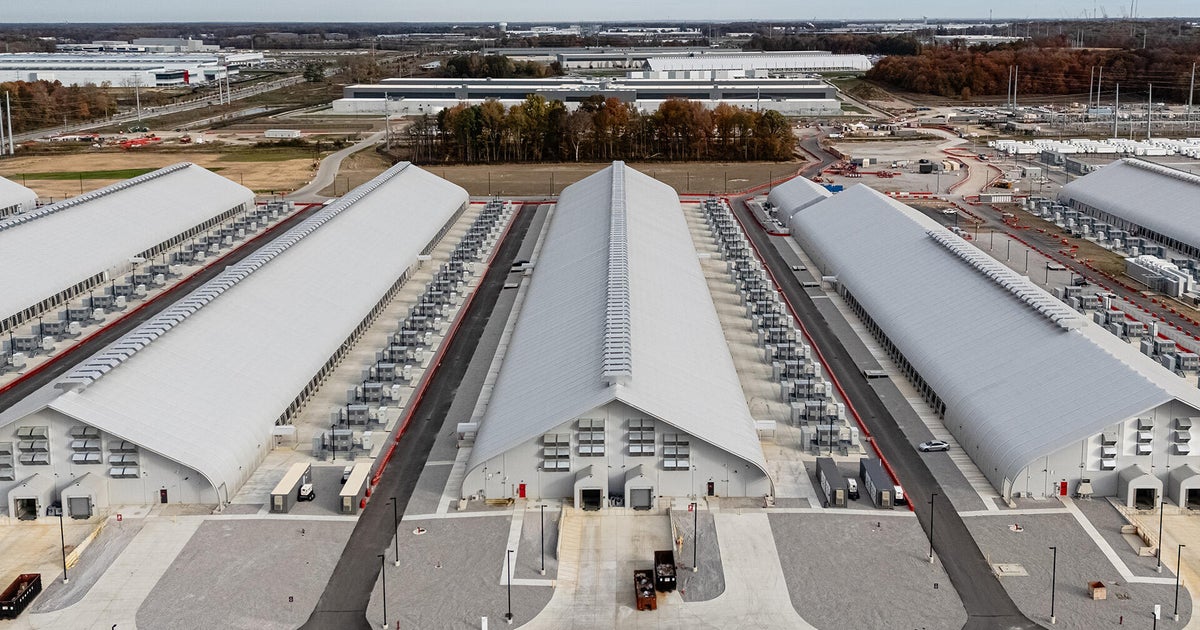 6 Nov 11/5: The Takeout with Major GarrettOn November 5, voters approved measures in several states that aim to restrict the establishment of large data centers within their borders. These ballot initiatives reflect growing concerns among residents about issues such as water usage and environmental impact associated with these facilities.CBS News
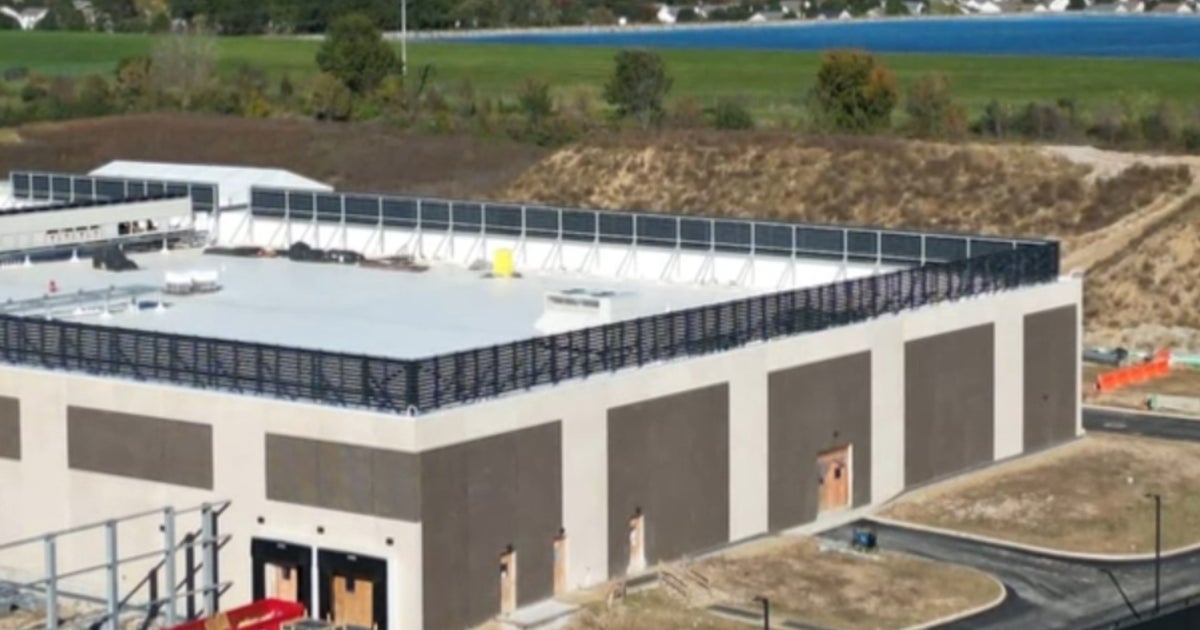 5 Nov Voters reject data centers on Election Day as 44 ballot measures to restrict them passVoters across various locations passed 44 ballot measures aimed at restricting data centers on Election Day. Joe Brettell, founder of Forward Energy Public Relations, provided commentary on this development for "The Takeout." The article does not specify particular states or regions where these measures were enacted.CBS News
- 5 Nov Daily on Energy: Newly elected Democratic governors threaten data center developmentNewly elected Democratic governors in several states are threatening to slow down or impose restrictions on data center development. In Texas, Governor-elect Gina Hinojosa plans to impose a moratorium until the state imposes regulatory guardrails, including requirements for hiring union workers and protecting water resources. Similarly, Georgia’s Governor-elect Keisha Lance Bottoms said she will sign an executive…Washington Examiner
 5 Nov Blue Tsunami’s Clearest Takeaway: People Hate Data CentersMidterm elections saw a significant victory for candidates and ballot measures restricting or halting data center development across several states. Newly elected Democratic governors in Georgia, Ohio, and Texas have promised moratoriums on new construction, echoing sentiments from local communities that overwhelmingly approved ballot initiatives against these facilities. Public policy experts attribute this trend…The Intercept
 5 Nov Midterm Rout for Data Centers: Voters in Nearly 40 Towns Rejected ProjectsVoters across ten states rejected data center projects in nearly 40 towns during recent midterms, with only one measure passing in Harwood, North Dakota. Nationally, 77 percent of voters voted against data center development, largely driven by concerns over environmental justice and rising utility costs. In places like Joliet, Illinois, where communities have long fought industrial pollution, nearly 80 percent…Mother Jones
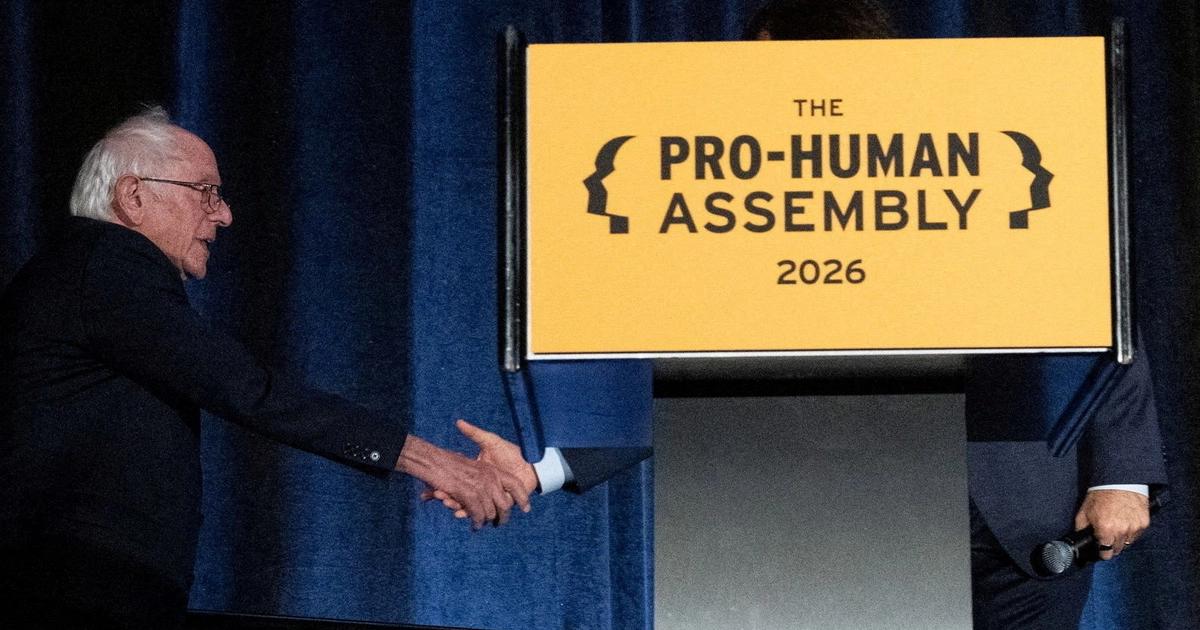 5 Nov Democrats are fired up on AI. Consensus is harder.After winning majorities in Congress, Democrats see artificial intelligence (AI) regulation as a key issue. However, internal disagreements between progressive and business-friendly factions within the party make it challenging to swiftly implement sweeping regulations. Conservative groups argue that voters are concerned about economic issues linked to rapid AI growth under the previous administration. Despite these…Semafor
5 Nov US rejection of data centres is a warning for Australia — and maybe leverageVoters in ten US states rejected data centre proposals in recent midterm elections, with about 41 measures overwhelmingly failing. Democrat Gina Hinojosa's victory in Texas, where she campaigned against data centre construction, further underscores the political toxicity of these projects. Political ads heavily criticized data centres, and exit polls showed that three-quarters of voters oppose such constructions in…ABC News (AU)
 5 Nov Datacenters were on the ballot. US voters rejected themUS voters across at least 10 states rejected datacenter projects in Tuesday’s midterm elections, with 40 jurisdictions passing bans or restrictions. In Ohio alone, 14 municipalities banned Amazon's proposed $2 million datacenter project in Sunbury. Other notable rejections occurred in Maine and Kansas. The only exception was Hardwood, North Dakota, where a moratorium failed. Politicians elected on Tuesday also…The Guardian
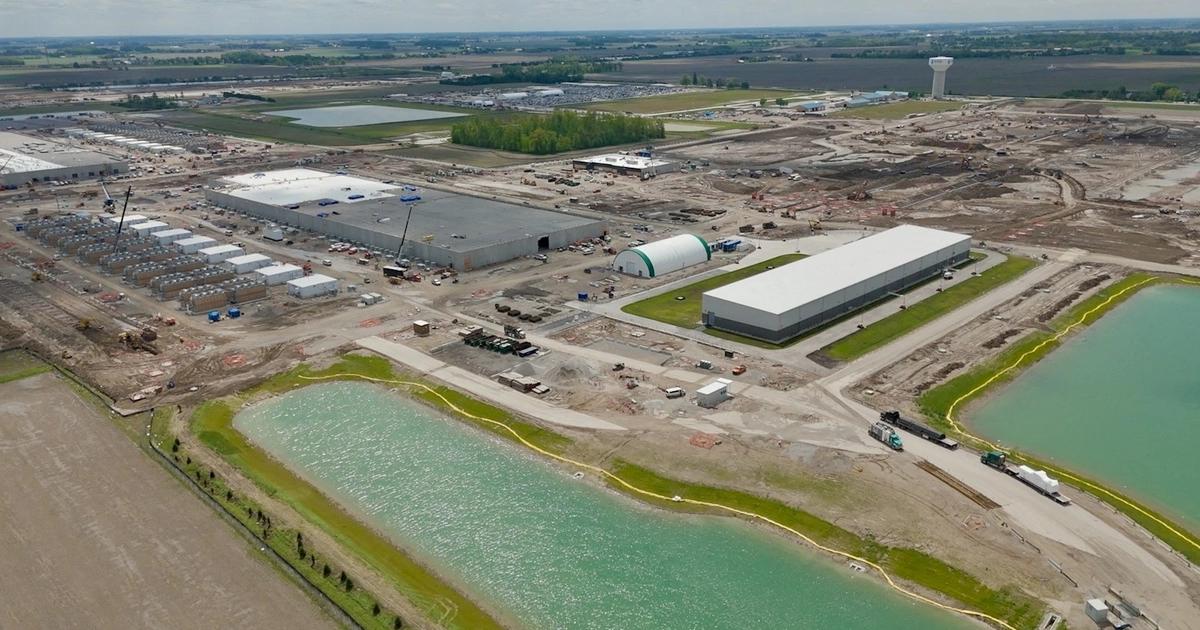 5 Nov Voters' data center rebuke hits some tech companies harder than othersVoters in several Ohio towns rejected large data center projects backed by tech giants like Meta and Amazon. In Piqua, voters approved a ban on large data centers and recalled commissioners who supported Meta’s project, while similar bans passed in Trenton and Ashville. Nationwide, over 40% of planned US data center capacity is now subject to restrictions due to gubernatorial actions or ballot measures. This shift…Semafor
4 Nov US midterms: Only one town out of dozens in US voted in favour of data centresIn the recent US midterm elections, voters in numerous towns across the country overwhelmingly rejected proposals related to data center developments. Notably, Harwood, North Dakota, was the sole exception where residents voted against a measure designed to limit such industrial projects. Around 430 out of about 800 residents cast their ballots, with approximately three-quarters opposing the initiative aimed at…The Straits Times
 4 Nov Data centre dissent: why American voters aren’t buying Trump’s China AI pitchVoters in the US midterm elections showed strong opposition to AI infrastructure projects like data centers, despite President Trump’s framing of these projects as essential for competing with China. Analysts note this backlash highlights concerns over increased power bills, water usage, and local community impacts. The article cites experts who say that linking domestic tech investments to competition with China is…South China Morning Post
- 4 Nov Midterm elections could zap the data center buildout, experts say
CBS News - 4 Nov Daily on Energy: How the data center ballot measures faredThe article reports that in the recent midterm elections, ballot measures limiting or banning data center developments across ten states overwhelmingly passed. Specifically, out of 41 measures tracked by Ballotpedia, only one measure restricting development failed in North Dakota; all others aimed at facilitating data center growth also lost. Notable successes include outright bans in multiple Ohio cities and a…Washington Examiner
- 4 Nov Midterm election results will slow data center buildout, experts predictMidterm election results on Tuesday may slow down the expansion of data centers across the U.S., according to Wall Street analysts. As of Wednesday, voters approved 37 ballot measures restricting data center development and only one allowing them. The elections have also brought victories for candidates who campaigned on stricter regulation of data centers. Analyst Dan Ives from Yorkville Ives & Co. predicts that…CBS News
 4 Nov It Was a Data Center Election After AllIn the 2026 midterms, data centers became an unexpectedly significant political issue despite initial skepticism. Exit polls showed that AI data centers were crucial or a major factor for many voters, with most ballot initiatives proposing bans or restrictions on them passing overwhelmingly. Although some argued data center issues did not sway votes as strongly as expected based on pre-election polls, the results…Reason
4 Nov American Voters Overwhelmingly Reject AI Data CentersIn last night’s midterm elections across America, voters overwhelmingly rejected proposals related to AI data centers, with 38 out of over 40 ballot measures against them in 13 states. Six cities imposed outright bans while twelve others limited the power draw for such facilities. Candidates who supported data centers faced significant losses; notably, Texas Governor Gregg Abbott lost his bid for a fourth term as…404 Media
 4 Nov Anti-data center ballot measures on track to go 40-1 in sign of backlashVoters in ten different states approved ballot measures that limit the building of new data centers, reflecting growing opposition to the industry's expansion. As of Tuesday morning, all proposed restrictions passed except for a single measure in Harwood, North Dakota. This outcome indicates a widespread public concern about data center development across various regions.Washington Examiner
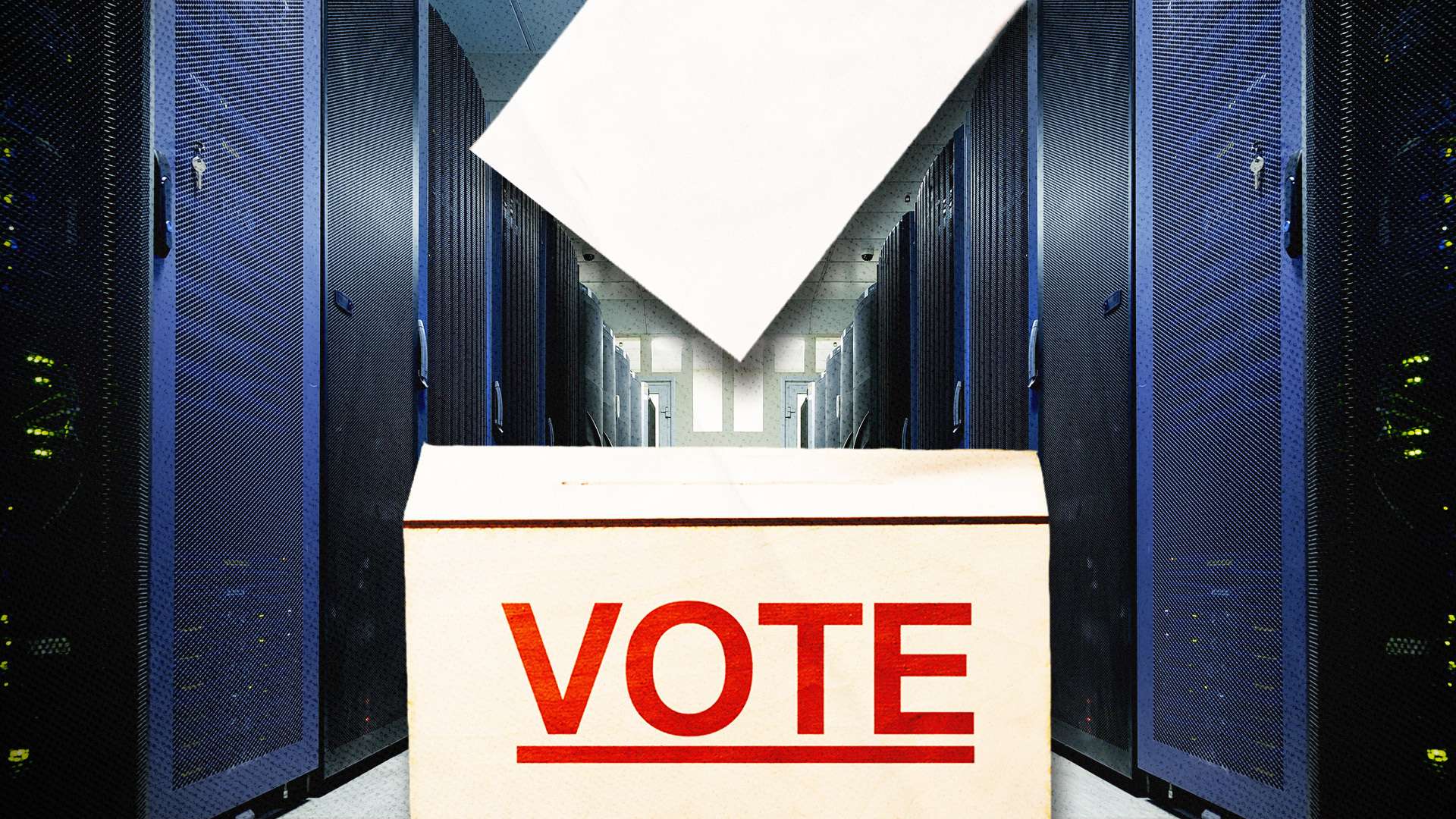 4 Nov Ohio Leads a Wave of Local Data Center BansOn Tuesday, voters in Ohio considered 21 data center–related ballot measures across 18 jurisdictions, with many towns opting to ban hyperscalers—data centers requiring more than 25 megawatts of power. Notable among these was Upper Sandusky, which added a data center ban to its town charter despite being one of the best states for prospective data center development until recently. Florida and California also saw…Reason
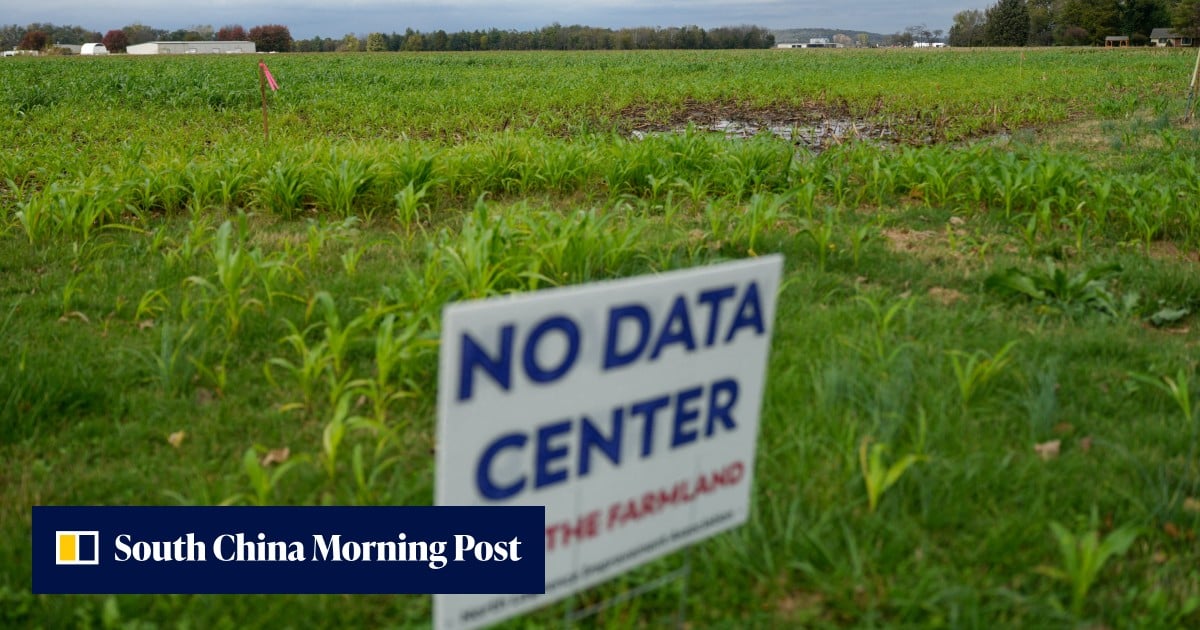 4 Nov How Democratic sweep could slow AI growth in US – and help China’s ambitionsThe article discusses how a Democratic victory in Congress might lead to stricter regulation of artificial intelligence (AI) and the data centers that support its operations. This increased scrutiny is partly due to public concern over AI and data practices, which contributed to voter dissatisfaction with the Republican Party and former President Donald Trump’s pro-tech industry stance.South China Morning Post
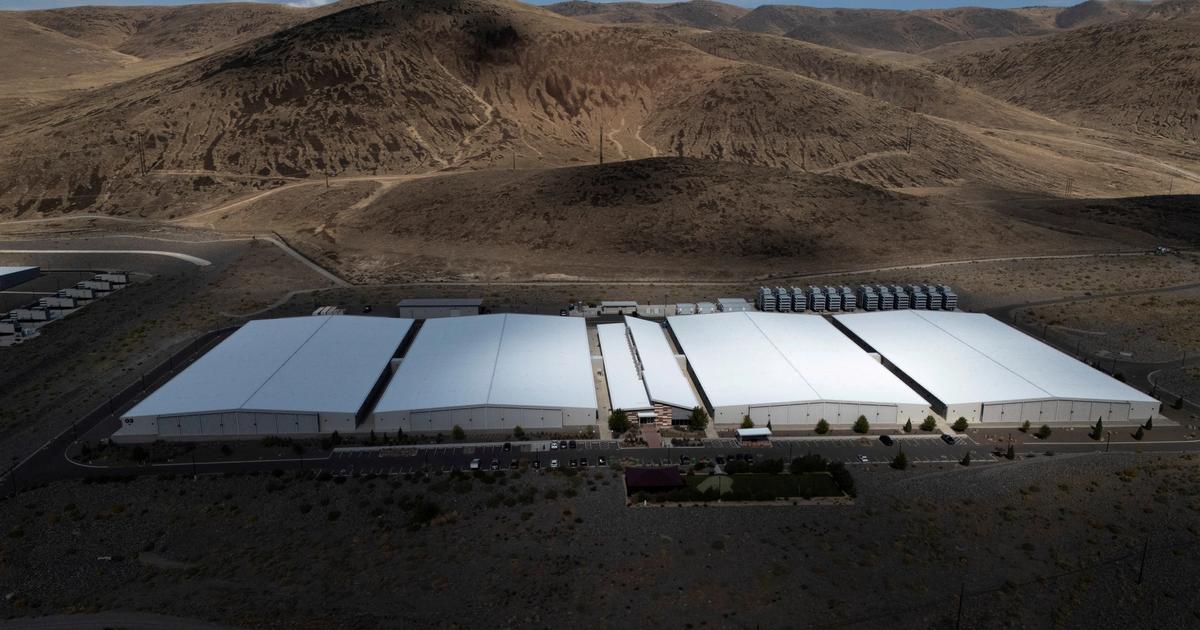 4 Nov US voters roundly reject data centers in ballot measuresVoters across nine states rejected data center projects through ballot measures on Tuesday, with more than 30 localities voting for moratoriums or bans. In one example, Perry, Ohio passed a measure imposing financial and operational constraints on hyperscalers seeking tax breaks. Democrats in over 130 federal and gubernatorial races ran ads against tech companies, pressuring Republican candidates like Texas Governor…Semafor
 4 Nov How AI Backlash Shaped the 2026 MidtermsIn the 2026 midterm elections on November 3rd, a significant backlash against AI and data center expansion by voters resulted in major defeats for candidates backed by pro-AI industry groups. Democrats spent over $100 million on ads targeting Republicans’ ties to Big Tech, winning key races such as Ohio’s Senate election. Data center bans passed in multiple counties, and mayors supporting these projects were…Time
 4 Nov ‘There Is One Fight’: American Voters Reject Tech OligarchyTuesday's election results reflect a widespread rejection of what is described as an oppressive, corrupt system dominated by tech oligarchs and aligned with former President Donald Trump. Voters across different states expressed frustration with the negative impacts of technology like AI on job security and societal well-being, alongside concerns about political influence peddling and regulatory rollbacks under…404 Media
4 Nov US midterms: Trump’s midterm drubbing demonstrates the power of data-centre opponentsThis article analyzes how opposition to data centers contributed significantly to Democratic victories in key gubernatorial races during the US midterm elections. Democrats campaigning against further development of data centers won in Texas and Georgia, states crucial for the growth of artificial intelligence infrastructure but facing increasing public backlash over environmental and economic impacts. The results…The Straits Times
4 Nov US midterms: AI data centre boom is set for upheaval after US election routGina Hinojosa's victory as the first Democratic governor of Texas in over three decades is expected to disrupt the development of artificial intelligence data centers in the state. During her campaign, Hinojosa called for a moratorium on new data center approvals until regulatory measures that prioritize Texans' interests are established. This shift comes amid broader Democratic successes in gubernatorial races…The Straits Times
 2 Nov Data-center fury is a campaign dudThe article reports that despite initial media hype about data centers becoming a significant political issue in US midterm elections, voter polls show it ranks among the least important concerns for Americans in key states like Texas and Ohio. Only around 3% of voters in Texas and 2% in Ohio named data centers as their top concern, according to recent CNN polls. Politicians who previously pushed regulations on data…New York Post
Keep exploring
 Similar coverageElection Day Data Center Votes
 Similar coverageAI Regulation Ahead Of Midterms
 Similar coverageOpenAI Data Center Policy Rebranding
 Similar coverageData Center Legislation Push
 Similar coverageData Centers In Neighborhoods
 Similar coverageSchumer Blocks Cost Fixes
 Similar coverageAI Sell-off Impact On Markets
 Similar coverageTrump Pushes Data Center Dividends
 Similar coverageSt. Louis Data Center Controversy
 RecentThomas Markle Arrested on Child Porn Charges
Built 2026-11-09 from 35 articles. Every sentence on this page is quoted from the linked article; nothing was written by a model except the Summary and the items marked AI, which cite their sources, and the questions and labels under "Disputed". Photos are from the outlets that covered the story, never from articles our check marks sensitive.