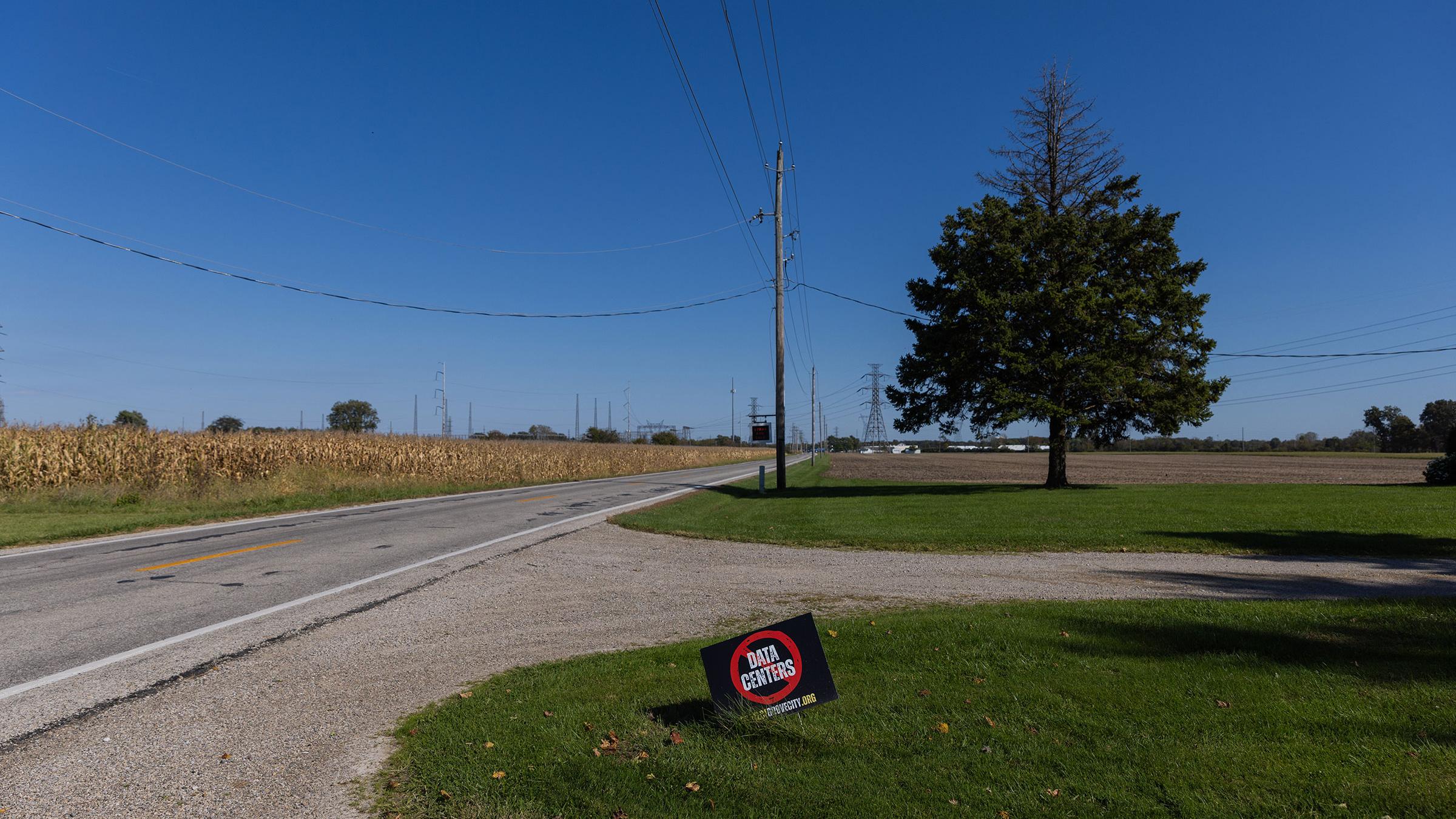
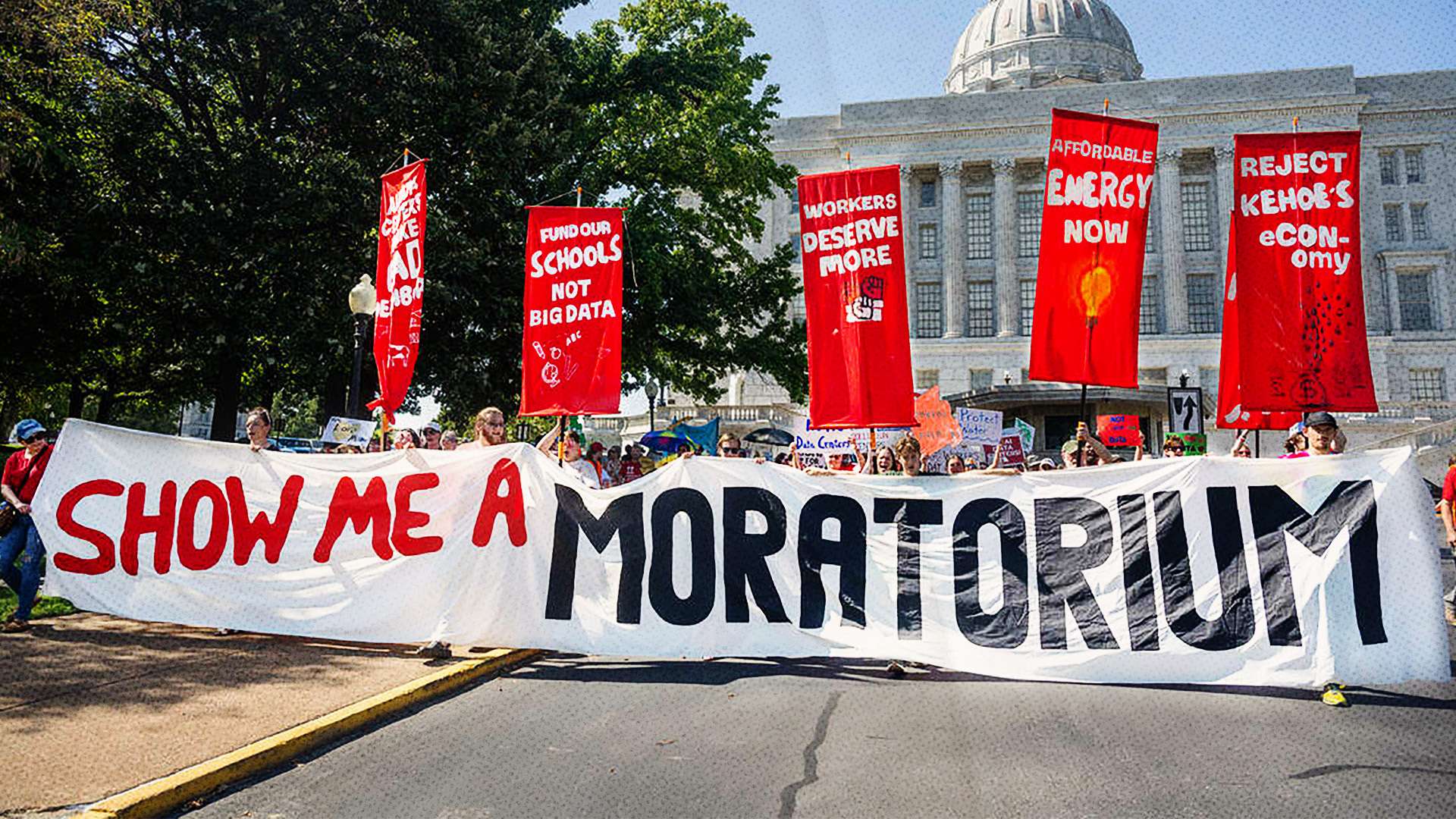
Tales of data centers’ impact on this election may have been greatly exaggerated.
uncertain
Tales → exaggerate → election
For months, prominent outlets ran headlines like “Data centers have become political napalm.
asserted
centers → run → become
Election Day will show how far it’s spread,” “Data centers are galvanizing the midterms” and “How data centres became the sleeper issue that could decide the US midterms.”
uncertain
that → show → midterms
But all that outrage likely will not amount to much.
asserted
outrage → amount → much
In polls nationwide and in states where data centers have supposedly been a hot topic, such as Texas and Ohio, the issue consistently ranks among the least important to voters.
asserted
issue → rank → voters
In a CNN Texas poll last month, just 3% named the issue as their top concern; in Ohio, only 2% did.
asserted
% → name → Ohio
The polling — and guidance from political strategists — suggest that the media coverage and activist frenzy surrounding data centers simply isn’t moving the needle.
asserted
coverage → suggest → needle
It is a dramatic shift from earlier this year, when politicians across both parties raced to distance themselves from the industry.
asserted
politicians → race → industry
Republican Texas Gov. Greg Abbott ordered a pause on new environmental permits for data centers, while Democratic Pennsylvania Gov. Josh Shapiro removed them from his state’s fast-track permitting program.
asserted
Shapiro → order → program
In Ohio, Democratic Senate candidate Sherrod Brown attacked Republican Sen. Jon Husted for helping bring data centers into the state, while Husted introduced legislation aimed at protecting residents from higher electricity bills.
asserted
Husted → attack → bills
Likewise, in Texas, Republican Ken Paxton and Democrat James Talarico pushed for tougher restrictions on data-center development.
asserted
Paxton → push → development
That has largely been forgotten, strategists say.
asserted
strategists → forget → ?
“Candidates who made a data-center moratorium a pillar of their campaigns didn’t get much traction…
asserted
moratorium → make → traction
centering on data centers is going to distract Democrats from the core issues that we know voters are deciding on,” said one Democratic strategist.
asserted
strategist → center → that
“Candidates in these ‘data center’ races are primarily putting their ad money into messaging around the economy, corruption and healthcare.”
asserted
Candidates → put → economy
“This is an issue that people are not voting on — nobody’s closing on data centers,” said one longtime Republican strategist who worked on Trump’s 2024 campaign.
asserted
who → vote → campaign
“For most voters, it’s an imaginary issue.
asserted
it → ’ → voters
It’s something that they’re just being told about, but it’s not something that is tangibly affecting their lives.
asserted
that → ’ → lives
The Republicans strategist notes that he advised candidates to stop discussing it and focus on issues that the majority of voters care about.
asserted
majority → note → voters
That so much attention was paid to an issue voters actually care little about gives greater credence to the idea that foreign adversaries may have played a role in fomenting data-center anxieties.
uncertain
adversaries → pay → anxieties
A Bitcoin Policy Institute report covered by The Post in July claimed that a China-linked network associated with far-left donor Neville Roy Singham Singham and the Party for Socialism and Liberation had inserted itself into local data-center fights across 14 states.
asserted
network → cover → states
The report credited those efforts with helping stall or block at least $23.6 billion in proposed investment through rallies, petitions, door-knocking and packed public hearings.
asserted
report → credit → rallies
Other data points also suggest foreign interference was a factor — like the fact OpenAI said it had banned accounts likely originating in China that used ChatGPT to generate anti-data-center comments and images.
asserted
that → suggest → comments
X identified roughly 200 accounts within a much larger Chinese bot network posting content aimed at influencing the American debate over AI and energy policy.
asserted
X → identify → AI
To be sure, many Americans still resist these centers in their communities.
asserted
Americans → resist → communities
Some experts caution that politicians have simply kicked the can down the road — and that the fight over data centers could return once the midterms are over.
uncertain
midterms → caution → centers
“23% of proposals for new data centers were suspended in competitive congressional districts… versus 13% nationwide,” Paul Renshaw said, based on data that his fact-checking outlet PressAudit compiled.
asserted
outlet → suspend → that
But even he says this isn’t going to be an issue that has to last.
asserted
that → say → ?
In fact, simply rebranding could help dramatically.
uncertain
rebranding → rebrande → fact
“People are surprisingly pliable and willing to change their minds…
asserted
People → change → minds
All of the data tells me that people just want a better deal, and they have the power to negotiate for it.
asserted
they → tell → it
Still others are skeptical that data centers will return as a potent political target — and think the backlash could fade as communities begin to see the benefits.
“It was always a fabricated issue…
uncertain
It → return → benefits
Once they start seeing the effects of [data centers] in their schools and in their local infrastructure, perception is going to change,” said, referring to the tax revenue and jobs that projects could bring.
uncertain
projects → start → that
Maybe the answer is to build and bet on the future.
asserted
answer → build → future
If data centers haven’t moved the needle with voters as a threat, perhaps they will as a benefit.
asserted
they → move → benefit
 The Aporia