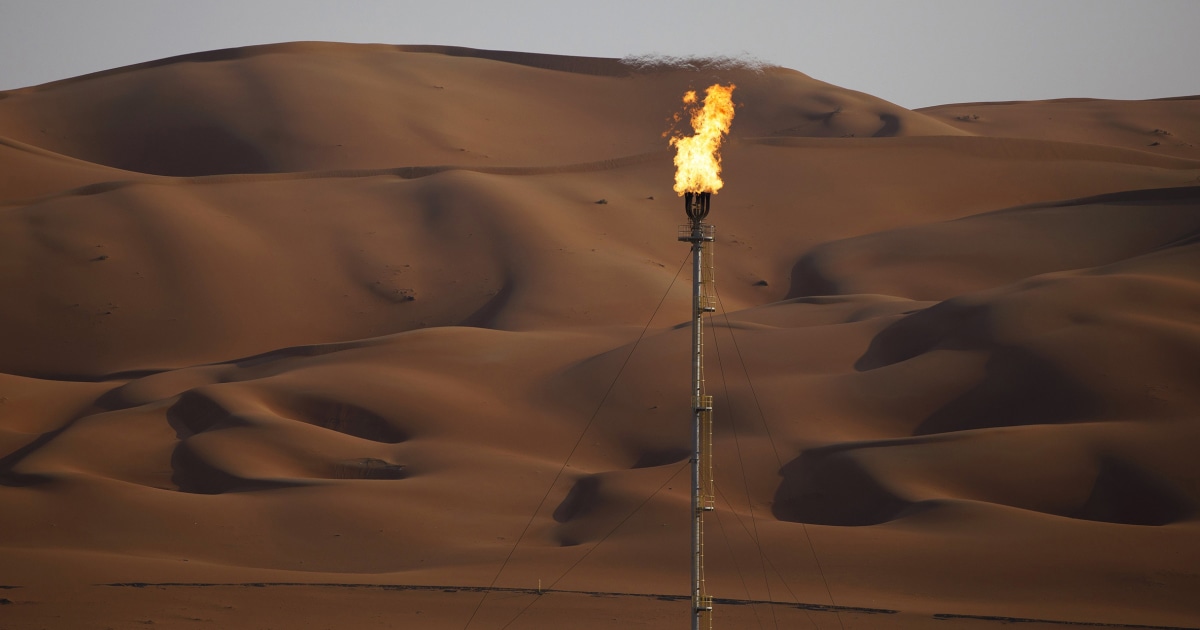
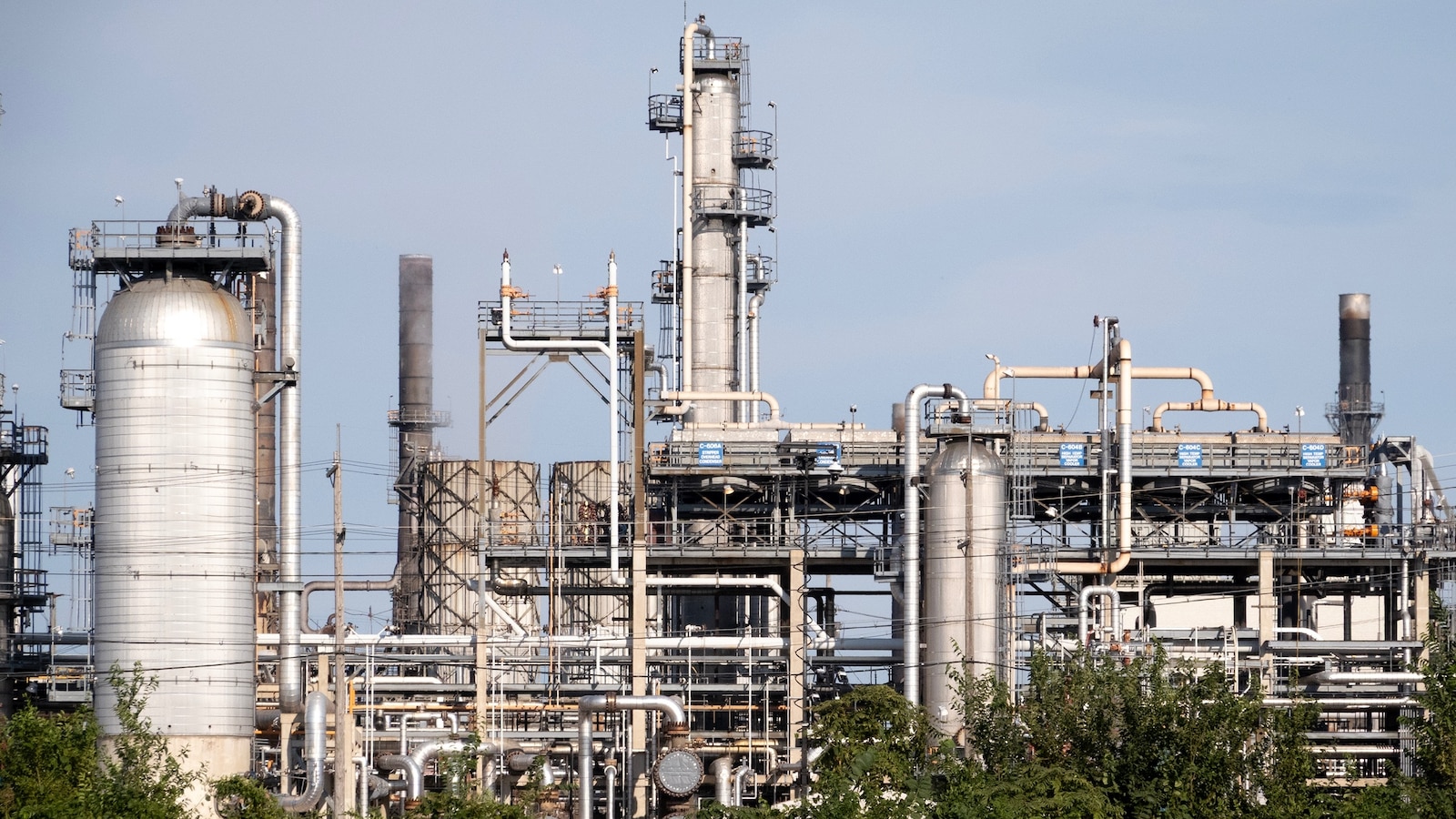
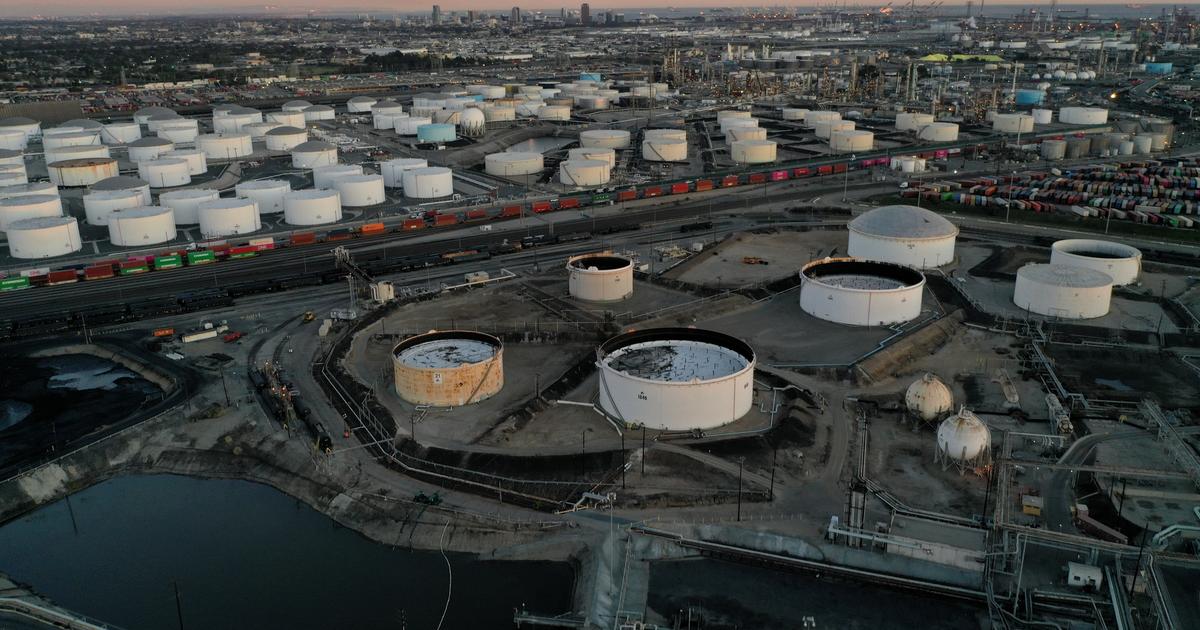
The largest oil companies in the world, including Chevron, TotalEnergies, Exxon Mobil, Eni, and BP, did not increase drilling activities when crude prices broke above $100, but instead traded assets and made acquisitions in countries like Venezuela. During the past three weeks, Brent crude rose 3.4% to $101.21 and West Texas Intermediate rose 3.3% to $96.05 due to escalating tensions between the US and Iran in the Persian Gulf. The companies' decision to focus on asset trading rather than drilling was driven by a geopolitical crisis rather than a geological one, with the price of oil largely influenced by the conflict's impact on supply chains. Venezuela is seen as a key location for these majors, with three of them announcing expansion plans in the country within two weeks.
Written by the local model on 2026-09-11,
using this article's own text rather than the other coverage of the
same event (that is the story summary below).
The intuitive response to crude above $100 is to drill.
asserted
response → drill → 100
That is not what the largest oil companies in the world did over the past three weeks.
asserted
companies → do → weeks
With Brent closing at $101.21 on September 9, its highest since May 22, and West Texas Intermediate settling at $96.05, the supermajors spent the run-up trading assets rather than adding rigs: handing off operatorship of a multibillion-dollar liquefied natural gas project, swapping acreage, and, in three separate cases, buying deeper into a country most of them spent the last decade writing down.
uncertain
most → close → decade
Companies mentioned in today’s commentary include: Chevron Corporation (NYSE: CVX), TotalEnergies SE (NYSE: TTE), Exxon Mobil Corporation (NYSE: XOM), Eni S.p.A. (NYSE: E), and BP p.l.c. (NYSE: BP).
asserted
Companies → mention → Corporation
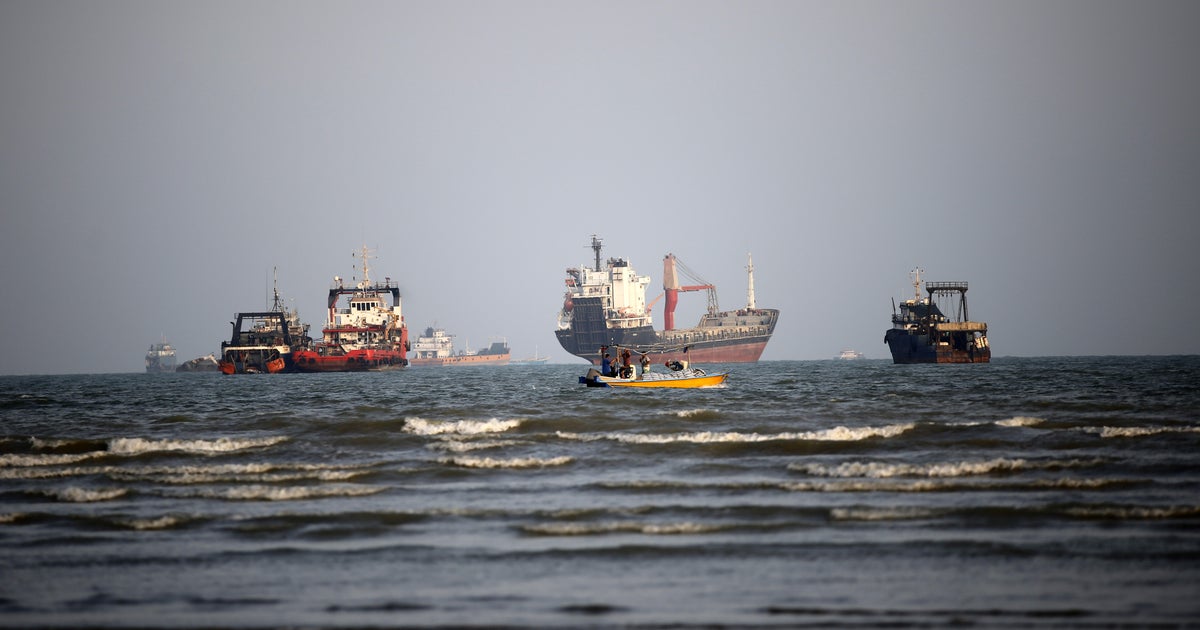
Brent gained 3.4% on September 9 to $101.21 and WTI 3.3% to $96.05 as fighting between the United States and Iran escalated in the Persian Gulf.
asserted
fighting → gain → Gulf
Roughly a fifth of the world’s crude normally transits the Strait of Hormuz.
asserted
fifth → transit → Hormuz
- Consumers are already paying for it.
asserted
Consumers → pay → it
U.S. gasoline hit a Labor Day record of $4.15 a gallon, and GasBuddy’s head of petroleum analysis said diesel was expected to reach $6 a gallon for the first time on record within days.
asserted
diesel → hit → days
- The banks moved their numbers, but not as far as the tape.
asserted
banks → move → tape
Goldman Sachs raised its Brent and WTI forecasts by $5 to $85 and $80 for December 2026, and warned Brent could exceed $120 in 2027 if Gulf output stays four million barrels a day below prewar levels, a scenario it does not treat as its base case.
uncertain
it → raise → case
Three of the five companies below announced Venezuelan expansions inside two weeks, following the U.S. Treasury’s issuance of Venezuela General License 50C on August 27.
asserted
Three → announce → August
- Portfolio surgery beat capital expenditure.
asserted
surgery → beat → expenditure
The single largest project decision of the period was an operatorship transfer rather than a new build, moving a long-delayed LNG development closer to a final investment decision without either party committing new drilling capital.
asserted
party → move → capital
Why the Majors Are Not Drilling Their Way Out of This
A supply shock caused by a shipping chokepoint cannot be solved by a drill bit, at least not on any timeline that matters to the current price.
asserted
that → drill → price
The barrels at risk are already in production; what is at risk is their ability to reach a buyer.
asserted
is → reach → buyer
Adding rigs in West Texas does nothing about a tanker that cannot leave the Gulf, and the lag between a spud and first oil is measured in months against a conflict that has repriced the curve in days.
asserted
that → add → days
That leaves the majors with a different question.
asserted
That → leave → question
If the risk premium is durable, where should the portfolio be sitting when it unwinds, and where should it be sitting if it does not?
asserted
it → sit → ?
The U.S. Energy Information Administration does not expect Middle East production to return to near pre-conflict levels until early 2027, and has Brent averaging $87 across 2026.
asserted
Brent → expect → 2026
A forecast of that shape rewards barrels outside the Gulf, long-dated gas, and any resource that can be acquired rather than found.
asserted
that → reward → Gulf
Venezuela fits all three descriptions, which is why the last fortnight looked the way it did.
asserted
it → fit → descriptions
The companies below are referenced solely as market and sector context and as examples of disclosed corporate activity during the period.
asserted
companies → reference → period
None is presented as a recommendation, and none is a comparable of any other.
asserted
none → present → other
Chevron Corporation (NYSE: CVX)
Chevron announced agreements with Venezuela establishing updated terms for its joint ventures, including enhanced fiscal, commercial and legal provisions and additional acreage in the Orinoco Belt.
asserted
Chevron → announce → Belt
The Petroindependencia joint venture, in which a Chevron subsidiary holds a 49% interest, was assigned rights to develop the adjacent Carabobo 1 and Carabobo-2-South-A areas.
asserted
subsidiary → hold → areas
The joint ventures plan to invest more than $7 billion over five years and to more than double production to approximately 600,000 barrels a day compared with 2026, at total costs the company puts below $20 a barrel.
asserted
company → plan → 20
Chairman and Chief Executive Mike Wirth framed it as a century-long position rather than an opportunistic one, saying the expanded footprint reflects confidence in the country’s resource potential and its ability to compete for investment within the portfolio for decades.
asserted
footprint → frame → decades
The company’s three Venezuelan joint ventures have grown production 15% year to date.
asserted
ventures → grow → date
It follows an April agreement that raised Chevron’s working interest in Petroindependencia to 49% and assigned the Ayacucho 8 area.
asserted
that → follow → area
TotalEnergies SE (NYSE: TTE)
TotalEnergies transferred operatorship of the Papua LNG project to Exxon Mobil
asserted
TotalEnergies → transfer → Mobil
agreed to sell a 9.1% interest to its project partners, moving a development that has slipped repeatedly a step closer to a final investment decision expected later this year.
asserted
that → agree → decision
The company also cut the project’s estimated cost to $14 billion.
asserted
company → cut → billion
Handing the operating role to a partner on a project of that size is an unusual move for a company of TotalEnergies’ standing, and it is the clearest single illustration of the theme running through this period: capital discipline expressed through who carries the project rather than through whether it proceeds.
asserted
it → hand → project
Exxon Mobil Corporation (NYSE: XOM)
Exxon Mobil is the counterparty on the other side of that transfer, taking operatorship of Papua LNG and with it responsibility for delivering a project into a gas market that has spent the year being reshaped by the same Gulf disruption affecting crude.
asserted
that → take → crude
Operatorship of a large, late-stage LNG development is among the harder positions to acquire in the industry, and acquiring one at the point where a final investment decision is in sight rather than years away removes a considerable amount of the schedule risk that usually attaches to these assets.
asserted
that → acquire → assets
Eni S.p.A. (NYSE: E)
Eni became operator of a Venezuelan oil field described in industry reporting as holding some 35 billion barrels in place, extending a pattern that has defined the Italian major for several years: taking operating positions in resource-rich jurisdictions that larger peers have historically found politically difficult.
asserted
peers → become → jurisdictions
The scale of a resource of that size is not the same thing as recoverable reserves, and heavy oil of that type carries development costs, upgrading requirements and offtake constraints that a barrel count does not convey.
asserted
count → carry → that
What the move does establish is that the reopening of Venezuelan acreage is not a single-company phenomenon.
asserted
reopening → establish → acreage
BP p.l.c. (NYSE: BP)
BP secured a Venezuelan offshore gas license in partnership with XRG, the international investment arm backed by Abu Dhabi National Oil Company, adding a third major to the list of Western companies taking new Venezuelan positions in the same window.
asserted
BP → secure → window
The gas focus distinguishes it.
asserted
focus → distinguish → it
…and 45 more, not listed.