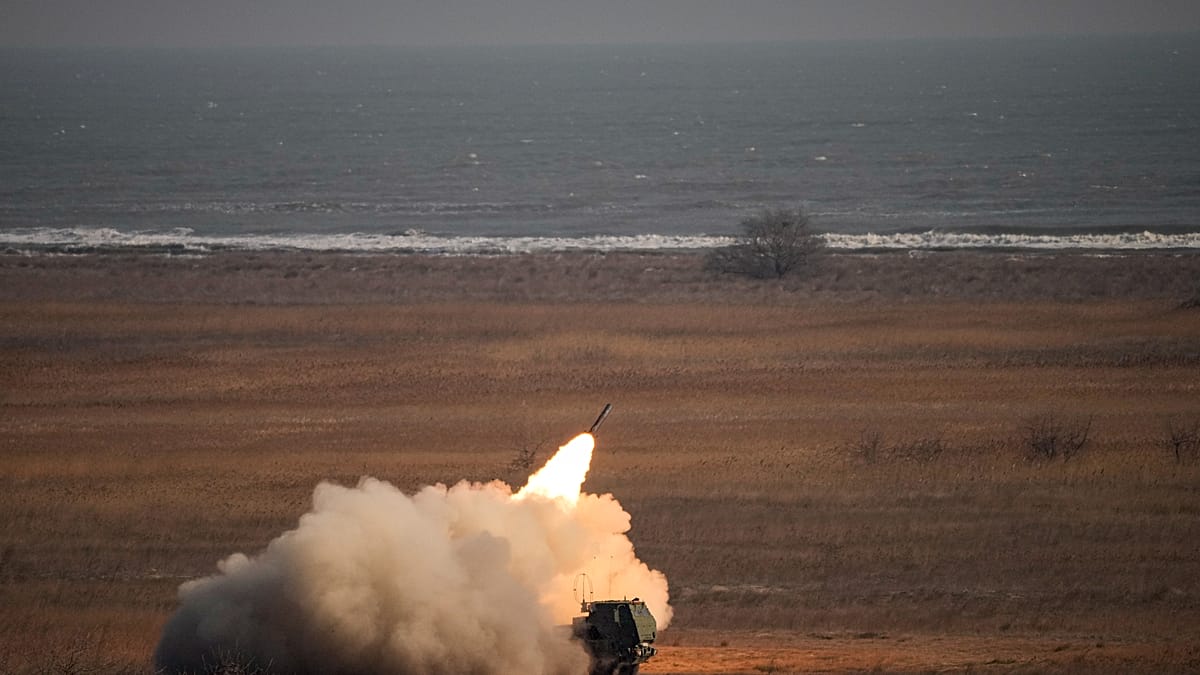
The Department of Defense’s inspector general reports that the U.S.’s "Operation Epic Fury" against Iran, spanning February 28 to June 30, cost $33.4 billion, with $22.3 billion allocated for munitions alone. This expenditure has led to a strategic inventory shortfall and industrial production bottlenecks for resupplying munitions. The report details the destruction of four F-15E fighter jets and up to 30 MQ-9 Reaper drones, along with damage to several other aircraft and helicopters, totaling significant replacement costs.
Written by the local model on 2026-09-15,
using this article's own text rather than the other coverage of the
same event (that is the story summary below).
Story summary
Summary of Iran-US War Developments
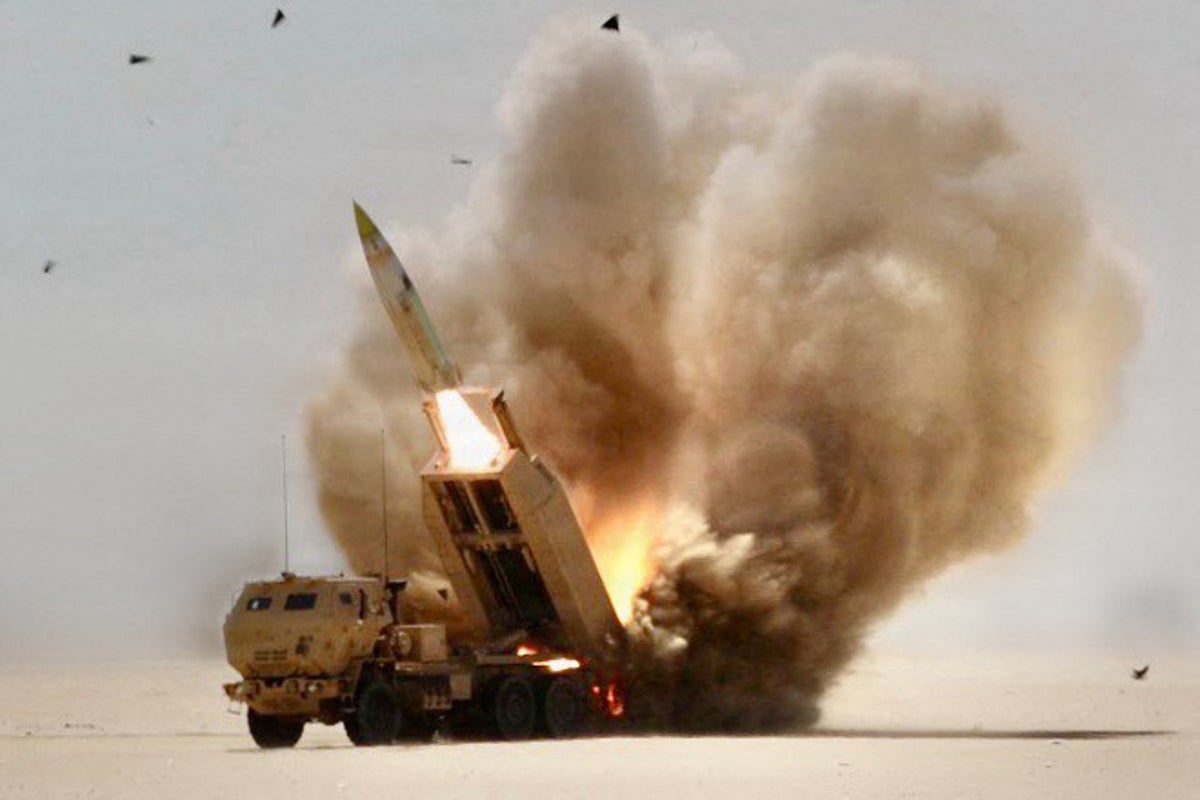
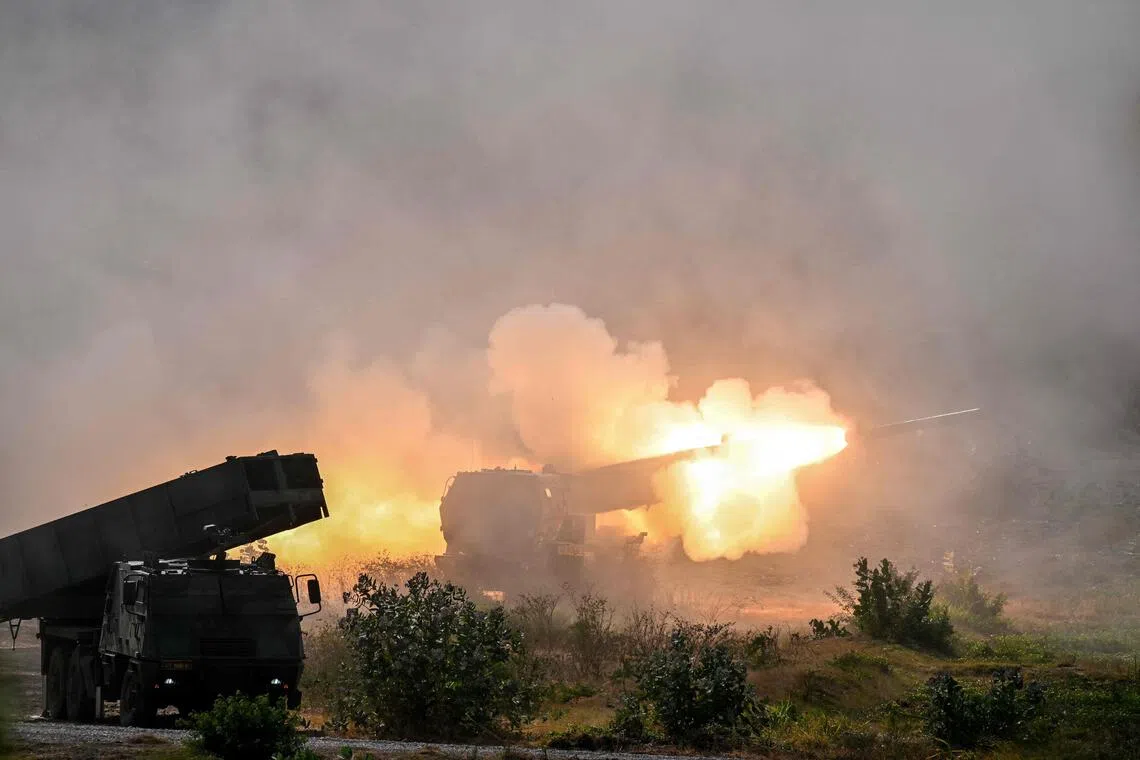
Between February 28 and June 30, the United States and Israel launched "Operation Epic Fury," a military campaign against Iran that cost an estimated $33.4 billion, with nearly $22.3 billion spent on munitions alone. The Pentagon's Inspector General report to Congress revealed significant challenges, including strategic inventory shortfalls and industrial bottlenecks in resupplying munitions. Iranian retaliatory strikes damaged or destroyed hundreds of buildings at U.S. bases across the Middle East, including up to 30 MQ-9 Reaper drones, four F-15 fighter jets, one F-35 jet, and seven KC-135 tanker aircraft.
President Donald Trump has dismissed concerns about munitions shortages, stating that the U.S. possesses "virtually unlimited" supplies of ammunition. However, Pentagon officials acknowledge significant expenditures in both personnel deployment and weaponry use, which have led to strategic inventory shortfalls and revealed industrial base bottlenecks for munitions resupply. The report highlights the need for streamlining procurement processes and stockpiling critical materials to prepare for potential future contingencies.
The cost of repairing damaged facilities and replacing lost or damaged aircraft is not included in the current estimate, indicating that the total financial impact could be even higher. Despite these challenges, U.S. officials maintain readiness for any potential contingency while considering diplomatic avenues to end hostilities with Iran. (Total cost: $33.4 billion; munitions expenditure: $22.3 billion)
Written for “Iran War Munitions Shortfall” on 2026-09-17,
grounded in this article and the 20 other(s) covering the same event.
Why this leaning score
The model judged this article politically coded and scored it -0.35, but none of the 2 quote(s) it offered could be found in the article text, so the score is not published.
Written under an earlier scoring contract, which gave a paragraph
rather than checkable quotes. Re-analysing this article replaces it.
Leaning score withheld for article 9856: no verified evidence · logged 2026-09-15
President Donald Trump’s “Operation Epic Fury” assault on Iran cost $33.4 billion in its first four months and has resulted in a munitions shortfall, according to a report by the Department of Defense’s inspector general.
uncertain
assault → cost → general
The 44-page report to Congress states that, between February 28 and June 30, the joint U.S.-Israeli attack on Iran saw the Trump administration spend $22.3 billion on munitions alone.
asserted
administration → state → munitions
The onslaught “has resulted in strategic inventory shortfalls and revealed industrial base bottlenecks for munitions resupply,” Inspector General Platte B Moring III concludes.
asserted
III → result → resupply
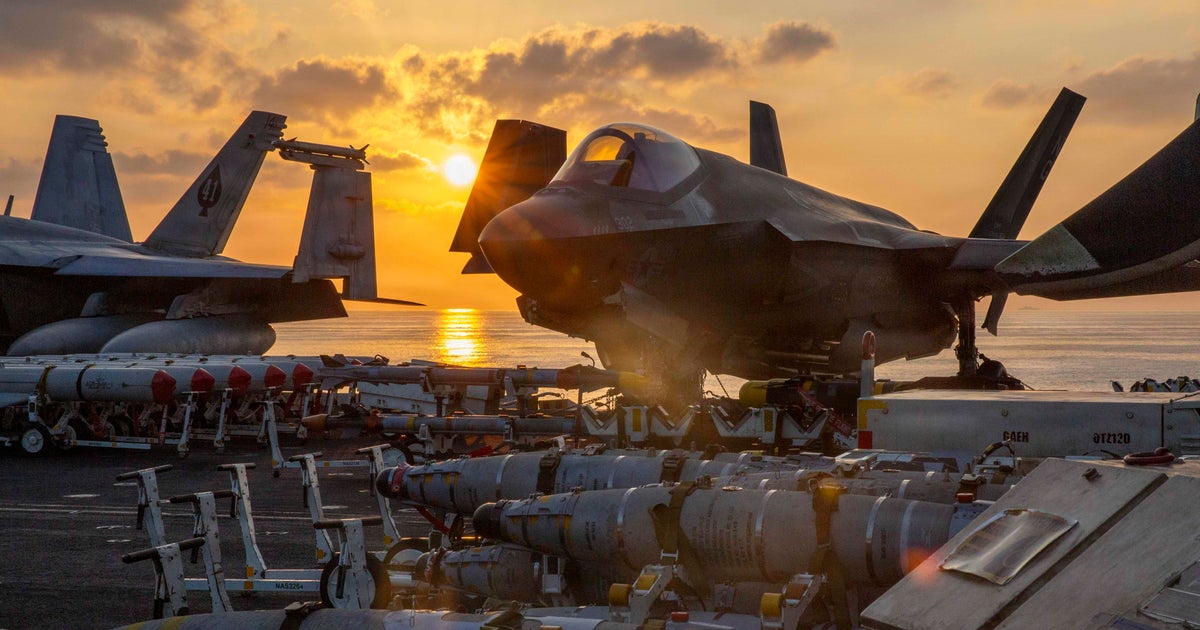
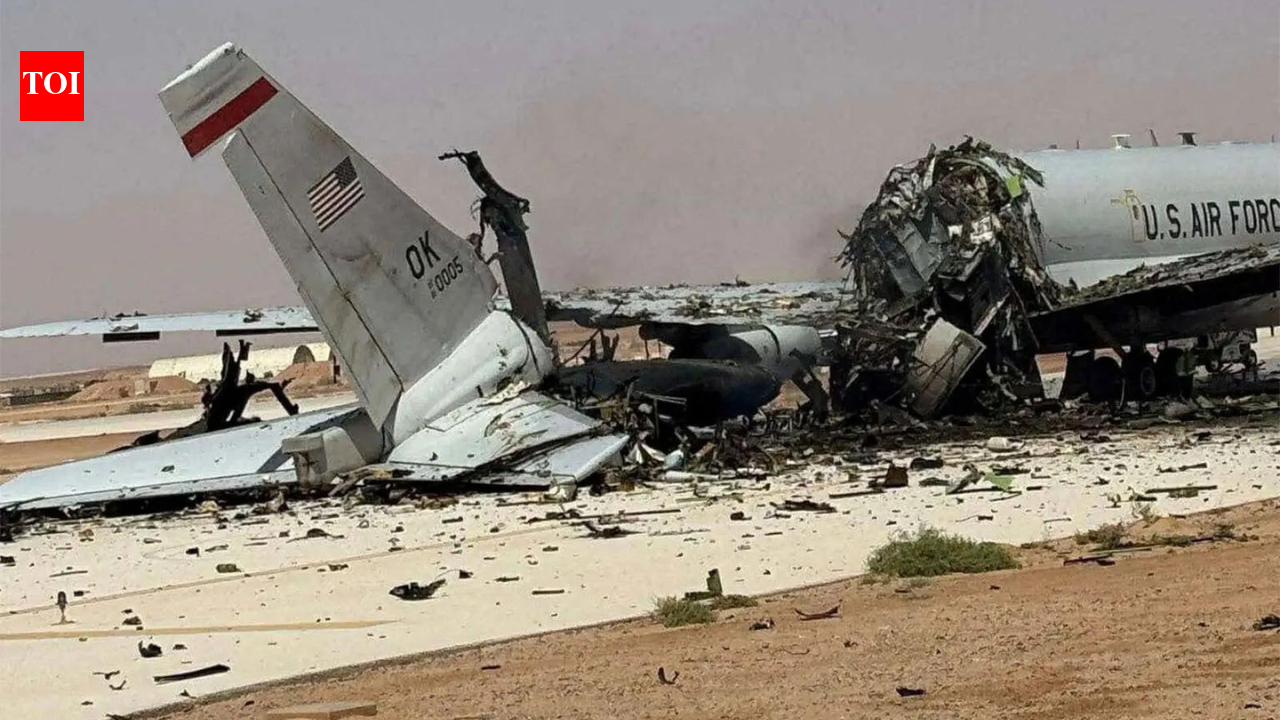
His report also lists the damage done to American military assets by Tehran’s retaliatory strikes, listing four F-15Es and and up to 30 MQ-9 Reaper drones as destroyed and one F-35A, seven KC-135 tanker aircraft and seven helicopters as damaged.
asserted
report → list → F-15Es
The F-35A plane is the first of its type to be compromised by enemy fire, according to CNBC, and would cost $92 million to replace.
uncertain
plane → compromise → million
An F-15E, meanwhile, costs $31.1 million to produce, U.S. Air Force data indicates, putting the pricetag for replacing four at $124.4 million.
asserted
data → cost → million
The U.S. also spent $79.2 million responding to emergencies arising from the conflict “such as evacuation-related expenses for State personnel and their family members, U.S. citizens, and eligible third-country nationals.”
asserted
U.S. → spend → personnel
Damage done to U.S. diplomatic premises in Iraq, Kuwait, Saudi Arabia and the U.A.E. add another $184 million to the bill.
asserted
Damage → do → bill
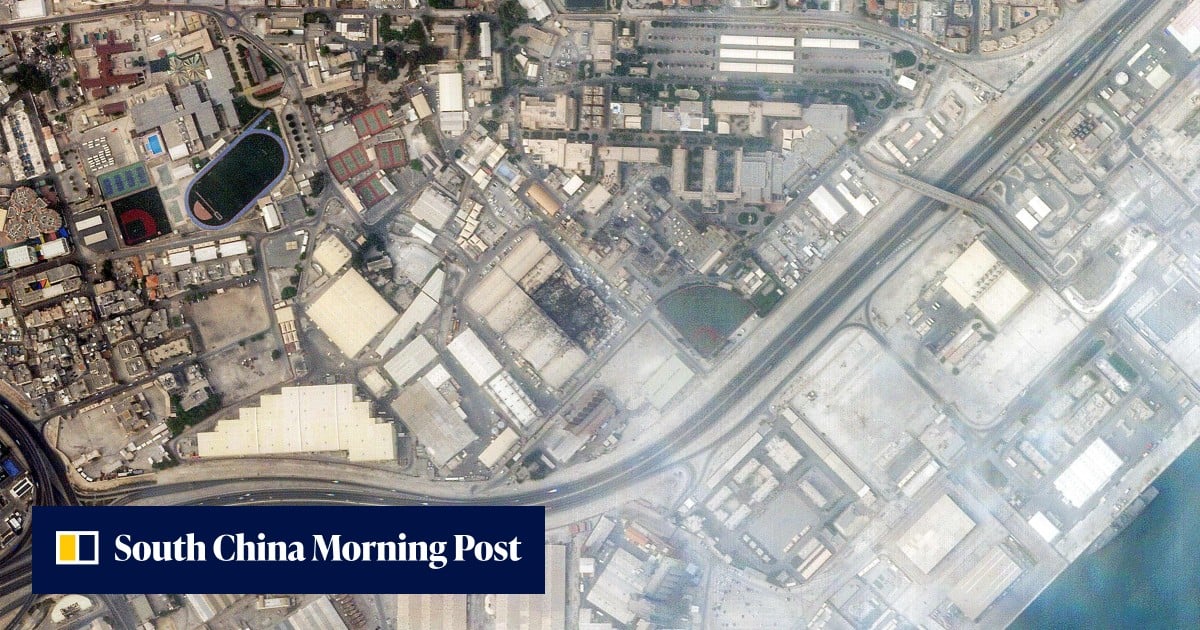
Even further expense was incurred by Iranian strikes on military buildings and infrastructure in the U.S.-allied Gulf states of Kuwait, Bahrain, Qatar, UAE, Saudi Arabia, Iraq, Oman and Jordan, although no cost is calculated in the report as it is not yet clear whether they will be restored and who would pay for the work.
asserted
who → incur → work
The Independent has reached out to the Pentagon for comment.
asserted
Independent → reach → comment
Mark Cancian of the Center for Strategic and International Studies was asked by CBS News, in response to the report’s findings, whether he believed the U.S. still had a sufficient supply of munitions to call upon.
“For a war against Iran, the answer is yes,” he answered.
asserted
he → ask → Iran
We might be able to provide enough munitions for a month, but getting on to month two or month three or four, that’s a great challenge.”
uncertain
that → provide → month
Trump himself has repeatedly insisted the U.S. has no munitions supply issues but was angered when it was reported in early August that he had confronted Defense Secretary Pete Hegseth over the matter at Camp David in Maryland, reportedly saying he thought the problem “had been fixed.”
uncertain
problem → insist → Maryland
The president took to Truth Social in anger over the story, threatening the “leakers” who spoke to the press with jail.
asserted
who → take → jail
Reuters reported around the same time that the U.S. Army had significantly depleted its stockpile of long-range missiles, using up “virtually all” of its crucial surface-to-surface weapons.
asserted
Army → report → weapons
Trump was back on his social media platform Monday to claim: “The United States is producing more Exquisite and Elite Weapons than at any time in our History.
uncertain
States → claim → History
“They are being delivered on a daily basis to our Forces in the Middle East, and beyond.
asserted
They → deliver → East
Our Defense Company Factories are moving 24/7, while at the same time building, on average, 4 to 5 largescale brand new Plants, each!
asserted
Factories → move → Plants
“A primary focus of this production has been Patriots, THAAD Systems, Tomahawks, and other Standard Missile Systems, of which we already have large numbers in stock.”
asserted
we → have → stock
His unpopular war has rumbled on for another 10 weeks since the period documented by the report and shows no obvious sign of coming to an end even now, although Trump has said he is “open” to negotiations with Iran while stressing the final decision rests with him.
asserted
decision → rumble → him
At least 18 U.S. soldiers have been killed and more than 750 service members injured in the conflict.
asserted
members → kill → conflict
 The Aporia