That is 0 articles you have read today.
The Aporia is free and carries no advertising, so readers are the only
thing paying for it. If you are getting this much out of it, a small
donation is what keeps it independent.
Daily limit reached
You have read 0 articles today.
That is more than the 15 a day The Aporia gives away,
and well past what it can carry on nothing. Your allowance resets at
midnight.
There is no advertising here and nothing about you is sold, so readers
are the only thing paying for it. If the site is worth this much of
your day, it is worth a few dollars.
Everything else stays open: the
maps, the
directory and
search do
not count against this, and neither does re-opening something you have
already read today.
The U.S. Department of Defence's inspector general reported on September 14, 2026, to Congress that the ongoing war in Iran has caused a significant munitions shortfall costing $33.4 billion between February and June 2026, with $22.3 billion spent specifically on expended munitions. This report highlights industrial bottlenecks for resupplying ammunition and lists substantial military losses including damaged aircraft and destroyed drones. President Trump dismissed the concerns about depleted weapons stores, asserting that the U.S. produces more advanced weaponry than ever before.
Written by the local model on 2026-09-15,
using this article's own text rather than the other coverage of the
same event (that is the story summary below).
Story summary
Summary of Iran-US War Developments
Between February 28 and June 30, the United States and Israel launched "Operation Epic Fury," a military campaign against Iran that cost an estimated $33.4 billion, with nearly $22.3 billion spent on munitions alone. The Pentagon's Inspector General report to Congress revealed significant challenges, including strategic inventory shortfalls and industrial bottlenecks in resupplying munitions. Iranian retaliatory strikes damaged or destroyed hundreds of buildings at U.S. bases across the Middle East, including up to 30 MQ-9 Reaper drones, four F-15 fighter jets, one F-35 jet, and seven KC-135 tanker aircraft.
President Donald Trump has dismissed concerns about munitions shortages, stating that the U.S. possesses "virtually unlimited" supplies of ammunition. However, Pentagon officials acknowledge significant expenditures in both personnel deployment and weaponry use, which have led to strategic inventory shortfalls and revealed industrial base bottlenecks for munitions resupply. The report highlights the need for streamlining procurement processes and stockpiling critical materials to prepare for potential future contingencies.
The cost of repairing damaged facilities and replacing lost or damaged aircraft is not included in the current estimate, indicating that the total financial impact could be even higher. Despite these challenges, U.S. officials maintain readiness for any potential contingency while considering diplomatic avenues to end hostilities with Iran. (Total cost: $33.4 billion; munitions expenditure: $22.3 billion)
Written for “Iran War Munitions Shortfall” on 2026-09-17,
grounded in this article and the 20 other(s) covering the same event.
Why this leaning score
This article does not take a side on a contested political
question, so it has no leaning score. That is an
answer rather than a gap: a match report or a rescue can be warmly
or critically written without being left or right, and scoring it
anyway is how approval of a subject gets recorded as a political
position.
No political leaning scored for article 10085 · logged 2026-09-15
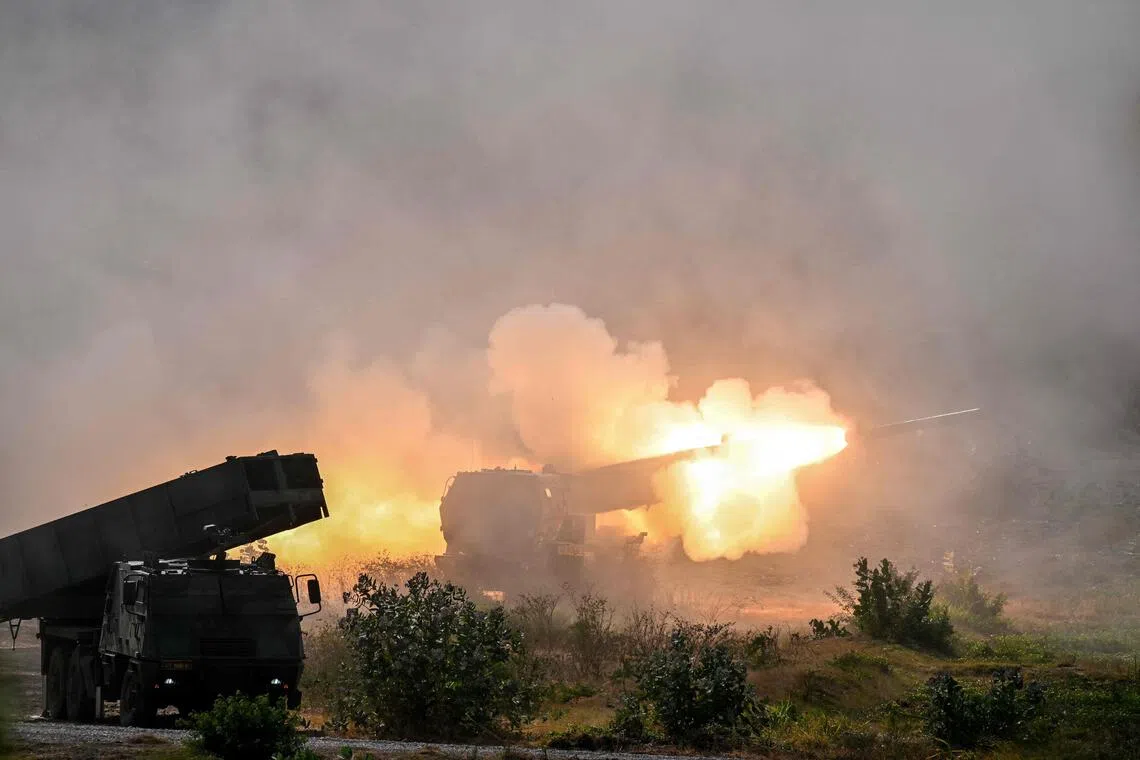
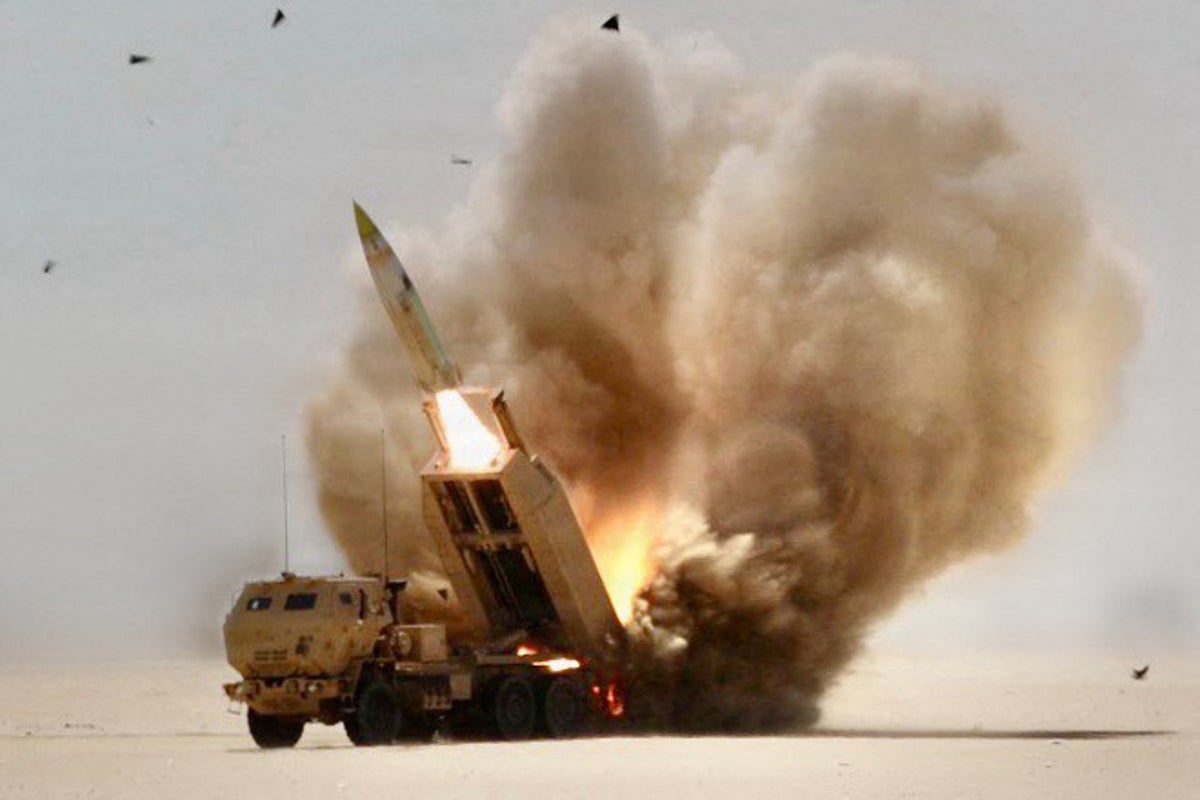
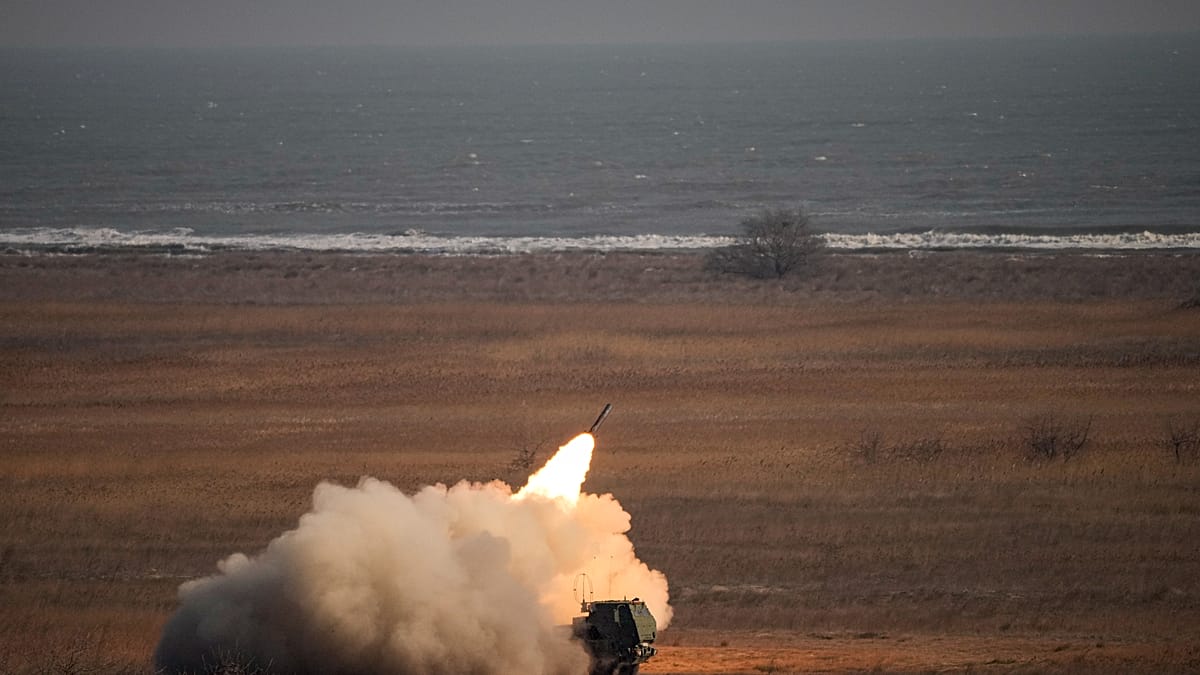
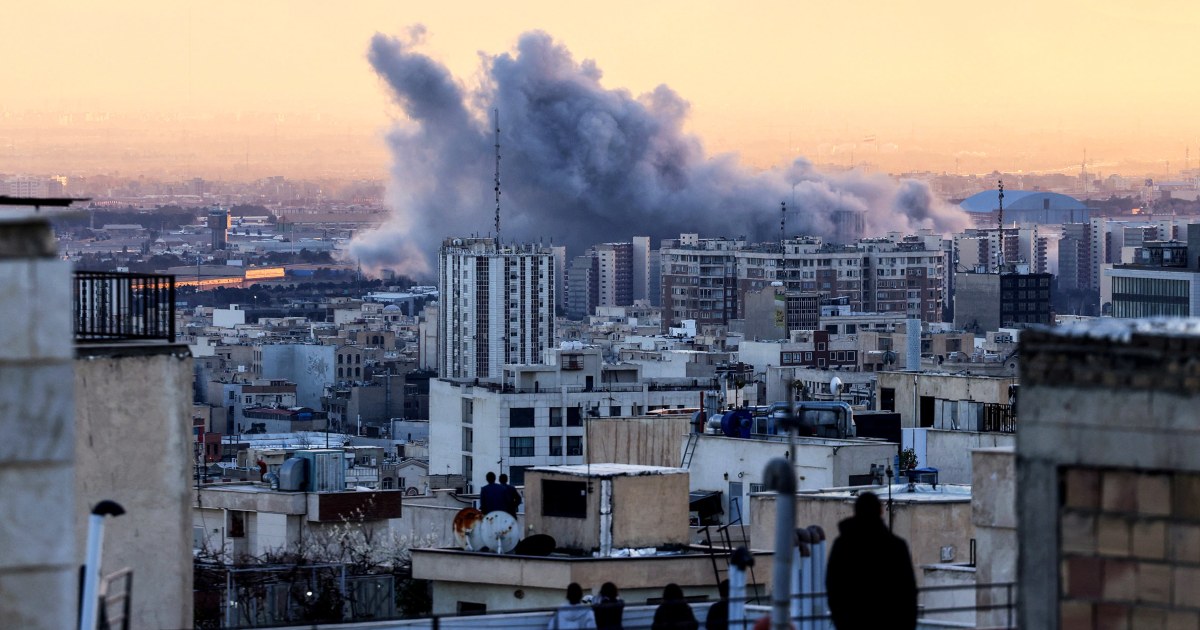
The U.S. Department of Defence's inspector general revealed Monday (September 14, 2026) that the United States is facing a shortfall in ammunition as a result of its costly war in Iran.
asserted
States → reveal → Iran
In a first-of-its-kind mandatory report to Congress, the inspector said that between February 28 and June 30, Operation Epic Fury (OEF) had an estimated cost of $33.4 billion, with $22.3 billion of that spent on expended munitions alone.
asserted
billion → say → munitions
The report noted, "The munitions expenditure on OEF has resulted in strategic inventory shortfalls and revealed industrial base bottlenecks for munitions resupply."
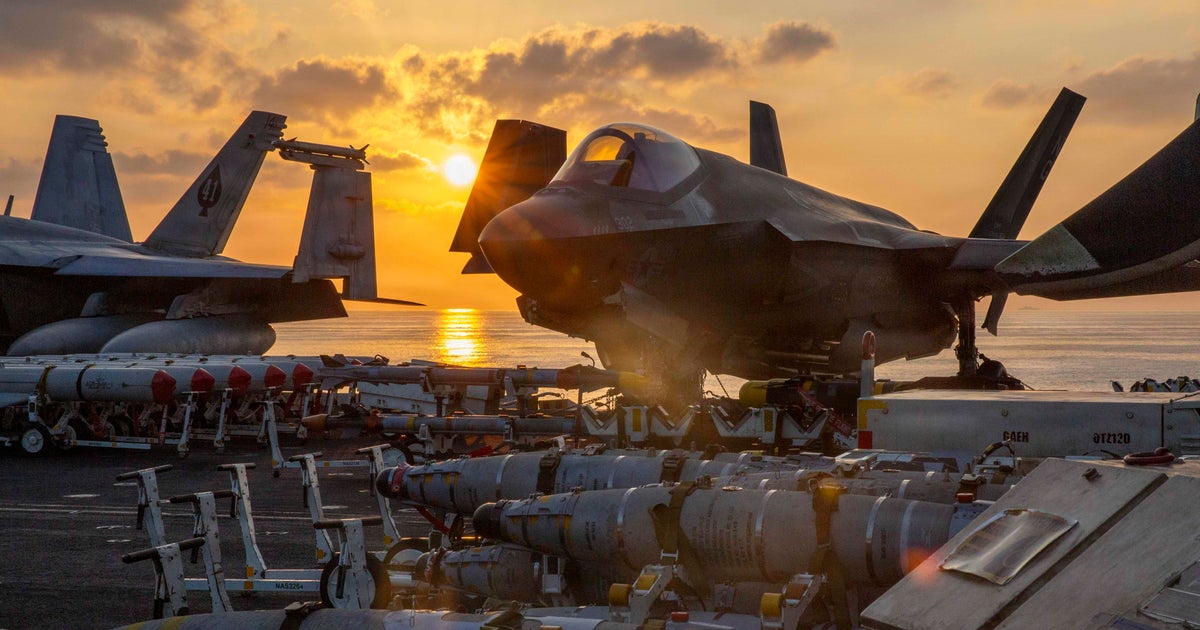
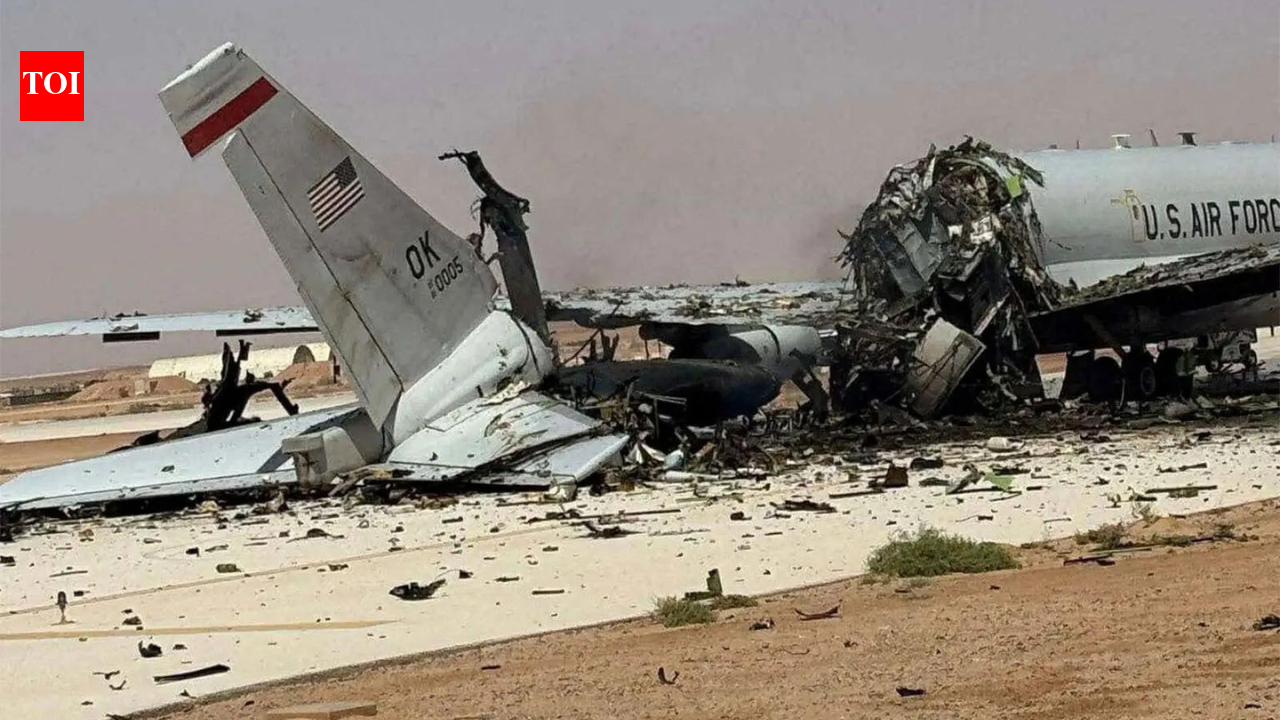
It also lists losses to the American fleet, including four F-15s destroyed, one F-35 damaged, seven KC-135 tanker aircraft damaged and up to 30 MQ-9 Reaper drones destroyed.
asserted
It → note → F-15s
President Donald Trump has repeatedly brushed off concerns of depleted weapons stores during the six months of war in West Asia, saying the U.S. has "virtually unlimited" ammo just a couple weeks ago.
asserted
U.S. → brush → ammo
On Monday (September 14) Mr. Trump posted to his Truth Social platform, saying again the U.S. is producing "more Exquisite and Elite Weapons than at any time in our History."
asserted
U.S. → post → History
CNN has previously reported that shortages of long-range guided missiles and air-defence interceptors had affected Mr. Trump's strategy in the conflict with Iran, with the U.S. military having "nearly exhausted 80%" of its stock of THAAD interceptors.
asserted
military → report → interceptors
During the first 24 hours of war against Iran, the United States struck more than 1,000 targets, U.S. Central Command (CENTCOM) has said, and has not returned to such large scale attacks in recent months.
asserted
Command → strike → months
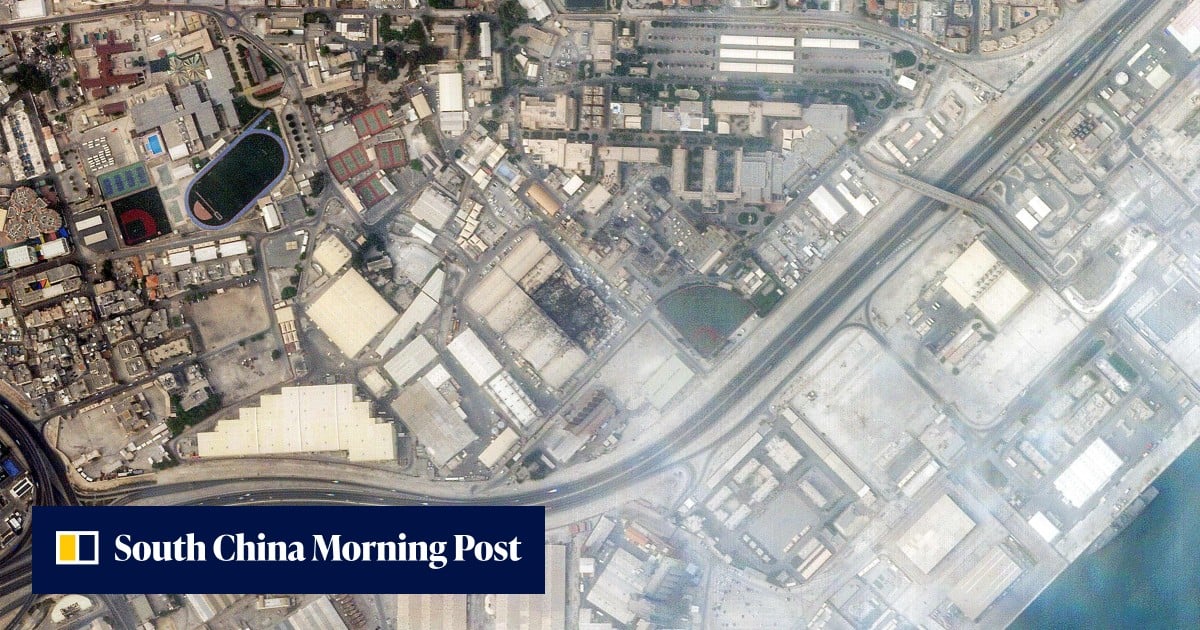
The report notes that "Iranian strikes damaged and destroyed hundreds of buildings and structures at U.S. bases in Kuwait, Bahrain, Qatar, UAE, Saudi Arabia, Iraq, Oman, and Jordan during the conflict," but does not include those costs in the cost estimates, saying it's not yet clear if all the bases will be built, or who will foot the bill.
asserted
who → note → bill
 The Aporia